How Many Abyssinians Carry rdAc Worldwide
It’s a crushing thought for any Abyssinian owner or potential parent: the idea that your vibrant, active cat could be quietly carrying a gene for a devastating disease, or worse, develop it themselves. The reality of inherited conditions like progressive retinal atrophy (PRA-rdAc) can feel overwhelming, especially when you're trying to understand just how widespread these genes are within the global Abyssinian community. This guide will walk you through what PRA-rdAc means, shed light on how many Abyssinians worldwide carry this gene, and explain what steps responsible breeders and owners are taking to protect this magnificent breed.
Understanding PRA-rdAc in Abyssinians
Let's face it, genetic terms can sound like a foreign language. But understanding PRA-rdAc is crucial for any Abyssinian enthusiast. This isn't just a fancy label; it's a specific, inherited eye condition that can profoundly impact an Abyssinian's quality of life. Knowing the difference between a carrier and an affected cat is the first step in making informed decisions.
What Progressive Retinal Atrophy (rdAc) Is
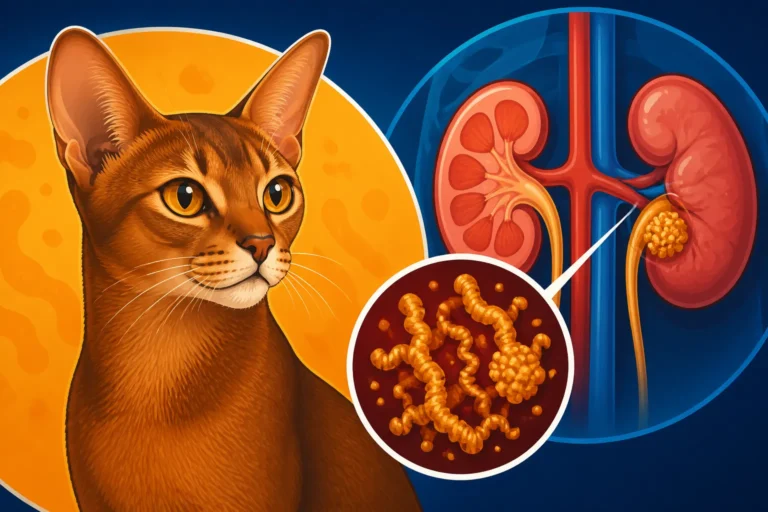
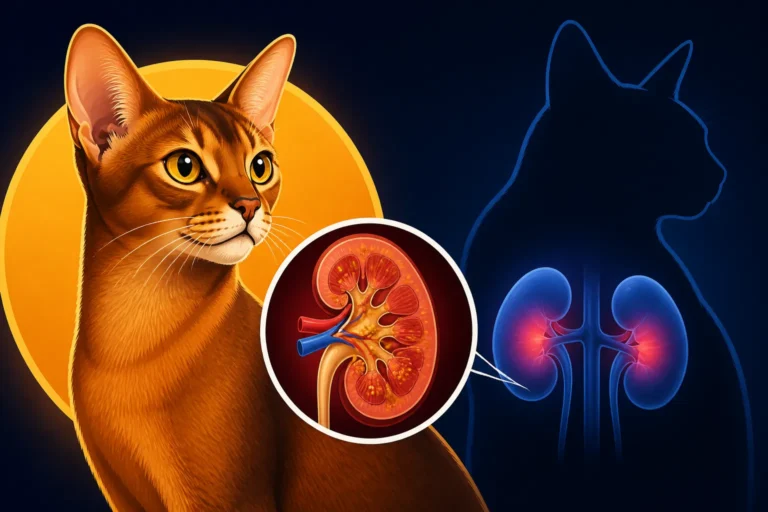
Progressive Retinal Atrophy, often shortened to PRA-rdAc in the Abyssinian world, is a genetic disease that targets the photoreceptor cells in a cat's retina. Think of the retina as the film in a camera; it's what captures light and sends those images to the brain. In affected Abyssinians, these crucial cells, specifically the rods and cones (which are responsible for night vision and day/color vision, respectively), begin to degenerate. It’s a slow, progressive decline, often starting with the rods and gradually affecting the cones. This means your lively, curious Abyssinian slowly loses its ability to see, first in low light, then entirely. It's truly heartbreaking to watch an animal that relies so much on its sharp senses begin to struggle with its environment.
How It Affects an Abyssinian's Vision
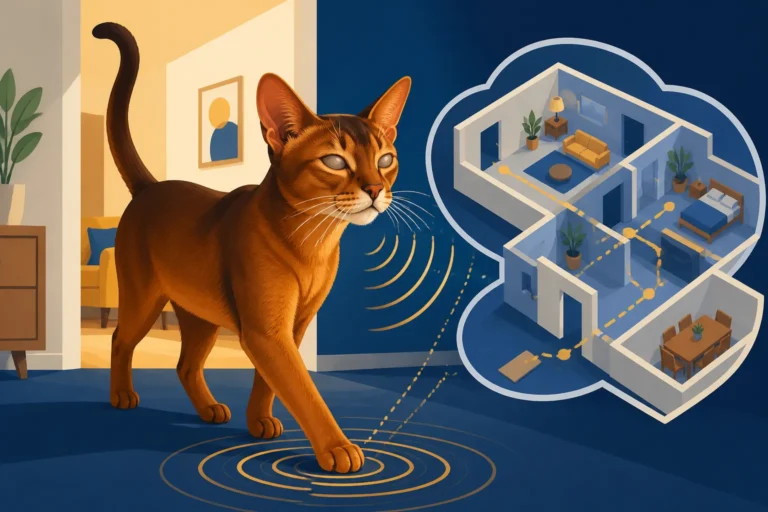
The progression of PRA-rdAc isn't a sudden event. Typically, the first signs are subtle and can easily be missed. Owners might notice their cat becoming a bit more hesitant in dimly lit rooms, or bumping into furniture at night. This is often when an Abyssinian's night vision goes first. As the disease advances, usually by the age of 3 to 5 years, their daytime vision deteriorates too. You might observe changes in their pupils, which can become more dilated as they try to let in more light. Eventually, total blindness can occur. This slow decline means the cat often adapts remarkably well, relying on its other senses, but it undeniably changes their world. While it's tough, many cats can still lead fulfilling lives with a few adjustments around the house, as discussed in Why a Blind Abyssinian Still Climbs.
Carrier vs. Affected: The Genetic Difference
This is where the term "carrier" becomes vital. PRA-rdAc is an autosomal recessive condition. What does that mean for your Abyssinian?
- Clear (N/N): An Abyssinian with two normal copies of the gene. They cannot develop the disease and cannot pass the gene to their offspring.
- Carrier (N/rdAc): An Abyssinian with one normal copy and one mutated copy of the gene. These cats are perfectly healthy and will not develop PRA-rdAc. However, they can pass the mutated gene to approximately 50% of their kittens. They are silent carriers, showing no symptoms. This is explained further in How a Carrier Abyssinian Differs From an Affected One.
- Affected (rdAc/rdAc): An Abyssinian with two mutated copies of the gene. These are the cats that will develop PRA-rdAc and eventually become blind. They will pass a mutated gene to all of their offspring.
The key takeaway here is that carriers are not sick cats, and they live full, healthy lives. The concern with carriers lies solely in their potential to produce affected kittens if bred with another carrier or an affected cat.
Global Prevalence of rdAc Carriers in Abyssinians
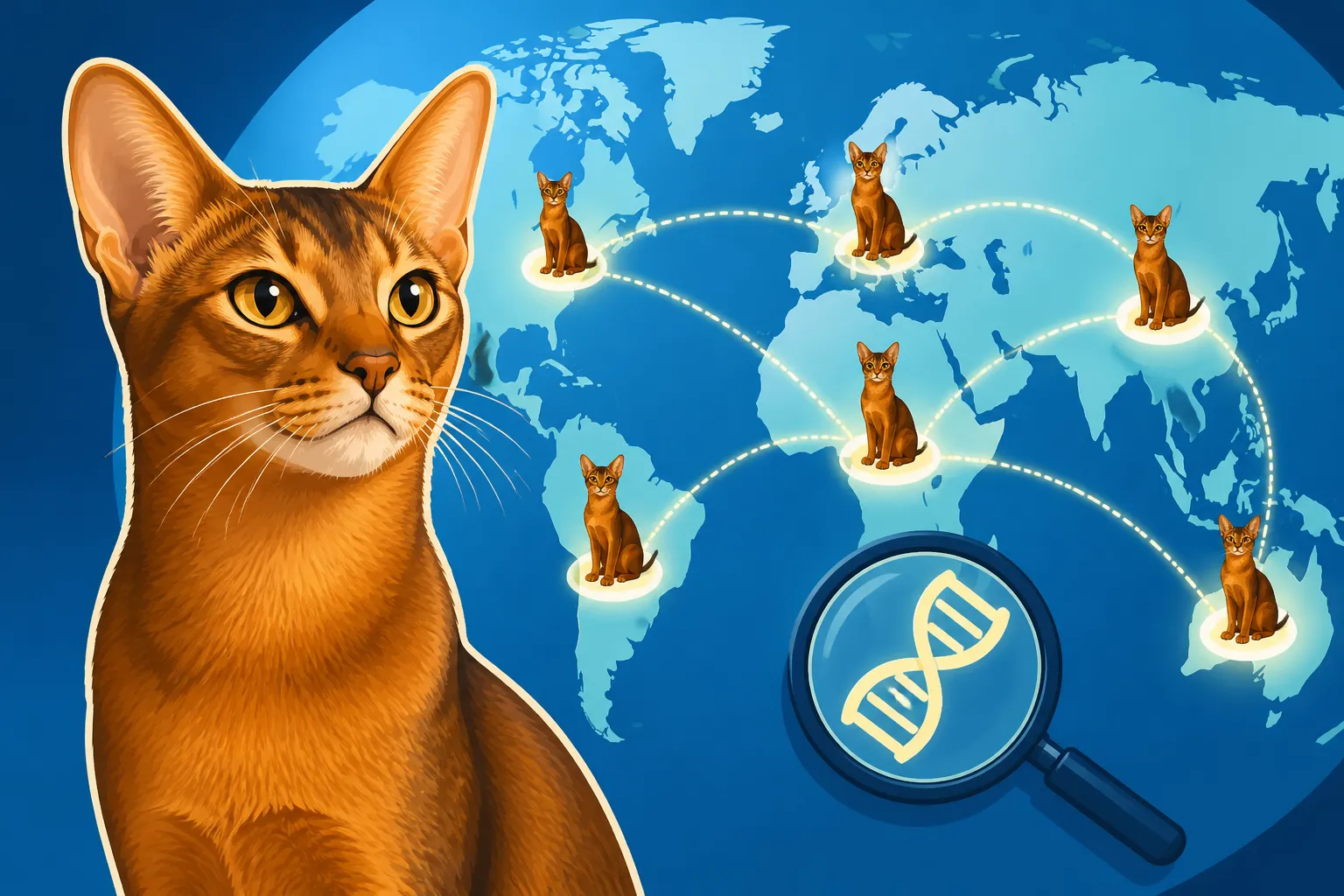
Pinpointing an exact, real-time global percentage of rdAc carriers in Abyssinians is a bit like trying to count every grain of sand on a beach – it's incredibly challenging. Data collection varies significantly by country, breed club participation, and the specific genetic testing labs used. However, we do have estimates and trends that can give us a good picture.
Historical Context of the Mutation's Spread
The mutation for PRA-rdAc, specifically in the CEP290 gene, has been identified as originating decades ago within the Abyssinian gene pool, and it is also found in Somalis due to their shared ancestry. Like many recessive genetic traits, it can spread silently through a population for generations before becoming widely recognized as a problem. Before DNA testing became widely available, breeders had no way of knowing if their cats were carriers unless they unfortunately produced affected kittens. This blind spot allowed the gene to become quite prevalent in many lines across the globe.
It's a common story in pedigree breeding: a desirable trait or a popular stud cat might inadvertently carry a recessive gene, and as that cat is widely bred, the gene spreads rapidly. This is why when the DNA test for rdAc became available, it was a game-changer, revealing a much higher carrier rate than many breeders had anticipated. The test itself is a simple cheek swab, making it accessible for breeders to know the status of their cats, as detailed in Why an Abyssinian Cheek Swab Is Enough.
Current Estimates and Regional Differences
While exact global figures are elusive, early and ongoing studies from major veterinary genetics laboratories and breed organizations provide some insight. For instance, reputable labs like Optimal Selection and UC Davis Veterinary Genetics Laboratory have tested thousands of Abyssinians over the years. Data from such labs, compiled over time, has indicated that historically, the carrier rate for rdAc could be quite high, sometimes in the range of 20-30% or even higher in some populations. Some older reports even cited rates nearing 40% in certain regions or specific breeding lines before widespread testing.
It's important to understand that these numbers aren't static. Thanks to diligent and responsible breeding practices, the carrier rate is actively being reduced in many parts of the world. Countries with strong breed clubs and proactive genetic health screening programs tend to show lower current carrier rates than regions where testing is less common.
Let's look at a hypothetical breakdown of how carrier status might look within a breeding population, acknowledging that real-world numbers fluctuate:
| Status | Percentage of Population (Historical Estimate) | Percentage of Population (Target with Responsible Breeding) |
|---|---|---|
| Clear (N/N) | 50-60% | 70-80% |
| Carrier (N/rdAc) | 30-40% | 15-25% |
| Affected (rdAc/rdAc) | 5-10% | <1% (eliminated by not breeding carriers to carriers) |
Note: These percentages are illustrative and reflect broad estimates and goals, not precise real-time global data.
Why rdAc Spread Beyond the Abyssinian Breed
The story of rdAc isn't confined to just Abyssinians. Because the Abyssinian breed has been used in the development of other breeds, the rdAc mutation has also made its way into breeds like the Ocicat and the Singapura, among others. This further complicates the global picture of prevalence and highlights the interconnectedness of pedigree cat genetics. Every time a new breed is introduced or an existing one out-crossed, there's a possibility of introducing or spreading genetic traits, both good and bad. This is why comprehensive genetic testing is so important, not just for the parent breed, but for any descendant breeds as well.
The Role of Genetic Testing and Responsible Breeding
Understanding the numbers is one thing, but what truly matters is what we do with that knowledge. This is where genetic testing and responsible breeding come into play, offering a beacon of hope for reducing and eventually eradicating genetic diseases like PRA-rdAc.
How the CEP290 Test Clears an Abyssinian
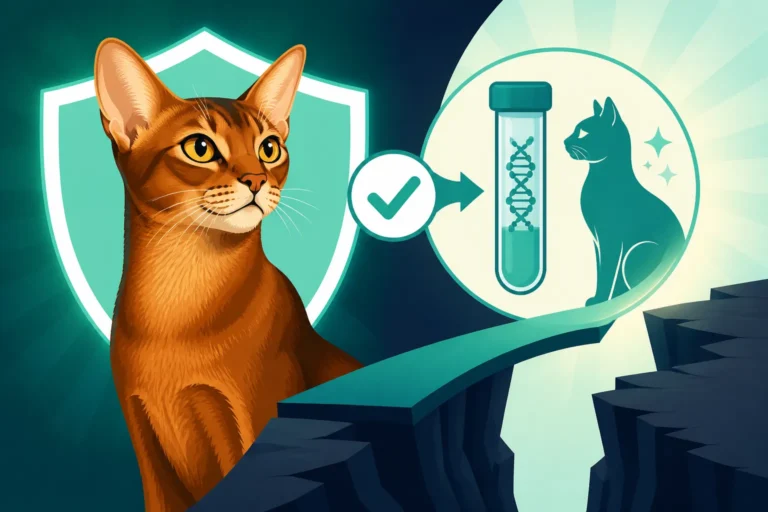
The good news is that there's a reliable DNA test for PRA-rdAc. This test looks for the specific mutation in the CEP290 gene, which is definitively linked to the condition. The process is simple: a veterinary professional or even the breeder collects a buccal (cheek) swab from the cat, which is then sent to a specialized genetic testing laboratory. The results come back identifying the cat as Clear, Carrier, or Affected. This invaluable tool gives breeders the power to make informed decisions and prevents the accidental breeding of two carriers, which is the only way affected kittens can be born. Knowing How the CEP290 Test Clears an Abyssinian has revolutionized Abyssinian breeding.
Breeding Strategies for Carriers
When a breeder discovers they have a carrier Abyssinian, it's not the end of the world, nor does it mean that cat should automatically be removed from a breeding program. Carriers are healthy cats and can still contribute valuable traits to the gene pool. The key is smart breeding.
- Carrier to Clear: This is the preferred method for carriers. When a carrier (N/rdAc) is bred to a clear (N/N) Abyssinian, statistically, 50% of the kittens will be clear, and 50% will be carriers. None of the kittens will be affected. This strategy allows breeders to continue using important lines while gradually reducing the carrier frequency. Any kittens retained for breeding would then be tested to identify their status.
- Carrier to Carrier: A Strict No-Go: This pairing must be avoided at all costs. When two carriers (N/rdAc x N/rdAc) are bred, there's a 25% chance of producing an affected kitten (rdAc/rdAc), a 50% chance of producing a carrier kitten, and a 25% chance of producing a clear kitten. Responsible breeders strictly adhere to the rule that Why Two Carrier Abyssinians Should Never Be Bred is paramount.
- Affected to Any: An affected cat (rdAc/rdAc) should never be used for breeding, as all their offspring would at least be carriers, if not affected.
By carefully planning pairings and diligently testing, breeders can ensure no affected kittens are born, while slowly increasing the percentage of clear cats in the population.
The Importance of Transparency and Databases
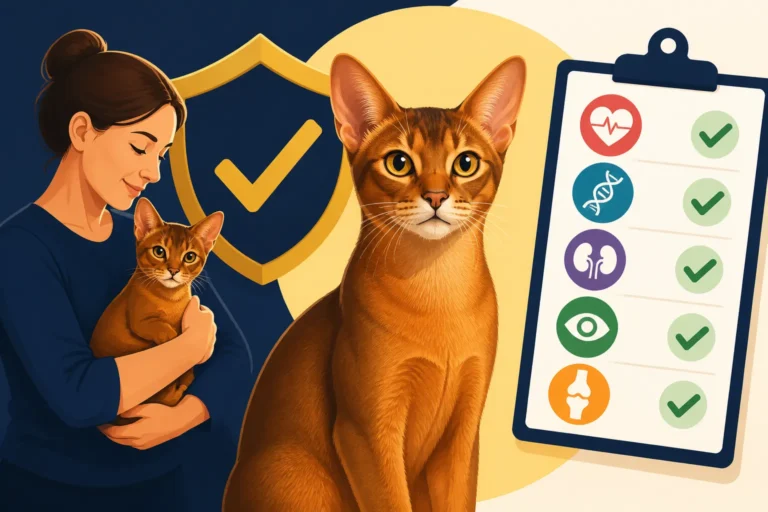
Responsible breeding goes hand-in-hand with transparency. Reputable breeders openly share the genetic test results of their breeding cats, and often the parents of their kittens. Many breed clubs maintain databases or registers where test results are recorded, providing a public record of a cat's genetic status. This allows prospective buyers to verify claims and make confident choices. Before you buy an Abyssinian kitten, always ask to see the parental health certificates and look for evidence of testing, which is covered in What an Abyssinian Breeder Should Have Tested Before You Buy.
Moreover, pet insurance providers like Healthy Paws often factor in genetic predispositions when offering policies, so understanding your kitten's background can even influence your insurance choices down the line. While Healthy Paws aims to provide comprehensive coverage, knowing your cat's genetic profile is always a good idea.
The Impact of Responsible Breeding on Carrier Rates
The collective efforts of dedicated breeders and breed clubs have a tangible impact on the health of the Abyssinian breed. It's a long game, but the results are clear: genetic diseases can be managed and their prevalence reduced.
Driving Down the Numbers Through Selective Breeding
The goal isn't necessarily to eliminate every single carrier from the gene pool overnight. Such an aggressive approach could severely limit genetic diversity, leading to other, unforeseen health problems. Instead, the focus is on a thoughtful, long-term strategy:
- Test all breeding cats: Ensuring every cat used for breeding is tested for rdAc.
- Avoid carrier-to-carrier matings: This is the most critical step to prevent affected kittens.
- Prioritize clear cats where possible: When there's a choice between a carrier and a clear cat of similar quality, prioritizing the clear cat helps to slowly increase the proportion of clear cats in the population.
- Use carriers judiciously: Healthy carriers with exceptional conformation, temperament, or other valuable traits can still contribute to the breed, but only when bred to clear mates. Their offspring are then tested to identify carriers that can be strategically bred forward or placed as pets.
Over time, this systematic approach naturally drives down the overall carrier rate, leading to a healthier breed with fewer individuals carrying the gene.
Global Collaboration and Shared Goals
Many Abyssinian breed clubs around the world, from the Cat Fanciers' Association (CFA) in North America to breed societies in Europe and Australia, are united in their commitment to eradicate rdAc. They often recommend or mandate testing for all breeding Abyssinians and encourage data sharing to help track the prevalence and success of breeding programs. This global collaboration ensures that advancements in genetic understanding and testing are quickly adopted, benefiting Abyssinians everywhere. When you adopt a kitten from a reputable breeder, you're not just getting a pet; you're supporting this larger mission of breed preservation and health.
The Long-Term Vision for Abyssinian Health
The ultimate long-term vision is a future where PRA-rdAc is a rare occurrence, if not entirely eliminated, from the Abyssinian breed. While the historical prevalence of carriers may have been significant, the availability of reliable DNA tests and the dedication of ethical breeders mean that the numbers are steadily declining. This commitment ensures that the vibrant, intelligent, and affectionate Abyssinian remains a healthy and cherished companion for generations to come. Your investment in a well-bred, tested Abyssinian contributes directly to this ongoing success story.
Disclaimer
The information provided in this article is for general informational purposes only and does not constitute veterinary advice. Always consult with a qualified veterinarian for any health concerns or before making any decisions about your pet's health or treatment.