How Early an Abyssinian Can Show Kidney Signs
It's incredibly distressing when you notice subtle changes in your beloved Abyssinian, especially given their energetic nature, which often masks underlying health issues. Catching signs of kidney trouble early can feel like finding a needle in a haystack, but it’s crucial because these vibrant cats are sadly predisposed to certain kidney conditions. This guide aims to shed light on just how early kidney signs can manifest in Abyssinians and what discerning owners can look out for.
The Subtle Start: Why Early Kidney Signs Are So Easily Missed in Abyssinians
Unlike some breeds that might slow down dramatically or show obvious discomfort quickly, Abyssinians are masters of disguise when it comes to illness. Their natural athleticism, high energy levels, and curious dispositions often mean they continue to bounce around and engage in their usual antics even when something serious is brewing internally. This incredible resilience is a double-edged sword, making it all too easy for early kidney signs to be dismissed as minor quirks or simply the cat being "a bit off" on a given day.
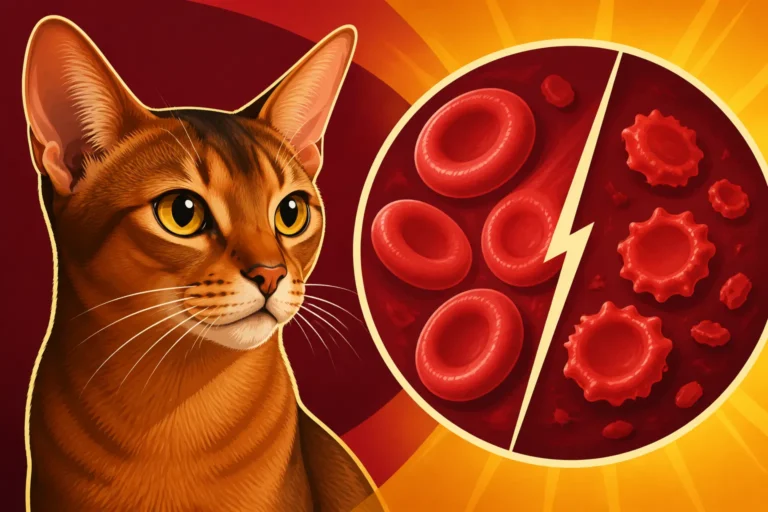
We often think of kidney disease as an ailment of old age, and while that's certainly true for many cats, Abyssinians can unfortunately show signs of kidney trouble much younger. Conditions like renal amyloidosis, which is notably prevalent in the breed, can begin silently depositing abnormal proteins in the kidneys years before clinical symptoms become apparent. This makes vigilance paramount, even for youthful, seemingly robust Abyssinians who are still climbing to the highest shelves and chasing every toy. Their youthful vigor can unfortunately mask early kidney damage, delaying diagnosis until the disease has progressed significantly.
How Early Can an Abyssinian Show Kidney Trouble?
The truth is, an Abyssinian can start developing the underlying conditions that lead to kidney disease surprisingly early in life, often without any noticeable symptoms to an untrained eye. For instance, the abnormal protein deposits associated with amyloidosis can begin accumulating in the kidneys of Abyssinians when they are still quite young, sometimes even before they reach their senior years. While overt kidney failure usually becomes apparent in middle age or later, the initial damage or subtle changes can be present much, much earlier.
Some Abyssinians, particularly those genetically predisposed to conditions like amyloidosis, might start showing extremely subtle changes in their bodily functions as young as two or three years old. These aren't necessarily "illness" signs in the traditional sense, but rather slight shifts in behavior or routine that, if consistent, should raise a red flag. Think of it as a gradual, almost imperceptible drift away from their absolute peak health, rather than a sudden decline. This is why understanding your particular cat's baseline behavior and habits is so important; you're looking for deviations from their normal, not just a generic "sick cat" checklist. Regular, proactive veterinary care, even for young Abyssinians, can be incredibly valuable in detecting these early shifts. Many informed owners opt for pet insurance, like a plan from Healthy Paws, early on to cover potential future costs associated with breed-specific conditions, providing peace of mind.
Why a Thirsty Young Abyssinian Is a Red Flag
One of the most insidious early signs of kidney issues in an Abyssinian, or any cat for that matter, is an increase in thirst. It's often the first thing owners notice, but it's also incredibly easy to rationalize away. "Oh, it's summer, they're just hot!" or "They've been playing more!" These are common thoughts, but for an Abyssinian, a consistent and noticeable increase in water consumption is a significant concern. You might find yourself refilling the water bowl more frequently, or notice your cat spending more time at the water fountain. This is the body's attempt to flush out toxins that the kidneys are no longer efficiently filtering, leading to increased urine production and, consequently, increased thirst. This symptom is so critical that any observation of a Why a Thirsty Young Abyssinian Is a Red Flag warrants immediate investigation by your vet.
Coupled with increased thirst, you'll often see an increase in urination. Your litter box might have larger, more numerous clumps of urine. While it's not the most glamorous part of cat ownership, paying attention to the size and frequency of urination can provide vital clues. Cats are designed to conserve water, producing highly concentrated urine. When their kidneys start to falter, they lose this ability, leading to more dilute urine and more frequent trips to the litter box. Observing these changes, even if slight, can prompt earlier veterinary intervention, potentially extending your Abyssinian's healthy lifespan.
Subtle Changes in Appetite and Weight
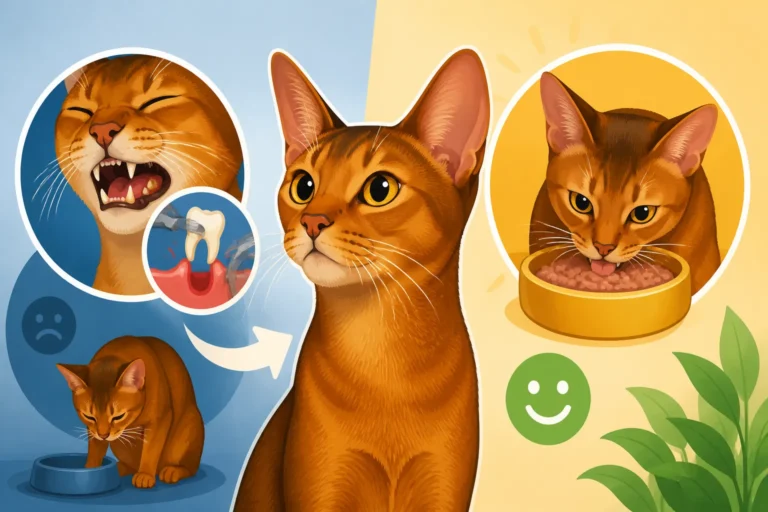
Abyssinians are naturally lean, energetic cats, and they often have robust appetites. This can make subtle changes in their eating habits a difficult thing to pinpoint as a red flag. You might notice they're not quite as enthusiastic about mealtime as they once were, or perhaps they're leaving a few bites in the bowl, which is out of character for them. This isn't usually a sudden refusal to eat, but a gradual, intermittent reduction in appetite. It could even manifest as a slight decrease in overall body condition—not necessarily dramatic weight loss, but perhaps they just don't feel as "solid" as they used to, or their ribs are a little more prominent under their fine, ticked coat.
Because Abyssinians are so active, any decrease in energy or slight weight loss might be attributed to them being particularly busy or having a "growth spurt" in their younger years. However, even a minor, unexplained weight loss in a lean breed like the Abyssinian should be taken seriously. As the kidneys struggle, waste products build up in the blood, leading to a general feeling of nausea and malaise that can suppress appetite. This slow, almost imperceptible decline can be tricky to spot, especially in an Abyssinian that's still engaging in some play. This is part of why Why a Lean Abyssinian Hides Illness Longer Than a Heavy Cat is a crucial read for Abyssinian owners.
The Diagnostic Pathway: Catching Kidney Disease Early
If you suspect even the slightest changes in your Abyssinian, don't hesitate to consult your veterinarian. Early diagnosis is key to managing kidney disease and potentially slowing its progression, especially with conditions like renal amyloidosis where proactive management is vital. Your vet will likely perform a thorough physical examination and recommend blood and urine tests. These tests are the cornerstone of early detection.
Regular wellness exams, particularly as your Abyssinian moves into middle age (around 7 years old), should always include comprehensive bloodwork and a urinalysis. Some owners even start earlier, with annual screenings from about age 5, especially if they know there's a history of kidney issues in their cat's lineage. Pet insurance providers, such as Healthy Paws, often encourage these preventative measures through their policies, recognizing the long-term benefits of early detection.
Key Blood and Urine Values to Monitor
When it comes to diagnostic tests, there are a few specific values that veterinarians pay close attention to for kidney health. While a normal creatinine level might initially seem reassuring, it's not the only indicator. Often, by the time creatinine is elevated, a significant portion of kidney function (sometimes up to 75%) has already been lost. This is precisely Why a Normal Creatinine Does Not Clear an Abyssinian from suspicion.
The SDMA (Symmetric Dimethylarginine) test is a much more sensitive indicator of early kidney dysfunction. It can detect a decline in kidney function when as little as 25-40% of kidney function is lost, meaning it can pick up issues much earlier than creatinine. Understanding How the SDMA Value Reads on an Abyssinian can empower you to have a more informed discussion with your vet. A comprehensive urinalysis, which looks at urine specific gravity (concentration), protein levels, and the presence of any abnormal cells, is equally important. In fact, for early detection, a urine test can sometimes be even more telling than bloodwork. Knowing Which Urine Test Catches an Abyssinian's Kidneys First is essential.
Here's a quick overview of key indicators:
| Indicator | What it measures | Significance in Abyssinians |
|---|---|---|
| SDMA | Kidney filtration rate (early marker) | Can detect decline when 25-40% function is lost, much earlier than creatinine. |
| Creatinine | Waste product from muscle metabolism (later marker) | Elevated when 75% or more kidney function is lost; less sensitive for early detection. |
| BUN (Blood Urea Nitrogen) | Waste product from protein breakdown (later marker) | Similar to creatinine; indicates significant kidney dysfunction when elevated. |
| Urine Specific Gravity | Urine concentration ability | Lower concentration (more dilute urine) can be an early sign of kidney's inability to concentrate. |
| Protein in Urine | Presence of protein in urine | Can indicate damage to the kidney's filtering units, especially significant for amyloidosis. |
The Indispensable Role of Breeder History
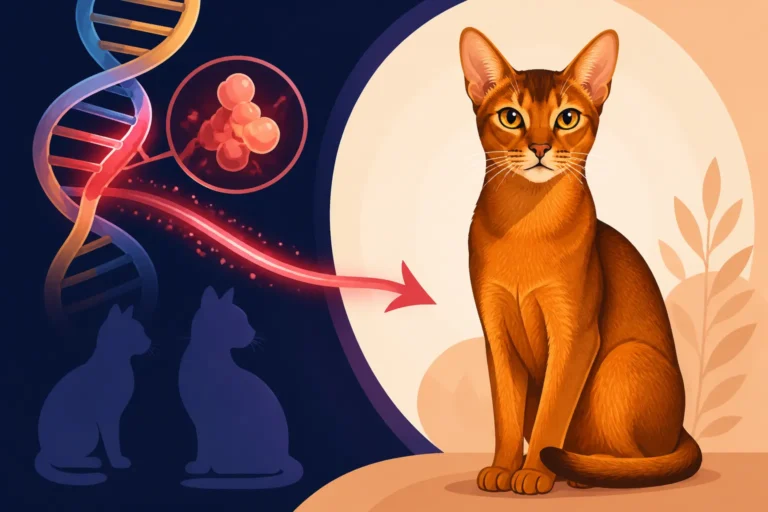
For Abyssinians, perhaps more than many other breeds, understanding their lineage is crucial, especially concerning renal amyloidosis. Because there isn't a direct genetic test for amyloidosis itself, reputable breeders meticulously track the health and longevity of their breeding lines, particularly looking for patterns of kidney disease. If a breeder can provide information about the lifespan and causes of death of the cat's parents, grandparents, and even great-grandparents, it offers invaluable insight into potential predispositions. This is a primary reason Why an Abyssinian Line's History Matters More Than Any Test available.
Don't be shy about asking your breeder detailed questions about kidney disease in their lines. A good breeder will be transparent about any instances of renal amyloidosis or other kidney issues in their cats, including when cats developed symptoms and how long they lived. They understand that this information is vital for responsible pet ownership and for the future health of the breed. Learning What an Abyssinian's Grandparents Reveal About Its Kidneys can truly empower you to be a more informed owner. While you can't guarantee your Abyssinian won't develop kidney disease, having this historical context helps you and your vet know what to monitor for and how aggressively to pursue early testing. Investing in preventative care and having pet insurance from a reliable provider like Healthy Paws can greatly alleviate the financial burden if kidney disease unfortunately does strike.
Managing the Diagnosis: What Happens Next?
If your Abyssinian does receive an early diagnosis of kidney disease, it’s not a death sentence, but a call to action. While kidney damage cannot be reversed, its progression can often be significantly slowed down with appropriate management. This typically involves dietary changes, medication, and sometimes fluid therapy. Your vet will work with you to create a personalized plan for your cat, focusing on maintaining their quality of life. Understanding How a Kidney Diet Buys an Abyssinian Time and whether Whether Fluids at Home Help an Abyssinian are important discussions to have with your veterinary team. Early detection truly provides the best chance for proactive management and a longer, happier life for your spirited Abyssinian.
Disclaimer
This guide provides general information and should not replace professional veterinary advice. Always consult with a qualified veterinarian for any health concerns or before making any decisions about your pet's care.