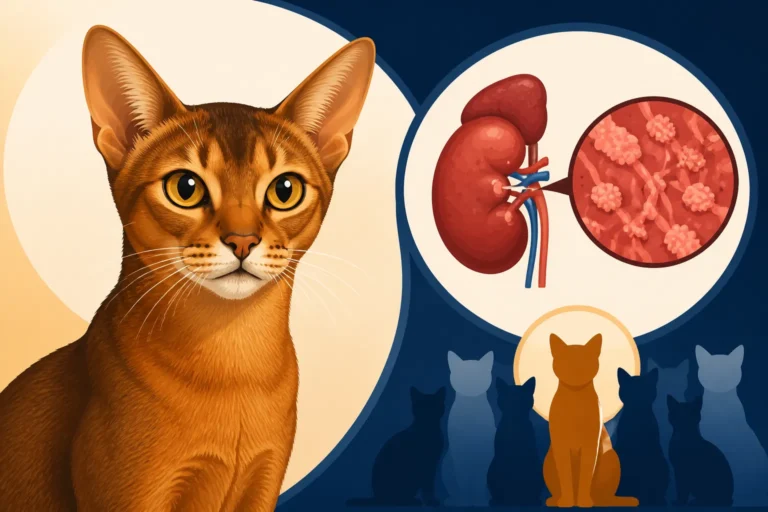
Which Urine Test Catches an Abyssinian’s Kidneys First
One of the most heartbreaking realities of being an Abyssinian owner is the quiet, insidious nature of kidney disease in this otherwise robust and vibrant breed. It often sneaks up on us, with our energetic felines masking their discomfort until the problem is quite advanced. This guide will walk you through the crucial urine test that can provide the earliest warning signs, helping you advocate for your beloved Aby and potentially buying them precious time.
The Abyssinian's Unique Vulnerability to Kidney Issues
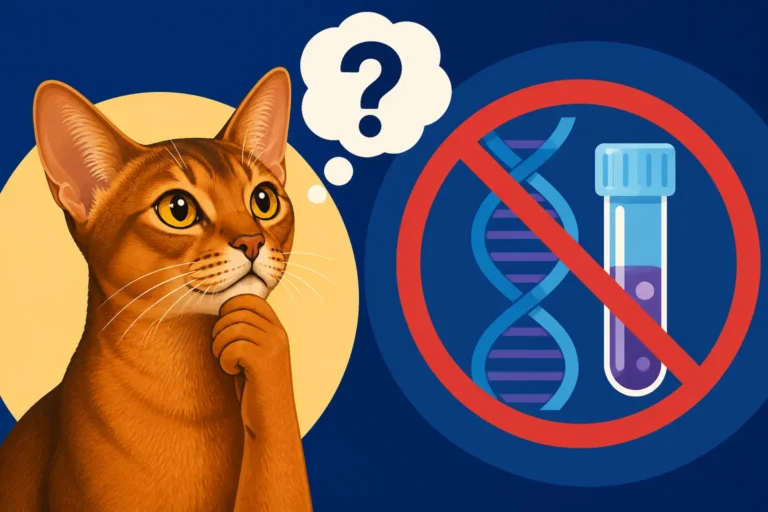
Abyssinians are known for their lively personalities and stunning ticked coats, but beneath that agile exterior lies a predisposition to certain health challenges, with kidney disease, particularly renal amyloidosis, being a significant concern. Unlike some other breed-specific conditions that have clear genetic tests, renal amyloidosis is the Abyssinian problem nobody can test for, making early detection through regular screening absolutely vital.
Understanding Renal Amyloidosis
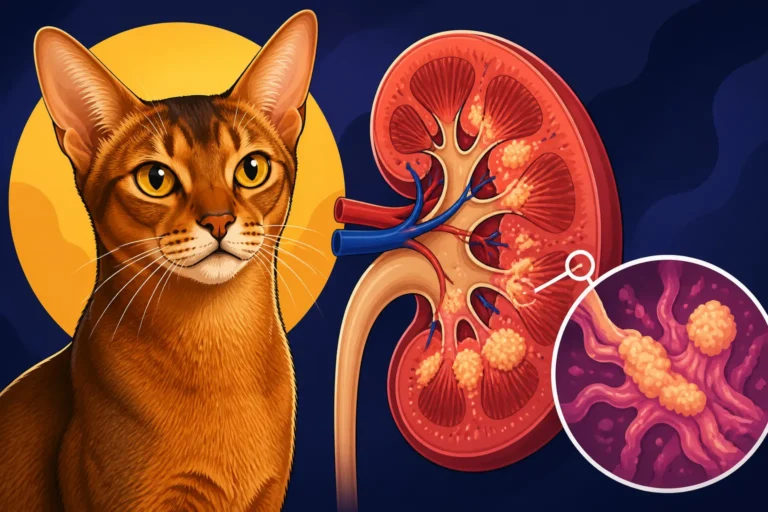
Renal amyloidosis is a complex and often devastating condition in Abyssinians where an abnormal protein, called amyloid, deposits in the kidneys. These amyloid deposits build up, gradually replacing normal kidney tissue and impairing the kidneys' ability to filter waste from the blood. Over time, this leads to kidney dysfunction and, eventually, full-blown kidney failure. You might wonder what amyloid is and why it reaches Abyssinian kidneys specifically; it's a protein misfolding disorder that is unfortunately more prevalent in this breed.
It's a frustrating reality for breeders and owners alike because there's no single genetic marker to screen for this specific form of amyloidosis, unlike, say, PK deficiency or PRA-rdAc. This means we can't simply test a kitten's DNA and get a "clear" result for kidney disease. Instead, we have to rely on proactive monitoring and understanding the subtle signs, as well as being aware of an Abyssinian line's history.
Why Kidney Disease Is So Hard to Spot Early
Abyssinians are masters of disguise when it comes to illness. Their natural energy and zest for life often mean they'll hide discomfort or weakness until they can no longer physically compensate. This stoicism is a double-edged sword: while it speaks to their resilience, it also means that by the time you notice overt symptoms like lethargy, decreased appetite, or significant changes in thirst and urination, their kidney function might already be severely compromised.
It's a common and heartbreaking scenario to realize why an Abyssinian's kidneys fail before its coat dulls or other obvious external signs appear. The initial changes are often internal and subtle, easily missed without specific diagnostic tools. Many owners are shocked to learn how young an Abyssinian can lose its kidneys, with cases sometimes appearing in cats as young as two or three years old, though it’s more common in middle-aged and senior Abyssinians. This makes early and consistent screening not just a good idea, but an absolute necessity for this breed.
The Urine Protein:Creatinine Ratio: Your First Line of Defense
When it comes to catching kidney disease early in an Abyssinian, before clinical signs are obvious and before major damage has occurred, the Urine Protein:Creatinine (UPC) ratio test is often considered the gold standard. This simple urine test can identify protein leaking into the urine, which is a key indicator of kidney damage, even when other blood values still look "normal."
What the UPC Ratio Measures
The UPC ratio is exactly what it sounds like: it compares the amount of protein in your cat's urine to the amount of creatinine. Creatinine is a waste product that's consistently produced and excreted by the kidneys. By comparing protein to creatinine, the test accounts for variations in urine concentration. A very dilute urine sample might naturally have less protein, but the ratio still tells you if protein is being lost inappropriately.
A healthy cat's kidneys are very efficient at holding onto protein, so there should be very little, if any, in the urine. When the kidneys are damaged, even subtly, they start to "leak" protein into the urine. This proteinuria, or excess protein in the urine, is often one of the first signs of trouble, preceding changes in blood values like creatinine or BUN that signal more advanced kidney failure. For an Abyssinian with its specific risks, understanding which urine test catches an Abyssinian's kidneys first is paramount.
Why UPC Trumps Basic Urinalysis Alone
While a standard urinalysis is always part of a routine check-up and can tell you about specific gravity, pH, and the presence of things like blood, sugar, or bacteria, it's not sensitive enough to catch early proteinuria. A dipstick test for protein in a standard urinalysis can give false positives or negatives, particularly in concentrated urine. The UPC ratio, on the other hand, is a much more precise, quantitative measurement.
Imagine you have a small leak in a dam. A basic visual inspection might not tell you much, but if you measure the rate at which water is escaping, you get a much clearer picture of the problem. That's essentially what the UPC ratio does for your cat's kidneys. It allows your vet to see the problem at a much earlier stage, potentially years before your Abyssinian would otherwise show symptoms, providing a critical window for intervention.
When to Test Your Abyssinian's UPC Ratio
The recommendation for Abyssinians, given their breed predisposition, is often to start annual UPC testing earlier than for other cats. While general guidelines might suggest starting around 7-9 years of age for most cats, many vets and breeders advocate for Abyssinians to have their first UPC ratio test around 3-5 years old, and then yearly thereafter. This proactive approach significantly increases the chances of catching any issues when they are most manageable.
If your Abyssinian exhibits any signs that might point to kidney trouble, such as increased thirst (why a thirsty young Abyssinian is a red flag!), increased urination, or subtle changes in appetite or energy, a UPC ratio should be performed immediately, regardless of age. Don't wait for your scheduled annual visit; these subtle shifts can be your cat's way of telling you something is amiss.
Interpreting UPC and Other Kidney Markers
Getting a UPC test is the first step, but understanding what the results mean, and how they fit into the bigger picture of your Abyssinian's kidney health, is equally important. Your vet will look at the numbers, but also consider them in context with other diagnostic tests.
What the Numbers Mean
A normal UPC ratio for a cat is generally considered to be less than 0.2. A ratio between 0.2 and 0.4 usually indicates "borderline" proteinuria, while a ratio greater than 0.4 is considered significant. However, it's crucial to remember that a single elevated result doesn't automatically mean kidney disease. There are other reasons for proteinuria, such as inflammation, infection, or even stress. Your vet will likely recommend a retest in a few weeks to confirm persistent proteinuria.
If the proteinuria is consistent and there's no clear underlying cause like a urinary tract infection, it strongly suggests a problem with kidney function. This is often the earliest signal that something is going wrong, even if your cat's blood work (creatinine and BUN) is still within normal limits.
The Role of SDMA and Creatinine
While UPC is fantastic for early detection, it's not the only test. Other blood markers are critical once kidney disease progresses. The Symmetric Dimethylarginine (SDMA) test is another relatively new and sensitive blood test that can detect kidney disease earlier than creatinine alone. How the SDMA value reads on an Abyssinian can give you valuable insight, often flagging kidney changes months or even years before creatinine levels rise.
Creatinine has long been the standard blood test for kidney function, but it's a late indicator. Because the kidneys have so much reserve capacity, creatinine levels typically only rise above the normal range once about 75% of kidney function has been lost. This is why a normal creatinine does not clear an Abyssinian of kidney concerns, especially if the UPC ratio or SDMA is elevated. Here's a quick comparison of these key kidney tests:
| Test Name | What it Measures | Why it's Important for Abyssinians | When it Typically Changes |
|---|---|---|---|
| Urine Protein:Creatinine (UPC) Ratio | Ratio of protein to creatinine in urine | First indicator of kidney damage; detects protein leakage. Crucial for early amyloidosis detection. | Earliest indicator |
| SDMA (Symmetric Dimethylarginine) | A waste product specific to kidney function | More sensitive than creatinine; detects kidney dysfunction earlier. | Earlier than creatinine (approx 25% loss) |
| Creatinine (Blood) | Waste product from muscle metabolism, kidney filtered | Traditional but late indicator of kidney failure. | Later, when ~75% function lost |
| BUN (Blood Urea Nitrogen) | Waste product from protein breakdown, kidney filtered | Also a late indicator, can be affected by diet/hydration. | Later, when significant function lost |
| Urine Specific Gravity (USG) | Measures urine concentration ability | Indicates kidneys' ability to concentrate urine; often decreases early in kidney disease. | Can change relatively early |
What to Do with an Elevated UPC Result
If your Abyssinian consistently has an elevated UPC ratio, your vet will work with you to rule out other causes and then develop a management plan. This might include further diagnostics like ultrasound, blood pressure monitoring, and adjustments to diet. The goal is to minimize further kidney damage and manage any symptoms.
Even if your Abyssinian seems completely fine, early detection gives you a huge advantage. It means you can start interventions, such as a kidney-supportive diet (how a kidney diet buys an Abyssinian time) or medications to reduce proteinuria, potentially slowing the progression of the disease. This proactive management is critical because, as we know, once significant kidney damage occurs, it's irreversible.
Long-Term Management and Monitoring
Living with an Abyssinian that has been diagnosed with early kidney disease isn't a death sentence, but it does mean a commitment to vigilant monitoring and proactive care. The good news is that with early detection, you can often significantly extend your Aby's quality of life.
Ongoing Veterinary Care
Your Abyssinian will likely need more frequent vet visits for monitoring. This typically involves regular blood work (including SDMA, creatinine, and phosphorus) and repeat UPC ratio tests. Your vet will track these trends over time to see how the disease is progressing and adjust treatment as needed. Remember, how a vet manages an Abyssinian in kidney failure is a dynamic process, constantly adapting to your cat's individual needs.
These frequent vet visits and ongoing tests can add up financially. This is where having pet insurance like Healthy Paws can truly be a lifesaver. Many owners find peace of mind knowing that a significant portion of these crucial diagnostic tests and long-term medications will be covered, allowing them to make decisions based on their cat's health rather than their wallet. It’s always best to have such coverage in place before any pre-existing conditions are diagnosed.
Dietary Adjustments and Hydration
Diet plays a crucial role in managing kidney disease. Your vet will likely recommend a prescription kidney diet, which is specifically formulated to be lower in protein, phosphorus, and sodium, and often supplemented with omega-3 fatty acids. These diets help reduce the workload on the kidneys and slow disease progression. It's a subtle change that can make a huge difference in how long an Abyssinian lives after amyloidosis shows.
Hydration is also incredibly important. Encourage your Abyssinian to drink more water by offering multiple water bowls, a pet fountain, or incorporating more wet food into their diet. Some cats may even require subcutaneous fluids at home if their kidney function significantly declines.
What the Future Holds
While a diagnosis of kidney disease is daunting, remember that Abyssinians are resilient. With early detection through tests like the UPC ratio, and dedicated management, many Abyssinians can live fulfilling lives for years after diagnosis. Being proactive, staying in close communication with your veterinarian, and having a good pet insurance plan from a provider like Healthy Paws, are your best tools in this fight. This journey highlights why an Abyssinian line's history matters more than any test for certain conditions, but for kidney disease, vigilant screening truly is your best weapon.
Disclaimer
This article is intended for informational purposes only and does not constitute medical advice. Always consult with a qualified veterinarian for any health concerns or before making any decisions about your Abyssinian's care.