Why Tooth Resorption Follows Abyssinian Gum Disease
It’s a heartbreaking reality for many Abyssinian owners: you feed your vibrant, energetic cat, only to notice them dropping bits of food, showing a subtle reluctance to chew on one side, or suddenly becoming withdrawn. Often, these subtle signs point to excruciating dental pain, a silent epidemic in our beloved Abyssinians, leading to a condition called tooth resorption. This guide will walk you through why tooth resorption so often follows gum disease in this unique breed, helping you understand the warning signs and how to protect your cherished companion.
The Silent Threat of Abyssinian Gum Disease
Gum disease, or periodontal disease, isn't just a bad breath issue; it's a gateway to far more serious health problems, especially for Abyssinians. Their oral health is notoriously delicate, making them particularly susceptible to the cascade of issues that can ultimately lead to tooth resorption. Many owners feel frustrated and helpless when they realize how quickly things can escalate, often without obvious symptoms until the pain is severe.
How Juvenile Gingivitis Sets the Stage
Many Abyssinian kittens are diagnosed with juvenile gingivitis before they even celebrate their first birthday. This isn't just "puppy breath"; it's a serious inflammation of the gums that can appear as early as six months of age. Imagine your little one, full of zest and curiosity, already battling sore, red, swollen gums. It’s a cruel start for such a spirited cat. While most cats might develop gingivitis later in life, the early onset in Abyssinians means their oral health is compromised from a very young age, setting a concerning precedent. This early vulnerability means that by the time they are just a year or two old, they might already have a battle scar in their mouth. Understanding Why an Abyssinian Kitten's Gums Fail at Six Months is crucial for any owner.
What begins as a redness along the gumline can quickly progress if not meticulously managed. The unique inflammatory response in Abyssinians means their gums react more aggressively to the presence of plaque and tartar. This isn't just poor hygiene; it's an inherent challenge for the breed. If you peer into your Abyssinian's mouth, you might notice a thin red line where the gum meets the tooth, or perhaps even a slightly puffy appearance. This isn't something to ignore, even if your cat is still eating normally. The bacteria harbored in that plaque are constantly irritating the gum tissue, and the longer it persists, the deeper the infection can go, creating pockets around the tooth roots where more bacteria can thrive, leading to painful infections and bone loss.
The Progression from Inflammation to Infection
Once gingivitis takes hold, it creates an environment ripe for further complications. The inflamed gums are a perfect breeding ground for bacteria, leading to a deeper infection known as periodontitis. This is where the supporting structures of the teeth—the ligaments and bone—start to break down. The constant bacterial assault, coupled with your Abyssinian’s specific immune response, means that the battle beneath the gumline can become a losing one without aggressive intervention. Owners often feel a surge of guilt when they realize the silent progression, feeling as though they've missed something, but the reality is that these changes are often hidden from plain view.
As the infection progresses, the gums may recede, exposing more of the tooth root, or conversely, in some Abyssinians, the gum tissue can become overgrown, completely burying portions of the teeth. This condition, known as gingival hyperplasia, is particularly common in Abyssinians and makes effective home dental care almost impossible. Why an Abyssinian's Gums Overgrow Its Teeth is a significant factor here. This overgrowth traps food particles and bacteria, exacerbating the inflammation and accelerating the destructive process. It's a vicious cycle that contributes directly to the weakening of the tooth structure and surrounding bone, paving the way for the insidious onset of tooth resorption.
Understanding Tooth Resorption in Abyssinians
Tooth resorption (TR) is a devastating condition where a cat's own body starts to break down and absorb its teeth. It's incredibly painful and surprisingly common, affecting a significant portion of the feline population, with certain breeds like the Abyssinian showing a higher predisposition. Many owners are blindsided by this diagnosis, having never heard of it, only to find their beloved cat is in agony.
What is Feline Tooth Resorption Feline Odontoclastic Resorptive Lesions
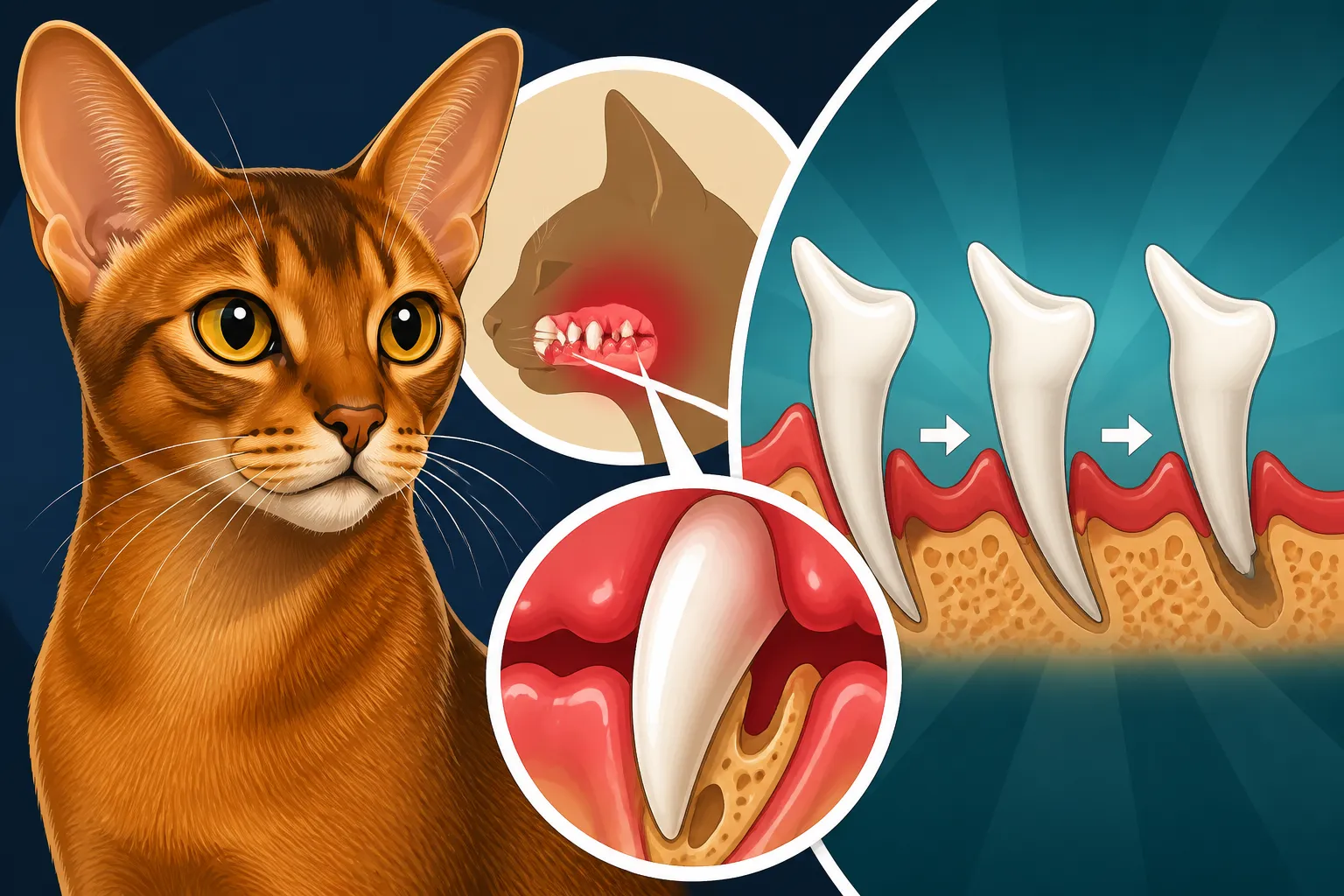
Often abbreviated as FORLs or TR, feline tooth resorption is a progressive, irreversible condition where specialized cells called odontoclasts, which are normally responsible for remodeling bone and tooth structure, begin to destroy the tooth from the inside out. These lesions can occur anywhere on the tooth, but are most commonly found at or below the gumline. Imagine the enamel and dentin of your cat's teeth slowly eroding, much like cavities, but far more aggressive and painful. Unlike human cavities, which are caused by external factors, tooth resorption is an internal process, often starting unnoticed beneath the gums. This makes it incredibly difficult to spot without a professional dental exam under anesthesia, complete with X-rays.
The early stages might present as small, pinkish lesions on the tooth surface, or simply a roughened texture that you might miss entirely. As the resorption progresses, it creates crater-like defects in the tooth, eventually leading to structural weakness, nerve exposure, and immense pain. It's a cruel irony that your cat's own body turns against its teeth. Because Abyssinians often have ongoing gum inflammation, this chronic irritation may act as a trigger, signaling these odontoclast cells to become overactive and start attacking the tooth itself.
The Pain and Hidden Suffering
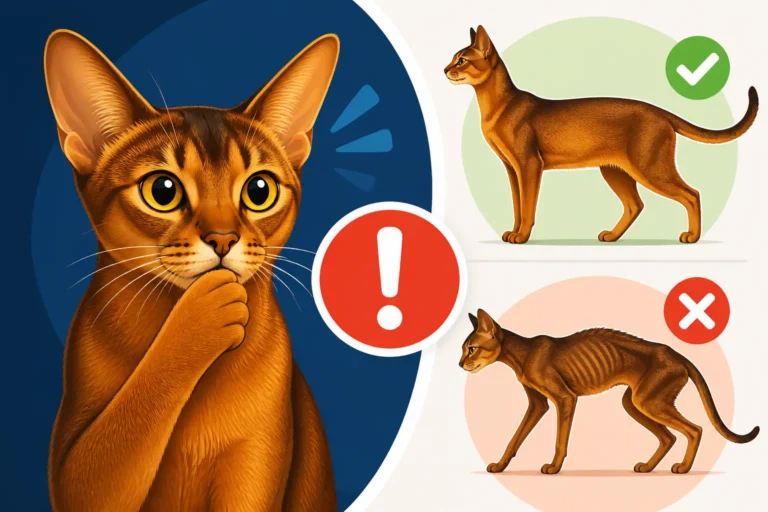
Cats are masters of disguise when it comes to pain. Their survival instincts tell them to hide any weakness, and dental pain is no exception. An Abyssinian suffering from tooth resorption might not cry out or refuse to eat entirely. Instead, you might notice subtle changes: a preference for soft food, chewing only on one side of their mouth, drooling, pawing at their mouth, or simply becoming a bit quieter and less enthusiastic about play. Some might chatter their teeth when they try to eat, a clear sign of discomfort. Sometimes, owners notice their usually voracious Abyssinian suddenly becomes a picky eater or drops food while eating. This can be a strong indicator of dental pain.
The pain from tooth resorption can be intense. Imagine having a severe cavity constantly exposed or a tooth that feels like it’s being slowly dissolved. This constant discomfort can drastically impact your Abyssinian’s quality of life, affecting their mood, energy levels, and even their willingness to interact. What might appear as minor behavioral shifts—less climbing, less running, or simply resting more—can actually be direct manifestations of chronic pain. Owners often recount the moment after a painful tooth is extracted: their cat, who they thought was "just getting older," suddenly acts like a kitten again, reminding them of the true extent of the hidden suffering. This is why addressing dental health proactively is so vital for the vibrant The Twelve to Fifteen Years an Abyssinian Usually Gets.
Why Abyssinian Anatomy Makes Them Vulnerable
It's not just bad luck that Abyssinians are so prone to dental issues; their unique genetic makeup and oral anatomy play a significant role. This breed, known for its sleek lines and energetic personality, also carries certain predispositions that make them a prime candidate for gum disease and subsequent tooth resorption.
The Genetic Predisposition to Gum Overgrowth
One of the key factors contributing to the Abyssinian's dental woes is a genetic predisposition to exaggerated inflammatory responses in the mouth, often leading to a condition called juvenile gingival hyperplasia. This is not merely inflammation; it's an actual overgrowth of the gum tissue, sometimes so severe that it can completely cover parts of their teeth. It's as if their gums are trying to engulf their teeth, making them a nightmare to keep clean and a haven for bacteria. This characteristic can leave owners feeling helpless, as even the most diligent home care struggles to penetrate these deep, unhealthy folds of tissue.
This specific breed trait means that even with excellent dental hygiene from a young age, many Abyssinians will still develop significant gum issues. The overgrowth creates tiny pockets and crevices where food particles and bacteria can easily become trapped, leading to persistent inflammation that fuels the progression to periodontitis and, ultimately, makes the teeth vulnerable to resorption. This chronic inflammation seems to act as a constant irritant, potentially triggering the abnormal activity of the odontoclast cells responsible for tooth destruction. Understanding this inherent vulnerability is key to preparing for the specialized care your Abyssinian may need.
Impact of Tooth Structure and Jaw Shape
Beyond the gum tissue, the very structure of an Abyssinian's teeth and the shape of their jaw might also contribute to their susceptibility. While research is ongoing, some veterinary dentists speculate that certain breed-specific dental characteristics could play a role. For example, some Abyssinians may have more crowded teeth or slightly different angulation, which can make them harder to clean effectively, even with professional scaling. Imagine trying to clean between tightly packed objects; it's much harder to reach every nook and cranny.
This structural nuance can lead to plaque and tartar accumulation in areas that are difficult to access, accelerating gingivitis and periodontitis. The persistent inflammation at the gumline, coupled with the potential for subtle structural weaknesses in the tooth enamel or dentin, could provide the perfect storm for tooth resorption to develop. While these factors are less understood than the gum overgrowth, they highlight that Abyssinian dental health is a complex puzzle, requiring a comprehensive approach from an early age. It’s not just about brushing; it’s about understanding a predisposed system. Owners should also be aware of Why an Abyssinian Loses Teeth Younger Than Most Cats.
Early Detection and Management Are Key
Given the Abyssinian's inherent vulnerabilities, being proactive about their dental health is paramount. Owners often feel overwhelmed by the potential costs and complexity, but with vigilance and consistent care, you can significantly improve your cat's quality of life and potentially prevent or slow the progression of tooth resorption.
Signs Your Abyssinian Might Be Suffering
Catching dental issues early is crucial, but it’s often easier said than done with a cat that excels at hiding discomfort. Beyond the obvious bad breath, look for subtle shifts in behavior. Is your normally boisterous Abyssinian a bit quieter than usual? Does she hesitate before jumping onto her favorite perch? Even a slight change in grooming habits, such as over-grooming one side of her face or avoiding face washing, can be a red flag. Pay close attention during meal times: is she dropping kibble, chewing primarily on one side, or avoiding hard treats she once loved? Sometimes, the first sign might be a tiny amount of blood on a chew toy or in her water bowl. These are not just quirks; they are often silent pleas for help.
Other signs can include reduced appetite (though sometimes they eat more soft food to avoid pain), weight loss, drooling, or a general reluctance to let you touch their face. While a Why a Lean Abyssinian Hides Illness Longer Than a Heavy Cat may be less obvious in their weight, their energy levels will still tell a story. If you can manage a quick peek inside their mouth, look for red, swollen, or bleeding gums, especially where the gum meets the tooth. You might also spot missing teeth, or small, red "donut" lesions on the tooth surface near the gum line. Any of these signs warrant an immediate veterinary visit.
Preventative Measures and Dental Care
While some predisposition to gum disease and tooth resorption is genetic, there's a lot you can do at home to support your Abyssinian's oral health. The cornerstone of prevention is daily toothbrushing. Starting this routine when your Abyssinian is a kitten can make a world of difference. Use a pet-specific toothbrush and enzymatic toothpaste; never human toothpaste. Even if it feels like a battle initially, persistence often pays off. For practical guidance, refer to Why Home Dental Care Starts Early in an Abyssinian.
Beyond brushing, consider incorporating dental-specific diets or dental treats that have been approved by the Veterinary Oral Health Council (VOHC). These products are scientifically proven to reduce plaque and tartar buildup. Water additives designed to support oral health can also be helpful, though they are not a substitute for brushing. Regular check-ups with your veterinarian, including thorough oral examinations, are crucial, especially as your Abyssinian approaches middle age. Remember, prevention is always less painful and less costly than treatment.
Here's a quick overview of how dental disease typically progresses:
| Stage of Dental Disease | Description | Visible Signs (if any) | Associated Pain Level | Potential Outcome |
|---|---|---|---|---|
| Stage 1: Gingivitis | Mild inflammation of the gums due to plaque accumulation. Reversible. | Redness, swelling along gumline. Minor bad breath. | Mild | Can progress to periodontitis if untreated. |
| Stage 2: Early Periodontitis | Inflammation extends below the gumline, early bone loss. Irreversible. | Increased redness, swelling, more noticeable bad breath. Some gum recession. | Moderate | Progression to tooth mobility, deeper infection, potential for tooth resorption. |
| Stage 3: Moderate Periodontitis | Significant inflammation, moderate to severe bone loss, formation of gum pockets. | Gums bleed easily, severe bad breath, loose teeth. Visible tartar. | Moderate to Severe | Abscesses, tooth loss, higher risk of tooth resorption. |
| Stage 4: Severe Periodontitis | Extensive bone loss, severe infection, deep pockets, pus. | Very loose teeth, severe pain, pus from gums, difficulty eating. | Severe | Tooth extraction almost certain. High risk of systemic infection. |
| Tooth Resorption | Body's cells destroy tooth structure. Can occur at any stage, often linked to chronic inflammation. | Pink spots on tooth, missing tooth structure, exposed pulp. Can be hidden under gums. | Severe | Leads to tooth extraction to relieve pain. |
Professional Intervention and Long-Term Care
Despite your best efforts at home, most Abyssinians will need professional dental cleanings under anesthesia at some point. These cleanings allow your vet to thoroughly scale and polish teeth above and below the gumline, removing hardened tartar and addressing deep bacterial pockets. Crucially, professional cleanings also involve dental X-rays, which are absolutely vital for diagnosing tooth resorption. These lesions often start inside the tooth or below the gumline, making them invisible to the naked eye. An X-ray is the only way to catch them early.
If tooth resorption is diagnosed, the only effective treatment is extraction of the affected tooth. This might sound drastic, but it's the only way to alleviate the intense pain your cat is experiencing. Your veterinarian may also recommend a gingivectomy if gum overgrowth is severe. What a Gingivectomy Involves for an Abyssinian can provide further insight. This proactive approach, while sometimes costly, is an investment in your Abyssinian's comfort and long-term health. The expense of these procedures, including anesthesia, X-rays, and extractions, can be significant. This is where having pet insurance like Healthy Paws can truly make a difference, helping to cover a substantial portion of the costs and ensuring you can make the best medical decisions for your furry family member without financial stress. Many owners regret not getting insurance earlier when facing a large dental bill.
Even after extractions, ongoing preventative care at home and regular veterinary check-ups remain essential to monitor the remaining teeth and prevent new issues. Some Abyssinians may require yearly dental cleanings, or even more frequently, depending on the severity of their condition and their individual response to treatment. Be prepared for a lifetime commitment to their oral health; it's one of the most important aspects of ensuring your Abyssinian lives a long, happy, and pain-free life. It also helps to consider Why Abyssinian Dental Work Is the Biggest Line in the Budget when planning your finances. Another good resource for understanding costs and making informed decisions is What an Abyssinian Costs to Keep Every Year.
Dental health is often overlooked, but for an Abyssinian, it's a foundational pillar of their overall well-being. By understanding the unique challenges of the breed and committing to consistent care, you can help your Abyssinian avoid the excruciating pain of tooth resorption and enjoy a vibrant life. Consider preventative wellness plans or pet insurance from providers like Healthy Paws to help manage the often-unforeseen costs of comprehensive dental care.
Disclaimer
This article is for general informational purposes only and does not constitute professional advice. Laws, prices and regulations vary by location and change over time. Consult a qualified professional for guidance on your specific situation.