What Happens During an Abyssinian’s Dental Under Anesthetic
It’s a scenario many Abyssinian owners face: you notice a subtle change in your cat’s breath, maybe a slight hesitation when they eat their kibble, and suddenly you’re staring down the barrel of a necessary dental procedure. The thought of your vibrant, energetic companion going under anesthesia for a dental can be incredibly daunting, filled with worries about safety and the unknown. This guide aims to pull back the curtain on what actually happens during an Abyssinian’s dental under anesthetic, so you feel fully prepared and informed.
Why Dental Health is Such a Big Deal for Abyssinians
Abyssinians, for all their athletic grace and playful antics, are unfortunately prone to certain dental issues that make regular care and professional intervention critical. It’s not just about bad breath; poor oral health can lead to significant pain, infection, and even impact their overall systemic health. Many owners don't realize the extent of the problem until it's quite advanced, largely because our cats are masters at hiding discomfort.
The Unique Challenges of Abyssinian Gums
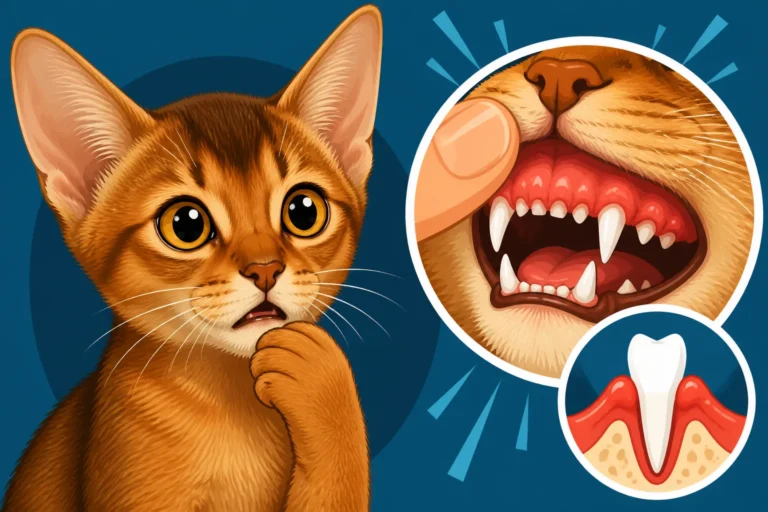
One of the most common and frustrating dental problems we see in Abyssinians, particularly kittens and young adults, is a condition called juvenile gingivitis or hyperplastic gingivitis. Imagine your cat's gums becoming so inflamed and overgrown that they start to cover parts of their teeth, creating little pockets where food and bacteria can fester. This isn't just a mild irritation; it's a serious condition that can be incredibly painful and predispose them to other, more severe issues like periodontitis and tooth resorption. Owners often report their kittens having Why an Abyssinian Kitten's Gums Fail at Six Months which highlights just how early these problems can start.
This overgrowth isn't just cosmetic. These deep pockets become a haven for plaque and tartar, accelerating the progression of gum disease. Unlike some breeds where gum issues are a slow burn, in Abyssinians, it can feel like it flares up quickly, leaving you scrambling to understand why your otherwise healthy cat is suddenly struggling to eat. It's a cruel twist, given how active and food-motivated these cats usually are.
Spotting the Subtle Signs of Dental Trouble
Because Abyssinians are so good at masking pain, catching dental problems early can feel like finding a needle in a haystack. They might still eat, play, and interact, even while experiencing significant oral discomfort. However, there are subtle clues if you know what to look for. Beyond the obvious bad breath, you might notice them chewing on one side of their mouth, dropping food more often, or showing a preference for softer foods. Sometimes, they'll become a little more withdrawn, less enthusiastic about play, or even groom themselves less, particularly around their face.
A classic sign that often goes unnoticed until a vet points it out during a routine check-up is redness along the gum line, especially where the tooth meets the gum. Swelling, bleeding, or even tiny abscesses are also red flags. If your Abyssinian has Why an Abyssinian Drops Food While Eating, it’s highly indicative of oral pain, and it’s time to schedule a vet visit. Don't wait until they completely stop eating, as that usually means the problem is already severe. Early detection can mean less invasive treatment and a quicker recovery.
The Pre-Anesthetic Journey: Getting Your Abyssinian Ready
Before any anesthetic procedure, a thorough assessment is absolutely paramount. Vets aren't just looking at their teeth; they're looking at your Abyssinian's entire health profile to ensure they can safely undergo anesthesia. This stage is crucial for identifying any underlying risks and tailoring the anesthetic protocol specifically for your cat.
The Initial Vet Consultation and Assessment
Your journey begins with a detailed physical examination by your veterinarian. They’ll assess your Abyssinian's overall health, listen to their heart and lungs, and meticulously examine their mouth. This initial oral exam, though often limited in a conscious cat, can reveal visible tartar, gingivitis, missing teeth, or even suspicious masses. They'll grade your cat's dental disease, usually on a scale from 0 (normal) to 4 (severe periodontitis with bone loss), to help determine the extent of the upcoming procedure.
This is also your opportunity to discuss any concerns you have, provide a detailed history of your cat's eating habits, energy levels, and any changes you've observed. The vet will explain the procedure, potential risks, and the estimated costs involved. It’s important to ask all your questions, no matter how small they seem. Understanding the plan helps alleviate much of the anxiety surrounding the big day. Knowing What an Abyssinian's Annual Checkup Costs can help you prepare for these routine visits that often flag dental issues.
Understanding Pre-Anesthetic Bloodwork and Risks
No vet worth their salt will put a cat under general anesthesia without pre-anesthetic bloodwork. This isn't just an upsell; it's a critical safety measure. These tests evaluate your Abyssinian's kidney and liver function, red and white blood cell counts, and electrolyte balance. Why? Because the liver and kidneys are responsible for processing and eliminating anesthetic drugs from the body. If these organs aren't functioning optimally, it significantly increases the risk of complications during and after anesthesia. For an Abyssinian, who can be predisposed to conditions like Renal Amyloidosis Is the Abyssinian Problem Nobody Can Test For and What Kidney Failure Looks Like in a Young Abyssinian, these tests are particularly important for catching any underlying issues that might affect anesthetic safety.
Your vet might also recommend additional tests like a urinalysis, an ECG (electrocardiogram) to assess heart function, or even a pre-anesthetic chest X-ray, especially for older cats or those with suspected heart or lung conditions. Based on these results, the veterinary team can choose the safest anesthetic agents and protocols, minimizing risks and maximizing a smooth recovery. While anesthesia always carries some risk, modern veterinary anesthesia, guided by thorough pre-screening, is remarkably safe, even for older cats. This is where pet insurance providers like Healthy Paws can truly make a difference, covering a significant portion of these diagnostic tests and the dental procedure itself, making comprehensive care more accessible.
The Dental Procedure Itself: What Happens Behind the Scenes
Once your Abyssinian is cleared for anesthesia, the real work begins. It’s far more involved than just a quick scrape and polish; it's a comprehensive oral health procedure designed to diagnose and treat issues that are often invisible to the naked eye.
Anesthesia and Monitoring: Safety First
On the day of the procedure, your Abyssinian will typically be admitted to the clinic in the morning. They’ll usually need to fast for several hours beforehand to prevent aspiration during anesthesia. Once settled, a veterinary technician will place an intravenous (IV) catheter, usually in a front leg. This allows for direct administration of fluids, medications, and anesthetic drugs, and provides immediate access in case of an emergency.
Next, pre-medication is given to help calm them, reduce anxiety, and provide initial pain relief, making the induction of anesthesia smoother and requiring less anesthetic gas. Once sedated, an anesthetic induction agent is given through the IV catheter, and an endotracheal tube is gently placed into their windpipe to maintain an open airway and deliver anesthetic gas and oxygen. Throughout the entire procedure, your Abyssinian's vital signs will be meticulously monitored by a dedicated veterinary nurse or technician. This includes heart rate, respiratory rate, blood pressure, oxygen saturation, temperature, and CO2 levels. Advanced monitoring equipment, much like what’s used in human hospitals, provides real-time data, allowing the vet team to adjust anesthetic levels and ensure your cat remains stable and safe. This continuous monitoring is a key reason why anesthetic dentals are so safe.
Full Mouth X-Rays: Seeing Beneath the Surface
This is a critical step that differentiates a truly comprehensive dental from a superficial cleaning. Over 60% of dental disease in cats lies below the gum line, hidden from view. Without dental X-rays, problems like bone loss, root resorption (which is incredibly common and painful in cats), abscesses, unerupted teeth, or fractures would go completely undetected. Your vet will take a full set of radiographs, often 10-15 images, to get a complete picture of every tooth root and the surrounding bone.
These X-rays are invaluable. For example, you might see a tooth that looks perfectly fine on the surface, but the X-ray reveals severe root resorption, making extraction necessary to relieve pain your Abyssinian has been silently enduring. Or, they might show deep pockets of infection around a tooth that could lead to widespread problems if left untreated. This stage allows the vet to create a precise treatment plan, ensuring no painful hidden conditions are missed.
Scaling, Polishing, and Fluoride Treatment
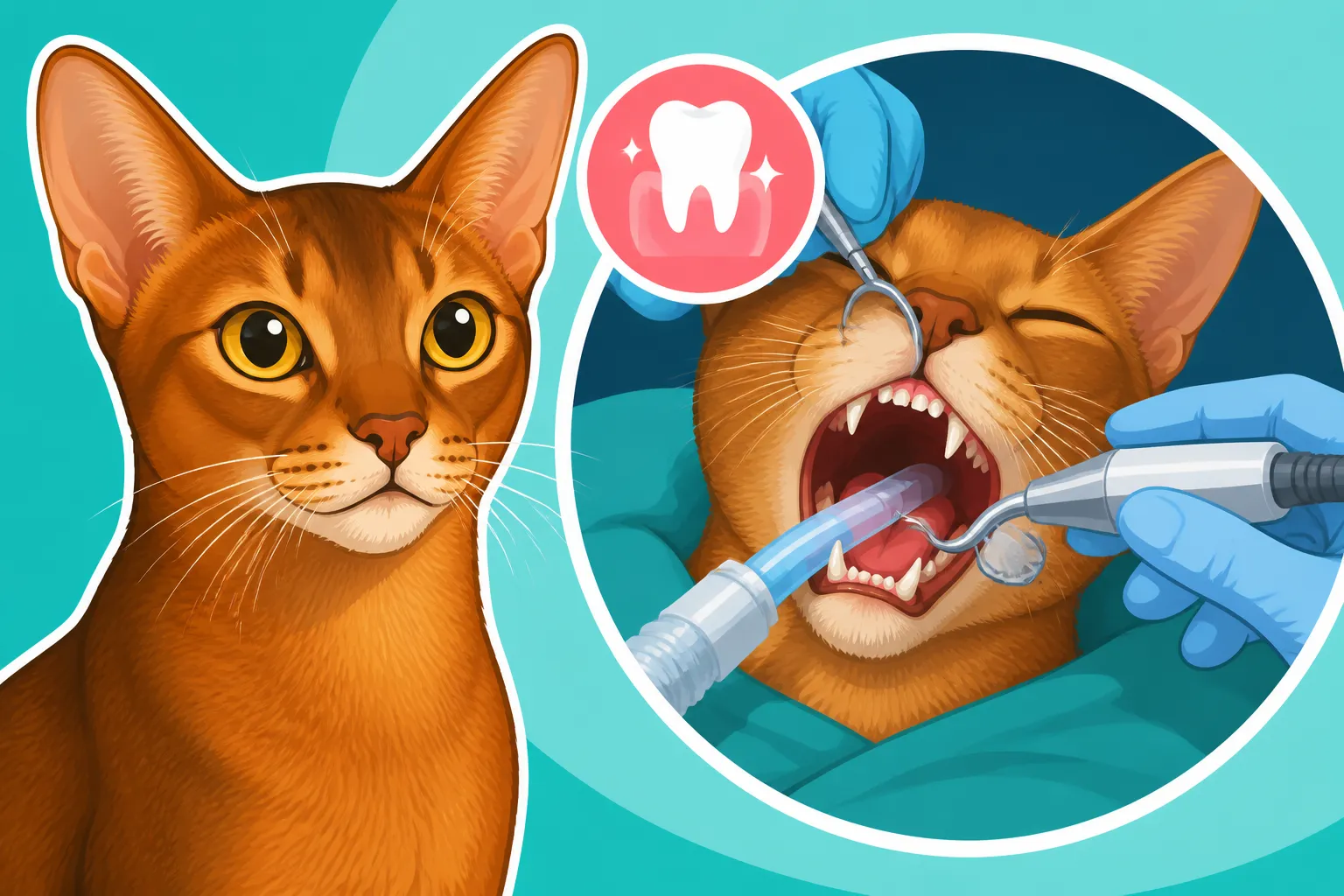
Once the X-rays are reviewed, the visible part of the cleaning begins. Using specialized ultrasonic scalers, similar to what your own dentist uses, the veterinary team meticulously removes plaque and tartar from above and below the gum line. This involves careful work, often irrigating the gum pockets to flush out debris and bacteria. Hand instruments are then used for fine-tuning, getting into crevices the ultrasonic scaler might miss.
After scaling, the teeth are polished. This is more than just making them shiny; polishing smooths the microscopic scratches created by scaling, making it harder for plaque to adhere to the tooth surface in the future. Finally, a fluoride treatment may be applied. Fluoride helps strengthen tooth enamel and reduce sensitivity, providing an extra layer of protection. This thorough cleaning process is designed not just to remove visible grime but to create a healthier oral environment for your Abyssinian. For an Abyssinian often prone to Why an Abyssinian's Gums Overgrow Its Teeth, this meticulous cleaning is essential.
Extractions and Advanced Dental Work
If the X-rays or visual inspection reveal diseased or damaged teeth, extractions become necessary. This is often the most anxiety-inducing part for owners, but it’s crucial for your cat’s long-term health and comfort. A diseased tooth, even if it looks okay, can be a constant source of pain and infection. Vets will perform extractions carefully, using specialized surgical techniques to minimize trauma to the jawbone and surrounding tissues. Sometimes, a gingivectomy is needed to trim away overgrown gum tissue, especially in younger Abyssinians with hyperplastic gingivitis. You might remember reading about What a Gingivectomy Involves for an Abyssinian and how it addresses this specific breed concern.
After an extraction, the gum tissue is often sutured closed to promote healing. Pain management is a top priority throughout this process. Local anesthetic blocks (nerve blocks) are administered around the extraction sites before they wake up, providing targeted, long-lasting pain relief that significantly improves their comfort during the immediate recovery period. Your vet will also prescribe oral pain medication to continue at home. Don’t be surprised if your Abyssinian comes home missing a few teeth; it's almost always a sign that their quality of life will be vastly improved without those painful, diseased teeth.
Post-Dental Care: Bringing Your Abyssinian Home and Recovery
The dental procedure doesn't end when the scaling is done. The care your Abyssinian receives immediately after and at home is just as vital for a smooth recovery and maintaining their improved oral health.
Immediate Post-Op Care at the Clinic
Once the dental procedure is complete, your Abyssinian is gently moved to a recovery area. They'll remain under close supervision as they slowly wake up from anesthesia. The veterinary team will ensure they stay warm, monitor their vital signs until they are stable, and provide any necessary post-operative pain relief. They'll also monitor for any signs of discomfort or complications.
The IV catheter typically remains in place until your cat is fully awake and stable, allowing for continued fluid support and easy administration of medications. Your vet or veterinary nurse will call you to provide an update on how the procedure went, how many teeth, if any, were extracted, and when you can expect to pick up your cat. This call is a huge relief for many owners, finally getting the news they've been waiting for. It’s also a good time to ask any last-minute questions about home care.
Bringing Your Abyssinian Home: The First 24 Hours
When you pick up your Abyssinian, they might still be a little groggy, disoriented, or even a bit irritable from the anesthesia and pain medication. This is entirely normal. They might stumble a bit, seem sleepy, or even be extra cuddly or withdrawn. Make sure you have a quiet, comfortable, and warm space ready for them, perhaps a small room where they can relax without too much stimulation. Offer soft, easily digestible food and fresh water. If they've had extractions, avoid hard kibble for a few days to a week, or as advised by your vet.
It's crucial to follow your veterinarian's instructions regarding pain medication and any antibiotics precisely. Administering these on schedule will keep your Abyssinian comfortable and prevent infection. Keep a close eye on their appetite, thirst, and litter box habits. While some cats bounce back very quickly, others might take a day or two to fully return to their normal energetic selves. If you notice excessive bleeding from the mouth, persistent vomiting, severe lethargy, or a complete refusal to eat or drink for more than 24 hours, contact your vet immediately.
Long-Term Recovery and Prevention
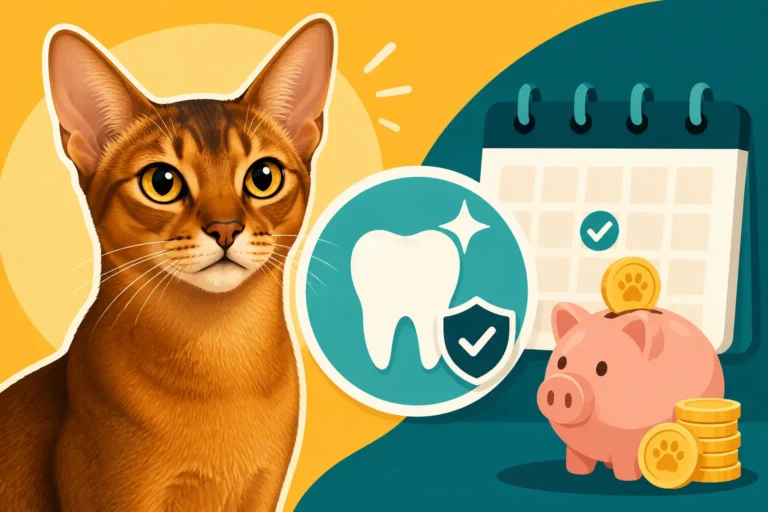
The real long-term benefit of an anesthetic dental comes with consistent home care. This means embracing a routine of regular tooth brushing. It might sound impossible with an Abyssinian, but with patience and positive reinforcement, many cats tolerate it. Starting early, even as a kitten, by introducing a Which Toothbrush Suits an Abyssinian and cat-specific toothpaste can make a huge difference. Daily brushing is ideal, but even a few times a week can significantly slow down plaque accumulation.
Beyond brushing, your vet might recommend specific dental diets, water additives, or dental chews designed to help maintain oral hygiene. Remember, these are supplementary; they don't replace brushing or regular professional cleanings. Schedule follow-up appointments as recommended by your vet to monitor their oral health. Many Abyssinians will need yearly or bi-yearly professional dental cleanings to stay on top of issues, especially if they are prone to rapid plaque buildup or gum overgrowth. Investing in ongoing dental care is one of the best ways to ensure your Abyssinian enjoys a pain-free life and can keep climbing and playing for years to come. Pet insurance plans from providers like Healthy Paws can be instrumental here, helping to manage the recurring costs of these essential procedures.
| Stage of Dental Procedure | Description | Purpose |
|---|---|---|
| Pre-Anesthetic Assessment | Physical exam, bloodwork, possibly urinalysis/ECG. | Evaluate overall health, identify underlying risks, tailor anesthetic protocol. |
| Anesthesia Induction & Monitoring | IV catheter placement, pre-medication, intubation, constant monitoring of vitals (heart rate, BP, oxygen, temperature, CO2). | Safely induce and maintain anesthesia, ensure patient stability throughout procedure. |
| Full Mouth Dental X-rays | Comprehensive X-rays of all teeth and surrounding bone structures. | Detect hidden disease below the gum line (resorption, abscesses, bone loss) not visible during oral exam. |
| Scaling & Polishing | Ultrasonic scaling to remove plaque/tartar above and below gum line, followed by polishing to smooth tooth surfaces. | Remove bacterial deposits, prevent future plaque adhesion, improve oral hygiene. |
| Extractions & Advanced Work | Removal of diseased or damaged teeth, gingivectomy for overgrown gums, nerve blocks, suturing. | Eliminate sources of pain and infection, promote healing, restore comfort. |
| Recovery & Post-Op Care | Monitored wake-up, pain medication, fluid support, discharge instructions, take-home meds. | Ensure smooth recovery, manage pain, prevent infection, provide guidelines for home care. |
Disclaimer
This guide is intended for informational purposes only and does not substitute for professional veterinary advice. Always consult with a qualified veterinarian regarding your Abyssinian's health concerns and before making any decisions about their medical care.