Why a Lean Abyssinian Puts Less Load on Its Joints
Abyssinian cats are known for their boundless energy, acrobatic feats, and incredible athleticism. While their zest for life is captivating, this constant motion puts significant demands on their bodies, particularly their joints. If you've ever worried about the long-term health of your high-flying Aby, understanding how weight impacts their joints is crucial – and this guide is here to shed light on why a lean Abyssinian puts less load on its joints, helping you keep your feline friend healthy and active for years to come.
The Abyssinian's Active Lifestyle and Joint Health
There's no denying that Abyssinians are powerhouse cats. They’re not content to simply lounge on the sofa all day; they're explorers, climbers, and jumpers extraordinaire. This incredible athleticism is part of what makes them so beloved, but it also means their joint health needs careful consideration.
The Energetic Nature of Abyssinians
Imagine living with a miniature, four-legged gymnast. That's essentially an Abyssinian. From the moment they wake up, they're on the move, scaling the highest cat tree, leaping onto bookshelves, and dashing through the house in dizzying circuits. This isn't just a kitten phase; many Abyssinians retain this incredible energy well into their senior years. This means their joints – knees, hips, elbows, and even their spine – are constantly engaged, absorbing impacts from jumps, twists, and high-speed maneuvers.
Think about a typical day for an Aby. They might launch themselves from the floor to the top of a five-foot cat tree, only to pounce down the side to chase a toy mouse, then spring onto your shoulder for a cuddle. All these actions require flexible, strong joints to perform smoothly and without pain. Each landing, each twist, creates a micro-impact that the joint cartilage and surrounding ligaments must withstand. While their bodies are wonderfully designed for this, continuous stress, especially compounded by external factors, can lead to premature wear and tear. If you've ever wondered how much play an Abyssinian needs each day, you'll know it's a lot, and all that activity adds up.
Common Joint Issues in Active Cats
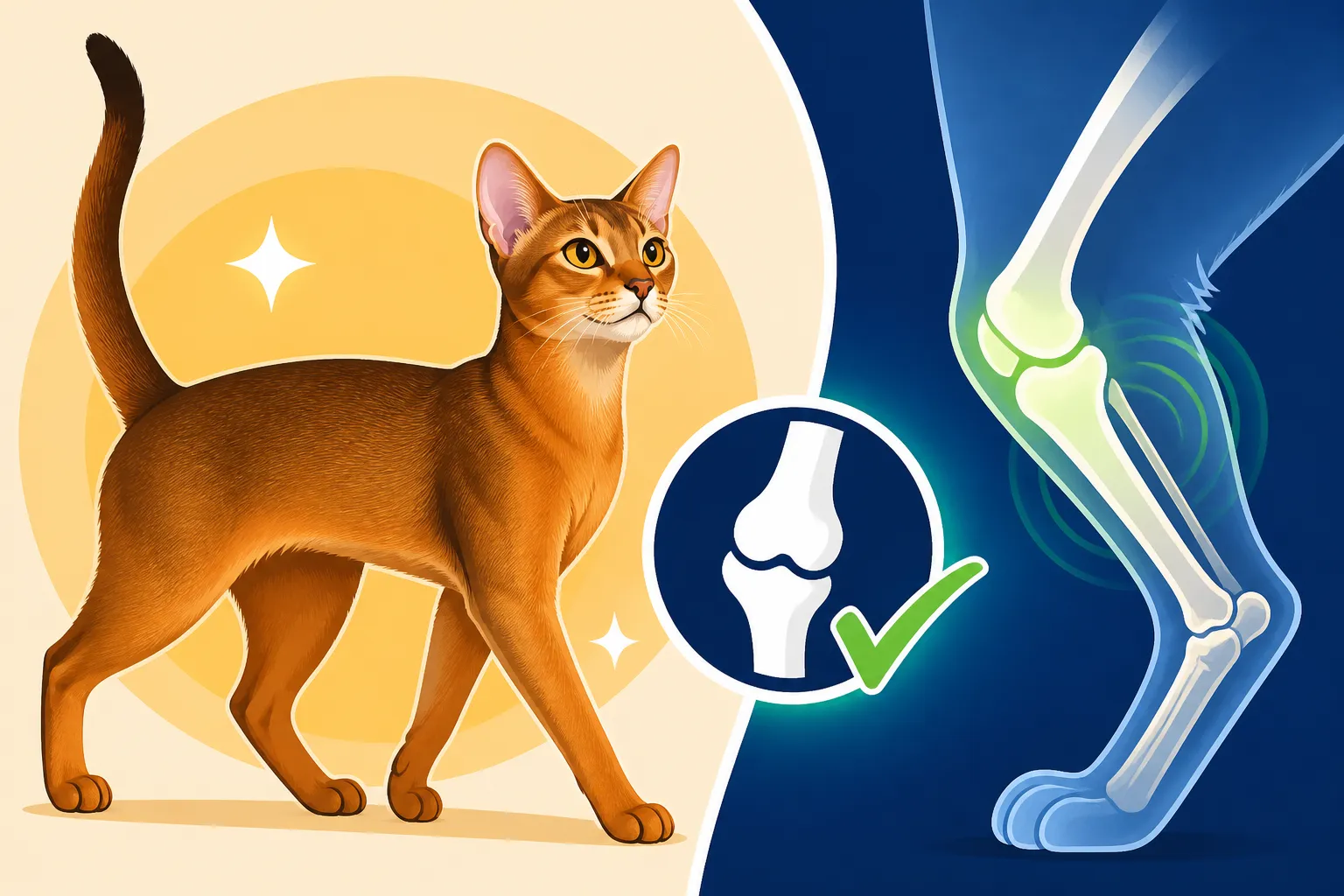
While Abyssinians are generally a robust breed, their active nature, combined with genetic predispositions, can sometimes lead to specific joint challenges. Conditions like patellar luxation, where the kneecap slips out of place, can affect them, often becoming more problematic if the cat isn't at an ideal weight. Arthritis, a degenerative joint disease, can also strike as they age, causing pain and stiffness. Even without a specific diagnosis, the sheer volume of movement over a lifetime can lead to general wear and tear on the cartilage, the smooth tissue cushioning the ends of bones within a joint.
Many owners don't realize that even seemingly minor joint discomfort can severely impact a cat's quality of life. An Abyssinian who suddenly stops climbing or jumping to its usual spots might not be "slowing down" but rather experiencing pain. The tricky part is that cats are masters at hiding illness, so by the time obvious lameness or reluctance to move appears, the underlying issue might be quite advanced. This is why paying close attention to their subtle behaviors and maintaining optimal health is so critical.
The Mechanics of Weight and Joint Stress
It might seem obvious that carrying extra weight isn isn't good for joints, but understanding why this is particularly pertinent for an Abyssinian's active frame helps underscore the importance of keeping them lean. Every extra ounce puts additional strain on the delicate structures that allow for their signature agility.
How Excess Weight Impacts Cartilage and Ligaments
Imagine putting a backpack filled with bricks on your own back and then trying to run and jump all day. That's essentially what happens when a cat carries extra weight. The cartilage, which acts as a shock absorber between bones, starts to break down under the increased compressive forces. This leads to friction, inflammation, and pain. Over time, the smooth, gliding surfaces of the joint become rough, making movement uncomfortable and restricted.
Beyond cartilage, the ligaments and tendons that stabilize the joint also come under immense strain. These connective tissues are designed to hold bones in alignment, but they have their limits. Excessive weight can stretch and weaken them, leading to instability, which in turn can predispose the cat to injuries like sprains or luxations. For an Abyssinian that loves to launch itself into the air, this instability dramatically increases the risk of a misstep or awkward landing leading to a significant injury. This is why an Abyssinian should never be allowed to get heavy; the consequences can be debilitating.
The Vicious Cycle of Pain and Inactivity
One of the cruelest aspects of joint problems exacerbated by weight is the vicious cycle it creates. When an Abyssinian starts to feel pain in their joints, they naturally become less active. They might jump less often, avoid high places, or engage in shorter play sessions. This decrease in activity means fewer calories are burned, which can then lead to further weight gain if their diet isn't adjusted. More weight means more pain, which leads to even less activity, and so on.
This downward spiral is particularly hard to spot in an Abyssinian because of their inherently energetic personality. A slight reduction in their usual frenetic pace might be misinterpreted as them "calming down" with age, rather than being a signal of discomfort. However, for a cat whose mental and physical well-being relies so heavily on movement and exploration, chronic joint pain can lead to boredom, frustration, and even behavioral issues. A cat that stops engaging in its favorite activities, like chasing a laser pointer or climbing, could be a sign that something is truly amiss.
Maintaining a Healthy Body Condition in Your Abyssinian
Keeping your Abyssinian at their ideal, lean weight is one of the most effective preventative measures you can take for their joint health. But how do you know what "lean" actually looks like for this svelte, muscular breed, and how do you achieve it?
Recognizing the Ideal Abyssinian Physique
Abyssinians aren't meant to be hefty. They have a sleek, athletic build, often described as "medium-sized, lithe, and well-muscled." Their unique ticked coat can sometimes obscure their true body shape, making it a bit tricky to assess just by looking. This is why learning how to read an Abyssinian's body condition through that coat is such an important skill for any Aby owner.
When you run your hands along your Abyssinian's sides, you should be able to easily feel their ribs, but not see them prominently. There should be a noticeable waist tuck when you view them from above, and their belly should not sag. Their spine should be palpable, but the bony projections shouldn't feel sharp. If you have trouble feeling their ribs without pressing hard, or if you can't discern a waist, your Aby might be carrying a few too many ounces. Remember, even a small amount of excess weight on a cat can be equivalent to many pounds on a human, dramatically increasing joint load. If you want to know how to feel an Abyssinian's ribs under a ticked coat, it's about a gentle touch and knowing what you're looking for.
Nutrition and Portion Control for an Active Breed
Because Abyssinians are so active, they do tend to burn more calories than many other cat breeds. However, that doesn't give us a free pass to overfeed them. It's a delicate balance. The goal is to provide enough high-quality, protein-rich food to fuel their incredible energy and maintain muscle mass, without providing so much that they start to pack on fat. This is where precision in feeding comes in.
Many owners leave a full bowl down all day, assuming their cat will self-regulate. While some cats can, many Abyssinians are enthusiastic eaters and will happily graze their way to an unhealthy weight. This is why a full bowl turns an Abyssinian into a grazer, and often an overweight one. Instead, measured meals, typically two or three times a day, are often recommended. Look for high-quality wet food with a good protein content, and always measure kibble accurately if you're feeding dry. Every brand has different calorie counts, so always check the feeding guidelines and adjust based on your cat's individual activity level and body condition. Understanding how many calories an adult Abyssinian burns is key to getting this right.
Exercise and Enrichment to Support Muscle Mass
While diet is paramount for weight management, consistent exercise is equally important for an Abyssinian, not just for burning calories, but for building and maintaining strong muscle mass around their joints. Strong muscles act like natural shock absorbers and stabilizers, protecting the joint from excessive stress.
Think about incorporating interactive play sessions with wand toys, laser pointers (with a physical reward at the end!), and puzzle feeders. Abyssinians thrive on mental stimulation as much as physical, so puzzle feeders can slow down their eating and give their clever brains a workout. A rich environment with plenty of vertical climbing opportunities, like tall cat trees and wall shelves, encourages them to use their natural athleticism daily. A bored Abyssinian might become less active, leading to muscle loss, so keeping them engaged is vital. What an Abyssinian does when it is bored often involves destructive behavior, but also decreased activity.
Proactive Care for Abyssinian Joint Longevity
Maintaining a lean body condition is a fantastic start, but a truly comprehensive approach to joint health involves proactive veterinary care and a readiness to support your Abyssinian as they age.
Regular Vet Check-ups and Early Detection
Regular veterinary visits are not just for vaccinations; they are your frontline defense in monitoring your Abyssinian's overall health, including their joints. During annual check-ups, your vet will assess their weight, body condition score, and perform a physical examination that includes palpating joints and observing their gait. Early detection of any stiffness, pain, or subtle changes in mobility is key to intervening before problems become severe.
Your vet might also recommend blood work, especially as your Abyssinian enters middle age. This can help rule out other health issues that might mimic joint pain or contribute to overall poor health. Remember, a lean Abyssinian hides illness longer than a heavy cat, so your vigilance and regular vet visits are even more critical. If you're curious about when a middle aged Abyssinian needs yearly bloodwork, your vet can provide specific guidance tailored to your cat's health history. Don't hesitate to discuss any concerns, even if they seem minor, because early action can make a huge difference in their long-term comfort. What an Abyssinian's annual checkup costs is a small price to pay for this peace of mind.
Supplements and Supportive Therapies
For some Abyssinians, particularly as they get older or if they show early signs of joint discomfort, supplements can play a supportive role. Ingredients like glucosamine and chondroitin are often recommended to support cartilage health, while omega-3 fatty acids (found in fish oil) can help reduce inflammation. It's crucial to discuss any supplements with your veterinarian before introducing them, as not all products are created equal, and dosage is important. They can guide you to reputable brands and ensure they won't interact with any other medications your cat might be on.
In cases where joint issues are more pronounced, your vet might suggest other supportive therapies, such as pain management medications, anti-inflammatory drugs, or even physical therapy exercises. Pet insurance, such as a plan from Healthy Paws, can be incredibly helpful in offsetting the costs associated with diagnostics, medications, and specialized treatments for chronic conditions like arthritis or patellar luxation. This way, you're not left making difficult choices based on finances when your beloved Aby needs care. If you're wondering whether pet insurance is worth it for an Abyssinian, considering their active nature and potential for joint issues, it often proves to be a wise investment.
Environmental Modifications for Aging or Ailing Joints
As Abyssinians age, even the most agile ones might start to feel the effects of a lifetime of jumping and climbing. Their agility might diminish, and pain could become a factor. Making small adjustments to their environment can make a big difference in their comfort and ability to navigate their home safely. This could include providing ramps or steps to help them reach their favorite high perches without painful jumps, or ensuring soft, cushioned landing spots are available.
Consider their litter box access – as they get older, a box with lower sides might be easier to enter and exit. Ensure their food and water bowls are easily accessible without requiring them to stretch or bend uncomfortably. If your Aby still loves to be up high, but jumping is becoming difficult, install some intermediate steps or ensure their preferred sleeping spots are within easy reach. Small changes can significantly improve their quality of life, allowing them to continue enjoying their home. You might find yourself learning why an old Abyssinian needs lower steps to continue their climbing adventures safely.
Body Condition Scoring for Abyssinians
| Body Condition Score | Appearance & Feel | Joint Load Implications |
|---|---|---|
| 1-2 (Underweight) | Ribs, spine, pelvic bones easily visible; no fat. Little muscle mass. | Minimal joint load, but overall weakness and frailty. |
| 3 (Ideal/Lean) | Ribs easily felt but not seen; noticeable waist; minimal abdominal fat. | Optimal joint load, good muscle support, maximum agility. |
| 4 (Overweight) | Ribs difficult to feel under moderate fat; slight abdominal fat pad; no obvious waist. | Increased stress on cartilage and ligaments; reduced agility. |
| 5 (Obese) | Ribs not palpable under thick fat; large fat pad; rounded abdomen; no waist. | Significant joint strain, high risk of arthritis and injury. |
Disclaimer
This article is intended for informational purposes only and does not constitute veterinary advice. Always consult with a qualified veterinarian regarding your Abyssinian's health, diet, and any specific concerns or medical conditions.