How an Old Abyssinian’s Kidneys Are Monitored
It’s a heart-wrenching reality for many cat parents: as our beloved Abyssinians gracefully enter their senior years, the specter of kidney disease often looms large. This silent, insidious condition can steal away their vitality long before outward signs become undeniable, leaving us feeling helpless and worried. This guide is here to walk you through exactly what to expect and how to proactively monitor your old Abyssinian's kidneys, empowering you to catch issues early and give them the best possible quality of life.
Why Kidney Health is a Major Concern for Senior Abyssinians
Watching your vibrant, energetic Abyssinian slow down with age is tough enough, but the added stress of worrying about their internal health, especially their kidneys, can feel overwhelming. It’s a fact of feline life that kidney disease becomes increasingly common as cats age, and for Abyssinians, there are even more layers to consider.
The Prevalence of Kidney Issues in Aging Felines
Think of your Abyssinian’s kidneys as their body's sophisticated filtration system. They work tirelessly, day in and day out, to remove waste products from the blood, balance electrolytes, regulate blood pressure, and even produce hormones essential for red blood cell production. It's an incredibly vital job, and like any hard-working system, it starts to show wear and tear over time. For cats, this often manifests as Chronic Kidney Disease (CKD), a progressive condition where the kidneys gradually lose their ability to function.
The frustrating part is that cats are masters of disguise. They instinctively hide illness, a survival mechanism from their wild ancestors. This means that by the time you notice your senior Abyssinian is acting "off"—perhaps drinking more water or losing a bit of weight—their kidneys might already be significantly compromised. Veterinarians often don't see overt signs until 60-70% of kidney function is lost, which can be a scary thought for any devoted owner. This is why proactive monitoring, especially as your Abyssinian enters their golden years (typically around 7-10 years old), is absolutely crucial. Regular check-ups become less about vaccines and more about assessing internal organ function, particularly with a focus on their renal system.
Specific Abyssinian Predispositions
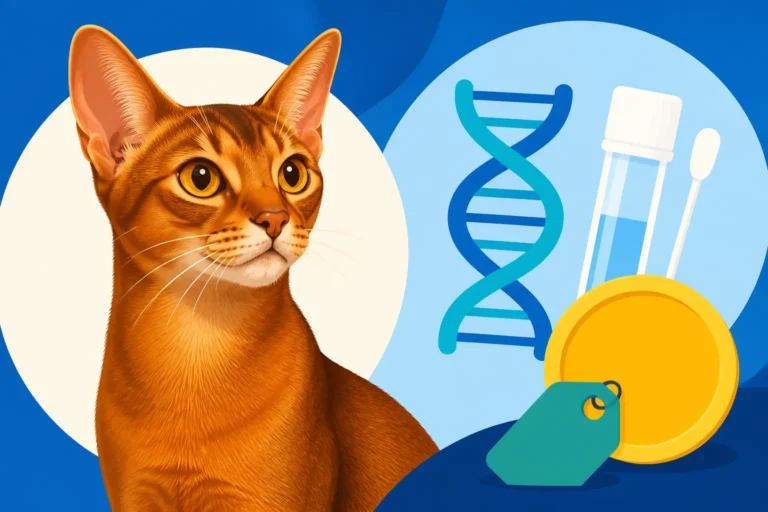
While CKD is a general concern for all older cats, Abyssinians have a particular predisposition that adds another layer of vigilance: Renal Amyloidosis. This genetic condition involves the abnormal deposition of amyloid protein in the kidneys, which eventually disrupts their normal architecture and function, leading to kidney failure. It’s a truly devastating condition because it can strike much younger than typical age-related CKD, and unfortunately, there's no specific gene test for it in Abyssinians yet.
This means that even if you've done everything right—choosing a reputable breeder, providing excellent nutrition—your Abyssinian could still be at risk. This genetic component underscores the importance of not just routine senior care, but also understanding your cat's family history if possible. Breeders who track their lines meticulously can sometimes give you insights into the prevalence of this disease in their cats. Understanding What Renal Amyloidosis Deposits in an Abyssinian's Kidney can help you grasp the severity of this particular threat. The good news is that vigilant monitoring can help manage the symptoms and extend their quality of life, even with this challenging predisposition.
Understanding the Silent Progression of Kidney Disease
The most disheartening aspect of kidney disease in cats is its quiet nature. It’s not something that usually announces itself with a sudden, dramatic crisis (though acute kidney injury can happen). Instead, it's a slow, relentless erosion of function. Your Abyssinian might just seem a little "off" – perhaps not quite as enthusiastic about playtime, or taking longer naps. These are subtle changes that can easily be dismissed as "just getting old," and that's precisely the danger.
The kidneys have a remarkable compensatory capacity. When some kidney cells stop working, the remaining healthy ones pick up the slack, maintaining a semblance of normal function for a long time. This is why the early stages of kidney disease often show no clinical signs at all. It's only when the damage becomes extensive that those compensatory mechanisms are overwhelmed, and waste products build up in the blood, leading to noticeable symptoms. Recognizing that this process is largely invisible in its early stages is key to appreciating why consistent, thorough veterinary monitoring is non-negotiable for your senior Abyssinian. Don't wait for obvious symptoms; by then, you've lost valuable time.
Key Indicators and Early Warning Signs to Watch For
As a devoted Abyssinian parent, you know your cat better than anyone. You're their first line of defense, and being attuned to subtle changes in their behavior and habits can literally be life-saving. While no single sign is definitive, a combination of these observations should prompt an immediate vet visit.
Changes in Thirst and Urination Habits
This is often the earliest and most commonly observed symptom when kidney function begins to decline, even if it's still subtle. You might notice your Abyssinian making more frequent trips to the water bowl, or perhaps you're refilling it more often than before. This increased thirst, or polydipsia, is directly linked to the kidneys' inability to concentrate urine effectively. As the kidneys lose their filtering power, more water is passed out of the body, making your cat feel constantly dehydrated.
Consequently, you'll also likely see an increase in urination (polyuria). The litter box might need scooping more often, and you might notice larger, wetter clumps of litter. Sometimes, the urine itself can appear clearer or less concentrated than usual. It's a classic cycle: drink more, pee more. While a hot day or increased activity can temporarily increase thirst, a persistent change over several days or weeks, especially in an older Abyssinian, is a huge red flag. Remember, Why a Thirsty Young Abyssinian Is a Red Flag, and it's even more critical in a senior cat.
Subtle Shifts in Appetite and Weight
Has your Abyssinian, usually a vigorous eater, started turning up their nose at their favorite meal? Or maybe they just pick at it half-heartedly? A decreased appetite (anorexia) or a general disinterest in food is another common sign of kidney issues. As toxins build up in the bloodstream, they can cause nausea, stomach upset, and a metallic taste in the mouth, all of which make eating less appealing.
Accompanying this decrease in appetite, you might also observe gradual weight loss. Abyssinians are lean and active cats by nature, which can sometimes make weight loss harder to spot beneath their ticked coats. However, if you feel their ribs more prominently or notice a less muscular feel to their back, it's time to pay attention. Why an Abyssinian's Weight Loss Is Never Minor, especially in a senior cat. This isn’t just about looking thin; it signifies a cat that isn't getting enough nutrition, and could be struggling with underlying health problems. Keep a weekly log of their weight if you can, using a small pet scale, as even small changes can be significant over time.
Behavioral Clues and Energy Levels
Beyond the physical, pay close attention to changes in your Abyssinian's characteristic lively personality. One of the most heartbreaking signs of a sick Abyssinian is a noticeable dip in their typically boundless energy. They might be less inclined to chase their favorite wand toy, spend more time sleeping, or avoid their usual high perches. An old Abyssinian slowing down is normal, but a sudden or significant reduction in their engagement with you or their environment isn’t just "old age."
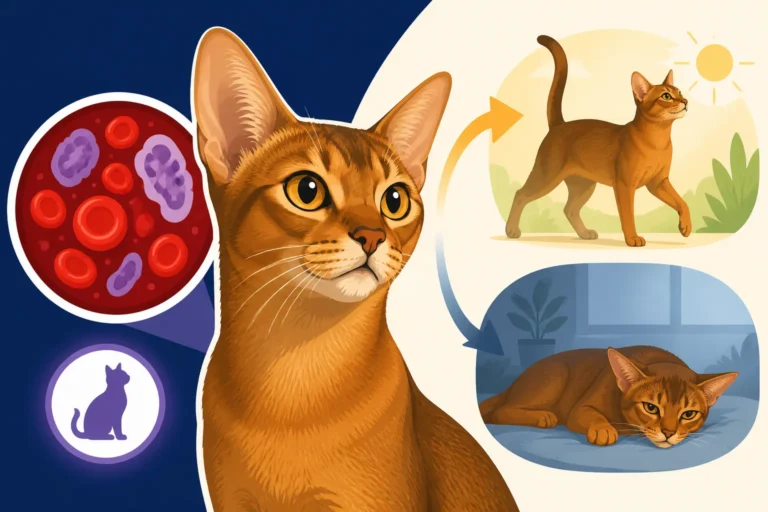
You might also notice them being less playful, perhaps even irritable when handled, or showing signs of weakness. They might hide more often or simply seem less "present." A generally duller coat, bad breath (which can be a sign of uremic toxins), or pale gums (indicating anemia, another potential complication of CKD) are also physical clues that something isn't right. Any deviation from their normal demeanor warrants a call to your vet. Caring for an Abyssinian Past Ten means being hyper-aware of these subtle shifts.
The Veterinary Approach to Monitoring Kidney Function in Old Abyssinians
When you bring your senior Abyssinian to the vet with concerns about their kidney health, you can expect a comprehensive approach. It’s not just about one test; it’s about piecing together a complete picture through various diagnostic tools.
Routine Annual Check-ups and What They Involve
For senior Abyssinians, routine annual check-ups transition from being primarily about vaccinations to becoming critical health screenings. While a physical exam always forms the backbone of any vet visit, for older cats, it's the bloodwork and urinalysis that become the true unsung heroes. Don’t ever skip these. Your vet will palpate their kidneys to check for size and symmetry, listen to their heart and lungs, and check their mouth for dental disease, which can also impact overall health.
Beyond the hands-on exam, a crucial part of these annual visits for older Abyssinians should be a discussion about potential changes you’ve noticed at home. No detail is too small – whether it’s a new favorite napping spot, a slight decrease in grooming, or even just a feeling that "something is off." This information helps your vet decide which diagnostics are most appropriate. These routine visits are the cornerstone of early detection, allowing your vet to establish a baseline for your cat's health. For more detailed information on broader senior care, you might find it helpful to look into Caring for an Abyssinian Past Ten.
The Importance of Bloodwork: SDMA, Creatinine, and BUN
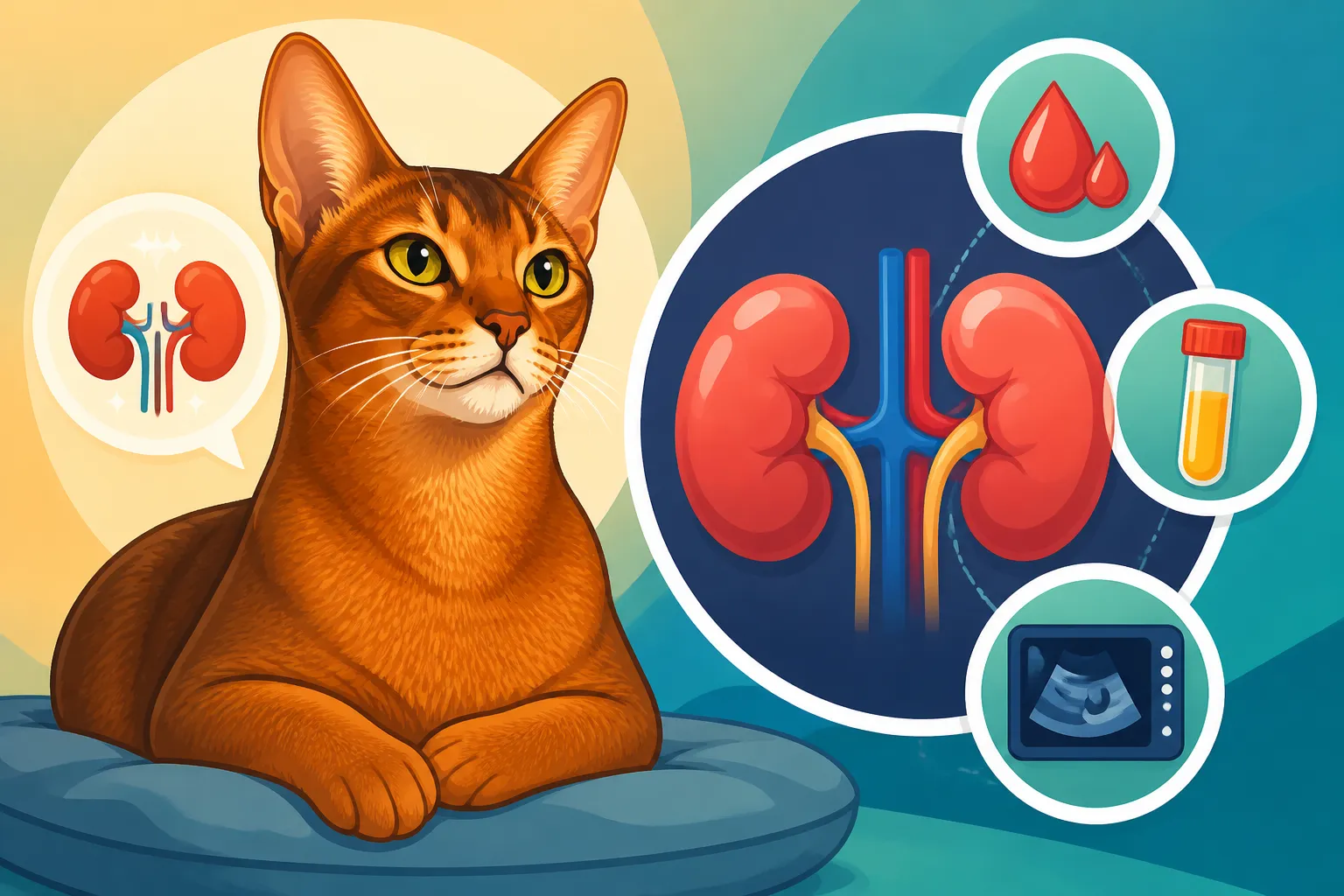
When it comes to bloodwork for monitoring kidney function, there are three main players you'll typically hear about: Creatinine, Blood Urea Nitrogen (BUN), and SDMA. For years, creatinine and BUN were the standard, but they have a significant drawback: they don't elevate until a substantial portion of kidney function is already lost. This is where SDMA (Symmetric Dimethylarginine) comes in as a game-changer.
SDMA is a much more sensitive biomarker for kidney function. It can detect a decline in kidney function earlier than creatinine and BUN, sometimes even when only 25% of kidney function is lost. This earlier detection is invaluable, allowing for interventions that can slow the progression of the disease. Therefore, if your vet isn't already running an SDMA test on your senior Abyssinian, you should absolutely ask for it. It's truly a leap forward in feline kidney diagnostics. Understanding How the SDMA Value Reads on an Abyssinian is vital for interpreting these results. It’s also important to know Why a Normal Creatinine Does Not Clear an Abyssinian, as it highlights why SDMA is so important. Many pet insurance providers, like Healthy Paws, recognize the value of these comprehensive diagnostics in prolonging a pet's healthy life, often covering these crucial tests as part of their plans.
Here's a quick overview of what these blood values tell us:
| Blood Value | What it Measures | Significance in Kidney Disease |
|---|---|---|
| Creatinine | Waste product from muscle metabolism | Elevates when kidneys can't filter it |
| BUN | Waste product from protein metabolism | Elevates when kidneys can't filter it |
| SDMA | Specific biomarker of kidney function | Elevates earlier than Creatinine/BUN |
| Phosphorus | Mineral balanced by kidneys | Elevates in later stages of CKD |
| Potassium | Electrolyte balanced by kidneys | Can be high or low in CKD |
| PCV/Hct | Red blood cell volume (packed cell volume/hematocrit) | Can indicate anemia (common in CKD) |
Urinalysis: A Crucial First Line of Defense
While bloodwork gives us a look at the kidneys' filtering ability, a urinalysis provides direct insight into what the kidneys are actually doing with that filtered blood. It’s not an optional test; it's a vital component of any kidney health assessment, especially for senior cats. Your vet will look at several factors in the urine sample:
- Specific Gravity (USG): This measures how concentrated the urine is. Healthy kidneys produce concentrated urine. If your Abyssinian's USG is low (dilute urine), it's a strong indicator that their kidneys are struggling to conserve water, which is one of the earliest signs of kidney disease.
- Protein in Urine: The presence of protein in urine (proteinuria) can be a red flag. Healthy kidneys shouldn't let much protein leak into the urine. Persistent proteinuria can indicate kidney damage, and managing it can be crucial in slowing the disease.
- Presence of Blood, Glucose, or Bacteria: These can indicate other issues like urinary tract infections, bladder stones, or even diabetes, all of which can complicate or mimic kidney disease.
Collecting a urine sample can sometimes be tricky with a modest Abyssinian, but your vet might suggest collecting a "free catch" sample at home or performing a cystocentesis (collecting urine directly from the bladder with a needle), which yields the purest sample. Always discuss the best method with your vet. Which Urine Test Catches an Abyssinian's Kidneys First is often the USG, as a consistently dilute sample warrants further investigation.
Diagnostic Imaging: Ultrasounds and X-rays
Sometimes, blood and urine tests aren't enough to get the full picture, especially if there are other concerns like kidney stones, tumors, or structural abnormalities. That's when your vet might recommend diagnostic imaging, such as an abdominal ultrasound or X-rays.
An ultrasound allows the veterinarian to visualize the kidneys in detail – their size, shape, internal architecture, and any potential blockages or masses. It’s a non-invasive procedure that can provide crucial information about the physical state of the kidneys. For example, if your vet suspects an issue like What Renal Amyloidosis Deposits in an Abyssinian's Kidney, an ultrasound might show abnormally small or irregularly shaped kidneys. X-rays, on the other hand, are less detailed for kidney structure but can be useful for identifying kidney or bladder stones. While these tests are typically reserved for when initial blood and urine results raise specific concerns, they can be invaluable tools in fully diagnosing and staging kidney disease, ensuring that your Abyssinian gets the most targeted care possible.
Supporting Your Senior Abyssinian's Kidney Health at Home
Getting a diagnosis of kidney disease for your beloved Abyssinian is tough, but it's not a death sentence. There's so much you can do at home, in conjunction with your vet's guidance, to support their kidney health and ensure they continue to live a happy, comfortable life.
Dietary Management: The Role of Renal Diets
One of the most impactful interventions you can make at home is transitioning your Abyssinian to a prescription renal diet. These diets are specifically formulated to support failing kidneys by:
- Reduced Phosphorus: High phosphorus levels in the blood are detrimental to kidney function and can contribute to further damage. Renal diets significantly restrict phosphorus.
- Controlled Protein: While protein is essential, very high protein levels can increase the workload on compromised kidneys. Renal diets provide high-quality, easily digestible protein in controlled amounts to meet your cat's needs without overburdening their kidneys.
- Omega-3 Fatty Acids: These often have anti-inflammatory properties that can be beneficial for kidney health.
- Increased B Vitamins: Cats with kidney disease can lose B vitamins in their urine, so these diets often supplement them.
Switching to a new food can be a challenge, especially for a finicky Abyssinian. Do it slowly, mixing small amounts of the new food with their old food and gradually increasing the proportion over several weeks. Your vet will help you choose the best prescription diet, whether it’s from brands like Hill's Prescription Diet, Royal Canin Veterinary Diet, or Purina Pro Plan Veterinary Diets. Understanding How a Kidney Diet Buys an Abyssinian Time is crucial for adhering to this important change.
Ensuring Adequate Hydration
Water is truly life, especially for a cat with kidney disease. As we discussed, their damaged kidneys struggle to concentrate urine, leading to increased water loss. Therefore, keeping your Abyssinian well-hydrated is paramount. Here are some strategies:
- Wet Food is Key: If your Abyssinian isn't already on an exclusively wet food diet, now is the time to transition. Wet food significantly increases their daily water intake compared to dry kibble alone. Why Wet Food Protects an Abyssinian's Kidneys cannot be stressed enough – it's one of the easiest and most effective ways to support them.
- Multiple Water Sources: Offer water in various locations and types of bowls. Some Abyssinians prefer ceramic, others stainless steel, some love fountains, and others prefer wide, shallow dishes. Experiment to see what encourages them to drink more.
- Flavoring Water: You can try adding a tiny bit of tuna juice (in water, not oil), low-sodium chicken broth, or even ice cubes (some cats love to lick them) to entice them to drink.
- Subcutaneous Fluids: In more advanced stages, your vet might teach you how to administer subcutaneous (under the skin) fluids at home. This might sound intimidating, but it's a relatively simple procedure that can dramatically improve their hydration and quality of life. Whether Fluids at Home Help an Abyssinian is a common question, and the answer is a resounding yes for many cats. It might feel like a big step, but it’s a powerful way to manage the disease. Remember, Why an Abyssinian's Kidneys Make Water Intake Matter applies to all stages of life, but critically so in their senior years.
Managing Concurrent Health Issues
Kidney disease rarely acts alone, especially in older cats. Your senior Abyssinian might also be dealing with other age-related conditions, and it's essential to manage these concurrently, as they can impact kidney health or worsen its symptoms. Common concurrent issues include:
- Dental Disease: Tartar buildup and gum inflammation can lead to systemic inflammation and bacterial infections, potentially stressing the kidneys. Regular dental check-ups and cleanings are vital.
- High Blood Pressure (Hypertension): Hypertension can both cause and be a consequence of kidney disease. Your vet will likely monitor your Abyssinian's blood pressure regularly and prescribe medication if needed.
- Anemia: As kidneys produce a hormone called erythropoietin, which stimulates red blood cell production, kidney disease can lead to anemia. Your vet might prescribe supplements or medication to manage this.
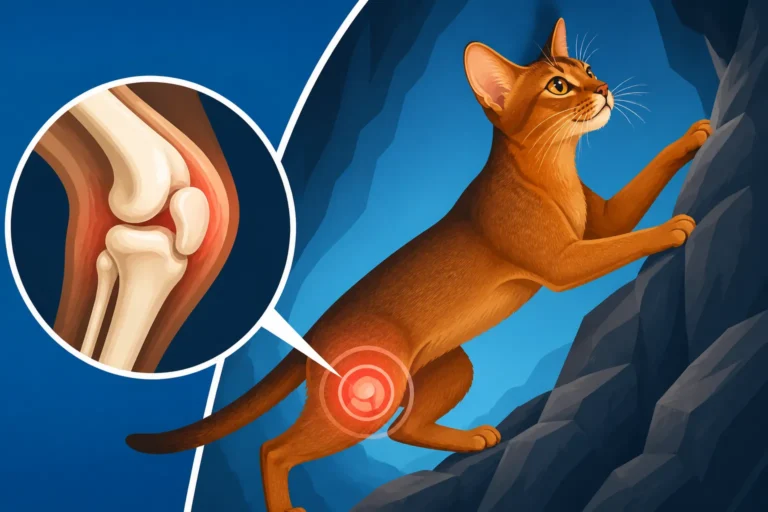
- Arthritis: Joint pain can make it difficult for your Abyssinian to reach food and water bowls or even the litter box, indirectly affecting their kidney health by reducing intake or increasing stress. Ensuring easy access to resources and managing their pain with appropriate medications is important. For more on monitoring specific blood values that might indicate these issues, consider reading Which Blood Values Catch an Abyssinian's Kidneys Early.
Working closely with your veterinarian is key to navigating these complex health landscapes. Don't hesitate to ask questions and discuss all available options. Pet insurance from providers like Healthy Paws can be a tremendous asset here, helping to cover the costs of ongoing medications, diagnostics, and treatments for both kidney disease and any related conditions, easing the financial burden during a challenging time.
Disclaimer
This article is intended for informational purposes only and is not a substitute for professional veterinary advice, diagnosis, or treatment. Always seek the advice of your veterinarian with any questions you may have regarding a medical condition.