Why an Abyssinian Sells on a Non Breeding Agreement
It's quite common for prospective Abyssinian owners to encounter a rather formal document when they're ready to bring a kitten home: the non-breeding agreement. This can feel a little daunting or even restrictive at first, leaving you wondering why such a specific contract is necessary just for a pet. This guide will help you understand the core reasons behind these agreements, what they mean for you, and how they ultimately protect the wonderful Abyssinian breed.
Understanding the "Why" Behind Non-Breeding Agreements
When you look at a vibrant, energetic Abyssinian, with their striking ticked coat and intelligent eyes, you're seeing the result of generations of careful, dedicated breeding. Ethical breeders pour their heart, soul, and significant resources into producing healthy, well-socialized kittens that embody the best characteristics of the breed. A non-breeding agreement isn't about controlling your pet; it's about safeguarding this legacy and preventing practices that could harm the breed.
Protecting the Abyssinian Breed Standard and Health
Imagine a world where anyone could breed Abyssinians without understanding genetics, health screening, or breed standards. It would be chaotic, and the distinct traits that make an Abyssinian so unique – that shimmering, ticked coat with its lack of barring, those large, expressive ears, and that truly engaging personality – could quickly be lost or diluted. Breeders who adhere to non-breeding agreements are fiercely committed to preserving these qualities. They don't just breed for looks; they breed for temperament and, most critically, for health.
For instance, responsible Abyssinian breeders conduct genetic testing for serious inherited conditions like Pyruvate Kinase Deficiency and PRA-rdAc, a form of progressive retinal atrophy. Pyruvate Kinase Deficiency Is the Abyssinian's Best Known Test and PRA-rdAc Takes an Abyssinian's Sight by Five are critical concerns. These tests are expensive and require knowledge to interpret correctly. A non-breeding agreement helps ensure that kittens are placed in homes where they will be loved as pets, not used to perpetuate potential genetic issues unwittingly. The aim is always to improve the health and vigor of the next generation, and that simply can't happen if every Abyssinian is allowed to breed without oversight.
Preventing Backyard Breeding and Overpopulation
The term "backyard breeder" often carries a negative connotation, and for good reason. These are individuals who breed animals without proper knowledge, health testing, or concern for the long-term welfare of the kittens or the breed as a whole. They might be attracted by the idea of making money or simply not understand the complexities of responsible breeding. This often leads to kittens with unforeseen health problems, poor socialization, and ultimately, an increased burden on animal shelters and rescues.
Non-breeding agreements act as a crucial barrier against this. By requiring that all pet-quality Abyssinians are spayed or neutered, ethical breeders actively work to prevent the market from being flooded with poorly bred animals. It's a proactive step to ensure that every Abyssinian born has the best possible start and a secure future, rather than contributing to pet overpopulation. It reinforces the idea that breeding is a serious undertaking, not a casual hobby, and that it should be left to those who have the expertise and dedication to do it properly. You can learn more about what a responsible breeder should test for in What an Abyssinian Breeder Should Have Tested Before You Buy.
What a Non-Breeding Agreement Actually Entails
When you sign a non-breeding agreement, you're entering into a clear, legally binding contract with the breeder. It's not just a handshake deal; it outlines specific responsibilities for both parties, primarily focusing on the kitten's future as a companion animal rather than a breeding prospect. Understanding the details can ease any apprehension you might have.
The Spay/Neuter Clause and Timeline
The cornerstone of almost every non-breeding agreement is the spay or neuter clause. This legally obligates you, the new owner, to have your Abyssinian kitten surgically altered within a specified timeframe. Typically, this is before the cat reaches sexual maturity, often between six months and one year of age. Some breeders may even opt for early spay/neuter before the kitten leaves their care, a practice that's become increasingly common and shown to be safe for kittens.
Upon completion of the procedure, you'll be required to provide proof to the breeder, usually in the form of a veterinary certificate. This step is vital for the breeder to ensure their agreement has been honored and that their beloved kitten won't inadvertently contribute to the gene pool without proper screening. It’s an investment in the long-term health of the individual cat, too, as spaying and neutering can prevent certain health issues later in life and curtail undesirable behaviors like spraying or persistent vocalization during heat cycles.
Legalities and Consequences of Breach
It's important to remember that a non-breeding agreement is a legally enforceable contract. This means there are consequences if the terms are not met. While the exact penalties vary from one breeder's contract to another, they can be significant. Common stipulations might include substantial financial penalties, often several times the original purchase price of the kitten, or even the requirement to return the cat to the breeder. This might sound harsh, but it underscores the seriousness with which ethical breeders approach their responsibilities.
These clauses aren't designed to be punitive but rather to protect the breed and the breeder's investment of time, effort, and money in their lines. A breeder who includes such clauses is typically one who deeply cares about their cats' welfare and the integrity of their breeding program. They've invested in genetic tests like those for PK Deficiency and PRA-rdAc, ensuring that the parents are clear, and they want to make sure that investment isn't undermined by irresponsible breeding. When evaluating a breeder, understanding What an Abyssinian Breeder Contract Restricts is part of due diligence. This commitment from the breeder means that they are almost always available for advice and support throughout your cat's life, a benefit that many first-time owners find invaluable.
The Benefits for You, the Pet Owner
While the agreement itself focuses on the cat's future, it also delivers significant benefits to you, the individual bringing an Abyssinian into your home. It's about establishing a clear relationship with your new feline companion and gaining peace of mind.
Focusing on Companionship, Not Reproduction
When you adopt an Abyssinian under a non-breeding agreement, the primary focus is squarely on the cat becoming a cherished member of your family. You're getting a companion, a furry friend who will bring joy, energy, and endless antics into your life. Without the complexities and responsibilities of breeding, you can simply enjoy the unique personality and boundless enthusiasm that Abyssinians are famous for. They are incredibly interactive and playful, often described as "clowns of the cat world."
A spayed or neutered Abyssinian is also generally a more settled and well-behaved pet. Females won't experience disruptive heat cycles, which can involve intense vocalization and attempts to escape to find a mate. Males are less likely to spray urine to mark territory and may be less inclined to wander. This means a calmer, cleaner home, and a cat whose sole purpose is to share life with you. This dedicated companionship often strengthens the bond between you and your Abyssinian, making for a truly fulfilling pet ownership experience. Consider how much energy they have; a spayed or neutered cat often redirects that energy into play with you. You might find great enrichment items at retailers like Chewy to keep their active minds busy.
Breeder Support and Lifetime Resources
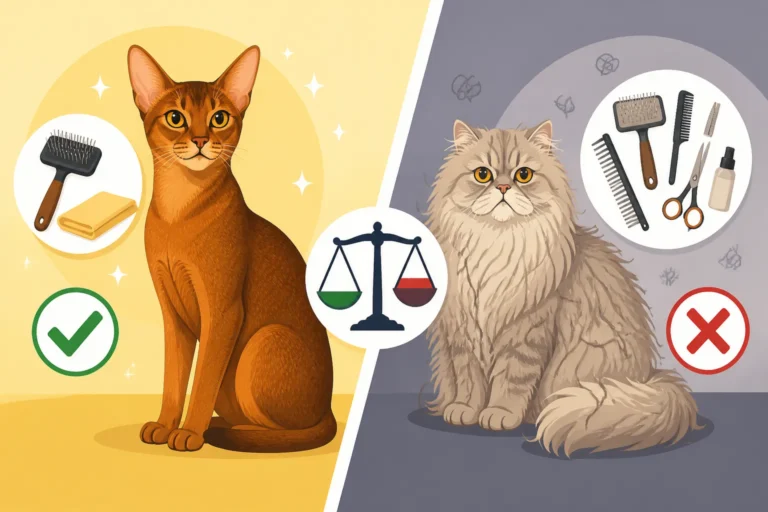
One of the often-overlooked benefits of buying from an ethical breeder with a non-breeding agreement is the built-in support system you gain. These breeders don't just sell kittens; they genuinely care about where their cats go and how they thrive throughout their lives. They are usually more than happy to be a resource for you, offering advice on everything from diet and grooming to behavior and health concerns. They're invested in the success of the placement.
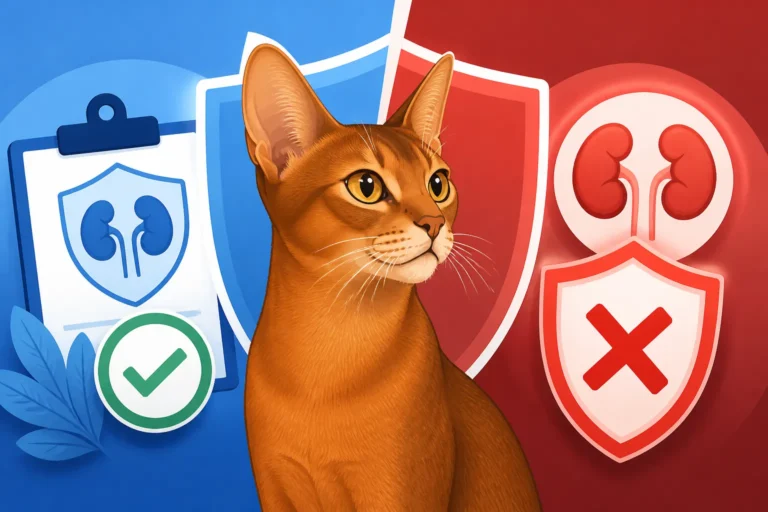
This kind of mentorship can be incredibly valuable, especially for first-time Abyssinian owners. You might have questions about their specific dietary needs, how to introduce them to other pets, or even unusual behaviors that are common for the breed. Having an experienced, knowledgeable person to turn to for guidance can make all the difference. This long-term relationship is part of the package when you commit to an Abyssinian from a responsible breeder who focuses on the health of their lines. For instance, if any health concerns arise, knowing How a Vet Manages an Abyssinian in Kidney Failure (a condition Abyssinians can be prone to, though not genetically tested for directly like PK or PRA) can sometimes be guided by an experienced breeder's advice, alongside your vet's.
The Cost Difference: Pet vs. Breeding Rights
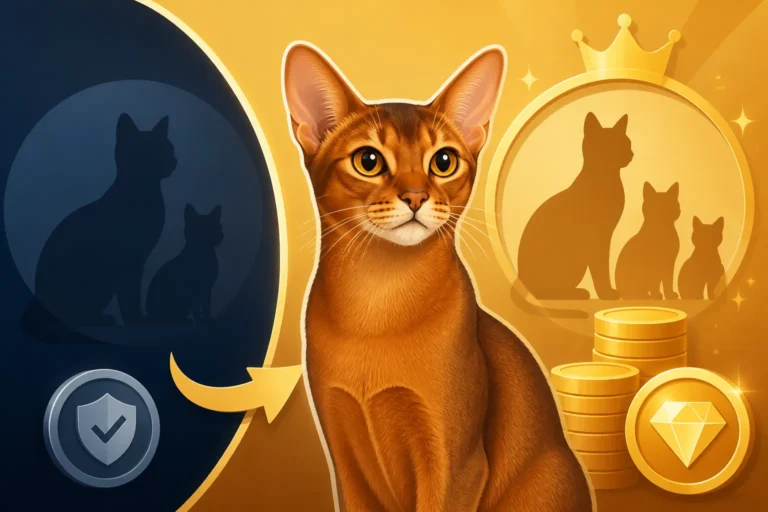
It's natural to notice a price difference between Abyssinian kittens sold as pets and those sold with breeding rights. This isn't just an arbitrary markup; it reflects a significant disparity in the value, responsibilities, and future potential associated with each type of placement.
The Financial Investment for a Pet Abyssinian
When you purchase an Abyssinian as a pet, you are investing in a healthy, well-socialized kitten that has benefited from the breeder's careful planning, health testing, and dedicated care. What a Pet Quality Abyssinian Sells For is a reflection of the significant costs incurred by the breeder, including stud fees, vet checks for the parents and kittens, vaccinations, microchipping, quality food, and the sheer amount of time spent raising a litter. However, a pet-quality kitten, while still a substantial investment, will typically be priced lower than a kitten sold with breeding rights.
This lower price point acknowledges that as a pet owner, you won't be undertaking the substantial financial and time commitments involved in maintaining a breeding program. Your responsibility ends with providing a loving, safe home and ensuring the cat is spayed or neutered as per the agreement. You're paying for a companion, not for the future genetic contribution the cat might make. This makes Abyssinian ownership more accessible to those who simply want to enjoy the breed's incredible personality without the added complexities of breeding. You might consider pet insurance from a provider like Healthy Paws to cover unexpected vet costs throughout your Abyssinian's life, adding another layer of security to your investment.
Why Breeding Rights Command a Higher Price and More Restrictions
A kitten sold with breeding rights is an entirely different proposition. The price will be significantly higher because you're not just buying a cat; you're acquiring a valuable piece of a carefully curated genetic line, along with the potential for future litters. This cat has been deemed to possess exceptional qualities that align perfectly with the breed standard, both in health and conformation. Why an Abyssinian Sold Cheap Is Usually Untested highlights the risks of cutting corners, and breeders with breeding rights cats have gone the extra mile.
The cost also reflects the immense responsibility and expertise required from the buyer. You're expected to continue the breeder's commitment to rigorous health testing, showing the cat to achieve championship status, and having a deep understanding of feline genetics. This typically involves ongoing mentorship from the original breeder, who will often guide you through the complexities of finding appropriate mates, managing pregnancies, and raising litters. The agreement for a breeding cat will also come with far more restrictions and obligations than a pet agreement, reflecting the profound impact that such a cat can have on the future of the breed. It's a commitment to preserving and enhancing the Abyssinian line, a very different journey than simply enjoying a pet. You can further explore the necessary health checks in articles like Which Two DNA Tests an Abyssinian Must Have before considering any breeding venture.
Comparison: Pet vs. Breeding Agreements
To help clarify the differences, here's a quick overview of what you can expect from each type of agreement:
| Feature | Pet Quality Abyssinian (Non-Breeding Agreement) | Breeding Quality Abyssinian (With Breeding Rights) |
|---|---|---|
| Purpose | Companion animal for a loving home. | Future breeding animal to continue and improve the breed line. |
| Cost | Lower initial purchase price, reflecting pet value. | Significantly higher initial purchase price, reflecting genetic value and potential. |
| Spay/Neuter Clause | Mandatory, usually within 6-12 months of age. Proof required. | Not required; instead, specific breeding requirements and timelines are outlined. |
| Health Testing | Parents will have been tested. Buyer receives results. | Extensive health testing required for the purchased cat before breeding. |
| Show/Titles | Not required, though often encouraged for fun. | Often required to achieve championship titles before breeding. |
| Support from Breeder | Ongoing support for the lifetime of the cat, primarily on pet care. | Extensive mentorship and support on breeding, genetics, showing, and kitten rearing. |
| Contract Restrictions | Focus on spay/neuter, indoor living, proper care. | Detailed clauses on breeding practices, mating partners, kitten placement, health. |
| Future Litters | Not permitted. | Explicitly permitted under strict conditions defined in the contract. |
| Transfer of Ownership | Straightforward as a pet. | Often more complex, with restrictions on selling or rehoming for breeding purposes. |
Ultimately, a non-breeding agreement is a testament to the dedication of Abyssinian breeders who strive to ensure every kitten finds a safe, loving home where it can thrive as a cherished companion, free from the demands of reproduction.
Disclaimer
This article is for general informational purposes only and does not constitute professional advice. Laws, prices and regulations vary by location and change over time. Consult a qualified professional for guidance on your specific situation.