What Vaccinations an Abyssinian Kitten Arrives With
Bringing home a new Abyssinian kitten is an incredibly exciting time, full of playful pounces and curious explorations. But amidst all the joy, it's completely normal to feel a bit overwhelmed or even anxious about their health, especially when trying to understand all the paperwork that comes with them. You want to ensure your new family member is starting off on the right paw, and a huge part of that is understanding exactly what vaccinations your Abyssinian kitten should have received before they even set foot in your home, and what still lies ahead. This guide is here to demystify that process, helping you feel confident and prepared.
The Foundation of Health: Core Kitten Vaccinations
When you bring home an Abyssinian kitten from a reputable breeder, one of the most reassuring things you'll receive is their health record. This isn't just a formality; it's a testament to the care they've received and a vital roadmap for their future well-being. The cornerstone of this early health care is a series of core vaccinations designed to protect them from some of the most common and dangerous feline diseases. Understanding these initial shots is crucial for every new Abyssinian parent.
Core Vaccines: What Every Kitten Needs
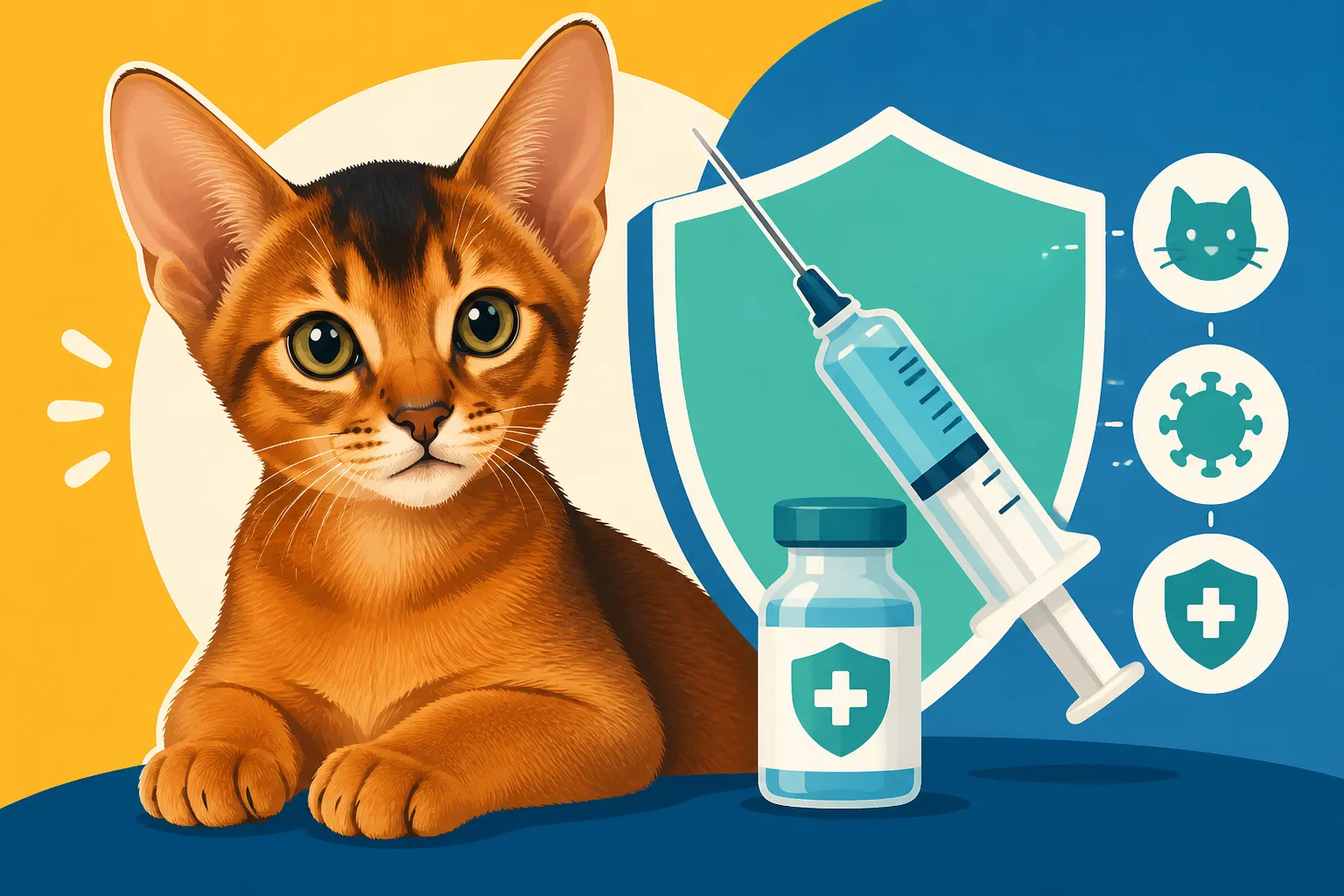
Every Abyssinian kitten, regardless of whether they'll be an indoor-only pampered prince or a harness-trained adventurer, absolutely needs protection against a trio of nasty bugs: Feline Viral Rhinotracheitis (FHV-1), Feline Calicivirus (FCV), and Feline Panleukopenia (FPV). These are typically bundled together into one shot, often referred to by its acronym, FVRCP, or sometimes the "distemper" vaccine. Feline Viral Rhinotracheitis and Calicivirus are the main culprits behind upper respiratory infections in cats, akin to a severe cold or flu, but far more serious for a tiny kitten. Panleukopenia, on the other hand, is a highly contagious and often fatal disease that attacks rapidly dividing cells, particularly in the bone marrow and intestines. It’s devastatingly quick and can decimate a litter.
A responsible breeder will have started this crucial vaccination series when your Abyssinian kitten was quite young, typically around 8 weeks of age. Kittens need a series of these shots because their mother's antibodies, passed through her milk, can interfere with the vaccine's effectiveness. As those maternal antibodies wane, the kitten's own immune system needs to be stimulated by the vaccine to build its defenses. This means boosters are essential, usually given every 3-4 weeks until the kitten is around 16 weeks old. So, when your lively little Abyssinian arrives, they should already have at least their first, and quite possibly their second, FVRCP vaccination under their belt. This initial protection is critical, as it bridges the gap before their immune system is fully robust. You'll want to review the exact dates with your vet to plan the next booster.
Rabies Vaccination: When and Why it's Essential
The rabies vaccine stands a little apart from the core FVRCP series, primarily because of its public health implications and legal requirements in many regions. While FVRCP protects against common feline-specific diseases, rabies is a zoonotic disease, meaning it can be transmitted from animals to humans, and it is almost universally fatal once symptoms appear. For this reason, rabies vaccination is often mandated by law, even for strictly indoor cats. You might think, "My Abyssinian is an indoor cat, they'll never encounter rabies!" But wildlife can occasionally find its way inside, or your adventurous Abyssinian might make an unexpected dash for the door. Why an Indoor Abyssinian Reaches Fifteen More Often Better safe than sorry when it comes to a disease with such dire consequences.
Typically, the rabies vaccine isn't given until an Abyssinian kitten is a bit older, usually around 12 to 16 weeks of age, after their immune system has matured a bit more. Some breeders will have already administered this shot before you pick up your kitten, especially if local regulations require it for transport or sale. Others might leave it for your first visit with your own veterinarian, to allow you and your vet to establish a relationship and discuss local protocols. It's important to clarify this with your breeder and then with your veterinarian as soon as possible. The timing of the rabies shot, and whether it's a one-year or three-year vaccine, will depend on your local laws and your vet's recommendations.
Navigating Your Abyssinian's Initial Health Documentation
Receiving your Abyssinian kitten isn't just about the adorable fluffy bundle; it's also about the stack of papers that accompany them. This documentation is your key to understanding their early life and ensuring a smooth transition into your care. A good breeder provides meticulous records, and knowing how to read them will empower you to make informed decisions with your veterinarian.
Interpreting the Vaccination Record
When your Abyssinian kitten comes home, they should arrive with a detailed vaccination record. This isn't just a scribbled note; it should be a professional document, often from the breeder's veterinarian, clearly listing the dates of each vaccine administered, the specific type of vaccine (e.g., FVRCP, Rabies), and the veterinarian's signature or clinic stamp. It’s often a small booklet or a printed sheet from a veterinary software system. Look for consistency and clarity. You should be able to see a clear sequence of shots, indicating that the initial series for FVRCP has begun.
This record is invaluable because it allows your own veterinarian to know exactly where your kitten is in their vaccination schedule and when the next boosters are due. Without this information, your vet might have to restart the series to ensure proper immunity, which means more shots and potentially more stress for your little one. Don't be shy about asking the breeder questions if anything on the record is unclear. A transparent breeder will be happy to walk you through it. This documentation should also typically include details about deworming treatments, ensuring your kitten arrives free of common internal parasites. Which Diseases an Abyssinian Breeder Must Declare
Beyond Vaccinations: Other Initial Health Measures
While vaccinations are paramount, a reputable Abyssinian breeder takes several other crucial health measures before their kittens go to new homes. One of the most common and important is regular deworming. Kittens are highly susceptible to intestinal parasites, which can be passed from the mother, even if she shows no symptoms. Therefore, most breeders will administer several rounds of deworming medication starting at a young age. Your kitten's health record should list these dates and the medication used. This helps prevent issues like diarrhea, poor nutrient absorption, and stunted growth.
Beyond deworming, a thorough breeder will also ensure their kittens have received a clean bill of health from a veterinarian before they are sent home. This means a comprehensive physical examination, checking for everything from heart murmurs and proper jaw alignment to clear eyes and ears. This initial vet check-up provides an important baseline and catches any obvious issues early. Some breeders also microchip their kittens before placement, which is a fantastic safety measure should your Abyssinian ever get lost. If your kitten isn't microchipped, make it a top priority for your first vet visit. Whether an Abyssinian Comes Microchipped All these preparatory steps contribute significantly to the robust start your Abyssinian needs, especially given their energetic nature, which can sometimes mask early signs of illness. Why a Lean Abyssinian Hides Illness Longer Than a Heavy Cat
Here's a quick look at a typical early vaccination and health check timeline:
| Age of Kitten (Weeks) | Typical Health Measures | Notes |
|---|---|---|
| 2-4 | First Deworming | Often repeated every 2 weeks until ~8-12 weeks. |
| 6-8 | First FVRCP Vaccine | Crucial first step in building core immunity. |
| 8-10 | Second Deworming, Second FVRCP Vaccine | Booster shot and continued parasite management. |
| 10-12 | Third Deworming, Third FVRCP Vaccine, Initial Vet Check | Final FVRCP booster for most, comprehensive physical exam by breeder's vet. |
| 12-16 | Rabies Vaccine (if not done by breeder), Microchip (optional) | Often given by the new owner's vet; microchipping can be done by breeder or vet. |
The Non-Negotiable Value of a Reputable Breeder
It might seem like a given, but the importance of acquiring your Abyssinian kitten from a truly reputable breeder cannot be overstated, particularly when it comes to their early health and vaccination status. Cutting corners here isn't just a minor inconvenience; it can lead to devastating consequences for your kitten and your wallet. This is one area where the initial cost savings of an "untested" or "backyard" breeder evaporate quickly in the face of veterinary bills.
The Risks of an Under-Vaccinated Kitten
A young Abyssinian kitten is incredibly vulnerable. Their immune systems are still developing, and without the proper series of vaccinations, they are highly susceptible to diseases that could easily be prevented. Imagine the heartbreak of bringing home a bouncy, playful Abyssinian only for them to fall gravely ill with panleukopenia or a severe upper respiratory infection because they missed critical boosters. The cost of treating such illnesses can be astronomical, involving hospitalization, IV fluids, medications, and round-the-clock care. Even with intensive treatment, the outcome for very young, unvaccinated kittens can be grim. What an Untested Abyssinian Most Often Dies Of
Beyond the core vaccines, a reputable breeder also screens for genetic conditions pertinent to the breed, like Pyruvate Kinase Deficiency (PKD) and Progressive Retinal Atrophy (PRA-rdAc). While these aren't addressed by vaccinations, they are part of a breeder's commitment to producing healthy kittens. How the Abyssinian's DNA Panel Is Ordered An under-vaccinated kitten, or one from parents with unknown genetic histories, is a ticking time bomb of potential health issues. Breeders who skimp on vaccinations or claim their kittens are immune without proper documentation are not prioritizing the health of their animals, and it’s a massive red flag. Always choose a breeder who provides full disclosure and verifiable records.
Preparing for Your First Vet Visit with Your Abyssinian
The moment your Abyssinian kitten steps through your door, one of your very first tasks should be scheduling a visit with your own veterinarian. Ideally, this should happen within a few days of arrival. This initial appointment is critical for several reasons. Firstly, it allows your vet to perform their own thorough examination and confirm the kitten's overall health, validating the breeder's assurances. They'll also check for any subtle issues that might have developed during travel or transition.
When you go, bring all the documentation the breeder provided: the vaccination record, deworming dates, any genetic test results for the parents, and the kitten's weight log. You might also bring a fresh stool sample, as your vet will likely want to test for parasites that might have been missed or acquired. This first visit is also your opportunity to ask all your questions about diet, litter, socialization, and ongoing preventative care. Your vet can advise on the appropriate next steps for vaccinations, spaying/neutering, and even discuss options like pet insurance from providers like Healthy Paws, which can offer invaluable peace of mind for unexpected medical costs. Given the active lifestyle of an Abyssinian, you'll want to discuss how to maintain their lean body condition and support their energy levels with a suitable diet.
Beyond the Shots: Ongoing Health and Kitten Care Questions
Once you've navigated the initial flurry of vaccinations, you'll naturally have more questions as your Abyssinian grows. Kittenhood is a dynamic period, and consistent communication with your vet is key to a long and happy life together.
What if My Kitten Hasn't Had All Its Shots?
Life happens, and sometimes a kitten might arrive in your care without a complete vaccination history. This could be the case if you've adopted an older kitten from a rescue organization or if, for whatever reason, the breeder's records are incomplete. If your Abyssinian kitten hasn't had all its initial FVRCP boosters or the rabies vaccine, it's absolutely crucial to consult your veterinarian immediately. Do not delay. Your vet will assess the situation, determine the kitten's approximate age, and create a safe catch-up schedule. They might advise starting the series anew if there's no reliable history, just to be on the safe side.
During this period, and until your kitten is fully vaccinated (typically a week or two after their final booster), you'll need to exercise extra caution. This means limiting their exposure to other animals whose vaccination status is unknown and avoiding public places like pet stores or dog parks. These environments can harbor diseases that could be devastating to an unprotected kitten. Even if they are super energetic and eager to explore, protecting their developing immune system is your top priority.
The Role of Socialization and Health During Vaccination Periods
Here's where it gets tricky: you want to protect your kitten from disease, but you also need to socialize them during their critical developmental window. This period, roughly between 3 and 16 weeks, is when kittens learn about the world, and positive experiences can shape their behavior for life. So, how do you balance safety with socialization?
The key is controlled socialization. During the vaccination series, avoid exposing your Abyssinian kitten to unknown cats or dogs, or places where many animals congregate. However, you can still socialize them safely within your home and with known, fully vaccinated, healthy adult pets. Gentle handling by various people (family members, trusted friends) helps them get used to human interaction. Introduce them to different sounds, sights, and textures. You can even take them on short car rides in a carrier to help them get used to travel, or sit with them in a carrier in a safe outdoor space (like your own garden) to observe the world without direct contact. Consider investing in interactive toys from a place like Chewy or a subscription box service to keep their active minds engaged during this indoor-focused period. These early experiences, coupled with their health protections, will set your Abyssinian up for a confident and well-adjusted life, ready to tackle all those climbing shelves and puzzle feeders you have planned for them. An Abyssinian Needs Height More Than It Needs Floor
Disclaimer
This article is for general informational purposes only and does not constitute professional advice. Laws, prices and regulations vary by location and change over time. Consult a qualified professional for guidance on your specific situation.