What a PK Deficiency Test Costs for an Abyssinian
Bringing home an Abyssinian kitten is an incredibly exciting time, but the joy can be tinged with anxiety about their health, especially concerning genetic conditions. One common question is about the cost of testing for Pyruvate Kinase (PK) Deficiency, a prevalent concern in the breed. This guide will help you navigate the various expenses involved in getting your beloved Abyssinian tested, so you can plan effectively and ensure their best possible start.
Understanding PK Deficiency and the Need for Testing
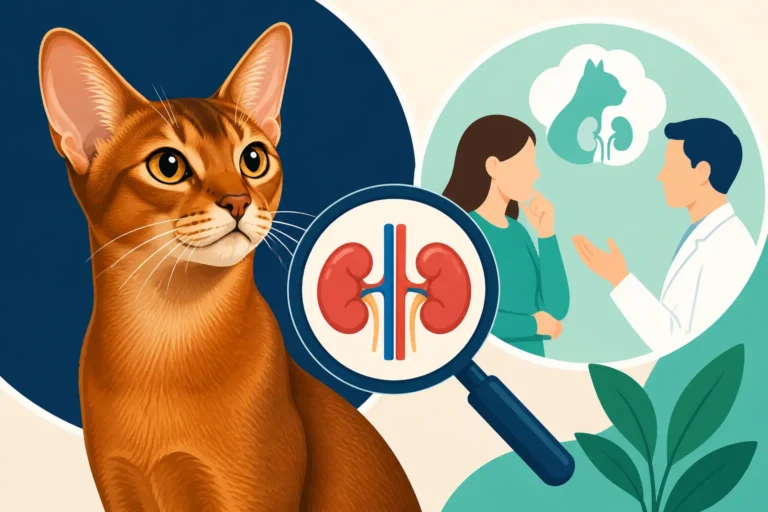
Before we dive into the numbers, it’s really important to grasp what Pyruvate Kinase Deficiency is and why testing for it is so critical for Abyssinian owners. It’s not just a fancy scientific term; it’s a real, tangible health issue that can impact your cat’s quality of life and your peace of mind. The more you understand, the better equipped you'll be to make informed decisions for your furry family member.
What is Pyruvate Kinase Deficiency?
Pyruvate Kinase Deficiency (PKD) is a hereditary metabolic disorder that affects the red blood cells. In simple terms, it means there's a problem with an enzyme called pyruvate kinase, which is essential for the normal function and survival of red blood cells. Without enough functional pyruvate kinase, red blood cells become fragile and break down prematurely, leading to a condition known as hemolytic anemia. This anemia can manifest in different ways, from mild and intermittent to severe and life-threatening. You might notice your Abyssinian becoming lethargic, having pale gums, or showing a reduced appetite. It’s a recessive genetic condition, meaning a cat must inherit two copies of the defective gene (one from each parent) to actually develop the disease. If you want to learn more about the specifics of the disease itself, you can check out What PK Deficiency Does to an Abyssinian's Red Cells.
The onset and severity of symptoms can vary greatly. Some Abyssinians with PKD might show signs early in life, even as kittens, while others might not display any symptoms until they are several years old, or their symptoms might wax and wane. This unpredictable nature is part of what makes genetic testing so vital. Without a test, you might never know your seemingly healthy Abyssinian carries the risk or could even be subtly affected, living with low-grade anemia without a clear diagnosis. It's truly one of those silent issues that can cause a lot of heartache if not addressed proactively.
Why Every Abyssinian Needs to Be Tested
Given the potentially serious health implications of PK Deficiency, testing every Abyssinian is not just a recommendation; it's practically a necessity for responsible ownership and ethical breeding. For breeders, testing is paramount to ensure they are not inadvertently producing affected kittens. A good breeder will test all their breeding cats and provide you with proof of their results before you even consider bringing a kitten home. In fact, Pyruvate Kinase Deficiency Is the Abyssinian's Best Known Test for a reason – it's a foundational part of responsible breeding.
For pet owners, even if you’re not planning to breed, knowing your cat's status is still incredibly valuable. If your Abyssinian is a carrier, it means they won't develop the disease themselves, but they could pass the gene on if bred. If, by some chance, you end up with an affected cat (perhaps from a less scrupulous breeder who didn't test), knowing this early allows you to work with your vet to monitor their health closely and be prepared for any signs of anemia. This proactive approach can significantly improve their quality of life and potentially extend their lifespan. It's about giving your cat the best chance at a healthy, happy existence, free from the unexpected burdens of an undiagnosed genetic condition.
The Difference Between Affected, Carrier, and Clear
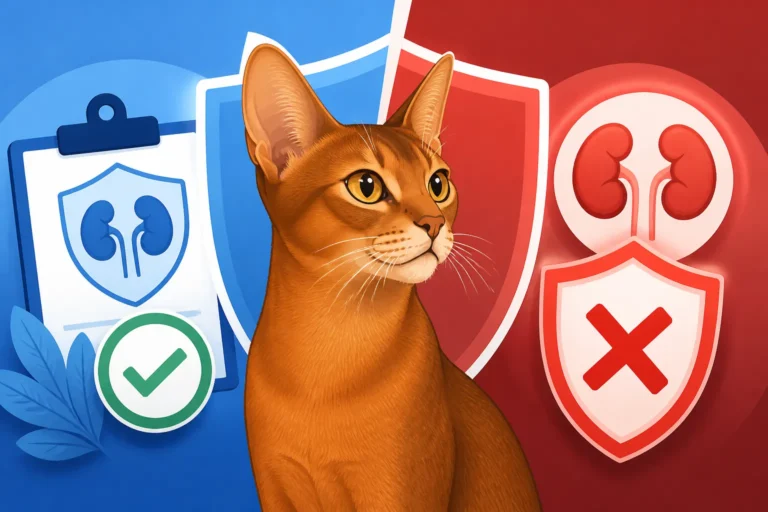
Understanding the test results is just as important as getting the test done. When your Abyssinian is tested for PK Deficiency, the results will typically fall into one of three categories:
- Clear/Normal: This means your Abyssinian does not carry the gene for PK Deficiency. They cannot develop the disease, nor can they pass the gene on to any offspring. This is obviously the ideal result, offering complete peace of mind.
- Carrier: A carrier Abyssinian has one copy of the normal gene and one copy of the mutated gene. These cats typically do not show any symptoms of PK Deficiency themselves, as the healthy gene is usually enough to produce sufficient pyruvate kinase. However, they can pass the mutated gene on to their kittens. How a Carrier Abyssinian Differs From an Affected One is a helpful read if you're curious about the biological nuances. For a pet owner, a carrier status generally means your cat will live a normal, healthy life. For a breeder, it means careful pairing is necessary to ensure they are only bred with a "Clear" cat to prevent any affected kittens.
- Affected: An affected Abyssinian has inherited two copies of the mutated gene, one from each parent. These are the cats that will develop PK Deficiency. The severity and onset of symptoms will vary, but they are at risk for intermittent or chronic hemolytic anemia. This result requires ongoing veterinary care and management.
Knowing these distinctions is crucial because it helps you interpret your cat's genetic profile and understand the implications for their health and any future breeding decisions. It also underscores why proper testing practices are non-negotiable within the Abyssinian community, contributing to the overall health of the breed.
Deconstructing the Costs of a PK Deficiency Test
When you consider getting your Abyssinian tested for PK Deficiency, it's not always just a single price point. There are several components that contribute to the overall cost, and understanding these can help you budget and ensure you’re getting a comprehensive service. While I can't give you exact figures, I can certainly explain the different pieces of the puzzle and why they fluctuate.
The Baseline Test Fee
The most direct cost you'll encounter is the fee charged by the genetic testing laboratory itself. This is the amount the lab charges to analyze your cat's DNA sample for the specific PKLR mutation associated with Pyruvate Kinase Deficiency. These labs specialize in feline genetics and utilize advanced techniques to accurately identify the presence or absence of the gene. The fee can vary quite a bit depending on the specific laboratory you choose, as well as their pricing structure and any promotions they might be running. Some well-known labs have established reputations and may have slightly different pricing models than newer or less specialized facilities.
It's worth noting that the test for PK Deficiency is often part of a larger genetic panel that screens for multiple hereditary diseases common in Abyssinians and other breeds. While a single test for PK Deficiency might seem like the most economical choice at first glance, sometimes purchasing a full panel can offer a better overall value, especially if you're looking to get a comprehensive health picture for your cat. This leads into the discussion of The Abyssinian Has Three DNA Tests and One Disease With None, which highlights the other important screenings available.
Additional Charges and How They Add Up
Beyond the basic lab fee, there are often other costs that can creep into the total expense of getting your Abyssinian tested. These aren't always immediately obvious but are important to factor into your budget.
- Veterinary Consultation Fee: Even for a simple cheek swab, many owners opt to have their veterinarian collect the sample. This ensures the sample is collected correctly and hygienically, minimizing the chance of contamination or an insufficient sample. Your vet will charge a consultation fee for this visit, which will vary based on your clinic's rates and your geographic location. Some vets might even offer a slight discount if it's done during a routine check-up, but it's still a separate cost to consider.
- Sample Collection Kit: Sometimes the genetic lab sends out a specific kit with sterile swabs, instructions, and return packaging. While some labs include the cost of this kit in their overall test fee, others might charge a small separate fee for it. If you're collecting the sample yourself, make sure you follow the instructions meticulously to avoid needing a re-test.
- Shipping and Handling: Once the sample is collected, it needs to be sent to the laboratory, which might be across the state or even in another country. Shipping costs can vary depending on the distance, the courier service chosen, and whether expedited shipping is required. Some labs provide prepaid shipping labels, while others require you to arrange and pay for shipping yourself. This is a small but necessary expense that adds to the overall cost. For pet owners managing other supplies, even ordering food from places like Chewy, you're used to factoring in shipping, and this is no different for a health test.
Factors Influencing the Overall Price
The total cost of a PK Deficiency test for your Abyssinian can be influenced by several key factors, making it difficult to give a single, definitive price. It's a bit like buying a car – there's the base model, but then all the add-ons and where you buy it from change the final sticker price.
- Laboratory Choice: As mentioned, different genetic testing laboratories will have different pricing structures. Some are highly specialized in feline genetics and may have slightly higher base fees but offer comprehensive panels and quick turnaround times. Others might be more budget-friendly but could have fewer options or longer processing times. It's always a good idea to research a few reputable labs and compare their offerings. Organizations like the Cat Fanciers' Association (CFA) or The International Cat Association (TICA) might also have preferred or recommended testing facilities.
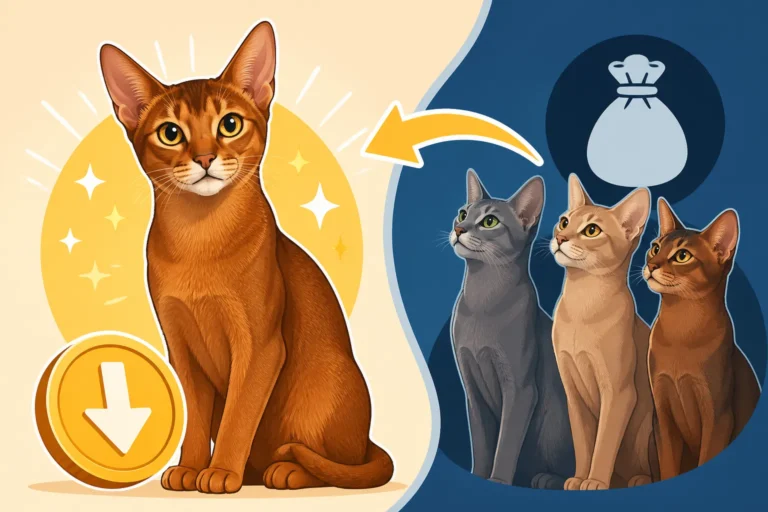
- Single Test vs. Panel: Opting for just the PK Deficiency test will naturally be less expensive than a full genetic panel that tests for multiple conditions, such as PRA-rdAc (progressive retinal atrophy) and potentially others. However, as discussed in Whether an Abyssinian Panel Is Cheaper Than Two Tests, a panel often offers a discounted rate per test compared to ordering each test individually. For breeders, this is almost always the preferred route, as it gives a full health picture of their breeding animals.
- Geographic Location: The cost of veterinary services, including consultation fees for sample collection, can vary significantly depending on where you live. A vet visit in a large metropolitan area might be considerably more expensive than in a rural setting. Similarly, shipping costs can be influenced by your location relative to the chosen lab.
- Breeder Practices: This is a crucial factor. Reputable Abyssinian breeders will have already tested their breeding cats for PK Deficiency and other relevant genetic conditions. They should provide you with copies of the parent's test results, and often, your kitten will come with a certificate of its own, meaning the cost of the initial testing has already been absorbed by the breeder. If a breeder asks you to test the kitten yourself, or if they offer an untested kitten at a significantly lower price, that's a major red flag, as discussed in Why an Untested Abyssinian Is Cheaper for a Reason. Always ask upfront about genetic testing protocols and results.
Here’s a simple breakdown of the cost components you might encounter:
| Cost Component | Description | Who Typically Pays (Initial Kitten Purchase) | Who Typically Pays (Testing Your Adult Cat) |
|---|---|---|---|
| Lab Fee | Price for genetic analysis (PKLR mutation). | Breeder (ideally) | Owner |
| Vet Consultation | Fee for vet to collect sample (cheek swab, blood draw). | Breeder (ideally) | Owner |
| Sample Kit | Sterile swabs, packaging; sometimes separate charge. | Breeder (ideally) | Lab/Owner |
| Shipping/Handling | Cost to mail sample to laboratory. | Breeder (ideally) | Owner |
| Interpretation Fee | Rare; vet might charge for complex result interpretation. | N/A | Owner (if required) |
Strategies to Manage Testing Expenses
While the cost of a PK Deficiency test is a necessary part of responsible Abyssinian ownership, there are definitely ways to approach these expenses smartly. Nobody wants to feel like they’re throwing money away, especially when it comes to something as vital as their cat's health. Planning ahead and knowing what to look for can really make a difference.
Bundling Tests for Better Value
Many genetic testing laboratories offer comprehensive genetic panels that screen for multiple breed-specific conditions simultaneously. For Abyssinians, this often includes not only PK Deficiency but also Progressive Retinal Atrophy (PRA-rdAc), which is another significant genetic concern for the breed. If you're looking to get a thorough health profile for your Abyssinian, especially if you're a breeder or have adopted an adult cat with an unknown history, opting for a panel is often more cost-effective than ordering each test individually.
Think of it like buying groceries in bulk versus buying single items – the unit cost goes down when you buy more. Labs package these tests together because the process of extracting and analyzing DNA is largely the same, regardless of how many specific markers they're looking for. By processing multiple tests from one sample, they save on overhead, and those savings are often passed on to you. How the Abyssinian's DNA Panel Is Ordered provides more detail on how this process works. This approach ensures you're not just addressing one potential issue, but gaining a broader understanding of your cat's genetic predispositions for a more complete picture of their health.
Breeder Responsibilities and Guarantees
The most straightforward way to "manage" the cost of PK Deficiency testing is to acquire your Abyssinian from a reputable breeder who has already done the necessary health screening. A responsible breeder understands their ethical obligation to the breed and will test all their breeding cats for known genetic diseases, including PK Deficiency. They should be transparent about these test results, providing clear documentation for both parents and often for the kitten itself. In fact, it's one of the key questions to ask, and What an Abyssinian Breeder Should Have Tested Before You Buy outlines exactly what to look for.
A good breeder's contract will typically include a health guarantee, which often covers genetic conditions like PK Deficiency. This means that if, for some unforeseen reason, your kitten were to develop a genetic disease that should have been screened for, the breeder would stand by their guarantee. This level of commitment from a breeder significantly reduces the financial burden on new owners when it comes to initial genetic health. If a breeder is unwilling to provide test results or offers kittens at a significantly reduced price because they haven't performed testing, it’s a major red flag that could lead to much higher costs down the road, both emotionally and financially.
Considering Pet Insurance
While pet insurance typically doesn't cover the cost of pre-emptive genetic screening tests themselves (as these are considered preventative or pre-existing if a diagnosis is made prior to enrollment), it can be an invaluable tool for managing the consequences of genetic conditions. If your Abyssinian were to be diagnosed as "affected" by PK Deficiency later in life, or if they developed severe symptoms requiring extensive veterinary care, diagnostic workups, medications, or even transfusions, pet insurance could provide significant financial relief.
Providers like Healthy Paws offer various plans that can help with unexpected accidents and illnesses. Imagining a scenario where your Abyssinian needs emergency care for an anemic episode, as described in How an Anemic Abyssinian Is Treated, those costs can quickly add up. Having a pet insurance policy in place before any symptoms or diagnoses appear means you won't have to make difficult financial decisions during a stressful health crisis. It acts as a safety net, allowing you to prioritize your cat's health without the immediate burden of overwhelming veterinary bills. While it doesn't cover the test itself, it's a critical component of responsible long-term Abyssinian ownership.
Beyond the Initial Test: Potential Future Costs
Getting your Abyssinian tested for PK Deficiency isn't just about the upfront cost; it's also about understanding the long-term implications of the results. The initial test provides a roadmap, indicating what kind of journey you might have with your cat regarding this particular genetic condition. Each outcome has its own set of considerations, and being prepared for these helps you provide the best possible care for your Abyssinian throughout their life.
Managing a Carrier Abyssinian
If your Abyssinian tests as a "carrier" for PK Deficiency, you might initially feel a pang of worry. However, for a pet cat that won't be used for breeding, a carrier status generally has very few direct future costs or implications. As mentioned earlier, carrier cats usually do not show any symptoms of the disease themselves because their single healthy gene produces enough of the necessary enzyme. Your Abyssinian can live a full, normal, and healthy life. Why an Abyssinian Marked as a Carrier Is Still Fine goes into more detail on this, offering peace of mind.
The primary “cost” here is largely informational: you'll know your cat carries the gene. This information is most crucial if you were ever to consider breeding them (which, if they're a pet, you likely won't, especially if they're spayed or neutered) or if you adopted them as an intact adult. If you ever found yourself in a situation where breeding was a possibility, the 'cost' would be the need to carefully select a “clear” mate to avoid producing affected kittens. Beyond that, a carrier Abyssinian requires no special diet, medication, or altered veterinary care specifically related to their carrier status for PK Deficiency. You'd continue to provide high-quality food and regular veterinary check-ups, just as you would for any healthy cat.
Implications of an Affected Abyssinian
This is where the potential for future costs can become significant. If your Abyssinian tests as "affected" by PK Deficiency, it means they have two copies of the mutated gene and will develop the disease, though the severity and onset can vary wildly. This result necessitates a proactive and ongoing relationship with your veterinarian. The immediate future "costs" will be emotional as you come to terms with the diagnosis, but financial costs will also arise from managing the condition.
These costs might include more frequent veterinary visits for monitoring their red blood cell count, specialized diagnostic tests like complete blood counts (CBCs) or advanced imaging, and potentially medications to manage anemia or secondary complications. In severe cases, an affected Abyssinian might require blood transfusions during an anemic crisis, which can be quite expensive, or even a splenectomy (surgical removal of the spleen) to reduce red blood cell destruction, a major surgical procedure with associated recovery costs. While it’s good to know Whether an Abyssinian With PK Deficiency Can Live Normally, the reality is that "normally" will often involve medical intervention and ongoing care tailored to their specific needs. These are the kinds of long-term health expenses that pet insurance, as discussed earlier, can really help mitigate.
The True Value of a Clear Result
Ultimately, the goal of genetic testing for PK Deficiency is to achieve a "clear" result, which offers the greatest long-term value and the lowest future costs related to this specific condition. A clear result means your Abyssinian does not carry the gene, cannot develop the disease, and cannot pass it on. This provides immense peace of mind, knowing that you've eliminated one significant genetic health concern from your cat's future.
The value isn't just financial; it's also about peace of mind. You won't have to worry about subtle symptoms or the potential for expensive treatments related to PK Deficiency. You can focus your energy and resources on their general well-being, providing a stimulating environment, quality nutrition, and routine preventative care. While life always holds unexpected twists and turns, having a clear PK Deficiency test result allows you to enjoy your spirited Abyssinian, knowing that you’ve done your due diligence in safeguarding their genetic health, setting them up for the best possible life.
Disclaimer
This article is for general informational purposes only and does not constitute professional advice. Laws, prices and regulations vary by location and change over time. Consult a qualified professional for guidance on your specific situation.