What a Retinal Atrophy Test Costs for an Abyssinian
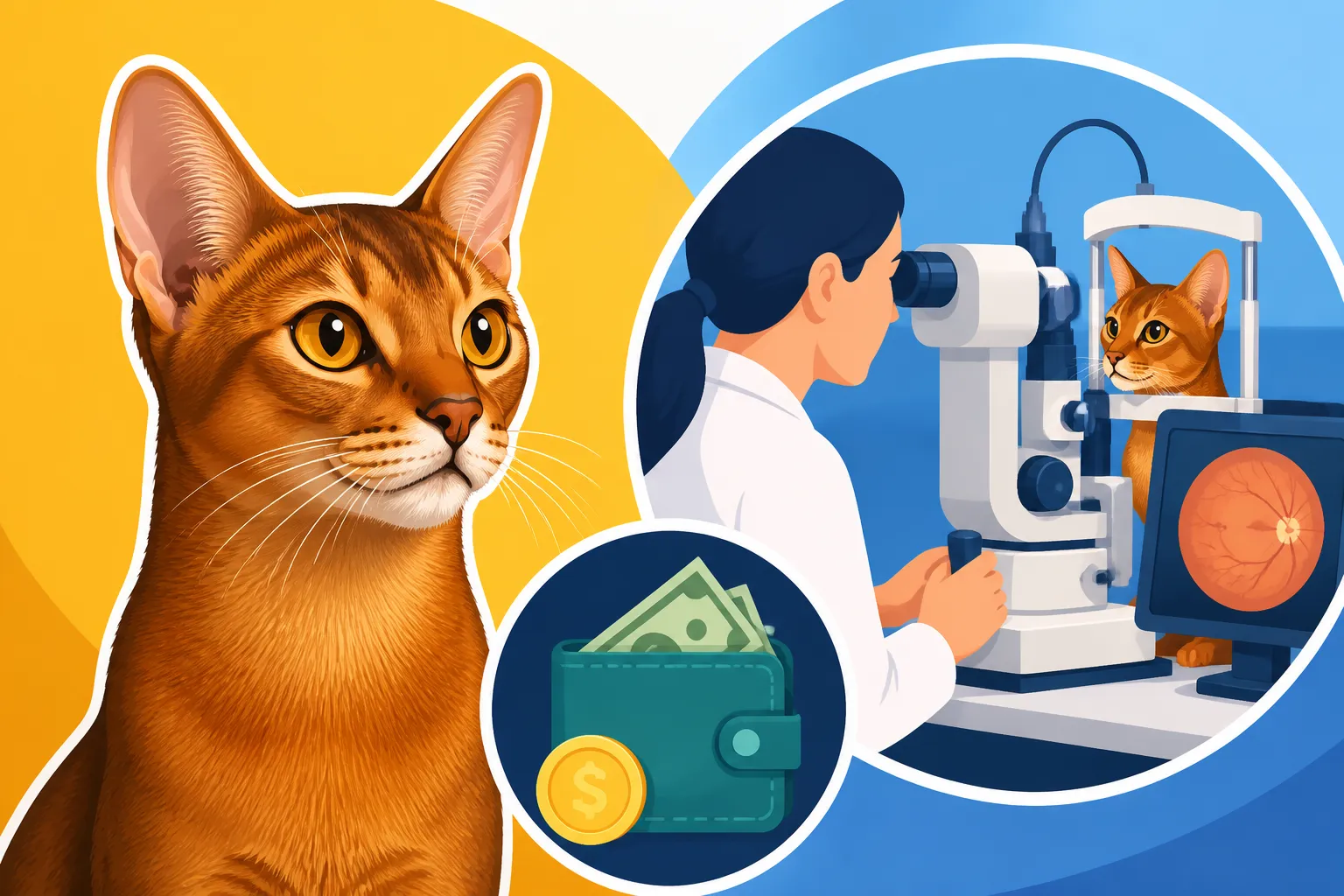
The thought of your active, playful Abyssinian losing its sight is a truly heartbreaking one, and it's a very real concern for many Abyssinian owners. Progressive Retinal Atrophy (PRA-rdAc) is a condition that can gradually diminish your cat's vision, leading to blindness if not understood and, where possible, prevented through responsible breeding. This guide will walk you through what the PRA-rdAc test entails, the various costs associated with it, and why understanding these expenses is crucial for every Abyssinian family.
Understanding Progressive Retinal Atrophy (PRA-rdAc) in Abyssinians
It's natural to feel a knot in your stomach when you hear about genetic diseases, especially when they threaten something as vital as sight. For Abyssinian owners, Progressive Retinal Atrophy, specifically the rdAc form, is one of those conditions that warrants close attention. It's a disease that doesn't just appear out of nowhere; it's passed down through generations, making genetic testing incredibly important.
What is PRA-rdAc and Why is it a Concern?
Imagine your vibrant, intelligent Abyssinian navigating your home with grace and confidence, then slowly, gradually, losing its ability to see. That's the reality of PRA-rdAc. This inherited eye disease causes the photoreceptor cells in the retina – the rods and cones responsible for detecting light – to degenerate over time. While the cat is born with normal vision, these cells essentially "burn out" prematurely. The "rdAc" stands for "rod-cone degeneration, Abyssinian type," clearly indicating its breed-specific nature. Most cats affected by PRA-rdAc begin to show signs of night blindness in their early years, often around one to two years of age, though the progression can vary. The disease then steadily advances, eventually leading to complete blindness, typically by the time the cat is five years old. It’s a slow, insidious process that can be difficult to notice at first, as cats are masters at adapting to their diminishing vision. You might not even realize How PRA-rdAc Blinds an Abyssinian Slowly, but early signs are subtle, like hesitation in dimly lit rooms or bumping into familiar furniture.
This condition is a significant concern not just because of the devastating impact on an individual cat's quality of life, but also because of its prevalence within the Abyssinian breed. It's a recessive genetic condition, meaning a cat needs two copies of the faulty gene (one from each parent) to develop the disease. A cat with only one copy is a carrier; they won't develop PRA-rdAc themselves but can pass the gene on to their offspring. This makes it a silent threat within breeding lines if not actively managed through testing.
The Importance of Genetic Testing
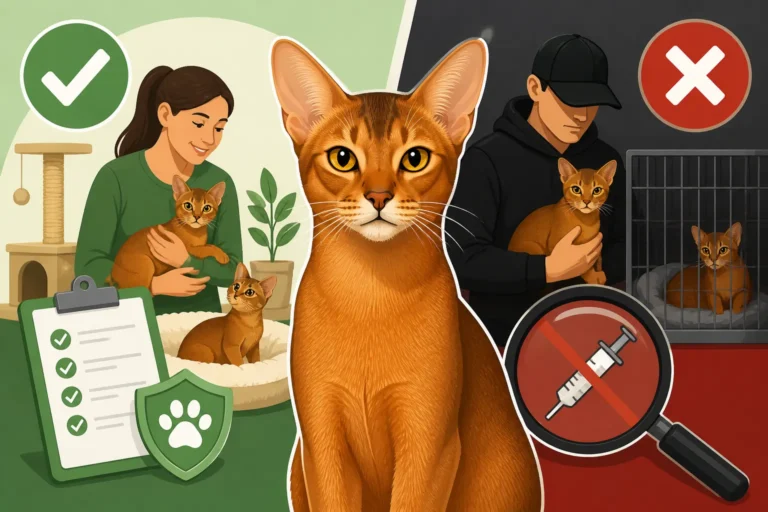
Genetic testing for PRA-rdAc isn't just a formality; it's a cornerstone of responsible Abyssinian breeding and ownership. For breeders, it's about ensuring the health and integrity of future generations. By testing all breeding cats, they can identify carriers and affected individuals, allowing them to make informed decisions to prevent passing on the disease. This careful selection ensures that kittens sold as pets or for future breeding are either clear or, at worst, carriers (which is acceptable for a pet, but not for breeding with another carrier). It's a proactive step that safeguards the breed's future and prevents immense heartache for future owners. How the CEP290 Test Clears an Abyssinian is a testament to how far genetic science has come in helping us manage these issues.
For prospective pet owners, asking about the parents' genetic test results is non-negotiable. A reputable breeder will always provide documentation proving their breeding cats are clear of PRA-rdAc. This offers peace of mind that your future kitten won't face this particular struggle. Even if you adopt an adult Abyssinian from a rescue, knowing their genetic status can help you prepare for their future health needs. It’s about being informed and empowered to provide the best possible life for your furry companion.
Breaking Down the Cost of an Abyssinian PRA-rdAc Test
When you consider a genetic test, it's easy to just think of a single number, but the reality is often a bit more nuanced. The total cost of an Abyssinian PRA-rdAc test can be influenced by several factors, from where the sample is taken to which laboratory processes it. It’s not just a flat fee; it’s a culmination of services.
Components of the Test Cost
Typically, there are a few distinct components that make up the overall cost of a PRA-rdAc test for your Abyssinian:
- The Laboratory Fee: This is the core cost, charged by the genetic testing laboratory for analyzing your cat's DNA. This fee covers the scientific process of extracting DNA from the sample, running the specific genetic markers for PRA-rdAc (the CEP290 gene mutation), and generating the results. This is often the largest single component of the cost.
- Veterinary Sample Collection Fee: While a cheek swab is often sufficient for DNA testing, it's best practice, and sometimes required by labs or registries, for a veterinarian to collect the sample. This ensures proper collection technique, accurate labeling, and Chain of Custody for official results, especially for breeding animals. Your vet will charge a consultation fee or a specific "sample collection" fee for this service. This is similar to any routine vet visit where a sample is taken, even if it's not a full examination.
- Shipping and Handling: Once the sample is collected, it needs to be securely shipped to the chosen laboratory. This will incur postal or courier charges. Some labs might include a return shipping label as part of their kit, while others require you to arrange and pay for shipping separately. If the lab is international, these costs can increase due to customs and expedited shipping needs.
It's important to remember that these aren't always itemized as separate charges on one bill. Sometimes a breeder or vet might quote an all-inclusive price, but understanding these underlying components helps you appreciate the true value of the service.
Factors Influencing the Price
The final price tag for an Abyssinian PRA-rdAc test isn't uniform across the board. Several variables can cause it to fluctuate:
- Standalone Test vs. DNA Panel: Many genetic testing laboratories offer comprehensive DNA panels for various breeds. For Abyssinians, this often includes tests for PRA-rdAc, Pyruvate Kinase Deficiency (PKD), and potentially other traits like long hair. Purchasing a full panel typically offers a significant discount compared to ordering each test individually. So, if you're planning to test for multiple conditions, opting for a panel is almost always more cost-effective. How an Abyssinian's DNA Panel Is Ordered explains this in more detail.
- Choice of Laboratory: Different genetic testing laboratories have different pricing structures. Some are university-affiliated and may have different rates than private commercial labs. It's worth comparing prices and services from a few reputable labs to find the best fit, keeping in mind that the cheapest option isn't always the best in terms of turnaround time or customer service.
- Geographic Location: Veterinary fees can vary widely depending on your region, city, or even the specific clinic. A vet in a large metropolitan area might charge more for a sample collection than one in a rural setting. Similarly, shipping costs will depend on the distance to the lab.
- Breeder vs. Owner-Initiated Testing: If you are purchasing a kitten, a reputable breeder will have already performed these tests on the parents and often on the kittens before they go home. In this case, the cost is usually absorbed into the kitten's purchase price, and you receive the results as part of your The Test Results an Abyssinian Breeder Owes You. If you are testing an adult cat you already own, or a rescue Abyssinian, you will be responsible for the full cost directly.
Navigating the Testing Process and Financial Considerations
So, you've decided to get your Abyssinian tested. Great! Knowing what to expect during the process and how to mentally prepare for the financial outlay can make everything smoother.
How the Test is Performed
The process for collecting a DNA sample for PRA-rdAc testing is relatively simple and non-invasive, which is a relief for both you and your cat.
The most common method involves a buccal swab, which is essentially rubbing a sterile cotton swab firmly along the inside of your cat's cheek and gums. This collects epithelial cells that contain DNA. It's quick, painless, and can often be done during a regular vet visit, or even by yourself if the lab allows and provides clear instructions. Some labs prefer or require a blood sample, which a veterinarian must draw. While slightly more invasive, a blood sample generally yields a higher quantity and quality of DNA, which can be beneficial for certain tests or if initial swab results are inconclusive. Once collected, the sample is allowed to dry, placed in a special sterile envelope or tube provided by the lab, and then packaged for shipping.
The results typically take a few weeks to come back, depending on the lab's current workload and your chosen service level. You'll receive a certificate indicating your Abyssinian's status: "Clear" (no copies of the mutation), "Carrier" (one copy of the mutation), or "Affected" (two copies of the mutation). This information is invaluable for managing your cat's health and making responsible breeding decisions. When an Abyssinian Kitten Can Be Tested for rdAc is usually quite early, allowing breeders to make informed choices.
Average Cost Ranges and What to Expect
Because I can't provide specific, current numbers, let's talk about the shape of these costs. A standalone PRA-rdAc test can typically range from a modest fee to a moderate fee, often comparable to other specialized veterinary diagnostic tests. If you opt for a full genetic panel that includes PRA-rdAc along with other common Abyssinian conditions like PK Deficiency, the overall panel price will be higher, but the cost per test within the panel often works out to be less.
Think of it this way:
- Budget-Friendly End: This might involve a low-cost lab, an owner-collected cheek swab (if allowed), and standard shipping.
- Mid-Range: This is more common, including a reputable lab fee, a vet-collected cheek swab, and standard shipping. This often provides the best balance of reliability and cost.
- Higher End: This could involve a comprehensive panel from a premium lab, vet-drawn blood sample, and expedited shipping.
It's always a good idea to call a few veterinary clinics in your area for their sample collection fees and then check the websites of a couple of well-known feline genetic testing labs for their current pricing on individual PRA-rdAc tests or Abyssinian panels. Don't be shy about asking for an estimate before committing!
Long-Term Value Versus Upfront Expense
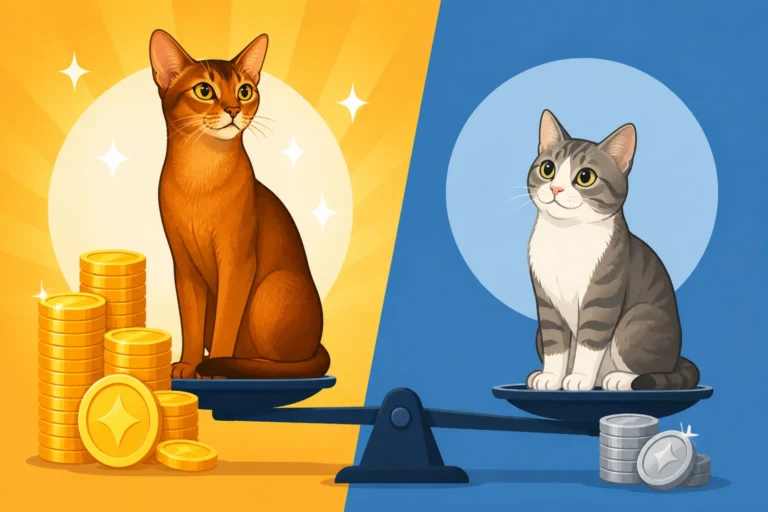
It's easy to look at the immediate cost of a genetic test and balk, especially when you're already factoring in the What a Pet Quality Abyssinian Sells For and the general What an Abyssinian Costs to Keep Every Year. However, it's crucial to view this expense not as a burden, but as a wise investment in your cat's future and your own peace of mind.
Consider the alternative: if an Abyssinian develops PRA-rdAc, while there's no cure, managing a blind cat requires adaptations, and ruling out other eye conditions may involve expensive specialist veterinary visits over its lifetime. The emotional toll of watching your beloved pet gradually lose its sight is immeasurable. The upfront cost of a genetic test, which is a one-time expense, is a tiny fraction of what potential diagnostic workups or lifetime care for an affected cat might entail. For breeders, this small investment prevents the spread of a devastating disease, upholding ethical standards and protecting the breed. It truly is a case where an ounce of prevention is worth a pound of cure, both financially and emotionally.
Finding Reliable Testing Services and Managing Costs
Finding a trusted lab and understanding your financial options are key steps once you decide to test your Abyssinian for PRA-rdAc. It's about making informed choices that benefit your cat without breaking the bank.
Reputable Laboratories and Testing Panels
When it comes to genetic testing, reliability is paramount. You want results you can trust. Several well-regarded laboratories specialize in feline genetic testing, often working in conjunction with veterinary schools or breed clubs. When researching, look for labs that:
- Are recognized by major cat registries (like CFA or TICA) or veterinary organizations.
- Clearly state the specific gene mutation they are testing for (in this case, CEP290 for PRA-rdAc).
- Offer easy-to-understand results and support.
- Have clear instructions for sample collection and submission.
Many labs offer breed-specific panels, which are often the most economical way to test for multiple conditions common to Abyssinians. Beyond PRA-rdAc, these panels frequently include tests for Pyruvate Kinase Deficiency (PKD), another significant genetic concern for the breed. If you plan to breed your Abyssinian, ensuring they are clear of both PRA-rdAc and PKD is critical for ethical reasons, and Why an Abyssinian Stud Must Be Cleared Before Use applies to queens as well.
The Role of Responsible Breeders in Cost Transparency
A hallmark of a truly responsible Abyssinian breeder is their transparency regarding health testing. They understand the costs involved and proactively absorb them to ensure healthy kittens. They will not only perform genetic tests on their breeding cats for conditions like PRA-rdAc and PK Deficiency but will also be upfront about sharing those results with you. When you inquire about a kitten, they should readily provide copies of the parents' (and sometimes the kitten's) genetic test certificates. You should also be able to How to Verify an Abyssinian's Test Certificate to ensure authenticity.
If a breeder seems evasive about testing, or tells you testing is "too expensive," consider it a significant red flag. The small saving on a cheaper, untested kitten is dwarfed by the potential veterinary bills and heartbreak down the line if the cat develops an inherited condition. Good breeders consider the cost of testing an essential part of their breeding program, not an optional extra.
Considering Pet Insurance or Wellness Plans
While pet insurance typically doesn't cover pre-purchase genetic testing (as it's a preventative measure, not treatment for an illness), it's definitely something to consider for the broader health of your Abyssinian. Many pet insurance providers, such as Healthy Paws, offer various plans that can help offset the costs of unexpected illnesses, accidents, and sometimes even hereditary conditions if they develop after the policy is in effect. If you have concerns about the long-term health implications of not testing, or if your cat is a carrier and you want to be prepared, an insurance policy can provide a financial safety net. Whether Pet Insurance Is Worth It for an Abyssinian is a question many owners grapple with, and for a breed with specific genetic predispositions, it often is.
Some pet wellness plans, sometimes offered directly by veterinary clinics or as add-ons to insurance, might include discounts on routine diagnostics, which could potentially cover a portion of a vet-collected sample fee if it's considered routine. However, the lab fee for the genetic test itself is less likely to be covered. When planning your budget for your energetic Abyssinian, which may include regular purchases of food, toys, or even specialty diets, remember to factor in potential health costs. Proactive genetic testing is an investment that can help you avoid more substantial expenses and emotional distress in the future.
Comparison of Genetic Testing Scenarios
Understanding the different ways you might encounter genetic testing for PRA-rdAc can help clarify the associated costs and benefits.
| Scenario | Primary Cost Bearer | Typical Cost Components | Advantages | Considerations |
|---|---|---|---|---|
| Kitten from Reputable Breeder | Breeder | Included in kitten purchase price | Peace of mind, documented healthy lineage, breeder handles logistics. | Kitten price might be higher upfront, but covers extensive health assurance. |
| Testing Your Own Adult Cat | Pet Owner | Lab fee, vet visit for sample, shipping | Confirms current cat's status, informs future breeding decisions (if applicable), crucial for rescues. | Direct out-of-pocket expense, requires owner initiative. |
| Genetic Panel (Multiple Tests) | Pet Owner or Breeder | Reduced cost per test compared to individual tests | Comprehensive health screening, often more cost-effective overall. | Higher total upfront cost than a single test, but covers more potential issues (e.g., PK Deficiency). |
| Rescue Abyssinian | Rescue Organization / Adopter | Varies; sometimes tested by rescue, sometimes adopter | Provides health info for a cat whose history may be unknown. | Adoption fee might include tests, or adopter may need to test for full peace of mind. |
This table illustrates that while the "cost" of the test might seem to disappear into a kitten's purchase price, the work and expense are still there, undertaken by a responsible breeder. For those acquiring an Abyssinian through other means, understanding these scenarios helps budget and plan effectively. The crucial takeaway is that the information gained from testing is invaluable, regardless of how the cost is ultimately structured.
Disclaimer
This article is for general informational purposes only and does not constitute professional advice. Laws, prices and regulations vary by location and change over time. Consult a qualified professional for guidance on your specific situation.