Why an Abyssinian Will Not Sit on Your Lap
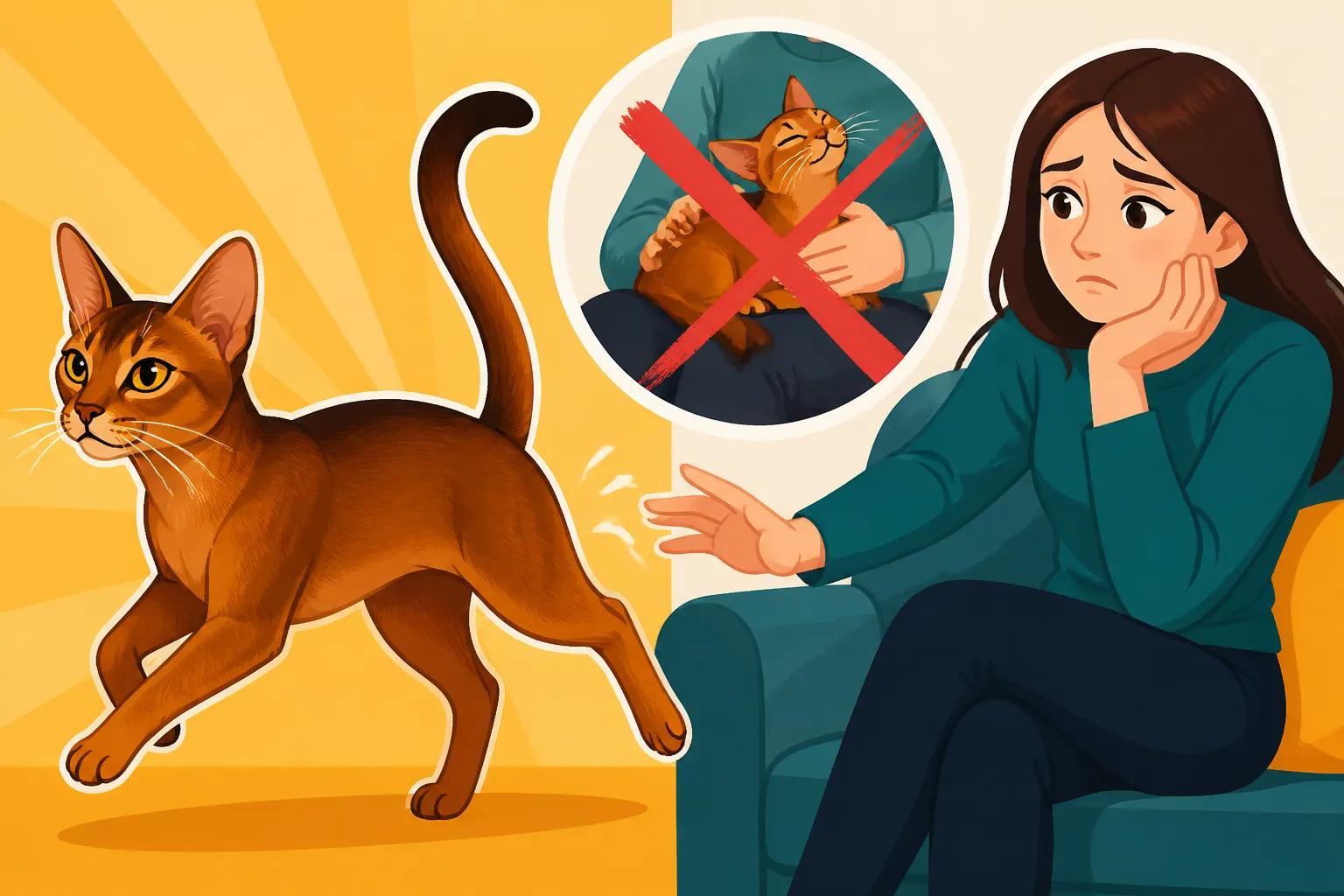
One of the most common moments of disappointment for new Abyssinian owners happens when they settle down for an evening, anticipating a warm, purring bundle on their lap, only to find their Aby bouncing off the walls, exploring the highest shelves, or simply sitting next to them rather than on them. This guide is here to unravel the mystery of why your Abyssinian isn't a traditional lap cat and how they show their abundant affection in their own unique, and often exhilarating, way.
Understanding the Abyssinian's Innate Energy Levels
If you've ever spent more than five minutes with an Abyssinian, you've probably noticed they are in a perpetual state of motion. They are not built for long stretches of idleness, and this fundamental aspect of their personality deeply influences how they interact with their human companions, including their stance on lap-sitting.
The 'Clown of Cats' Reputation
The moniker "Clown of Cats" isn't just a cute nickname; it's a profound descriptor of the Abyssinian's vibrant, often comical, personality. These cats are ceaselessly curious, playful, and incredibly intelligent, which means their minds are constantly seeking out new stimuli and challenges. They approach life with an infectious enthusiasm that can be both endearing and, at times, utterly exhausting for their human counterparts. Imagine trying to sit still when every fiber of your being is telling you there's a new scent to investigate, a shadow to chase, or a cupboard door that might just yield an interesting discovery. That's essentially an Abyssinian's internal monologue.
This high-octane energy isn't something they can simply switch off. It's woven into their very DNA. From the moment they wake up, usually with the sun or, let's be honest, well before it, they are on a mission. Their day is a grand adventure, and they expect you to be a part of it, not a static piece of furniture for them to recline upon. While other breeds might happily snooze away the better part of the day, an Abyssinian is busy observing, calculating, and planning their next playful ambush or acrobatic feat. This inherent drive for activity means that the idea of settling down for an hour-long cuddle session on your lap often conflicts with their primary directives: explore, play, and engage with the world around them. It's not a rejection of you, but rather an affirmation of their bustling spirit.
A Breed Built for Movement, Not Stillness
The Abyssinian's sleek, muscular physique and agile movements are a testament to their athletic nature. They are not heavy-boned, chunky cats designed for lounging. Instead, they possess a lithe grace that allows them to scale heights, leap impressive distances, and dart around corners with breathtaking speed. Every aspect of their physical design screams "action hero," not "lap warmer." Their short, dense coat, lacking a thick undercoat, means they don't have the same insulation as some fluffier breeds, making sustained close contact less about warmth and more about connection – a connection they prefer to experience on their own terms, often in motion.
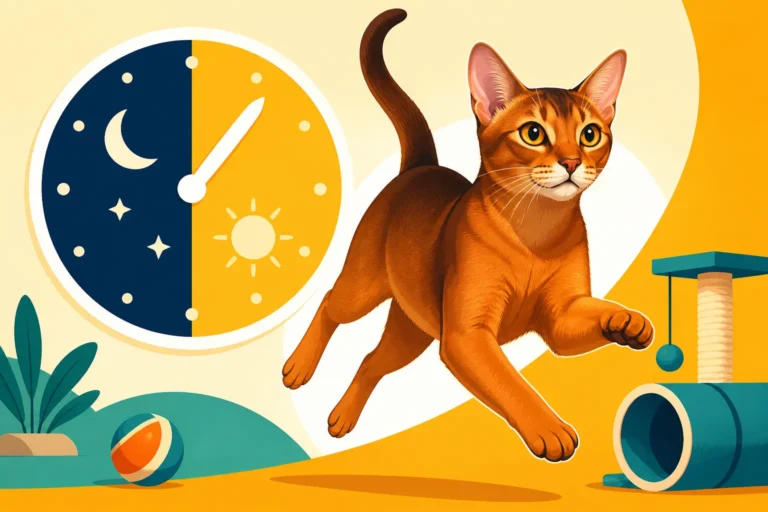
Think of it this way: their bodies are finely tuned machines, always ready for the next sprint or climb. Expecting them to transform into a docile lap ornament is akin to asking a cheetah to act like a house cat. It simply goes against their natural instincts and physical capabilities. They are explorers, hunters, and acrobats, and they derive immense satisfaction from using their bodies and minds to interact with their environment. Their interactions with you will often involve movement, whether it's weaving around your legs, leading you to their favorite toy, or launching themselves onto your shoulder for a bird's-eye view. This constant need for physical expression means that while they absolutely adore your company, their expression of that affection often involves them being near you, with you, or around you, rather than on you. They want to be involved in whatever you're doing, no matter how mundane, always ready to turn it into a game or a shared exploration. How Many Hours a Day an Abyssinian Stays Active might surprise you!
The Abyssinian's Unique Way of Showing Affection
Just because your Abyssinian isn't a traditional lap cat doesn't mean they're not affectionate. Far from it! They simply have their own, often more active, ways of demonstrating their love and connection with you. Understanding these unique behaviors is key to appreciating the deep bond you share.
The Shoulder Perch and Follow-Me Game
If you've spent any time in an Abyssinian household, you've likely experienced the "shoulder perch." This is a classic Aby move: a sudden, often unannounced, leap onto your shoulder, where they will survey their domain from a privileged vantage point. It's not a gentle climb, but a deliberate act that asserts their presence and their desire to be close to you, albeit on their terms. From your shoulder, they might purr deeply into your ear, nuzzle your neck, or simply observe the room with an air of regal contentment. This is their equivalent of a lap cuddle – a brief, intense burst of affection and connection that satisfies their need for height and proximity simultaneously. Why an Abyssinian Perches on Your Shoulder is a truly fascinating insight into their nature.
Beyond the shoulder perch, Abyssinians are masters of the "follow-me" game. You'll rarely be truly alone in your home with an Aby around. Whether you're moving from the kitchen to the living room, heading to the bathroom, or simply grabbing a book, your Abyssinian will be your shadow. They're not just idly following; they're actively supervising, participating, and engaging with your movements. They might weave through your legs, dart ahead to check out your destination, or even leap onto a counter to watch you prepare a meal. This constant companionship is their way of saying, "I love you, and I want to be involved in everything you do." It's an active, present form of affection that speaks volumes about their devotion. They might not be on your lap, but they are undeniably with you, every step of the way. This ever-present nature makes them incredibly engaging companions, even if they aren't the cuddly type you might initially expect. Why an Abyssinian Follows You Without Sitting Still explores this behavior in more detail.
Active Participation in Your Life
Abyssinians are not passive observers of your life; they are enthusiastic participants. They don't just want to be in your home; they want to be part of your activities. If you're working on your laptop, an Aby might "help" by batting at the cursor on the screen, investigating the keyboard, or attempting to scale the back of your chair. If you're reading a book, they might head-butt the pages, demand scritches, or try to "read" along with you, often by sitting on the book itself. Their presence is active and undeniable.
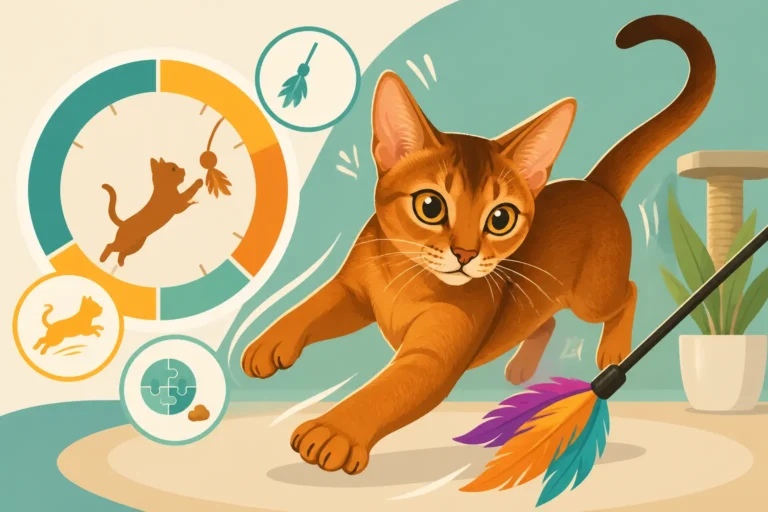
This active participation extends to playtime, which for an Abyssinian, is a serious business and a profound bonding experience. They thrive on interactive play with wand toys, laser pointers, and puzzle feeders. A vigorous ten-minute play session where you're actively engaging with them, chasing, pouncing, and retrieving, is far more meaningful to an Abyssinian than an hour of passive lap-sitting. This is where they truly connect, channeling their incredible energy and intelligence into shared fun. They learn quickly, adapt to new games, and will often bring you their favorite toys, initiating playtime themselves. This isn't just a way to burn off steam; it's a critical component of their emotional well-being and a primary means by which they express and receive affection. They communicate their love through shared experiences, through play, and through their constant, engaging presence in your daily routines. How an Abyssinian Shows Affection Instead of Lap Sitting delves deeper into these loving quirks.
Why Traditional Lap Sitting Isn't Their Jam
Understanding why Abyssinians aren't typical lap cats requires a dive into their inherent instincts and their preference for constant engagement rather than static closeness. It's not a personal affront; it's just how they're wired.
A Deep-Seated Need for Exploration and Supervision
At their core, Abyssinians are explorers. Their sleek build and keen senses are designed for investigation and discovery. They are perpetually curious, always on the lookout for something new, something to climb, something to bat, or something to "supervise." The world, to an Abyssinian, is a dynamic place ripe for investigation, and sitting still on a lap feels like missing out on crucial intelligence. They have an almost insatiable need to know what's happening in every corner of their territory, and that includes monitoring your activities closely.
Imagine an Abyssinian settling onto your lap. For a brief moment, they might enjoy the warmth and proximity. But then, a flicker of light catches their eye, a faint sound echoes from another room, or they simply realize they haven't checked under the sofa in at least five minutes. Their inner detective immediately takes over, overriding any desire for prolonged stillness. Their brains are constantly processing information, identifying potential play opportunities, and assessing their environment for changes. Being anchored to a lap for too long feels restrictive to their independent, investigative spirit. They want to be free to move, to observe from various vantage points, and to spring into action at a moment's notice. This need for constant situational awareness makes long, stationary cuddles a challenging proposition for many Abyssinians.
Short Attention Spans and Constant Stimulation
While incredibly intelligent, Abyssinians are also known for their relatively short attention spans when it comes to sedentary activities. They thrive on novelty and variety. A play session that might engross another cat for twenty minutes might only hold an Aby's interest for five, prompting them to move on to the next exciting thing. This thirst for constant, fresh stimulation means that the static experience of lap-sitting often doesn't provide the level of engagement their active minds crave.
Their highly developed senses contribute to this. Their large, alert ears pick up every rustle, their bright, expressive eyes track every movement, and their sensitive noses constantly sample the air. This constant influx of sensory information fuels their restless spirit. They simply can't ignore the world around them for the sake of a quiet cuddle. Instead, they prefer interactions that involve movement, problem-solving, and direct engagement. This isn't to say they don't enjoy quiet moments; they do, but often these moments are spent perched on a nearby shelf, observing you from a slight distance, or even just touching you with a paw as they pass by. They want to be close, but they want that closeness to be dynamic and on their own terms, often involving a degree of independence that lap-sitting doesn't offer.
Creating Alternative Forms of Connection
Since traditional lap-sitting isn't an Abyssinian's primary love language, it's essential to find and nurture alternative ways to connect with them. These methods often lean into their natural inclinations for activity and engagement, strengthening your bond in ways that truly resonate with your energetic feline companion.
Interactive Play as a Bonding Experience
For an Abyssinian, playtime isn't just exercise; it's a vital form of communication and a cornerstone of their relationship with you. This is where their predatory instincts come alive, and where they feel truly understood and engaged. Instead of trying to force a lap snuggle, embrace the opportunity to connect through vigorous, interactive play. Think of it as their primary love language.
Invest in a variety of wand toys with different feathers, ribbons, and attachments. An Abyssinian can quickly lose interest in a single toy, so a rotation keeps things fresh and exciting. Consider brands like Da Bird or The Cat Dancer, which are known for their ability to captivate even the most discerning felines. Schedule dedicated play sessions throughout the day, perhaps 10-15 minutes in the morning and another in the evening. During these times, give your Aby your full attention. Mimic prey movements, allowing them to chase, stalk, pounce, and "catch" the toy. Let them win often; it boosts their confidence and satisfaction. These sessions fulfill their innate need to hunt, and the shared activity strengthens the bond between you. You'll find that an Abyssinian who has had a good, engaging play session is often more content and might even choose to settle near you afterwards, if not directly on you. How Much Play an Abyssinian Needs Each Day will give you a better idea of how to structure this.
Beyond wand toys, consider puzzle feeders that require them to use their intellect to get treats or kibble. This mental stimulation is just as important as physical exercise for an Abyssinian. There are many options available on Amazon, from simple treat balls to complex multi-stage puzzles. These items tap into their problem-solving abilities and provide a sense of accomplishment, which can also contribute to a calmer, more satisfied cat.
High Places and Shared Spaces
Abyssinians are arboreal by nature, meaning they love to be up high. They feel most secure and in control when they can survey their territory from an elevated position. This isn't just about their comfort; it's a deep-seated instinct. Providing ample vertical space for them isn't just good enrichment; it's a way to foster connection by acknowledging and accommodating their natural tendencies.
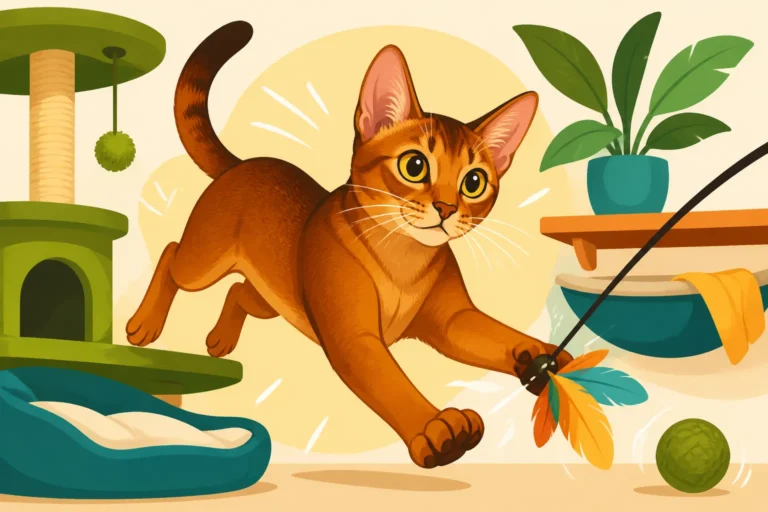
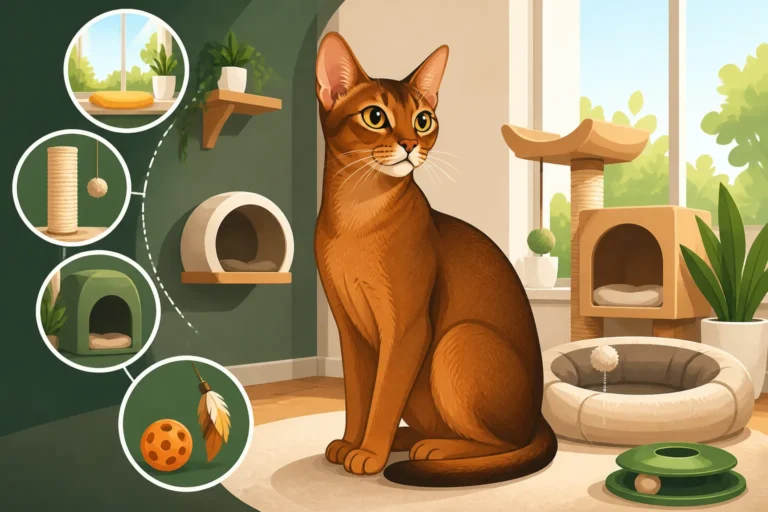
Consider installing cat shelves or ledges on your walls, creating a "cat superhighway" that allows them to traverse rooms without touching the floor. Large, sturdy cat trees that reach the ceiling are also excellent investments. Place these climbing structures in rooms where you spend a lot of time, so they can be "with" you from their preferred vantage point. An Abyssinian perched on a shelf above your head or on the top tier of a cat tree is often expressing affection just as surely as a cat purring on your lap. They are choosing to be in your presence, observing you, and sharing your space in a way that feels natural and comfortable to them. Why Wall Shelves Work Better Than a Tree for an Abyssinian details how to implement this effectively.
You might also find your Abyssinian chooses to sit on the back of your sofa, on a table near you, or even on a tall bookshelf while you're relaxing. These are their "shared spaces." Acknowledge their presence with a gentle stroke as you pass by, or by simply talking to them. This validates their choice to be near you and reinforces the idea that you appreciate their unique form of companionship. Their preference for height also means they might enjoy a window perch, especially if it offers a view of birds or squirrels, providing hours of engaging "cat TV." Many affordable and sturdy window perches can be found on Amazon.
The Role of Environment and Enrichment
An Abyssinian's environment plays a crucial role in shaping their behavior and how they express themselves. A dull, underequipped home will lead to a bored, potentially destructive Aby, whereas a stimulating and well-designed space will allow their natural intelligence and athleticism to shine, leading to a happier, more content cat that still might not be a lap cat, but will certainly be an engaging companion.
Vertical Space is Paramount
If there's one thing an Abyssinian craves, it's verticality. Unlike some cats who are content to sprawl on the floor or a sofa, Abyssinians have an innate drive to climb and explore the highest points in any room. This isn't just a preference; it's a deep-seated instinct tied to their agility and their need to survey their surroundings from a position of safety and command. Without adequate vertical space, an Abyssinian will create its own, often to the detriment of your bookshelves, curtains, or even kitchen cabinets.
Think about providing sturdy, multi-level cat trees that reach as high as possible. Look for robust models that won't wobble when your Aby launches itself to the top. Placement is key; position them near windows or in central areas where your cat can watch household activities. Wall-mounted shelves and ledges are even better, allowing you to create custom climbing routes and perching spots that integrate seamlessly into your home decor. These don't have to be complex or expensive; simple, well-secured wooden planks can make an enormous difference. The more opportunities you give your Abyssinian to go up, the happier and more fulfilled they will be. This sense of having their own high territory can lead to a more relaxed cat, who, in turn, might be more inclined to choose to spend moments near you, even if not directly on your lap. How Many Vertical Levels an Abyssinian Needs outlines ideal setups.
Creating these vertical havens isn't just about fun; it's about mental enrichment. Planning their ascent and descent, balancing on narrow ledges, and surveying their domain from above provides a constant source of intellectual stimulation. It allows them to feel like active participants in their environment rather than passive residents. When they have proper outlets for their climbing instincts, you'll find they are generally calmer and less likely to engage in unwanted behaviors like counter-surfing or scaling furniture you'd prefer they leave alone.
Mental Stimulation to Channel Their Energy
An Abyssinian's mind is as active as their body, and simply providing physical outlets isn't enough. They need mental challenges to prevent boredom, which can quickly lead to destructive behavior or excessive vocalization. If your Abyssinian isn't getting enough mental stimulation, they might become restless, demanding, or even a bit naughty – opening cabinets, knocking things off shelves, or generally stirring up trouble to entertain themselves. What an Abyssinian Does When It Is Bored can be quite a sight!
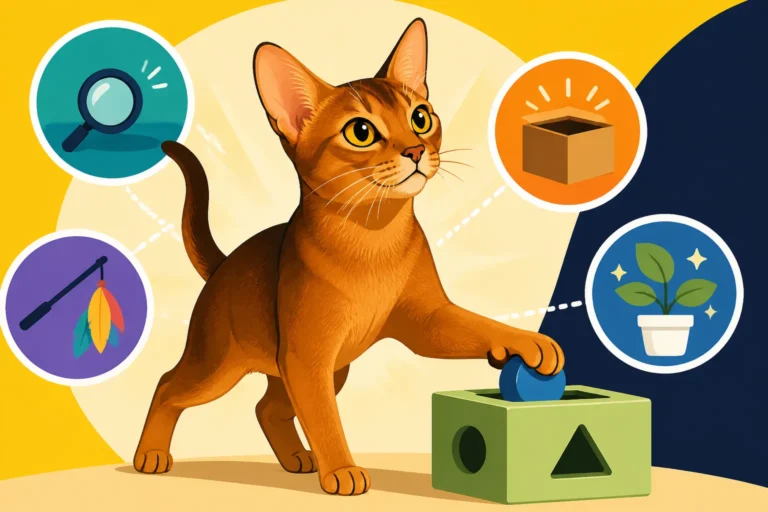
Puzzle feeders are excellent for this. As mentioned earlier, these devices require your Aby to figure out how to extract treats or kibble, engaging their problem-solving skills. Start with simpler puzzles and gradually introduce more complex ones as your cat masters them. Rotating these puzzles helps maintain interest. Scent games are another fantastic way to stimulate their keen sense of smell. Hide treats around the house, encouraging them to use their nose to hunt them down. This mimics their natural foraging behavior and provides a rewarding challenge. Even simple cardboard boxes can become elaborate play structures when combined with crinkle balls or catnip-filled toys.
Interactive cat videos or bird feeders placed outside a window can provide passive mental stimulation, giving them something engaging to watch and "hunt" visually. Consider smart toys from brands like PetSafe that move unpredictably or offer various modes of engagement, which can be particularly useful if your Abyssinian is home alone for periods. By consistently providing diverse forms of mental stimulation, you help channel their immense energy and intelligence in positive ways. A mentally satisfied Abyssinian is a happier Abyssinian, even if they're still not applying for the role of your dedicated lap warmer. This proactive approach to enrichment shows them you understand and appreciate their unique needs, deepening your bond in a way that respects their very nature.
| Affection Style | Description | Abyssinian Example | Traditional Lap Cat Example |
|---|---|---|---|
| Physical Proximity | Desire to be in the same room or nearby. | Follows you from room to room; perches on back of sofa near you. | Sleeps on your chest or curled at your feet for hours. |
| Interactive Engagement | Expresses love through shared activities. | Engages enthusiastically in wand play; "helps" with chores. | Tolerates petting while relaxing; enjoys gentle grooming. |
| Vocalizations | Uses specific sounds to communicate. | Chirps to get your attention; "talks" to you as you move. | Deep, rumbling purr while being held; soft meows for food. |
| Physical Touch | Initiates contact, often in passing. | Head-butts your leg; rubs against you; leaps onto shoulder for a brief nuzzle. | Kneads on your lap; settles down for extended petting. |
| Exploration/Supervision | Shows care by overseeing your activities. | Watches you from a high perch; inspects your belongings. | Watches you from a comfortable, low vantage point. |
Managing Expectations for a Lifetime of Abyssinian Love
When you bring an Abyssinian into your home, you're signing up for a dynamic, intelligent, and incredibly engaging companion, but it's crucial to adjust your expectations about how that companionship will manifest. They offer a different, but equally profound, kind of love.
Accepting Their Quirks and Embracing Their Pace
One of the most important things you can do for your relationship with an Abyssinian is to let go of the idealized image of the stereotypical lap cat. Your Aby might never be that cat, and that's perfectly okay. Instead, learn to appreciate their unique quirks and embrace their energetic pace. When they follow you around, acknowledge them with a gentle stroke or a kind word. When they perch on your shoulder, enjoy the brief, intimate moment for what it is. When they bring you a toy, drop what you're doing for a few minutes and engage in a vigorous play session. These are their ways of showing affection, and by reciprocating in kind, you reinforce the bond.
Understanding that their "love language" involves activity, presence, and shared experiences rather than static cuddles can transform your perspective. It prevents disappointment and allows you to truly see and appreciate the incredible cat you have. Their constant motion, their insatiable curiosity, and their vocal interactions are all expressions of their vibrant personality and their deep connection to you. They may not sit on your lap, but they are undoubtedly in your life, deeply and actively. Celebrate their independence and their zest for life; these are the very qualities that make Abyssinians so captivating and rewarding to live with. What an Abyssinian Does When It Is Bored clearly illustrates their need for engagement.
When an Abyssinian Does Sit Still (and what it means)
While rare, there might be moments when your Abyssinian does choose to sit still, perhaps even on your lap. These moments are precious and often carry significant meaning. If your usually busy Aby suddenly settles down for an extended period of stillness, especially if it's unusual for them, it's worth paying attention. It might be a sign of deep relaxation and trust, a rare moment where their need for activity is temporarily outweighed by their desire for comfort and closeness. Cherish these times, as they are a testament to the strong bond you've built.
However, a sudden and prolonged period of lethargy or an abrupt change in their usual high-energy behavior can also be a red flag. Abyssinians are incredibly stoic cats and masters at hiding discomfort or illness. If your cat, who normally races through the house and demands play, becomes uncharacteristically quiet, still, or less interested in their surroundings, it's a sign they might not be feeling well. A significant shift in their behavior warrants a closer look and, potentially, a visit to the veterinarian. Why a Suddenly Still Abyssinian Needs a Vet explains why this is so important.
A healthy Abyssinian's stillness is fleeting and usually by choice, a momentary respite before their next adventure. By understanding the nuances of their behavior, you can better interpret their signals, appreciate their unique forms of affection, and ensure their well-being throughout their energetic lives.
Comparing Abyssinian Affection to Other Breeds
When considering an Abyssinian, it's helpful to understand how their approach to affection stacks up against other popular breeds. This comparison can help manage expectations and ensure the breed is the right fit for your lifestyle and what you seek in a feline companion.
Beyond the Stereotypical Lap Cat
Many people envision a cat as a creature that will happily curl up on their lap for hours, purring contentedly. This image, often fostered by breeds like the Ragdoll, Persian, or even some more docile domestic shorthairs, is deeply ingrained. These cats are known for their calm demeanor and their willingness, even eagerness, to be held and cuddled for extended periods. They might greet you at the door with a flop at your feet, inviting you to pick them up, or jump onto your lap the moment you sit down. For them, physical closeness and extended contact are primary ways they express and receive affection.
The Abyssinian, on the other hand, shatters this stereotype. They offer a completely different experience. While a Ragdoll might melt into your arms, an Abyssinian might spring onto your shoulder, investigate your hair, and then leap off to chase a dust bunny, all within a minute. Their affection is less about prolonged physical contact and more about shared experiences and active presence. They are the ultimate "velcro cats" in the sense that they always want to be with you, but not necessarily on you. They'll follow you to every room, sit on a counter to watch you cook, or playfully bat at your feet as you walk by. Their purr is just as deep and rumbling as any other cat's, but you might hear it more often when they're actively engaged in play or exploring a new space, rather than nestled in your arms. This active companionship can be incredibly rewarding for owners who appreciate a cat with a strong, independent personality and a playful spirit.
Finding Compatibility for Your Lifestyle
The key to a happy relationship with an Abyssinian is finding compatibility between your lifestyle and their inherent needs. If you're someone who spends a lot of time at home, enjoys interactive play, and appreciates a cat that is deeply involved in your daily life, even if they're not a constant lap sitter, an Abyssinian could be an ideal match. They thrive in active households where they receive plenty of mental and physical stimulation. They often do well with families who have older, respectful children who can engage in appropriate play, or with other active pets, like another Abyssinian or a playful dog, who can match their energy. Whether an Abyssinian Suits a Household With Older Children is a common concern for families.
Conversely, if your ideal cat companion is one that will calmly recline on your lap while you read, or if you prefer a cat that is more independent and less demanding of interaction, an Abyssinian might not be the best fit. Their constant need for engagement can be overwhelming for someone seeking a quieter, more sedate feline friend. Someone looking for a cat to simply sit quietly beside them while they work might find an Abyssinian's attempts to "help" with the keyboard or monitor quite distracting.
Ultimately, choosing an Abyssinian means embracing their unique, high-energy brand of affection. It means appreciating a cat that expresses love through spirited play, constant companionship, and an insatiable curiosity about your world. They might not be the cuddly lap warmers you initially imagined, but they are undoubtedly one of the most intelligent, engaging, and affectionate breeds you could ever hope to share your life with.
Disclaimer
This article is for general informational purposes only and does not constitute professional advice. Laws, prices and regulations vary by location and change over time. Consult a qualified professional for guidance on your specific situation.