How an Abyssinian Behaves With Children and Dogs
Bringing a new pet or a new family member into a home that already has an Abyssinian can feel like navigating a minefield. You adore your Aby's vibrant personality, but you also know they're intensely active and incredibly particular about their environment and social circle. The thought of them not getting along with children or a new canine companion can be genuinely stressful. This comprehensive guide will walk you through understanding your Abyssinian's unique social dynamics and how to foster positive, safe interactions with both kids and dogs, turning potential chaos into a harmonious household.
Understanding the Abyssinian Temperament
Abyssinians are not your typical "sit on the couch and cuddle" kind of cat. They are dynamic, intelligent, and perpetually in motion, often earning them the nickname "Aby-sinians" for their boundless energy. This temperament is absolutely central to how they interact with everyone and everything in their home, and understanding it is the first step to successful introductions. You're not dealing with a placid observer; you're dealing with a furry whirlwind who wants to be involved in everything, usually from the highest vantage point.
Energy Levels and Play Drive
If you've ever lived with an Abyssinian, you know they are The Abyssinian Is the Busiest Cat in the House. They have a formidable play drive that often mimics a puppy's exuberance more than a cat's. This means they need constant mental and physical stimulation, and if they don't get it, they'll find their own "entertainment" – which might involve climbing your curtains, opening cabinets, or creating elaborate games out of ordinary household objects. This high energy can be a fantastic asset when paired with active children or playful dogs, but it can also lead to overstimulation or frustration if their needs aren't met or boundaries aren't clear.
Their playful nature often manifests in bursts of intense activity, followed by short naps. They love to chase, stalk, and pounce, often performing incredible acrobatic feats. This makes interactive wand toys their absolute favorite, and you'll find yourself running laps around the house with them. This isn't just a cute quirk; it's a fundamental part of their being, and it directly influences how they'll engage with other dynamic members of the family. You might find them trying to instigate play with a child's dangling shoelace or a dog's wagging tail, sometimes without fully understanding social cues.
Affection Styles
Many people get an Abyssinian expecting a lap cat, and then they're surprised when their Aby would rather perch on their shoulder or follow them from room to room than settle down for a prolonged snuggle. Why an Abyssinian Will Not Sit on Your Lap is a common frustration for new owners. Abyssinians show affection in their own unique ways, which are often more about involvement and proximity than direct physical contact. They are incredibly people-oriented and want to be part of whatever you're doing, whether it's cooking dinner, working on the computer, or watching TV.
Their affection might look like a gentle head-butt as you walk by, a soft chirrup from a nearby shelf, or simply appearing in the same room you are, even if they're not touching you. How an Abyssinian Shows Affection Instead of Lap Sitting is something owners learn to appreciate deeply. This independent yet bonded style of affection means they might not tolerate being picked up or hugged for long periods, especially by exuberant children. Understanding this is crucial for preventing misunderstandings and ensuring that both the Aby and the other family members feel loved and respected.
Intelligence and Curiosity
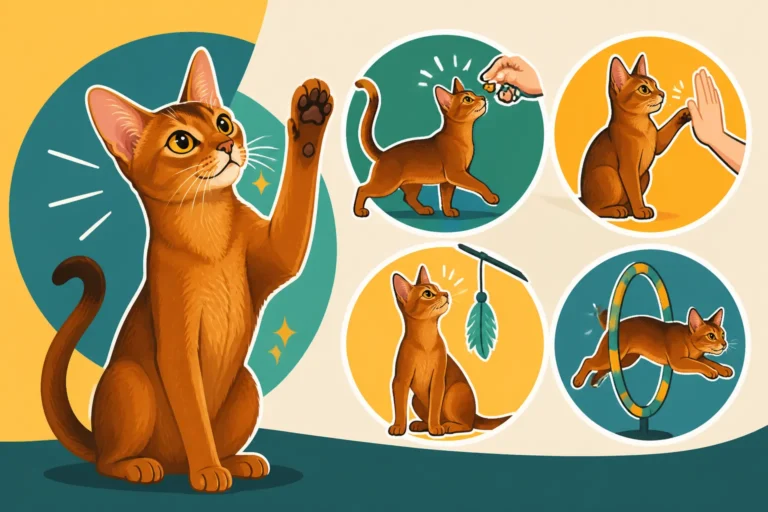
Abyssinians are incredibly intelligent and endlessly curious. They are problem-solvers by nature, and if there's a door, a drawer, or a puzzle feeder, they will figure out how to open or manipulate it. This sharp mind means they pick up on routines quickly and can even be trained to do tricks like fetch or walk on a leash. However, this intelligence also means they can get bored easily and require consistent mental stimulation.
This inherent curiosity means they're likely to investigate new additions to the household thoroughly. They won't typically hide under the bed for weeks; instead, they'll observe, approach, and try to understand these new creatures or tiny humans. This can be a double-edged sword: their curiosity can lead to quicker integration, but it can also mean they don't back down easily from a challenge or a perceived threat. You'll need to channel their intelligence into positive interactions and provide plenty of enriching distractions to keep them from becoming overly fixated or stressed.
Introducing Abyssinians to Children
The prospect of an Abyssinian and a child coexisting peacefully is absolutely achievable, but it requires careful planning, supervision, and education for both the cat and the child. Your Aby's high energy and unique affection style mean that a hands-off approach from your child, especially at first, is often the most successful strategy.
Age Appropriateness
While every cat and child are different, Abyssinians generally tend to thrive in homes with older, more considerate children. Why an Abyssinian Suits an Older Child often comes down to their ability to understand and respect boundaries. Toddlers and very young children, with their unpredictable movements, loud noises, and natural inclination to grab and squeeze, can be overwhelming and even frightening for an Aby. A cat that feels trapped or threatened, even by a well-meaning toddler, might resort to defensive scratching or biting, which no one wants.
For this reason, many breeders and seasoned Aby owners recommend waiting until children are at least five or six years old, or even older, before introducing an Abyssinian into the home. At this age, children can begin to grasp concepts like gentle touch, respecting personal space, and recognizing a cat's body language. They can also participate in interactive play using wand toys, which is a fantastic way for an Abyssinian to bond without direct physical contact. Think of it less as a "playmate" and more as a fascinating, energetic creature to observe and engage with respectfully.
Supervising Interactions
No matter the age of your children, supervision is paramount, especially during the initial stages and whenever children and the Abyssinian are together. Never, ever leave a young child unsupervised with any pet, including an Abyssinian. Your presence ensures safety for both parties and allows you to intervene before any situation escalates. You are the interpreter and the enforcer of boundaries.
Start with short, positive interactions. Encourage children to offer treats or engage in supervised wand play from a distance. Teach them to recognize when the Abyssinian needs space—a flicking tail, flattened ears, or a crouched posture are all signs of discomfort. Praise both your child for their gentle behavior and your Aby for tolerating the interaction. Create designated "cat zones" high up where the Abyssinian can retreat if overwhelmed, knowing they are safe from curious hands. These high perches and cat trees are essential for their well-being, as Why an Abyssinian Needs Height More Than It Needs Floor.
Teaching Children Respect
Teaching children to respect the Abyssinian's space and unique personality is probably the most critical aspect of a successful relationship. It's about educating them that a cat isn't a toy, but a living, feeling creature with its own preferences. Explain that your Aby might not want to sit on their lap, and that's okay. Show them how to gently stroke the cat (if the cat allows) in areas it enjoys, like behind the ears or along the back, and to avoid sensitive spots like the belly or tail.
Involve children in the Abyssinian's care, such as refilling the food bowl or playing with a wand toy. This fosters a sense of responsibility and positive association. Emphasize that loud noises and sudden movements can scare the cat. A great rule of thumb is "ask the cat first" – visually, if not verbally. If the cat is sleeping or focused on something else, it's best to leave it be. If a child repeatedly tries to pick up or harass the cat, they should lose the privilege of interacting with it for a period. Consistency here is key to establishing clear expectations for both child and cat.
Abyssinians and Existing Dogs
Bringing an Abyssinian into a home with an existing dog, or vice versa, presents its own set of challenges and triumphs. The key is understanding both animals' temperaments and orchestrating a slow, controlled introduction. An Abyssinian's confidence can sometimes work in its favor, but caution is always best.
Assessing Dog Temperament
Before even considering a cat, you need to be brutally honest about your dog's personality. Is your dog high-prey drive, always chasing squirrels and rabbits? Does it have a history of aggression towards other small animals? Or is it more laid-back, perhaps having successfully lived with cats before? Certain dog breeds are naturally more cat-friendly, but individual temperament trumps breed stereotypes every time. Which Dog Breeds Cope With an Abyssinian's Pace usually involves those with lower prey drives and calmer dispositions, or those that have been raised around cats.
A dog that is overly enthusiastic, constantly barks, or tries to herd everything in sight might be too much for an Abyssinian, who values its freedom and personal space. You're looking for a dog that is either indifferent to cats or gently curious. A dog that has a "soft mouth" and is generally respectful of other animals is a huge plus. If your dog exhibits strong predatory instincts, the risk of harm to the Abyssinian might be too high, and you might need to reconsider or seek professional behaviorist advice before proceeding.
Gradual Introductions
A successful introduction between an Abyssinian and a dog is rarely a "throw them in a room together and see what happens" event. It requires a slow, multi-step process, often taking days or even weeks. Start with scent swapping: allow each animal to explore an item (like a blanket or a toy) that carries the other's scent. This helps them get used to the idea of the other's presence without direct interaction. Many pet owners find a great selection of these items and other introductory tools on Amazon.
Next, move to visual contact, but keep a barrier between them. A baby gate or a glass door works perfectly. Feed them on opposite sides of the barrier, gradually moving their bowls closer as they become more comfortable. This positive association links the sight and smell of the other animal with something pleasant (food). Eventually, supervised, leashed interactions can begin in a neutral territory. Keep initial meetings short and positive, ending before either animal shows signs of stress. This slow and steady approach minimizes fear and aggression and allows them to adjust at their own pace. How an Abyssinian and a Dog Work Out Their Ranking often happens through these slow, deliberate interactions.
Managing Play
Once introductions progress and both animals seem comfortable, it's important to understand and manage their play styles. Abyssinians are incredibly active and playful, and they might try to engage the dog in chase games. How an Abyssinian Treats a Dog can range from curious sniffing to bold attempts at initiating play. This can be great if the dog is also playful but gentle. However, even well-meaning dogs can accidentally injure a cat with their size and strength, especially during boisterous play.
Supervise all play sessions, especially early on. Ensure the Abyssinian always has escape routes and high perches to retreat to if play becomes too rough or overwhelming. Redirect overly enthusiastic dog play with a chew toy or a game of fetch if the Aby seems stressed. Likewise, if the Abyssinian is getting too bold or pestering the dog, redirect its energy with a wand toy. The goal is harmonious coexistence, where both animals respect each other's boundaries and can interact positively, or at least tolerate each other peacefully.
Introducing Abyssinians to New Dogs
Bringing a new dog into an established Abyssinian household requires similar careful planning as with children, but with a specific focus on canine behavior. The Abyssinian, being a creature of habit and territory, will need reassurance and careful management of the new canine's integration.
Choosing the Right Dog
Just as you assess an existing dog, the temperament of a new dog is critical when an Abyssinian is already in residence. This is not the time to take a chance on a dog with an unknown background or a strong prey drive. Look for a dog with a calm, docile, or at least cat-neutral personality. Ideally, the new dog should have prior experience living peacefully with cats, or at least show no excessive interest or aggression towards them during initial assessments.
Consider the dog's age and energy level. A boisterous puppy might overwhelm a settled Abyssinian, while an older, calmer dog might fit in more easily. Conversely, an Aby kitten might adapt more readily to a patient adult dog. The breed can offer some clues, but again, individual personality is key. Many rescue organizations and reputable breeders will perform temperament testing to assess a dog's potential compatibility with cats. Always be honest about your Abyssinian's active nature when discussing potential new dogs with shelters or breeders.
Controlled First Meetings
The initial meeting between a new dog and your Abyssinian should be highly controlled and gradual. First, allow the new dog to settle into a separate room or area, ensuring they have their own food, water, and bedding. This allows both animals to get used to each other's scent from a distance without the pressure of direct confrontation. Scent swapping, as mentioned before, is vital here. Exchange blankets or toys between their separate spaces.
When it's time for visual introductions, always use a barrier like a sturdy baby gate or a crate for the dog. Keep the dog on a leash even with a barrier initially. Allow the Abyssinian to approach and investigate at its own pace. Do not force interaction. Offer high-value treats to both animals during these controlled viewing sessions to create positive associations. Keep these meetings short and positive, gradually increasing duration as comfort levels rise. Remember, the goal is mutual acceptance, not necessarily best friends from day one.
Continued Supervision and Retreats
Even after successful initial introductions, ongoing supervision is essential. Abyssinians are agile and curious, and they might inadvertently provoke a dog through their playful antics. A dog, even a well-behaved one, might react poorly if startled or if it perceives the cat's playful pounces as aggressive. Ensure your Abyssinian always has multiple vertical escape routes and safe zones, such as cat trees, wall shelves, or rooms with cat flaps that dogs cannot access. These provide vital security and a sense of control for the cat.
These designated high spaces are not just for escape; they're also where your Aby can observe the household activity, including the dog, from a position of safety and superiority. Many Aby owners invest in sturdy cat trees or install wall-mounted shelves, often found on Amazon, to give their cats the vertical territory they crave. Continue to offer separate feeding areas and ensure the litter boxes are in locations inaccessible to the dog, as some dogs are unfortunately tempted by litter box contents. Consistent positive reinforcement for calm behavior from both animals will solidify their peaceful coexistence.
Setting Up a Harmonious Home
Creating an environment where Abyssinians, children, and dogs can coexist peacefully is less about luck and more about intentional design and ongoing management. It's about respecting the needs of each family member, furry or otherwise, and providing outlets for their natural behaviors.
Creating Safe Spaces
Every animal needs a sanctuary, a place where they can retreat and feel completely safe and undisturbed. For an Abyssinian, this often means vertical space. High cat trees, wall-mounted shelves, and tall scratching posts aren't just decorative; they are vital for an Aby's sense of security and well-being. This allows them to survey their domain from above, safely away from grabby toddler hands or wagging dog tails. Consider placing a comfy cat bed or a soft blanket on a high shelf so they have a comfortable, elevated napping spot.
For dogs, a crate can serve as a safe den, particularly if introduced positively. It provides a quiet refuge from an energetic Abyssinian or a boisterous child. For children, clear boundaries around the pet's space are crucial. Teach them that when the cat is on its tree or the dog is in its crate, it's "off limits" and needs quiet time. These designated safe zones reduce stress and prevent conflicts, allowing everyone to decompress and recharge.
Enrichment for All
Boredom is the enemy of a harmonious multi-species household. An Abyssinian that isn't sufficiently enriched can become destructive or overly bothersome to children and dogs. Provide plenty of interactive toys, puzzle feeders, and regular play sessions to burn off their boundless energy. Rotate toys frequently to keep things novel and exciting. Foraging games, where treats are hidden around the house, also appeal to their intelligence and natural hunting instincts.
Dogs also need their own forms of enrichment, whether it's daily walks, chew toys, or training sessions. Engaged pets are generally happier and less likely to seek out inappropriate interactions. Children, too, benefit from structured play and activities, rather than being left to their own devices around the pets. Consider activities that involve both child and pet, like supervised wand play with the Abyssinian or practicing polite greetings with the dog, always emphasizing gentle and respectful interactions.
Managing Resources
Resource guarding, where pets become possessive over food, toys, or sleeping spots, is a common source of conflict. To prevent this, ensure that each pet has its own designated food and water bowls, ideally in separate locations where they can eat undisturbed. Feeding the Abyssinian on a high shelf or counter, away from the dog and children, is an excellent strategy. This also protects the cat's food from an opportunistic dog. What an Abyssinian's First Year Actually Costs will include investing in separate supplies.
Similarly, provide multiple litter boxes (the general rule is one per cat plus one extra), placed in quiet, private locations that are easily accessible to the cat but not to children or dogs. Keep special toys separate for each pet to prevent squabbles. If children have toys that the Abyssinian or dog might be tempted by, teach them to put them away when not in use. Clear resource management drastically reduces potential stress and competition, allowing everyone to feel secure in their access to necessities.
Recognizing Stress Signals
Understanding when your Abyssinian, child, or dog is feeling stressed or uncomfortable is vital for preventing escalation and maintaining a peaceful home. Animals communicate largely through body language, and learning to "read" these signals is a skill every pet owner needs.
Subtle Signs of Stress in Your Abyssinian
Abyssinians are masters at hiding illness and stress, but they do give off subtle cues if you know what to look for. Early signs of discomfort might include a slight flattening of the ears, a tense posture, or a tail that is tucked close to the body or twitching rapidly at the tip. They might start over-grooming, pulling out patches of fur, or conversely, neglecting their grooming entirely. Changes in eating or litter box habits, such as decreased appetite or urinating outside the box, can also signal stress.
A stressed Abyssinian might also become more vocal than usual, letting out low growls or agitated chirps, or they might become uncharacteristically quiet and withdrawn. They might start avoiding certain areas of the house where interactions typically occur, or they might stare intently at the source of their stress. Paying attention to these subtle shifts in behavior can help you intervene early, before the stress becomes overwhelming for your sensitive Aby. This understanding is critical for their overall The Twelve to Fifteen Years an Abyssinian Usually Gets.
Overt Warnings and When to Intervene
If subtle cues are ignored, an Abyssinian might escalate to more overt warnings. These include hissing, growling, swatting with unsheathed claws, or even a full-on pounce and bite. Their pupils might dilate, and their fur might stand on end (piloerection) to make them appear larger. These are clear signals that the cat feels threatened and is preparing to defend itself. Never punish an Abyssinian for giving these warnings; instead, understand that the cat is telling you it's overwhelmed and needs space immediately.
When these overt warnings appear, it's time to intervene immediately. Physically separate the animals or the child and the cat. Re-evaluate the situation that led to the stress. Was the child being too rough? Was the dog invading the cat's space? Did the cat feel trapped? Use this as a learning opportunity to adjust your management strategy and teach better boundaries. Sometimes, simply creating more distance or providing a higher perch can defuse the tension.
Recognizing Stress in Children and Dogs
It's not just the Abyssinian whose signals you need to read. Children can also show signs of stress or fear around pets, becoming withdrawn, overly clingy, or even acting out. If a child seems consistently anxious or uncomfortable around the Abyssinian or dog, it's important to address their feelings and ensure their safety and comfort first. Never force a child to interact with a pet they fear.
Similarly, dogs exhibit their own stress signals. These can include yawning when not tired, lip licking, averting their gaze, trembling, or panting excessively. A dog might also try to hide or become unusually quiet. If a dog shows consistent signs of stress or aggression towards the Abyssinian, it's crucial to seek advice from a professional dog trainer or veterinary behaviorist. A table like this might help you keep track of potential stressors and corresponding behaviors:
| Species | Subtle Stress Signals | Overt Warnings / Reactions | Intervention Strategy |
|---|---|---|---|
| Abyssinian | Flattened ears, tail flicking, over-grooming, hiding, decreased appetite, quietness | Hissing, growling, swatting, biting, dilated pupils, piloerection | Separate immediately, provide escape route, reassess situation |
| Dog | Yawning, lip-licking, whale eye, low tail, trembling, panting, averting gaze | Growling, barking, lunging, biting, stiff posture, snarling | Leash control, "place" command, separate animals, professional help |
| Child | Hiding behind adult, crying, clinging, freezing, excessive giggling (nervous) | Screaming, hitting, running away, lashing out at pet | Remove child/pet from situation, calm child, teach boundaries |
Understanding these cues allows you to be proactive rather than reactive, fostering a safer and more peaceful environment for everyone involved.
Long-Term Dynamics and Management
Living with an Abyssinian alongside children and dogs isn't a one-time setup; it's an ongoing process that requires continuous observation, adaptation, and occasional adjustments. The dynamics will evolve as pets age, children grow, and household routines change.
Maintaining Boundaries and Routines
Consistency is truly the bedrock of a harmonious multi-species home. Once you've established safe spaces, feeding routines, and play schedules, stick to them. Abyssinians, being highly intelligent creatures of habit, thrive on predictability. They know when to expect their interactive play, their meals, and their quiet time. Deviations can lead to anxiety or frustration, which can then spill over into interactions with children or dogs.
Continue to enforce boundaries for children – no chasing the cat, no pulling tails, gentle hands only. Similarly, ensure the dog respects the Abyssinian's space, particularly their high perches and feeding areas. Reward calm and positive interactions from all parties. If you notice a particular behavior is causing friction, address it promptly and consistently. This proactive management prevents small issues from becoming larger problems down the line.
Adapting to Changes
Life happens, and routines will inevitably shift. Children grow into teenagers, dogs age and slow down, and Abyssinians, known for their longevity, will eventually become seniors. Each of these life stages brings new challenges and requires adaptation. A once-boisterous child might become a calm, respectful companion for the Abyssinian. An older dog might become less tolerant of an energetic Aby's pounces.
When a new baby arrives, for example, your Abyssinian's reaction needs careful handling. How an Abyssinian Reacts to a New Baby is something to prepare for well in advance. Introduce baby smells and sounds gradually before the baby comes home, and ensure your Aby still gets attention and play. For an aging pet, you might need to adjust their vertical access (adding ramps or lower steps), or provide quieter, more private spaces away from the hustle and bustle of a busy household. Being flexible and observant will help you make these transitions smoothly.
Seeking Professional Help
Despite your best efforts, sometimes behavioral challenges arise that are beyond what you can manage on your own. Don't hesitate to seek professional help. A certified feline behaviorist or a veterinary behaviorist can offer tailored advice and strategies for managing complex multi-species dynamics. They can identify the root cause of issues, whether it's fear, anxiety, resource guarding, or simple misunderstanding, and help you implement effective solutions.
Similarly, if a dog's behavior becomes problematic, a professional dog trainer or behaviorist can provide invaluable guidance. Early intervention is always best. Addressing issues like excessive prey drive, fear-based aggression, or persistent territorial marking with expert advice can prevent serious incidents and ensure that your Abyssinian, children, and dogs can continue to share a happy, healthy home. Remember, your goal is a peaceful co-existence, and sometimes, a little expert guidance can make all the difference.
Disclaimer
This article is for general informational purposes only and does not constitute professional advice. Laws, prices and regulations vary by location and change over time. Consult a qualified professional for guidance on your specific situation.