Which Dog Breeds Cope With an Abyssinian’s Pace
It's a common dilemma, isn't it? You've fallen head over heels for the spirited, boundless energy of an Abyssinian, but you also adore dogs and want to ensure any furry family member can truly thrive alongside such a unique feline. The truth is, not every dog breed is equipped to handle the relentless, inquisitive, and often demanding pace of an Abyssinian, and pairing the wrong personalities can lead to stress for everyone involved. This guide will walk you through understanding your Abyssinian's distinct character and help you identify dog breeds that are most likely to match their vivacious spirit, ensuring a harmonious and joyful multi-pet household.
Decoding the Abyssinian's Unique Energy and Play Style
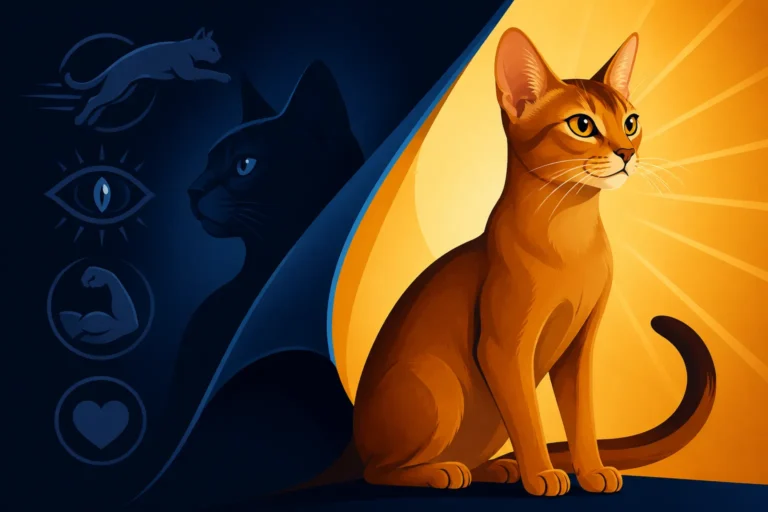
Before we even begin to think about dogs, we need to truly grasp what makes an Abyssinian tick. These aren't your average lap cats, content to snooze all day. Abyssinians are bundles of lean muscle and endless curiosity, driven by an almost dog-like desire to be involved in everything you do. Their energy isn't just high; it's specific, and understanding it is key to finding a compatible canine companion.
The Abyssinian's Relentless Activity Levels
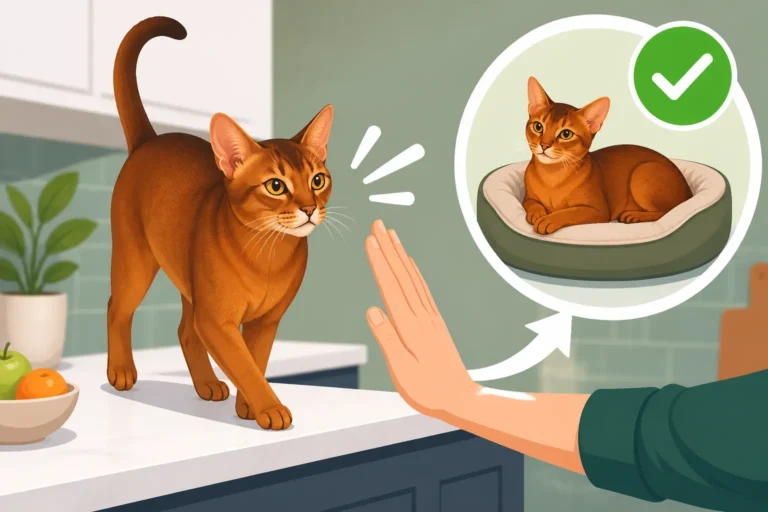
If you've spent any time with an Abyssinian, you know they're not exaggerating when they say these cats are always on the go. They wake up ready for action and often keep going until you finally call it a night, and sometimes even then, they're still exploring. This isn't just about chasing a toy for a few minutes; it's about constant engagement, exploring every nook and cranny, and inventing new games. They are problem-solvers, climbers, and jumpers, always seeking the highest perch or the most intriguing challenge. How Many Hours a Day an Abyssinian Stays Active is a question many new owners ask, and the answer is often "most of them!" A dog that needs constant quiet or is easily overwhelmed by fast movement might find an Abyssinian's energy quite jarring. Imagine a constantly moving shadow, darting underfoot, then launching itself onto the kitchen counter. That's a typical Tuesday for an Abyssinian.
Play Styles and Social Cues
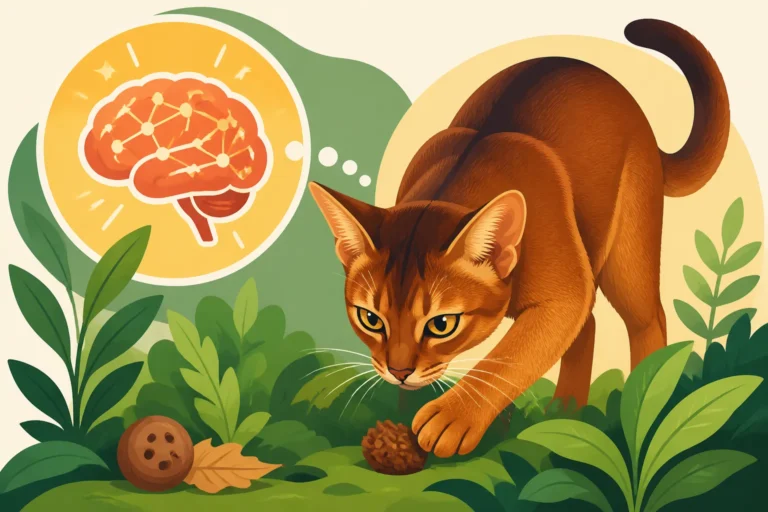
Abyssinians are incredibly playful, but their play style might differ from what a dog expects. They love to chase, stalk, and pounce. They're agile and quick, often playing in short, intense bursts followed by a brief moment of observation before launching into the next escapade. They're also quite intelligent and enjoy interactive games that stimulate their minds, like puzzle feeders or fetch. When it comes to social interactions, Abyssinians are generally confident and outgoing. They're less likely to hide from a dog than some other breeds; instead, they might approach, investigate, and even try to initiate play. This boldness can be a blessing or a curse, depending on the dog. A dog that is too rough, too dominant, or simply doesn't understand the nuances of cat play can quickly sour the relationship. An Abyssinian might swat or hiss as a warning, and a dog needs to be able to read and respect those signals rather than escalating the situation.
Dog Breeds That Thrive with an Abyssinian's Pace
When considering a dog to join your Abyssinian's domain, you're looking for a complementary personality rather than an identical one. The ideal dog will either match the Abyssinian's energy without being overbearing, or possess a calm, tolerant demeanor that isn't easily perturbed by a whirlwind cat. Above all, gentleness and a low prey drive towards small, fast-moving objects are absolutely crucial.
High-Energy, Playful Dog Breeds
For those who want a truly interactive duo, certain high-energy dog breeds can be fantastic companions for an Abyssinian. These dogs often share a zest for life and an intelligent, sometimes mischievous, spirit that can genuinely appreciate an Abyssinian's antics.
- Beagles: Don't let their size fool you; Beagles are active, curious, and incredibly playful dogs. They have a history as scent hounds, meaning they're always exploring and investigating, much like an Abyssinian. Their robust build can handle some enthusiastic play, and they generally have a good-natured temperament. While they have a strong prey drive for outdoor scents, they can often be socialized well with indoor cats, especially if introduced young. They tend to see the cat as part of their "pack" rather than prey. Beagles are also quite vocal, which might seem like a mismatch, but a confident Abyssinian often takes it in stride, sometimes even "talking back."
- Cavalier King Charles Spaniels: While not as overtly "high-energy" as some breeds, Cavaliers possess a joyful, playful spirit and a gentle nature. They are eager to please and easily trained, making them adaptable to an Abyssinian's lively household. Their smaller size means they're less likely to accidentally injure an Abyssinian during play, and they often enjoy chasing and light wrestling, which can align with an Abyssinian's style. They are known for their extreme affability and tend to get along with everyone, including other pets. They’re less likely to become dominant or territorial, fostering a more relaxed environment for your active cat.
- Whippets: These sighthounds might seem like an odd choice given their speed, but Whippets are surprisingly calm indoors. They love a good sprint or a chase, which can be fantastic for burning off an Abyssinian's energy in a supervised setting, perhaps with a long wand toy. However, once their exercise needs are met, they are incredibly mellow, often found curled up on the sofa. Their gentle disposition and sensitivity mean they're unlikely to be overly aggressive or rough with a cat. They are also quite agile and understand speed, which might lead to some impressive games of chase that don't involve actual aggression.
- Standard Poodles: Poodles, particularly Standard Poodles, are highly intelligent, agile, and possess a playful energy that often surprises people. They are very trainable and eager to learn, which means they can be taught appropriate behavior around a cat. Their aristocratic appearance belies a clownish, fun-loving nature. They are also known for being quite sensitive and can pick up on social cues from other animals well. A Standard Poodle can be a wonderful partner for an Abyssinian, engaging in games that require cleverness and bursts of activity, then settling down for a cuddle session. Their intelligence allows for boundaries to be set and understood, meaning they can be coached to respect the Abyssinian's space.
Calm and Tolerant Dog Breeds
Sometimes, the best companion for a high-octane Abyssinian isn't another dynamo, but rather a dog that provides a grounding, steady presence. These breeds are typically unruffled by a cat's quick movements and might even find the Abyssinian's energy amusing without feeling the need to constantly participate.
- Greyhounds (Retired Racers): Much like Whippets, retired Greyhounds are often called "45 mph couch potatoes." They love a good run, but most of their day is spent napping. They have a naturally gentle and quiet disposition, often preferring to avoid confrontation. While they have a strong prey drive for outdoor critters, many ex-racers are successfully integrated into homes with cats, especially with careful introduction and supervision. Their sheer size means an Abyssinian might give them a wide berth, which can actually prevent too much boisterous interaction, and the cat usually recognizes that the dog isn't a threat.
- Basset Hounds: If you want a dog who absolutely will not be bothered by an Abyssinian's antics, a Basset Hound is an excellent choice. These dogs are famously laid-back, often moving at their own unhurried pace. An Abyssinian could literally bounce off a Basset, and the Basset would likely just sigh contentedly and continue napping. Their low-to-the-ground stature and calm demeanor make them non-threatening to even the most skittish cat, let alone a bold Abyssinian. They are incredibly tolerant and gentle, making them a safe bet for a harmonious multi-pet home.
- Golden Retrievers and Labradors: These breeds are renowned for their friendly, outgoing, and gentle temperaments. While they do need regular exercise, they are generally very patient and tolerant, making them excellent family dogs and often good with cats. They are intelligent and eager to please, meaning they can be trained to respect a cat's boundaries. Their medium-to-large size gives them a reassuring presence, and their gentle mouths are less likely to cause harm if they do engage in play. They tend to view smaller animals as part of their family to be protected rather than prey. How an Abyssinian and a Dog Work Out Their Ranking often sees these gentle giants deferring to the cat's confident demands.
Here's a quick comparison of some suitable dog breeds:
| Dog Breed | Energy Level | Typical Play Style | Size | Temperament | Good for Abyssinian? |
|---|---|---|---|---|---|
| Beagle | High | Chase, explore, vocal | Medium | Curious, friendly, good-natured | Yes, if socialized early; matches curiosity. |
| Cavalier King Charles | Medium-High | Gentle chase, interactive | Small | Affectionate, eager to please | Yes, gentle and less likely to overwhelm; matches playful spirit. |
| Whippet | High (outdoors), Low (indoors) | Sprint, chase, then nap | Medium | Gentle, sensitive, calm indoors | Yes, if exercise needs are met; provides a calm presence. |
| Standard Poodle | High | Agile, intelligent, retrieves | Large | Smart, playful, highly trainable | Yes, can learn boundaries and engage in smart play; active and fun. |
| Greyhound (Retired) | High (outdoors), Low (indoors) | Sprint, then nap | Large | Gentle, quiet, calm indoors | Yes, if exercise needs are met; peaceful and non-confrontational. |
| Basset Hound | Low | Sniff, amble, nap | Medium-Large | Laid-back, tolerant, gentle | Excellent, utterly unfazed by Abyssinian antics; provides a stable presence. |
| Golden Retriever | Medium-High | Fetch, playful, eager to please | Large | Friendly, patient, gentle | Very good, generally tolerant and trainable; sees cat as family. |
| Labrador Retriever | High | Enthusiastic play, retrieves | Large | Outgoing, energetic, friendly | Very good, trainable and robust for play; generally good-natured. |
Breeds to Approach with Caution (or Avoid)
While every animal is an individual, some breeds generally present more challenges when paired with a highly active cat like an Abyssinian. Breeds with a very high prey drive, intense herding instincts, or a tendency towards dominance can create a stressful environment. Terriers, for example, were bred to hunt small, fast-moving animals, which can put an Abyssinian at risk. Similarly, herding breeds might try to "herd" the cat, which an Abyssinian will likely resent. Extremely high-strung or anxious dogs might also become overly stressed by the Abyssinian's constant activity.
Introducing Your Abyssinian to a Canine Companion
Bringing a dog into a home with an existing Abyssinian, or vice versa, requires careful planning and a slow, patient approach. Hasty introductions can set the stage for long-term tension, but a thoughtful process can lead to a beautiful friendship.
The Art of the Slow Introduction
Never, ever just throw a new dog and an Abyssinian into a room together and hope for the best. That's a recipe for disaster. The key is gradual exposure, positive associations, and respecting boundaries. Start with scent swapping: allow the dog to sniff a blanket or toy the Abyssinian has used, and vice versa. Then, move to visual contact through a barrier, like a baby gate or a crate. Feed them treats on opposite sides of the barrier to create positive associations. Over days or weeks, gradually increase exposure, always supervised, keeping initial interactions short and positive. Look for relaxed body language in both animals. If there are signs of stress – pinned ears, hissing, growling, stiff body language – it's time to take a step back. Remember, Why an Abyssinian Left Alone Redecorates could be a sign of stress or boredom, so monitoring their behavior after you leave the room is crucial.
Setting Up a Safe and Enriching Environment
Abyssinians, with their love for climbing, naturally seek vertical space for safety and observation. This becomes even more critical when introducing a dog. Ensure your Abyssinian has plenty of escape routes and high perches where they can retreat if they feel overwhelmed or simply want a break from the dog. Cat trees, wall shelves (you can find fantastic options on Amazon that offer both aesthetic appeal and sturdy perching spots), and even tall bookcases become vital safety zones. An Abyssinian Needs Height More Than It Needs Floor, and this is doubly true in a multi-pet home.
You'll also want to create separate feeding areas. Abyssinians are typically bold, but they shouldn't have to compete for food or resources. Place the Abyssinian's food and water bowls in an elevated spot the dog can't reach, or in a room with a cat door. This prevents food guarding issues and ensures your Abyssinian always feels secure about access to sustenance. Speaking of food, consider puzzle feeders for both animals to provide mental enrichment and keep them engaged separately. You can find a wide variety of interactive pet toys and puzzle feeders on Amazon that can occupy both your Abyssinian and your dog.
Ensuring Harmony and Long-Term Success
Once your Abyssinian and dog are coexisting peacefully, the work isn't over. Maintaining harmony requires ongoing management, consistent training, and a deep understanding of each pet's needs.
Consistent Training and Reinforcement
Even the most compatible breeds benefit from clear rules and consistent reinforcement. Train your dog basic obedience commands like "sit," "stay," "leave it," and a solid recall. This allows you to manage their behavior effectively around your Abyssinian. Reward calm, respectful interactions. For instance, if your dog lies down calmly while the Abyssinian walks by, offer a quiet treat and praise. Never punish either animal for expressing natural behaviors, but rather redirect unwanted actions. For your Abyssinian, continue with interactive play sessions using wand toys and puzzle feeders. How to Teach an Abyssinian to Fetch or Which Tricks an Abyssinian Learns Fastest can be excellent ways to bond with your cat and provide mental stimulation that dogs might not always provide.
Supervised Play and Individual Attention
While a compatible dog and Abyssinian can certainly play together, always supervise their interactions, especially in the early stages. Look for signs of appropriate play (loose bodies, taking turns, "play bows" from the dog) and intervene if play becomes too rough or one animal seems stressed. It's also vital to ensure both pets receive individual attention and enrichment. Your Abyssinian still needs dedicated one-on-one playtime with you, chasing wand toys or solving puzzles. Similarly, your dog needs its walks, training sessions, and cuddles. This prevents jealousy and strengthens your bond with each pet, making them feel secure in their place in the family. Consider a durable, high-quality dog bed from Amazon for your canine companion, giving them a comfortable, safe spot of their own.
Recognizing and Managing Stress Signals
Both cats and dogs communicate stress in various ways, and being attuned to these signals is paramount. For Abyssinians, signs of stress can include excessive grooming (Why a Stressed Abyssinian Overgrooms), hiding more often, changes in eating or litter box habits, or a sudden change in their usually outgoing personality. For dogs, stress might manifest as lip-licking, yawning (when not tired), tail tucked, avoidance, or excessive panting. If you notice persistent signs of stress in either animal, it's time to reassess your management strategy. This might mean increasing separate time, providing more vertical retreats for the Abyssinian, or seeking advice from a professional animal behaviorist. The goal is a peaceful home where both your Abyssinian and your dog feel safe, loved, and enriched.
Disclaimer
This article is for general informational purposes only and does not constitute professional advice. Laws, prices and regulations vary by location and change over time. Consult a qualified professional for guidance on your specific situation.