Why an Abyssinian Wakes You at Five
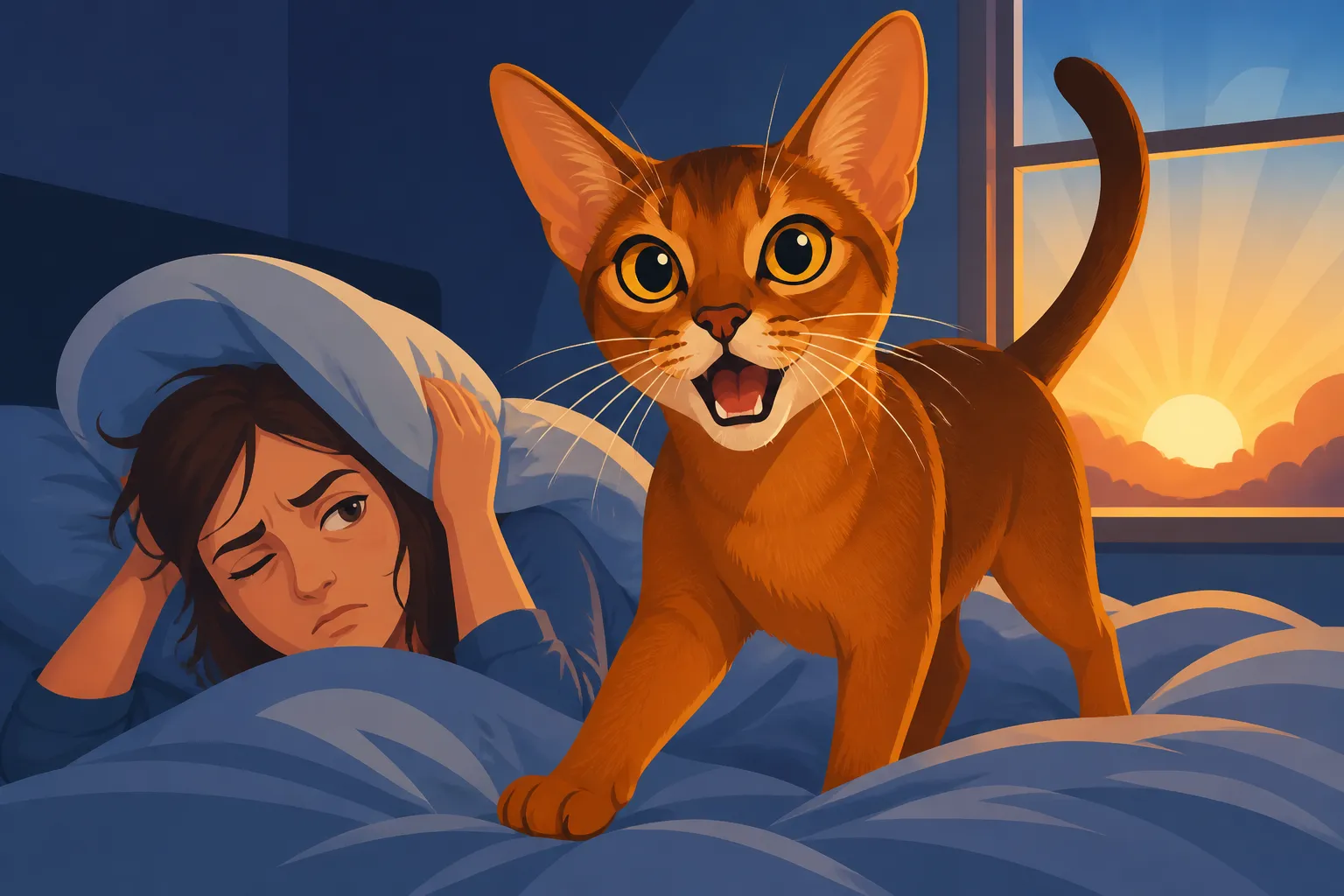
That moment when you're deep in slumber, dreaming of peaceful mornings, and suddenly, a paw bats your face, a persistent meow pierces the quiet, or a furry body performs zoomies across your chest at 5 AM. If you're an Abyssinian owner, you know this scenario all too well. It’s not just a nuisance; it’s a baffling, often frustrating, daily ritual that leaves you wondering if you'll ever sleep past dawn again. This guide is here to shed some light on why your energetic Aby thinks 5 AM is prime time and, more importantly, what you can actually do about it.
The Abyssinian's Internal Clock and Boundless Energy
Abyssinians are not your average couch potato cats. They are renowned for their incredible energy, intelligence, and a seemingly endless drive to explore and interact. This isn't a flaw; it's a fundamental part of their charm and what makes them such captivating companions. But this very trait also means their internal clocks are often set to a much earlier wake-up call than ours, particularly if we haven't quite understood how to channel their natural instincts.
Born to Be Busy: Their Inherent Drive
The Abyssinian breed is often described as the "Clown of Cats" or a "cat in the body of a wild animal" due to their playful, active nature. They aren't content to simply observe; they want to be involved in everything you do, and often, what you aren't doing. This high drive is hardwired into their genetics, a legacy that sets them apart from more sedate breeds. They have an innate curiosity and a need for mental and physical stimulation that, if left unmet, will find an outlet, usually at the most inconvenient times.
When you bring an Abyssinian into your home, you're not just getting a pet; you're adopting a tiny, athletic, and highly intelligent creature with a relentless spirit. They thrive on activity, challenge, and interaction. Understanding that this boundless energy is a core part of their identity is the first step in managing those early morning antics. It's not about trying to change who they are, but rather, about learning how to work with their natural tendencies to create a harmonious home environment for everyone.
Dawn and Dusk: Their Crepuscular Nature
Like many cat breeds, Abyssinians are naturally crepuscular, meaning they are most active during the twilight hours of dawn and dusk. This is an instinctual leftover from their wild ancestors, who would hunt most effectively during these low-light periods. While your Aby isn't hunting gazelles in your living room, that primal programming still dictates their energy peaks. Five AM perfectly aligns with the onset of dawn, making it a perfectly logical time for your cat to "wake up and get to work" – which, for them, often means getting you to wake up and get to work (playing, feeding, petting).
It's a subtle but significant distinction from being strictly nocturnal. Instead of being most active in the middle of the night, their peak wakefulness aligns with the edges of the day. This natural rhythm is incredibly strong and trying to fight it head-on can feel like pushing against a brick wall. Instead, we need to acknowledge it and find ways to gently nudge their schedule or provide sufficient outlets so that your bed isn't the primary playground at sunrise. You might notice they also get a burst of energy around dusk, often right when you're settling down for the evening.
The Metabolism of a Marathoner: Why They Need Calories and Activity
Have you ever wondered How Many Calories an Adult Abyssinian Burns? It's often more than you'd expect for their size. Abyssinians are lean, muscular cats that are constantly on the move. They burn through calories at an impressive rate, which means they not only need a good amount of high-quality food, but they also get hungry pretty quickly. That feeling of an empty stomach can be a huge motivator for an early morning wake-up call. They aren't just being demanding; their bodies genuinely require fuel to sustain their high-octane lifestyle.
Their high metabolism is directly tied to their need for constant activity. A less active cat might be able to graze throughout the day and feel content, but an Aby's engine is always running. If they go too long without food, or if their last meal was too small or too early, their natural hunger instincts will kick in right around that early dawn period. This isn't always about being starving, but rather about their internal system telling them it's time to refuel for the day's adventures.
Decoding the Five AM Wake-Up Call: What Are They Really Asking For?
When your Abyssinian decides it's 5 AM and the party should start, they're not just making noise for the sake of it (usually). There's almost always a clear, albeit sometimes frustrating, motivation behind their early morning antics. Understanding what they're truly trying to communicate is key to addressing the behavior.
The Hunger Games: Food as a Primary Motivator
Let's be honest, food is a powerful motivator for nearly all living creatures, and Abyssinians are no exception. The most common reason for a 5 AM wake-up call is a grumbling tummy. They've likely been fasting since their last evening meal, and with their high metabolism, that's a long stretch for a cat that's How Many Hours a Day an Abyssinian Stays Active. They associate your presence with food, so when you're still in bed, they see it as a problem that you need to solve immediately.
You might hear them pacing, meowing with increasing urgency, or even trying to physically move you. They've learned that if they persist, eventually you'll cave and fill their bowl. This isn't malicious; it's effective learning from their perspective. Even if you feed them right before bed, their system may just process it quickly, leading to that early morning hunger pang. The goal here isn't to starve them, but to manage their feeding schedule in a way that minimizes their reliance on you as their personal breakfast dispenser at ungodly hours.
Boredom Busters: A Call for Interaction and Enrichment
An Abyssinian is incredibly intelligent and thrives on engagement. If they're not adequately stimulated during their waking hours, boredom can become a significant issue. When they wake up at 5 AM and there's nothing else going on, you become the most interesting thing in the house. Your sleeping form is an obstacle to be overcome, a challenge to be conquered. This isn't just about play; it's about mental and physical interaction. They want to chase, pounce, explore, and simply be near you, involved in whatever you're doing.
If your Abyssinian isn't getting enough How Much Play an Abyssinian Needs Each Day or mental enrichment throughout the day and evening, that pent-up energy and desire for interaction will absolutely manifest at the crack of dawn. They'll see your stillness as an invitation to initiate play, exploration, or simply demand your attention. This could be anything from bringing you a toy to batting at your hair, or even knocking items off your nightstand until you stir. They're telling you, in their own way, that they're ready to start their day and they want you to join them.
Attention-Seeking Mastery: How They Train You
Here's the kicker: Abyssinians are brilliant, and they learn quickly what works. If your early morning complaints consistently lead to you getting out of bed—even if it's just to shoo them away, feed them, or give them a quick cuddle—you are, inadvertently, reinforcing the behavior. They learn that "5 AM noise equals human interaction." They've essentially trained you to respond to their demands. This cycle can be incredibly difficult to break because every time you give in, you solidify the connection in their minds.
It's not that they're being mean; they're simply being effective. They want your attention, and they've found a method that guarantees it. Whether it's a soft meow escalating into a loud caterwaul, persistent kneading on your chest, or even exploring parts of the room you've previously forbidden them from (like scaling the curtains), they're trying to get a rise out of you. And often, it works. Breaking this pattern requires consistency and a solid plan to redirect their behavior and shift their expectations.
Strategies to Reclaim Your Sleep
Reclaiming your peaceful mornings from a demanding Abyssinian requires a multi-pronged approach that addresses their natural instincts, their needs, and the unintentional training you might have given them. It's a marathon, not a sprint, but consistency is key.
Adjusting Feeding Schedules: Timing is Everything
One of the most effective ways to manage early morning hunger-induced wake-ups is to strategically adjust their feeding schedule. Instead of one large meal in the evening, consider splitting their dinner into two smaller portions, with the last one given as late as possible, right before you go to bed. This helps keep their stomach full for longer through the night.
Another game-changer is an automatic feeder. These devices can be programmed to dispense a small portion of kibble at, say, 4:45 AM or 5 AM. This way, your Abyssinian associates the food with the feeder, not with you waking up. You can find many reliable options on Amazon. The cat gets their early morning snack, their hunger is satisfied, and you get to stay in bed. Start with a very small portion to break the habit, then gradually adjust the timing to later if possible. This is also a great solution if your Abyssinian is one that Why an Abyssinian Asks for Food It Does Not Need simply because they see you and think of food.
Evening Play Rituals: Draining Their Battery
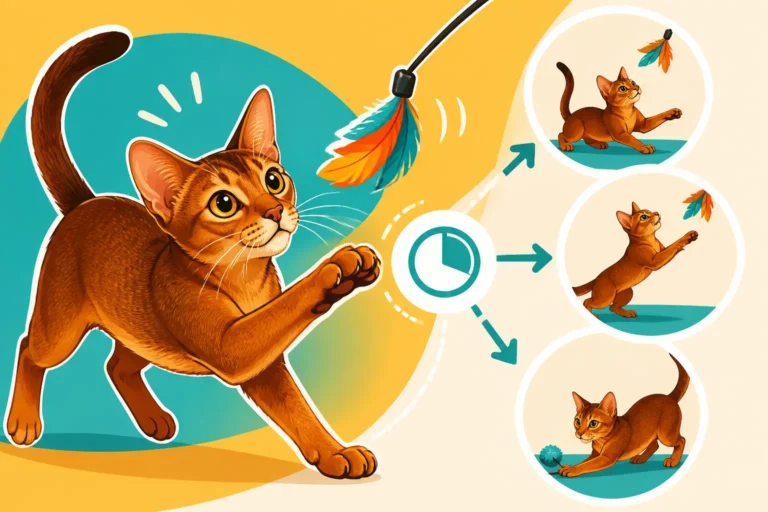
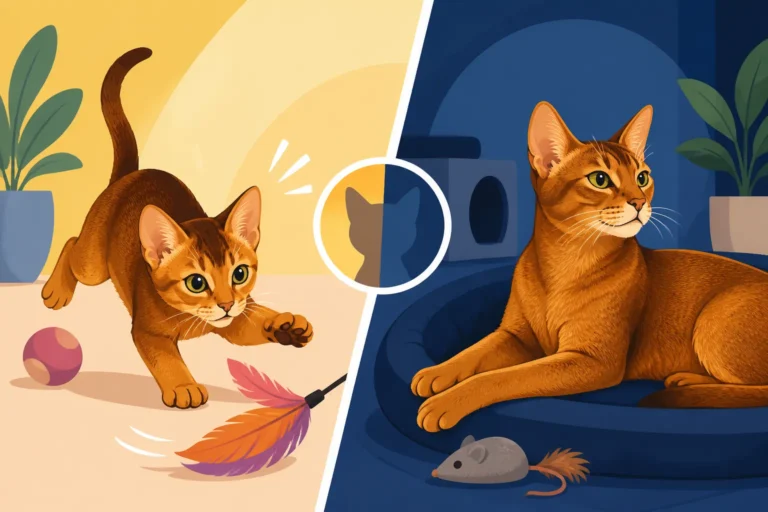
An Abyssinian with pent-up energy will find a way to release it, and often, that's by waking you up. The solution? Exhaust them before bed. Dedicate at least two solid, high-intensity play sessions in the evening, especially in the hours leading up to your bedtime. Use wand toys, laser pointers (with a tangible "kill" at the end to prevent frustration), or interactive toys to get them running, jumping, and pouncing. How to Split an Abyssinian's Play Into Sessions is crucial; short bursts throughout the day are good, but a serious "drain the battery" session in the evening is essential.
Think of it like putting a toddler to bed after a full day at the park. They're tired, happy, and more likely to sleep through the night. The same principle applies to your Abyssinian. Ensure these sessions are truly engaging. Abyssinians can lose interest in a toy fast, so rotating toys or using interactive ones found on Amazon that mimic prey can keep them stimulated. A tired Abyssinian is far less likely to be causing mischief at 5 AM.
Environmental Enrichment: Self-Amusement Options
While direct interaction is vital, your Abyssinian also needs ways to entertain themselves, especially when you're sleeping. This is where environmental enrichment comes in. Make sure they have plenty of vertical space, as An Abyssinian Needs Height More Than It Needs Floor. Cat trees, wall shelves (check out sturdy options on Amazon), and window perches give them places to climb, observe, and feel safe. Why an Abyssinian Needs a Tall Cat Tree cannot be overstated; they love to be high up.
Puzzle feeders are excellent for mental stimulation and slow down eating, providing both mental challenge and a prolonged sense of satiety. You can hide treats or portions of their kibble around the house, encouraging their natural foraging instincts. How to Hide Food Around the House for an Abyssinian can turn a meal into an engaging hunt. Which Puzzle Feeders Hold an Abyssinian's Attention best are those that require actual thought and manipulation, not just a quick nudge. The goal is to give them engaging activities that don't involve bothering you.
The Power of Ignoring: When Tough Love Is Needed
This is arguably the hardest part, but it's crucial for breaking the cycle of reinforcement. If your Abyssinian is waking you for attention, you must ignore them completely. No talking, no eye contact, no pushing them off the bed. Pretend you are still asleep. Turn away from them, pull the covers over your head, and do not react. This is especially important for the behaviors that aren't about immediate hunger, but pure attention-seeking.
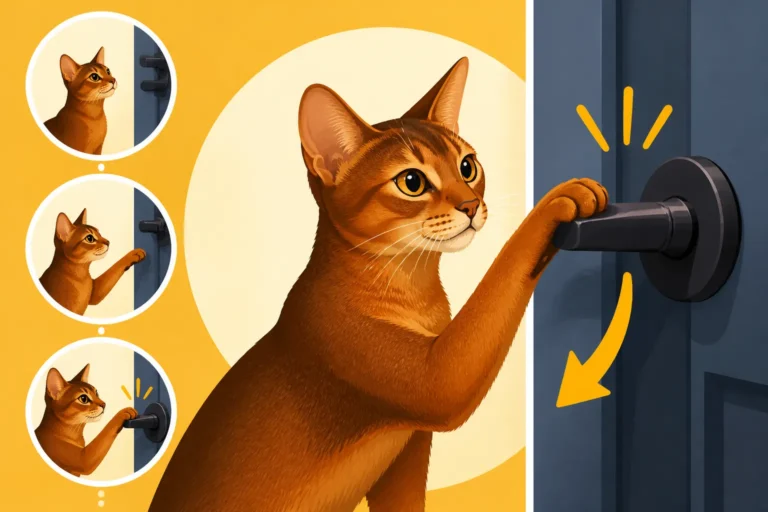
The first few times you do this, they will likely escalate their efforts. They'll meow louder, pounce harder, and generally try every trick in their book. This is where your resolve will be tested. But if they consistently receive no reward (your attention) for their 5 AM antics, they will eventually learn that this strategy is no longer effective. It can take days, or even weeks, of unwavering consistency. This also links to How to Shift an Abyssinian's Morning Schedule – you're essentially telling them that your schedule is the one that matters for interaction. If they are persistent at the bedroom door, consider Why an Abyssinian Hates a Closed Door and if you can provide enough enrichment outside the bedroom to keep them engaged.
When a Five AM Wake-Up Signals More Than Just Being an Aby
While most early morning wake-up calls are due to the Abyssinian's lively nature, sometimes a sudden or significant change in their behavior can signal an underlying health issue. It's important to be vigilant, especially with a breed known for its stoicism when ill.
Sudden Changes in Routine: A Potential Warning Sign
If your Abyssinian has always been a fairly good sleeper, and suddenly starts waking you up with frantic energy or excessive meowing at 5 AM, it's worth taking note. A sudden, unexplained change in routine or behavior can be an early indicator that something is amiss. This isn't just about being a demanding Aby; it's a deviation from their normal. Are they usually quiet until 6 AM and now they're a wreck at 4:30? Has their appetite changed, or are they exhibiting other unusual behaviors during the day? These subtle shifts, particularly in a cat known for being stoic about discomfort, warrant closer investigation.
Observe their overall demeanor. Are they still eating normally later in the day? Are they drinking more or less water? Are their litter box habits consistent? Sometimes, an increase in restlessness or vocalization can be a sign of discomfort or a developing health problem that is making them unable to settle. Trust your gut; if something feels off beyond the usual Abyssinian exuberance, it’s always best to consult your veterinarian to rule out any medical concerns.
Increased Thirst or Urination: Kidney Concerns
Abyssinians, unfortunately, can be prone to certain health conditions, including kidney issues like Renal Amyloidosis. An increase in thirst and subsequent urination can be a subtle early sign of kidney problems. If your Abyssinian is constantly asking for water, draining their bowl much faster than usual, and then needing to use the litter box more frequently, especially overnight or very early morning, this is a red flag. Why a Thirsty Young Abyssinian Is a Red Flag is something every Aby owner should understand, as early detection is crucial for managing this condition.
If your Abyssinian's 5 AM wake-up calls are accompanied by excessive thirst, more frequent trips to the litter box, or unusually large urine clumps, it's vital to get them to the vet for a check-up, including bloodwork and a urinalysis. Early detection and management of kidney disease can significantly improve their quality of life and potentially extend their lifespan. Don't dismiss these symptoms as just "being thirsty" or "needing to pee" if it's a new or escalated behavior; it could be their way of telling you they're not feeling well.
| Wake-Up Behavior | Likely Cause | Management Strategy |
|---|---|---|
| Persistent meowing, nudging | Hunger | Automatic feeder, late-night snack, increase evening meal |
| Zoomies, batting at items | Boredom, pent-up energy | Intense evening play, environmental enrichment |
| Aggressive attention seeking | Seeking interaction, reinforcement | Strict ignoring, redirect to appropriate toys |
| Increased thirst, frequent litter use | Potential health issue (e.g., kidneys) | Vet check-up immediately |
| Sudden change in established routine | General discomfort, illness | Monitor for other symptoms, vet consultation |
Ultimately, living with an Abyssinian means embracing their vibrant, active personality. While the 5 AM wake-up calls can be challenging, understanding why they happen and implementing consistent strategies can help you both find a more peaceful morning rhythm. It's a journey of patience, redirection, and lots of love for these truly extraordinary cats.
Disclaimer
This article is for general informational purposes only and does not constitute professional advice. Laws, prices and regulations vary by location and change over time. Consult a qualified professional for guidance on your specific situation.