How to Shift an Abyssinian’s Morning Schedule
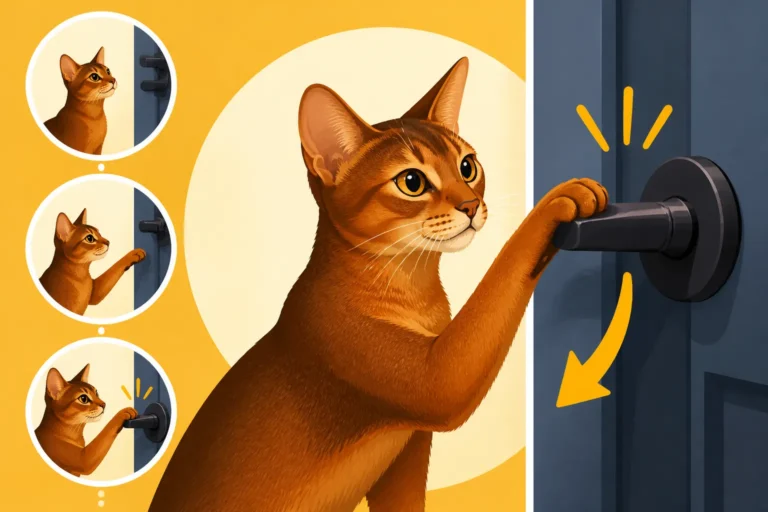
That relentless pat-pat-pat on your face, the insistent chirping, or even the dramatic dive-bomb from the dresser at what feels like the middle of the night (but your Abyssinian swears is breakfast time) – if this sounds familiar, you're living with an early-rising Abyssinian. It's a common, if exhausting, predicament for us Aby parents, but trust me, there are ways to gently coax your feline alarm clock into a more civilized morning schedule. This guide will walk you through understanding their natural rhythms and implementing practical strategies to reclaim your precious morning sleep.
Decoding Your Abyssinian's Early Bird Tendencies
It’s easy to feel personally targeted when your Abyssinian decides 4 AM is prime time for zoomies and demanding sustenance. But understanding why they do this is the first step toward finding a solution that works for both of you.
Why Abyssinians Are Naturally Early Risers
Abyssinians are not just cats; they are bundles of high-octane energy, intelligence, and ancient instincts wrapped in a sleek, ticked coat. They are often called the "Clowns of the Cat Kingdom" or "Cats of the Sun" for good reason – they are active, curious, and incredibly engaged with their environment. Their natural rhythms, much like their wild ancestors, often lean towards crepuscular activity, meaning they are most active during dawn and dusk. This isn't a malicious plot to deprive you of sleep; it's deeply ingrained behavior.
Think about it: in the wild, the early morning hours are prime hunting time. Small prey animals are often most active as the sun rises, making it an opportune moment for a predator like your Aby to be alert and on the prowl. This intense prey drive, combined with their boundless energy, means they are naturally going to feel most "awake" and ready to engage when the world outside starts to stir. When your Abyssinian wakes you at five, it's not because they're being naughty, it's because their internal clock is telling them it's time for action, and you are their favorite source of action (and food, let's be honest). Their intelligence means they quickly learn that waking you up gets results.
Common Triggers for Early Morning Wake-Ups
While their natural disposition plays a huge role, several factors can exacerbate an Abyssinian's early morning habits, turning a mild inconvenience into a genuine sleep disruption. Pinpointing these triggers in your household is crucial for effective intervention.
The most common culprit is, predictably, hunger. If your Aby is used to being fed at a certain time, their stomach will be rumbling and their internal clock will be signaling "food time." Even a slight shift in your schedule, or simply a cat who has decided they are perpetually hungry (many Abyssinians fit this description!), can lead to them demanding breakfast earlier and earlier. Beyond hunger, boredom is a massive trigger. An Abyssinian with an under-stimulated mind and body will find ways to entertain themselves, and often that means bothering their sleeping human. If they haven't had enough mental and physical enrichment during the day, or especially in the evening, they'll wake up feeling restless and ready to play. They simply have too much energy to burn.
Attention-seeking is another powerful motivator. Abyssinians are incredibly social and bond deeply with their people. If they're not getting enough interaction throughout the day, or if they've learned that jumping on your head is a surefire way to get a reaction, they'll use this tactic to get your attention. Lastly, environmental factors often contribute. The first rays of dawn creeping through the window can signal "wake up!" to an Aby, especially one who loves basking in sunbeams. Similarly, external noises like birds chirping, garbage trucks, or neighbors heading off to work can rouse them from their slumber, and once they're awake, they expect everyone else to be too.
Strategic Shifts for a Later Start
Changing a cat's established routine, especially an intelligent and persistent Abyssinian, requires more than just hoping they'll sleep in. It demands a thoughtful, multi-pronged approach that addresses their needs while gradually recalibrating their internal clock.
Adjusting Feeding Schedules
This is often the most impactful strategy. Abyssinians are highly motivated by food, and if their internal alarm clock is primarily set by their stomach, shifting their meal times is paramount. The key here is gradual adjustment. Don't suddenly push their evening meal back by three hours; that's a recipe for a very disgruntled and even more persistent cat. Instead, start by moving their last meal of the day back by just 15-30 minutes every few days. This slow, incremental change helps their digestive system and their internal clock adapt without causing distress.
Let's say your Aby usually gets their dinner at 6 PM and wakes you at 5 AM. For the first few days, aim for 6:15 PM. Then, after three or four days, shift it to 6:30 PM, and so on. The goal is to get their last meal as close to your bedtime as possible, without making it so late that it interferes with your winding down. Many owners find success with an evening meal around 8 PM or 9 PM. If you're really struggling to manage this consistently, or if your Aby is simply too good at convincing you they're starving, consider investing in an automatic timed feeder. These devices are fantastic for delivering small portions throughout the night or dispensing their breakfast at a set time before you're up, thus decoupling their food schedule from your wake-up time. There are many reliable options available on platforms like Amazon that allow for precise scheduling and portion control. This way, the feeder becomes the "bad guy" if the food isn't delivered exactly when your cat wants it, not you. Remember, the idea is to satiate that early morning hunger before it becomes a reason to bother you. How Many Meals a Day an Abyssinian Should Get explores this further.
Maximizing Evening Play and Enrichment
A tired Abyssinian is a (slightly) quieter Abyssinian. One of the most effective ways to encourage later wake-ups is to ensure they are thoroughly worn out, both physically and mentally, before you head to bed. This means dedicating significant time in the evening to intense, engaging play sessions. Think of it as mimicking a successful hunt. Use wand toys with feathers or realistic prey attachments, engage them in vigorous games of fetch, or use a laser pointer (always ending with a tangible reward like a treat or a toy they can "catch" to prevent frustration). These sessions should be high-energy and last until your Aby is panting and ready to curl up.
Beyond physical play, mental enrichment is vital for these intelligent cats. Before bed, try hiding small portions of their dinner kibble around the house, turning mealtime into a foraging game. Puzzle feeders are also excellent for this. Load them up with a portion of their evening meal or some enticing treats, making them work for their food. This mental effort is just as tiring as physical exertion and can keep them occupied and content for a longer stretch. Look for sturdy, engaging puzzle feeders on Amazon that challenge their problem-solving skills without being overly frustrating. By ensuring your Abyssinian has expended their vast stores of energy and satisfied their hunting instincts in the hours leading up to your bedtime, you significantly reduce their motivation to start the day at an ungodly hour. How to Split an Abyssinian's Play Into Sessions offers more ideas for structuring these important interactions.
Creating a Consistent Bedtime Routine
Cats, like children, thrive on routine and predictability. Establishing a clear, consistent bedtime routine for your Abyssinian sends them clear signals about what to expect and when. This doesn't mean you need to tuck them into bed, but rather that your actions consistently communicate that the "active" part of the day is winding down.
This routine might look something like this: a high-energy play session an hour or two before your bedtime, followed by their last meal, then a quiet snuggle session or grooming time. After this, you might provide a final puzzle feeder or a favorite toy, and then it's "lights out" and quiet time. The key is consistency. Your Aby will quickly learn to associate these cues with the transition to nighttime. If you're inconsistent – sometimes playing late, sometimes feeding early, sometimes ignoring them entirely – their internal clock won't be able to establish a predictable rhythm, and they'll continue to test the boundaries. By being predictable, you help them understand that while their instinct might scream "hunt!", their human's routine means "sleep now, play later."
Environmental Hacks for Peaceful Mornings
Sometimes, your Abyssinian's early wake-up call isn't just about internal clocks; it's about what's happening around them. Manipulating their environment can play a huge role in encouraging them to sleep in later.
Light and Sound Management
The rising sun is a powerful signal for any crepuscular animal, and your Abyssinian is no exception. Those first slivers of dawn can trigger their internal "wake up" mechanism. To combat this, blackout curtains or blinds are your best friend. Install them in your bedroom, and ideally, in any room your Aby frequently sleeps in, to effectively block out the morning light. The goal is to keep their environment dark until you are ready to get up. Think about heavy, room-darkening drapes you can find easily on Amazon, or even temporary solutions if you're renting.
Beyond light, sound can also be a major disruptor. Birds chirping outside, distant traffic, or even the subtle hum of your appliances can be enough to rouse a light-sleeping Abyssinian. A white noise machine can work wonders by creating a consistent, soothing soundscape that masks these external disturbances. This creates a more peaceful sleep environment, allowing both you and your cat to stay asleep longer. If your Abyssinian tends to patrol the house and wake you, consider if closing your bedroom door at night (if safe and practical) might provide a barrier. Many Abyssinians, however, hate a closed door and will voice their displeasure loudly, so this might not be a viable solution for every household. For advice on how to manage their immediate environment, check out How to Set Up a Room for an Abyssinian Home Alone.
Overnight Entertainment and Comfort
Even with a full belly and a good play session, an Abyssinian might still wake up early simply because they're bored or uncomfortable. Providing appropriate entertainment and comfort for them during the hours you want to sleep can make a significant difference.
This doesn't mean leaving out noisy toys that will keep you awake. Instead, consider quiet puzzle feeders loaded with a few treats or a small portion of their breakfast. These can engage their minds and provide a quiet activity if they do wake up before you, redirecting their attention away from you. Placing these in a different room or a spot far from your bed can further ensure your sleep isn't disturbed. Make sure they have a comfortable, warm sleeping spot away from your bed, perhaps a cozy cat bed or a soft blanket in a favorite high perch. Abyssinians often enjoy sleeping in elevated positions, so ensure their preferred vertical spaces are inviting and accessible for nighttime rest. Sometimes, simply having a soft, warm spot that isn't your face is enough to encourage a few more minutes of sleep for everyone.
The Long Haul: Patience, Consistency, and Realistic Expectations
Shifting an Abyssinian's morning schedule is not a quick fix. It's a journey that requires commitment, understanding, and a healthy dose of realistic expectations.
Why Patience is Your Best Friend
Abyssinians are incredibly smart, which is both a blessing and a curse when it comes to behavior modification. They learn quickly, but they also develop strong habits and can be remarkably persistent when they want something. This means that changing their internal clock, which has likely been set over months or even years, is going to take time. You might see small improvements in a few days, but significant, lasting change often requires weeks, or even months, of consistent effort.
During this process, it's crucial not to reinforce the behavior you're trying to extinguish. If your Aby wakes you at 4:30 AM and you eventually give in, even just once, you've taught them that persistence pays off. They'll just try harder next time. It's tough, especially when you're groggy and just want five more minutes of peace, but ignoring unwanted early morning antics (as long as they are safe and not genuinely distressed) is vital. They're not going to calm down overnight, as you might learn from Whether an Abyssinian Ever Calms Down, but with your consistent efforts, they will eventually adapt.
What to Do When They Backslide
Let's be real: backslides will happen. You might have a perfect week of sleeping until 7 AM, and then suddenly, your Abyssinian is back to their 5 AM antics. Don't get discouraged! This is a normal part of the learning process for both of you. When a backslide occurs, it’s an opportunity to re-evaluate your strategies.
Ask yourself: Did something change? Was their evening play session less intense? Did the timed feeder run out? Did a new noise or light source appear? Sometimes, it’s simply a test from your clever cat to see if the rules have changed. The best approach is to calmly and consistently revert to your core strategies. Double down on those vigorous evening play sessions, ensure the timed feeder is working, and check your blackout curtains. Most importantly, avoid engaging with the unwanted behavior. If they're pestering you, try to ignore them completely. Turn away, cover your head, and don't make eye contact. If they jump on you, gently put them back down without a word. Over time, they'll learn that their early morning demands are no longer effective. How to Stop an Abyssinian Waking the House offers more targeted advice on this.
Celebrating Small Victories and Long-Term Harmony
The goal isn't necessarily to transform your Abyssinian into a docile, late-sleeping slacker (they are Abyssinians, after all!). It's about finding a compromise that works for everyone. Celebrate those small victories – an extra 15 minutes of sleep here, a morning where they played with a puzzle feeder instead of bothering you there. These are signs that your efforts are making a difference.
Understand that some Abyssinians will always be naturally earlier risers than others, and a true 9 AM lie-in might be a fantasy. The aim is to shift their schedule to a more manageable time for you, and to create a harmonious home where their natural energy and your need for rest can coexist. By consistently applying these strategies, you're not just getting more sleep; you're also providing your Abyssinian with a more structured and enriching life, which ultimately leads to a happier, healthier cat.
Here’s a quick overview of immediate versus long-term strategies:
| Strategy Aspect | Immediate Actions (First 1-2 Weeks) | Long-Term Strategies (Ongoing) |
|---|---|---|
| Feeding | Gradually move evening meal 15-30 mins later every few days. | Consistent timed feeder schedule for breakfast; last meal near your bedtime. |
| Play & Enrichment | Introduce one high-energy play session before bed. | Two daily high-energy play sessions (morning & evening), regular puzzle feeders. |
| Environment | Install blackout curtains in bedroom; consider white noise machine. | Maintain dark, quiet sleep environment; provide overnight enrichment away from bed. |
| Behavior Response | Gently ignore or redirect early wake-ups without reward. | Consistent non-engagement with unwanted behaviors; reward calm, quiet mornings. |
| Owner Consistency | Be diligent with new feeding and play times, even if tired. | Make the new routine a habit; adjust slightly as needed but maintain structure. |
Disclaimer
This article is for general informational purposes only and does not constitute professional advice. Laws, prices and regulations vary by location and change over time. Consult a qualified professional for guidance on your specific situation.