Which Wand Toy an Abyssinian Prefers
If you're an Abyssinian owner, you've probably experienced the frustration of buying a brand-new cat toy, only for your energetic furball to ignore it after five minutes or, worse, completely destroy it in two. These active, intelligent cats aren't content with just any toy; they have discerning tastes and incredible stamina. This guide will help you navigate the world of wand toys, revealing what truly captures an Abyssinian's attention and keeps them engaged, saving you from a pile of rejected or shredded toys.
The Abyssinian's Unique Play Style: Why "Any Toy" Just Won't Do
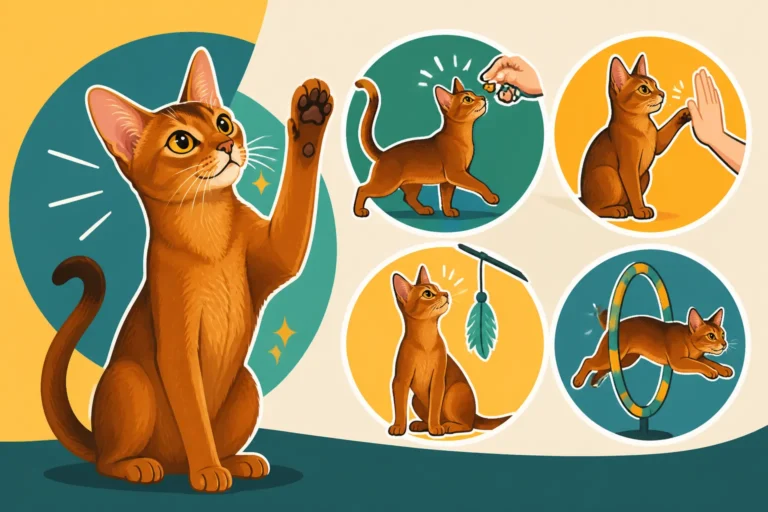
Abyssinians are famously known as the "Clowns of the Cat Kingdom" or the "Ferrari of the feline world" for a very good reason: their boundless energy and insatiable curiosity. They don't just play with toys; they hunt, chase, pounce, and strategize. Understanding this inherent drive is key to selecting the right tools for their playtime. It's not about providing an object; it's about facilitating a simulation of the wild hunt they instinctively crave.
The Instinctive Hunter's Mindset
Unlike some more sedentary breeds that might be happy with a plush mouse batted around occasionally, an Abyssinian sees every play session as a serious endeavor. They are incredibly agile, capable of breathtaking jumps and lightning-fast sprints. When they engage with a wand toy, they're not just batting at a feather; they're stalking prey, anticipating its movements, and executing a precise takedown. This intense focus means the toy itself needs to mimic real prey in its movement and durability. A flimsy feather on a thin string simply won't stand up to their determined attack, nor will it provide the realistic challenge their keen minds demand.
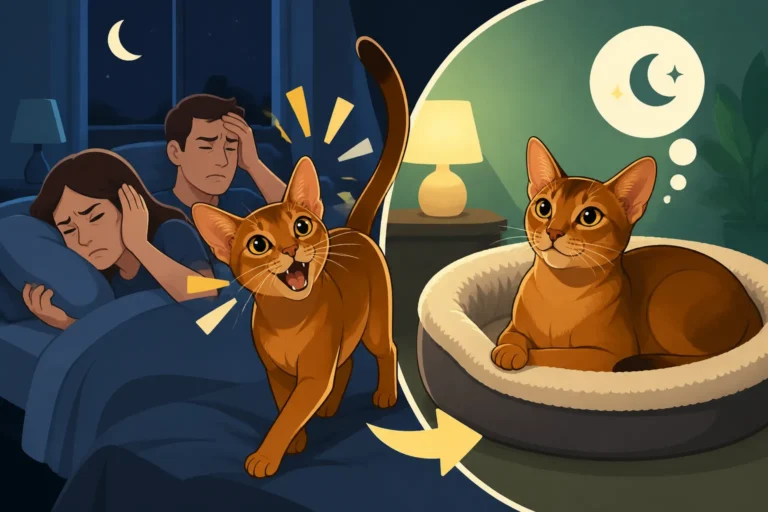
This powerful instinct is also why you might find your Abyssinian waking you at five in the morning, ready for action. They have an internal clock set for dawn and dusk activity, mimicking the hunting patterns of their wild ancestors. Providing adequate, stimulating playtime, especially with interactive toys like wands, helps channel this natural energy constructively, preventing boredom and potential mischief. You'll often hear that How Much Play an Abyssinian Needs Each Day is far more than for a typical housecat, and a good wand toy is indispensable for meeting those needs.
The Problem with Short Attention Spans
Another characteristic that makes Abyssinian playtime challenging is their tendency to lose interest in a toy fast. They are incredibly smart cats, and once they've "figured out" a toy or a play pattern, the novelty quickly wears off. This isn't a flaw in your cat; it's a testament to their intelligence and their need for constant mental stimulation. A static toy or a predictable game quickly becomes boring.
This is where the versatility of a good wand toy truly shines. The human at the other end of the wand is the real "brains" of the operation, capable of creating endless scenarios, varying speeds, hiding places, and pouncing opportunities. You become the puppeteer of their prey, ensuring the "hunt" remains unpredictable and exciting. Without this interaction, even the fanciest toys can end up collecting dust in a corner. It's not just about the toy, but how you use it. This constant engagement helps prevent What an Abyssinian Does When It Is Bored, which can often involve exploring places they shouldn't or developing destructive habits.
Deconstructing the Ideal Abyssinian Wand Toy
When you're sifting through the countless options available, especially online at places like Amazon, it’s easy to get overwhelmed. But for an Abyssinian, specific characteristics rise to the top, making some wand toys far superior to others. It’s a balance of stimulation, durability, and safety that truly makes a difference.
Durability and Materials That Withstand the Assault
Let's be real: Abyssinians are not gentle players. They will pounce, bite, rip, and drag their "prey" with incredible vigor. A wand toy that falls apart after one enthusiastic session is not only a waste of money but can also be a choking hazard. Look for wands made from sturdy, flexible materials. A strong, thick acrylic or fiberglass rod is usually better than thin plastic. The string or wire attaching the lure should be robust, too, ideally a coated wire or a very strong braided cord that resists snapping or fraying.
The lure itself is where many toys fail. Feathers glued on weakly, thin fabric, or easily detachable plastic pieces just won't cut it. Consider lures made with natural, tough materials like leather, rabbit fur, or strong, densely packed feathers that are securely attached. Some of the best options feature multiple layers or reinforced stitching. You want something that can take a beating and still look appealing enough for round two. For instance, some of the more artisanal, handmade wand toys found on platforms like Amazon often boast superior construction specifically designed for vigorous play.
Lure Variety and Realistic Movement
An Abyssinian needs a lure that can genuinely mimic prey. This means it should be lightweight enough to flutter, dart, and skitter across the floor or through the air. Feather lures are perennial favorites because they are inherently bird-like, offering erratic movements and soft landings that mimic a bird in flight. Critter-style lures, often made of rabbit fur or other animal hides, appeal to their rodent-hunting instincts, dragging and hiding as if they were live prey.
The key is variety. Abyssinians get bored with the same old thing. Having a collection of different lures that can be easily swapped out on a single, durable wand handle is an absolute game-changer. This allows you to introduce new textures, sounds, and movements without buying an entirely new wand every time. It keeps their minds guessing and their hunting instincts sharp. Why an Abyssinian Loses Interest in a Toy Fast becomes less of an issue when you can constantly refresh the play experience with a new "prey."
The Importance of the Wand Itself: Length and Flexibility
The wand handle might seem secondary to the lure, but it's crucial for effective play. A longer wand (think 3-4 feet, not including the string) gives you more control and allows you to create wider arcs and more dramatic movements, simulating a large bird or a far-off scurrying creature. This extended reach also keeps your hands safely away from those enthusiastic claws and teeth.
Flexibility in the wand is also important. A good wand will have some bend, allowing for springy, unpredictable bounces and quick changes in direction that a stiff rod simply can't achieve. This flexibility adds to the realism of the "prey" and enhances the challenge for your Abyssinian. Some wands even have telescoping features, which can be convenient for storage or for adjusting the play distance. When browsing on Amazon, pay attention to the wand material and advertised length.
Top Wand Toy Types That Keep Abyssinians Engaged
With so many options out there, knowing which types of wand toys typically hit the mark with Abyssinians can save you a lot of trial and error (and wasted money!). It often comes down to tapping into their natural instincts and providing the kind of dynamic interaction they thrive on.
Feather Wands: The Ultimate Bird Mimic
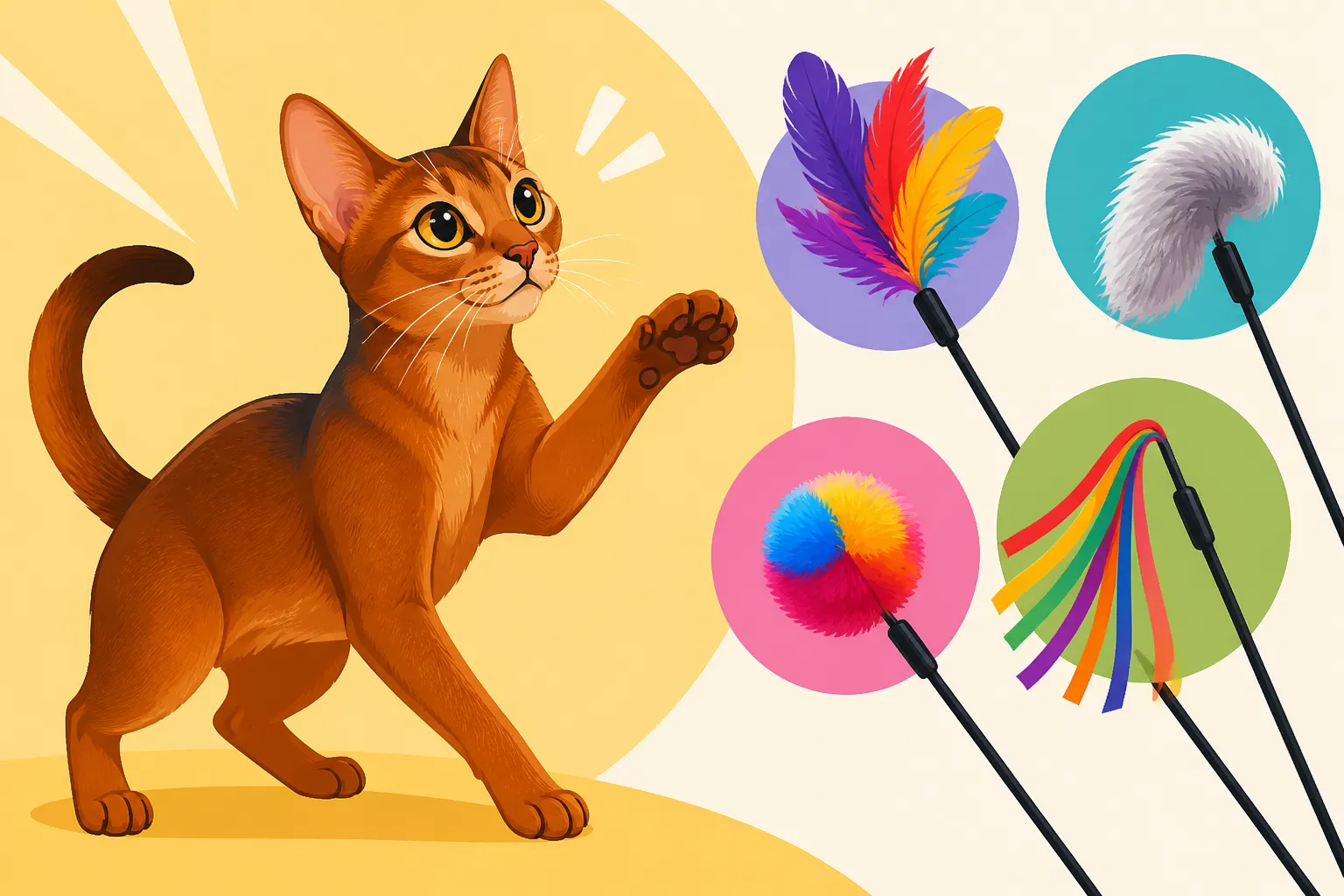
Feather wands are often the undisputed champions for Abyssinians. The light, airy movement of real feathers perfectly mimics a bird, triggering their intense pouncing and aerial hunting instincts. Look for wands with a variety of feathers—peacock, guinea fowl, pheasant, or even simple chicken feathers—as each offers a different flight pattern and texture. The more robustly attached the feathers, the longer the toy will last.
Some high-quality feather wands feature a cluster of feathers on a short, flexible wire at the end of the string, allowing for incredibly lifelike flutters and dives. Others might have longer, singular feathers that whip through the air. It’s a good idea to have a few different styles in your rotation. Remember, the goal is to make it unpredictable. Dragging it across the floor like a wounded bird, letting it "fly" overhead, or hiding it behind furniture before a sudden reappearance will drive your Abyssinian wild. Many reputable pet brands offer excellent feather wand sets, and you can often find replacement feather lures on Amazon.
Critter and Fur Lures: Tapping into Their Inner Predator
Beyond birds, Abyssinians are also natural hunters of small mammals. Critter-style lures, often made from real or faux rabbit fur, deer hair, or other natural textures, appeal directly to this instinct. These lures are typically heavier than feather ones, making them ideal for ground-based play—scurrying under rugs, hiding behind sofa legs, and making sudden dashes.
The texture of fur is incredibly stimulating for an Abyssinian, providing a satisfying mouthfeel once they've "caught" their prey. Some of these lures even have little bells or crinkly material inside to add auditory stimulation. When using a fur critter wand, focus on movements that mimic a mouse or squirrel: quick bursts, freezing in place, and sudden changes in direction. This type of play is excellent for channeling their energy and offering a different kind of hunting challenge.
Ribbons, Tassels, and Other Quirky Attachments
While feathers and fur are classics, don't underestimate the power of simple ribbons, fabric tassels, or even a crinkly Mylar pom-pom. Abyssinians are attracted to movement and sound. A long, flowing ribbon can be mesmerizing as it whips and dances through the air, encouraging high jumps and acrobatic twists. Mylar or crinkly fabrics add an enticing sound element that many Abyssinians find irresistible.
These types of lures might not offer the same "realistic" prey simulation as feathers or fur, but they provide excellent exercise and can be fantastic for engaging multiple cats at once, if you happen to have a dynamic duo. They can also be great for variety, particularly when you notice your Abyssinian becoming a bit too comfortable with their usual feather or fur toys. Think about what will make your Abyssinian stretch and chase, like a colorful scarf or ribbon fluttering just out of reach.
Here's a quick comparison of popular wand toy lure types for Abyssinians:
| Lure Type | Best For | Pros | Cons | Engagement Level | Durability (Abyssinian) |
|---|---|---|---|---|---|
| Feather Lures | Aerial hunting, high jumps | Mimics birds, erratic movement, lightweight | Can shed feathers, less durable for strong chewers | Very High | Moderate |
| Fur Critter Lures | Ground hunting, stalking | Realistic texture, satisfies biting instinct, durable | Heavier, less aerial play, can get messy if slobbered on | High | Good |
| Ribbon/Fabric Lures | Chasing, fast sprints, multiple cats | Visually stimulating, versatile, less 'prey' like | Less instinctual, some Abyssinians prefer more realism | Moderate to High | Variable (depends on material) |
| Crinkly/Mylar Lures | Sound stimulation, chasing | Auditory appeal, bright, lightweight | Can be easily shredded, not always satisfying to 'catch' | Moderate | Low |
Strategies for Keeping Wand Play Fresh and Exciting
Even with the perfect wand toy, an Abyssinian's intelligence means they'll eventually figure out your tricks. The real secret to long-term engagement lies in how you manage playtime and introduce novelty. This involves rotating toys, varying your play style, and understanding when to call it quits.
The Art of Toy Rotation
One of the simplest yet most effective ways to keep an Abyssinian interested in their wand toys is to implement a strict rotation schedule. Don't leave all their toys out all the time. Instead, have a selection of 2-3 wand toy lures available for a few days, then put them away and bring out a completely different set. This makes each reintroduction feel like a brand new discovery, renewing their enthusiasm for the "old" toys. How to Rotate an Abyssinian's Toys isn't just a suggestion; it’s a vital strategy for these clever cats.
When storing toys, make sure they are out of sight and out of mind. A closet, a sealed container, or even a drawer will work. This also gives you a chance to inspect toys for wear and tear, removing any that might pose a hazard. Having a designated "toy box" or shelf is also a good habit, ensuring you know exactly what you have on hand for the next rotation.
Varying Your Play Style and Techniques
You are the most important part of the wand toy equation. Don't be predictable! Abyssinians love a challenge, and if the "prey" always moves in the same pattern, they'll quickly get bored.
- Speed Changes: Vary between fast dashes, slow creeps, and sudden freezes. Make the lure dart and pause as if it's hiding or scouting.
- Terrain Utilisation: Use furniture, blankets, and doorways to your advantage. Make the lure disappear under a rug and pop out the other side. Let it peek from behind a chair. This simulates a more realistic hunting environment.
- Elevation: Abyssinians are incredible climbers. Don't just play on the floor. Let the lure "fly" up cat trees, wall shelves, or even over your shoulder, encouraging them to jump and climb. Why an Abyssinian still climbs even when older or less agile is a testament to their love for height.
- The "Kill": Always allow your Abyssinian to "catch" the toy frequently. The satisfaction of the successful hunt is crucial for their mental well-being. Let them bat it, bite it, and even carry it off for a moment before you gently re-engage. This builds their confidence and reinforces the positive association with playtime.
Remember to How to Split an Abyssinian's Play Into Sessions throughout the day, rather than one long burst. Short, intense sessions are often more effective for their attention spans.
Safety First: When to Replace or Put Away
Even the most durable wand toys will eventually show wear and tear, especially with an Abyssinian's rigorous play. Regularly inspect all parts of the wand toy:
- Lure Integrity: Are feathers coming loose? Is fur tearing? Are small pieces detaching? These can be ingested and cause problems.
- String/Wire Condition: Is the string frayed or about to snap? A broken string can be a strangulation hazard or easily swallowed.
- Wand Handle: Is the handle cracked or splintered? Sharp edges can cause injury to you or your cat.
If any part of the toy is compromised, it's time to replace the lure or the entire wand. It's often safer to err on the side of caution. Never leave a wand toy with a long string unattended, as it can become a serious hazard if your cat gets tangled. Interactive toys are designed for interactive play, meaning a human should always be present. After each play session, put the wand toy away in its designated storage spot. This not only keeps it safe but also helps maintain its novelty for the next play session.
By understanding your Abyssinian's instincts, choosing durable and stimulating toys, and engaging in dynamic, varied play, you'll ensure your energetic companion stays happy, healthy, and thoroughly enriched.
Disclaimer
This article is for general informational purposes only and does not constitute professional advice. Laws, prices and regulations vary by location and change over time. Consult a qualified professional for guidance on your specific situation.