Why an Abyssinian Steals Small Objects
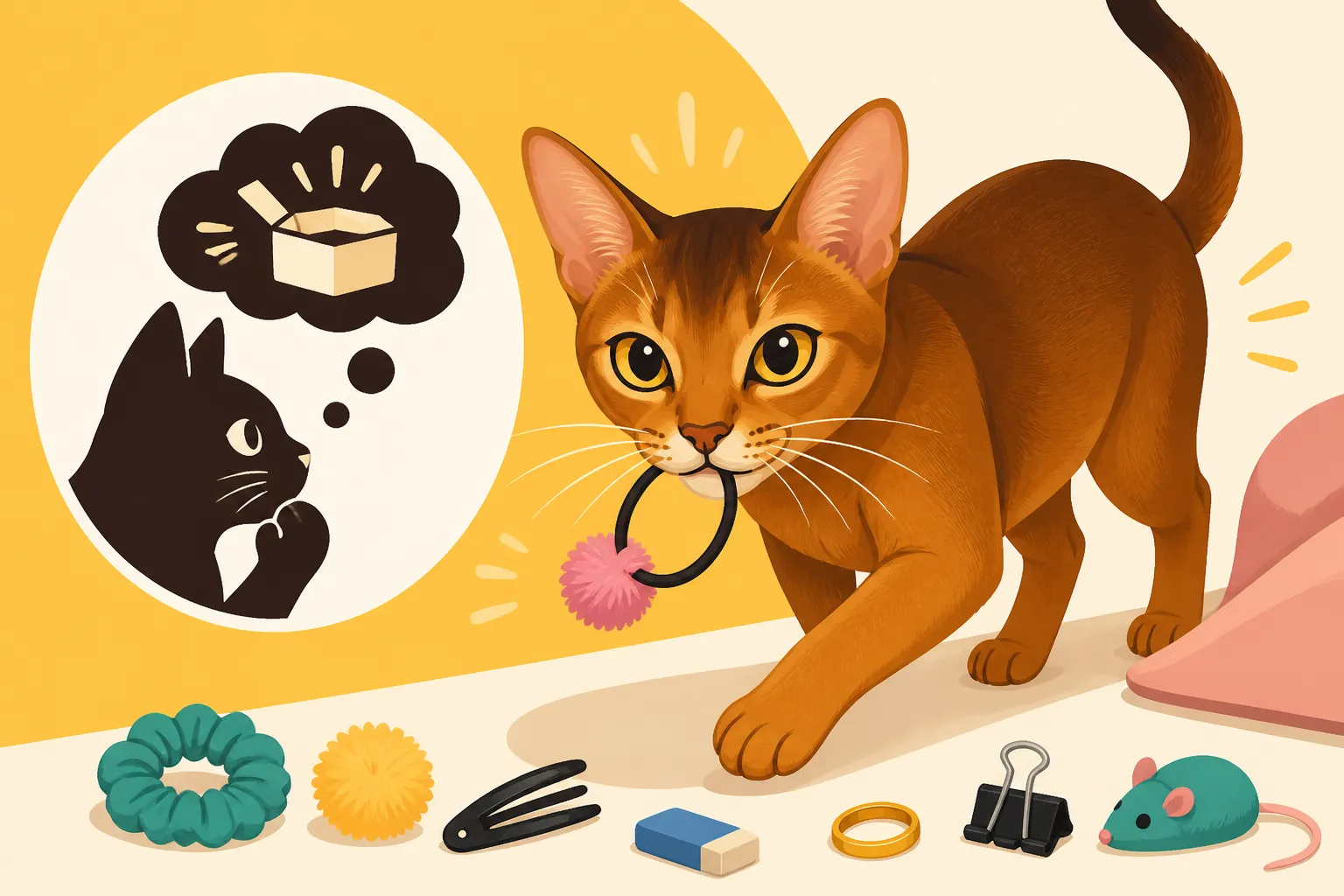
If you've ever found your favorite hair tie under the sofa, a pen in your shoe, or your car keys mysteriously relocated to a spot they absolutely shouldn't be, chances are you live with an Abyssinian cat. Their playful curiosity often manifests as a penchant for "acquiring" small, intriguing objects, leaving their human companions baffled and sometimes a little frustrated. This comprehensive guide will explore the deep-seated reasons behind your Abyssinian's thieving habits and provide practical, empathetic strategies to manage this endearing, yet sometimes chaotic, behavior.
The Instinctive Drive Behind "Stealing" Behavior
It's easy to think your Abyssinian is just being naughty when they swipe your earrings off the nightstand, but for them, it's often a completely natural expression of their wild instincts. These aren't just house cats; they're incredibly intelligent and athletic little creatures whose behaviors are still strongly linked to their ancient lineage.
The Hunter's Mentality: Why Prey Drive Translates to Household Objects
Abyssinians are renowned for their incredible energy and their highly developed prey drive. They come from a long line of active, intelligent hunters, and that instinct hasn't been bred out of them. While your home might not be teeming with small rodents or birds, your Abyssinian's brain is still wired to stalk, chase, pounce, and "capture." Those small, movable household items—a crumpled receipt, a dropped bottle cap, a glittery hair clip—become stand-ins for live prey.
Think about how a wild cat would approach its hunt. There's the stealthy approach, the sudden burst of speed, the satisfying "kill" bite, and then often, the carrying away of the prize to a safe den. Your Abyssinian is doing precisely the same thing, just with a pen instead of a mouse. The ticking pattern in their fur, which provides excellent camouflage in a natural environment, further enhances their feeling of being a covert operative in your living room. The thrill isn't just in the pounce; it's in the entire sequence. They're not stealing; they're hunting. This innate drive is incredibly powerful and needs appropriate outlets.
Boredom and a Need for Mental Stimulation
An Abyssinian is not a couch potato. They are incredibly bright, inquisitive, and active cats that thrive on mental and physical stimulation. If their environment isn't providing enough challenges or entertainment, they'll invent their own. And often, those self-invented games involve exploring, problem-solving, and, yes, "stealing" things. A bored Abyssinian is a creative Abyssinian, and that creativity can be a double-edged sword when it comes to your small possessions.
Imagine being a highly intelligent creature stuck in a house with nothing new or interesting to do all day. You'd find ways to amuse yourself, wouldn't you? For an Abyssinian, that might mean figuring out how to open a cupboard, investigating the contents, and then deciding that a particular item makes for a fantastic "toy." This isn't malicious; it's simply a cat trying to meet its intrinsic need for engagement. A home that doesn't offer enough enrichment can quickly become a playground for a feline kleptomaniac. When you leave your Abyssinian alone, especially for long stretches, they're going to fill that time somehow, and your forgotten items become fair game. What an Abyssinian Does When It Is Bored is often a direct correlation to their energy being misdirected.
Attention-Seeking and Communication
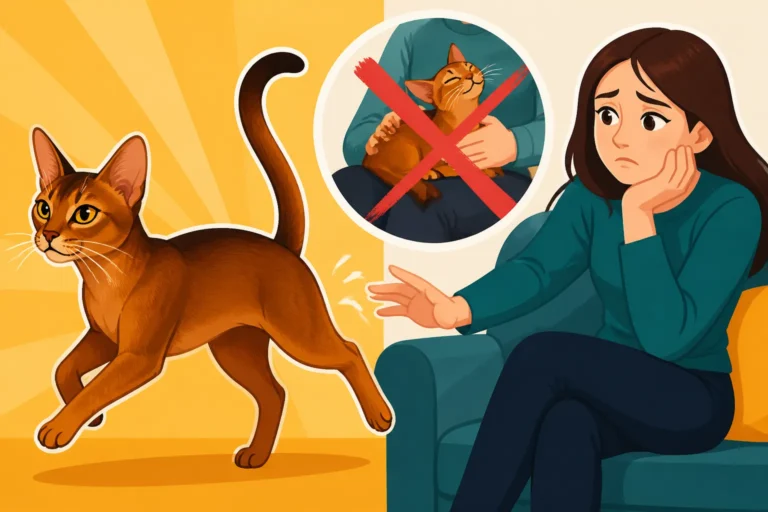
Abyssinians are highly social and form strong bonds with their human families. They love to be involved in whatever you're doing, and they are masters of getting your attention. If they've learned that batting your car keys off the table or making off with a sock causes you to react—whether it's with a shout, a chase, or even just a sigh and a glance their way—then they've successfully communicated with you. For them, any attention is often good attention.
This behavior can become a learned response. Perhaps they tried it once, you chased them, and they thought, "Aha! This is a fun game!" Or maybe they noticed that when they bring a specific item to your feet, you stop what you're doing and interact. They are remarkably perceptive creatures, and they quickly pick up on patterns and consequences. They might not be able to verbalize "I'm lonely" or "I want to play," but a carefully executed "theft" can convey the message loud and clear. It’s their way of initiating engagement, even if it feels like mischief to us.
Common Targets and the Abyssinian's "Hoard"
When an Abyssinian gets into the habit of collecting, their preferences aren't entirely random. There's usually a method to their madness, driven by sensory appeal and perceived "prey" characteristics. Understanding what they go for can help you better manage the situation.
Favorite Stolen Items and Why
You'll notice a pattern in what your Abyssinian "steals." The most common culprits are small, easily carried, and often lightweight items that can be batted around or make an interesting sound. Hair ties are a huge favorite; their elastic bounce and soft texture make them irresistible. Many Aby owners have stories of finding dozens of hair ties under furniture. Jewelry, especially small earrings or necklaces, also falls into this category, often due to their sparkle or the jingle they make when moved. Pens, particularly those with clicky tops or satisfying caps, are another common target. Their cylindrical shape makes them easy to bat and carry.
Bottle caps, small craft items, cotton swabs, and even socks (especially clean, rolled-up ones that resemble a small animal) are frequently snatched. The appeal often lies in a combination of factors:
- Size and Weight: Small enough to fit in their mouth and carry.
- Texture: Soft (socks), smooth (pens), crinkly (receipts), or bouncy (hair ties).
- Sound: Items that crinkle, clatter, or jingle are especially enticing as they mimic the sounds of struggling prey.
- Movement: Anything that rolls, slides, or bounces catches their eye and triggers their chase instinct.
Each item offers a different sensory experience that satisfies their primal hunting and play needs. They're not just taking things; they're selecting items that provide the most engaging "play" value.
Where the Treasures Go: The Secret Stash Spots
Part of the mystery and amusement of living with a thieving Abyssinian is discovering their secret hoard. Unlike some cats who might just leave their "kills" in the middle of the floor, Abyssinians often have preferred hiding places, much like a wild animal returning to its den with food. These spots are usually secluded, dark, and difficult for humans to access—perfect for a secure stash.
Common hiding spots include under the sofa or bed, behind heavy appliances like the refrigerator or washing machine, inside shoes, under blankets or rugs, and even inside drawers or cupboards they've managed to pry open. I've heard stories of people finding entire collections of missing items in the most unexpected places—a forgotten purse, an old laundry basket, or even tucked away in a spare pillowcase. Where an Abyssinian Hides What It Takes can be quite a puzzle to unravel! Discovering one of these stashes can be a revelation, finally explaining where all those missing objects went. It’s a testament to their cleverness and their need for a secure place to keep their "prizes" safe from perceived predators (you!).
The Difference Between Play and Destruction
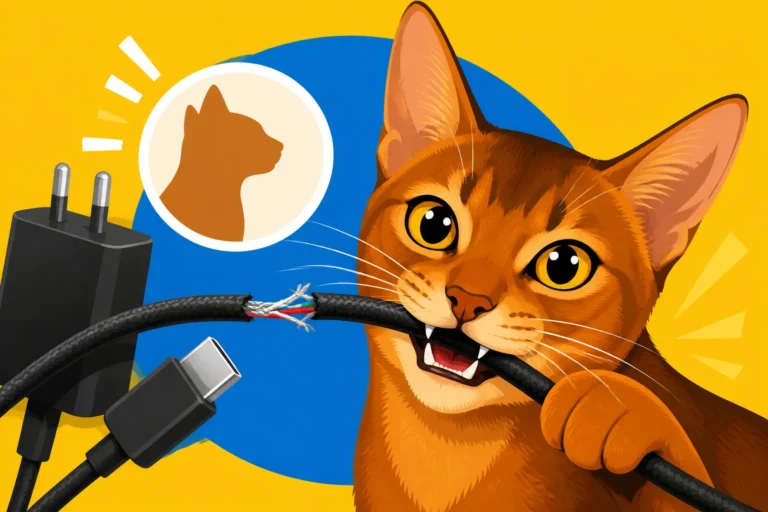
While many instances of an Abyssinian "stealing" are purely for play, it's important to recognize when this behavior crosses into destruction, especially if it involves items that could be harmful. For example, hair ties, while a favorite, can be ingested and cause serious digestive issues. Earplugs, small plastic pieces, or anything that can be easily chewed apart and swallowed are also major concerns.
When an Abyssinian chews or shreds an item, they're often acting out their "kill" instinct, but with less discernment than if it were actual prey. Soft, pliable items might be torn apart, while harder plastics could be gnawed, potentially leading to splintering and ingestion of sharp fragments. It's vital to differentiate between an item that's simply carried away for play and one that's being systematically destroyed. While the former might be annoying, the latter can pose a significant health risk. Monitoring what they steal and what they do with it is crucial for their safety.
Managing the Master Thief: Strategies and Solutions
Living with a highly intelligent, playful Abyssinian means embracing their quirks, but also setting boundaries for their safety and your sanity. You can't eliminate their natural instincts, but you can redirect them.
Environmental Management: Securing Valuables
The first line of defense against an Abyssinian's thieving tendencies is proactive environmental management. Simply put, if they can't get to it, they can't "steal" it. This requires a level of cat-proofing that might surprise first-time Aby owners. Start by viewing your home from a cat's perspective—specifically, a curious, agile, and vertically oriented cat's perspective.
- Clear Surfaces: Keep countertops, tables, and nightstands clear of anything small, loose, or attractive. If it's not bolted down or too heavy to move, assume it's fair game.
- Secure Cabinets and Drawers: Abyssinians are notorious for figuring out how to open cabinets. You might need to install childproof latches, like those found on Amazon, on any cupboards containing potentially harmful items (medication, cleaning supplies) or precious valuables. How to Secure a Cupboard Against an Abyssinian is a skill they master quickly!
- Use Storage Boxes: Invest in decorative boxes, baskets with lids, or zippered pouches to keep smaller items out of reach and out of sight. A cluttered environment is an Abyssinian's treasure trove.
- Close Doors: Make a habit of closing doors to rooms where you keep sensitive items, or simply rooms where you don't want them to "hunt." This includes closet doors, which they might see as an exciting new den to explore.
Providing Appropriate Enrichment and Safe "Prey"
Since you can't stop their prey drive, you need to channel it into appropriate outlets. Providing a rich, stimulating environment with plenty of safe "prey" is essential. This means a constant rotation of toys and opportunities for interactive play.
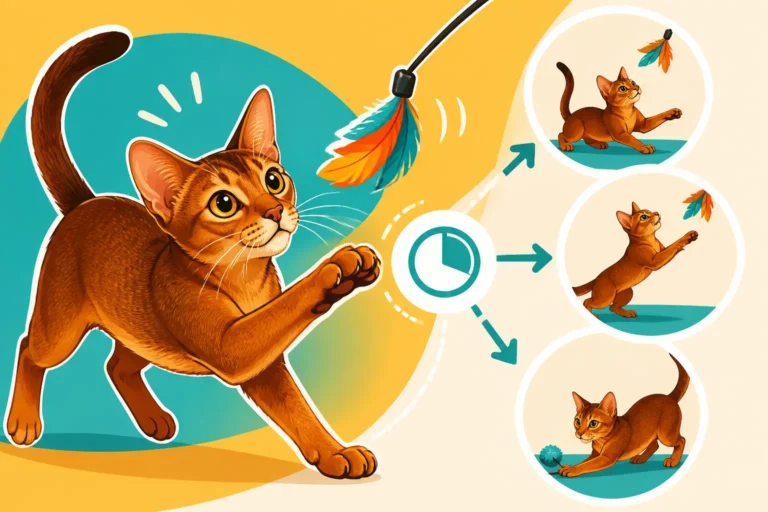
- Interactive Play Sessions: Dedicate at least two to three sessions of 10-15 minutes every day to active, interactive play. Use wand toys with feathers, ribbons, or small stuffed animals to mimic the hunt. Let them chase, pounce, and "catch" the toy at the end of the session to satisfy their hunting sequence. These sessions are crucial for burning off their incredible energy and satisfying their prey drive. Remember, Why an Abyssinian Loses Interest in a Toy Fast means you need variety!
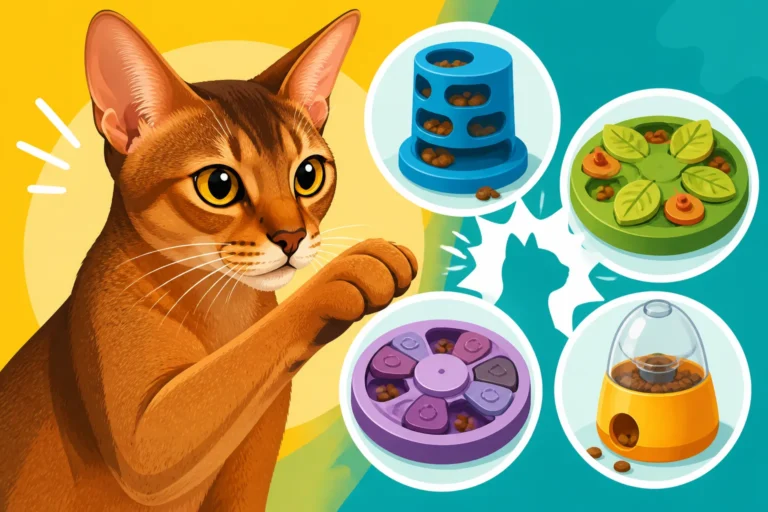
- Puzzle Feeders: These are fantastic for mental stimulation and slowing down meal times. Instead of just eating from a bowl, your Abyssinian has to "work" for their food, simulating foraging behavior. You can find many options on Amazon, from simple treat balls to more complex feeders that require batting or manipulation. Which Puzzle Feeders Hold an Abyssinian's Attention often varies by cat, so try a few different types.
- Safe "Treasure" Toys: Provide a designated basket of small, durable toys that they are allowed to "steal" and hide. Think crinkle balls, small fabric mice, or even sturdy plastic springs. Rotate these toys regularly to keep them novel and exciting.
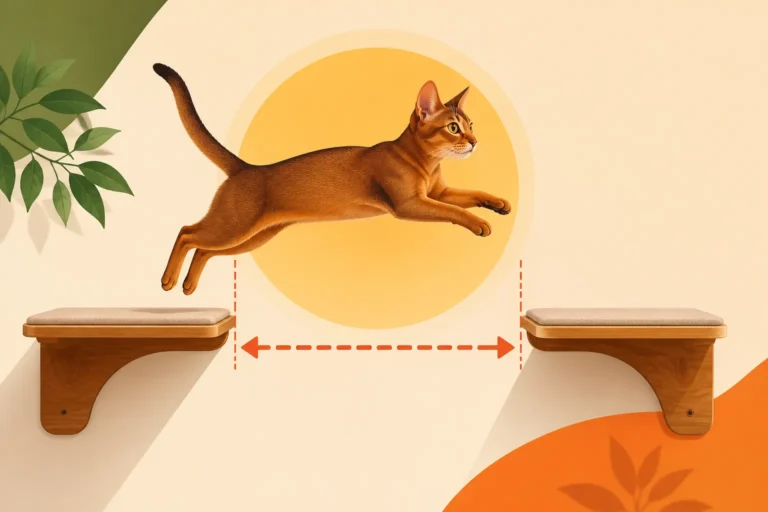
- Vertical Space: Abyssinians love to climb and observe their world from high vantage points. Providing cat trees, wall shelves, and other vertical structures gives them a sense of territory and helps burn off energy. Why an Abyssinian Needs More Vertical Furniture Than Most Cats cannot be overstated.
Training and Redirection Techniques
While you can't completely train away an instinct, you can use positive reinforcement to redirect your Abyssinian's focus from your valuables to their appropriate toys. They are incredibly smart and respond well to training.
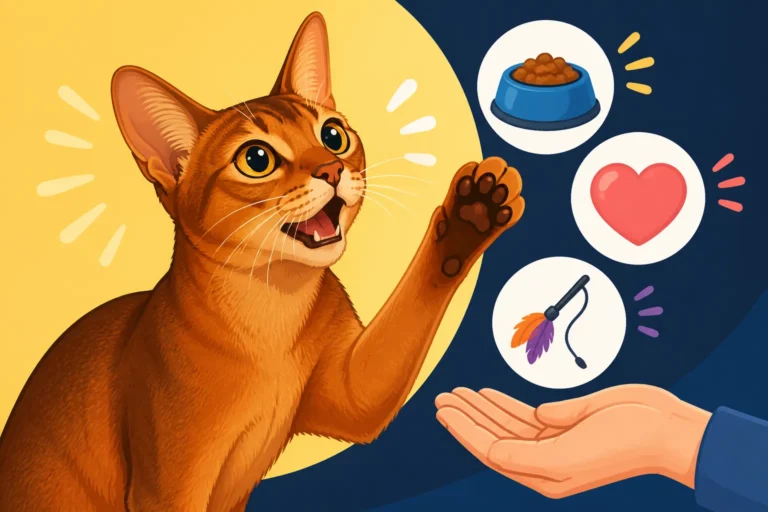
- "Leave It" or "Drop It" Cues: Using a clicker and high-value treats, you can teach your Abyssinian cues like "leave it" or "drop it." When they pick up something they shouldn't, offer a treat in exchange for dropping the item. This teaches them that giving up the "stolen" item results in a reward. Consistency is key here.
- Redirection to Appropriate Toys: If you see your Abyssinian eyeing your pen, immediately grab a wand toy or toss one of their favorite crinkle balls. Engage them in play with their toys before they have a chance to take yours.
- Ignore Attention-Seeking Theft: If you suspect they are "stealing" for attention, try to calmly retrieve the item without making eye contact or speaking. Then, immediately initiate an interactive play session with their toys. This teaches them that taking your items doesn't get the desired reaction, but playing with their own does.
- Teach Fetch: Many Abyssinians naturally love to fetch! You can harness this behavior by throwing a safe toy (like a crinkle ball or a small mouse) and rewarding them when they bring it back. This is a wonderful way to satisfy their retrieve instinct in a controlled manner. How to Turn an Abyssinian's Fetching Into a Routine can be a rewarding experience for both of you.
Considering a Companion
Sometimes, the simplest solution for a high-energy, social cat like an Abyssinian is another cat. A compatible feline companion, especially another Abyssinian or a similarly playful breed, can provide an invaluable outlet for their energy, play drive, and social needs.
When two Abyssinians live together, they often engage in intense wrestling, chasing, and mock-hunting games with each other. This can significantly reduce their reliance on your household items for entertainment. They’ll have a built-in playmate to satisfy those deep-seated urges, leaving your pens and hair ties largely untouched. Why a Second Cat Suits an Abyssinian isn't just about companionship; it's about providing an appropriate outlet for their boundless energy and intelligence, which can go a long way in curbing unwanted behaviors like "stealing." Of course, introducing a new cat requires careful planning, but for many Aby owners, it's a game-changer.
Stolen Items vs. Safe Alternatives
Here's a quick guide to common items an Abyssinian might "steal" and what safe, fun alternatives you can offer instead.
| Commonly Stolen Item | Why Abyssinians Like It | Safe & Fun Alternatives | Where to Find |
|---|---|---|---|
| Hair Ties | Elasticity, light, easy to bat and carry | Elastic hair tie cat toys, crinkle balls, sturdy springs, toy mice | Pet stores, Amazon (look for cat-safe hair ties) |
| Pens/Pencils | Cylindrical, easy to bat, interesting texture | Sturdy plastic springs, small rubber balls, felt-tipped wand toys | Pet stores, novelty cat toys, Amazon |
| Small Jewelry (earrings) | Shiny, jingle, small, easy to hide | Mylar crinkle balls, small bells (securely attached to toys), glittery wand toy attachments | Pet stores, Amazon (ensure no small detachable parts) |
| Bottle Caps | Light, slide easily, satisfying clatter | Mylar crinkle balls, small hard plastic balls, ping pong balls | Pet stores, Amazon, toy section of general stores |
| Socks/Small Fabric | Soft, easy to carry, can be "killed" | Catnip-filled toys, small stuffed fabric animals, kicker toys | Pet stores, Amazon, DIY from pet-safe fabrics |
| Cotton Swabs/Earplugs | Soft, lightweight, easy to chew/shred | Small soft plush toys, durable rubber chew toys (ensure non-toxic) | Pet stores, Amazon |
Remember, while these alternatives help, supervision during play and regular rotation of toys are still essential to keep your Abyssinian engaged and prevent them from returning to your personal items.
Disclaimer
This article is for general informational purposes only and does not constitute professional advice. Laws, prices and regulations vary by location and change over time. Consult a qualified professional for guidance on your specific situation.