How to Settle an Abyssinian in a New Home
Moving to a new home can be incredibly stressful for us humans, but imagine how disorienting it must be for your Abyssinian, whose entire world is suddenly shifted. They thrive on routine and familiarity, and a change of scenery, even a lovely one, can trigger anxiety and hiding behaviors. This guide is all about making that transition as smooth and fear-free as possible, ensuring your energetic Abyssinian settles in happily and confidently.
Preparing the Sanctuary Before Your Abyssinian Arrives
The key to a successful move for an Abyssinian is preparation. You want their new environment to feel as safe and predictable as possible, right from the moment they step paw inside. Think of it as creating a soft landing.
Choosing the Right Safe Room
Your Abyssinian needs a designated "safe room" in your new home. This isn't just a convenience; it's a vital anchor for their sense of security. Ideally, this room should be quiet, relatively small, and have a door that can be closed to prevent them from becoming overwhelmed or getting lost in a larger space. A spare bedroom, a quiet office, or even a spacious bathroom can work wonders. The goal is a controlled environment where they can feel secure and slowly acclimate without too much sensory input at once. It should be a place where you can regularly spend time with them without constant interruptions from other family members or pets.
It's tempting to let them explore everywhere immediately, especially given their curious nature, but this often backfires. An Abyssinian who feels insecure might dash under furniture in a vast, unfamiliar house and be incredibly difficult to coax out, prolonging their stress. Starting in a confined space allows them to map out their immediate surroundings, locate essential resources, and realize that this smaller area is safe before they tackle the grand tour. Think about it: if you were dropped into a mansion after living in a cozy apartment, you'd probably appreciate a familiar corner first, wouldn't you?
Essential Set-Up for Comfort and Security
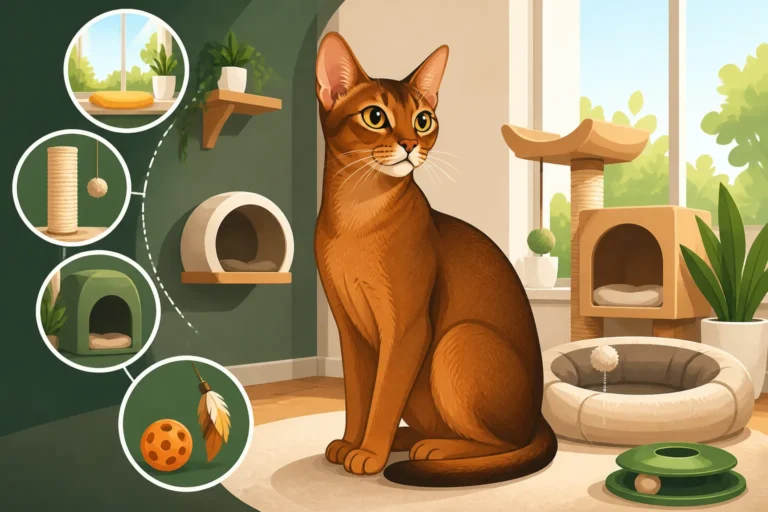
Once you've picked the safe room, it's time to deck it out for maximum comfort. This isn't just about putting their things in there; it's about making it undeniably theirs. You'll need their litter box, food and water bowls, a comfortable bed, and a few favorite toys. Place the litter box in an easily accessible corner, away from food and water. For a high-energy Abyssinian, consider a tall scratching post or a Why an Abyssinian Needs Height More Than It Needs Floor small climbing structure if the room allows, giving them some vertical territory even in this initial space.
Don't forget hiding spots! Even the boldest Abyssinian can feel vulnerable in a new place. Provide a cardboard box on its side, a carrier with a soft blanket inside, or a cozy cat cave. These offer a dark, enclosed space where your cat can retreat if feeling overwhelmed. Ensure fresh water is readily available – a fountain might encourage more drinking, which is vital for their health, especially considering potential kidney concerns that some Abyssinians face later in life. You can find excellent, quiet pet fountains and various cozy beds for your Abyssinian on sites like Amazon.
Scent Swapping and Familiarity
Cats communicate heavily through scent, and a new home is a blank slate, devoid of their familiar smells. This can be a huge source of anxiety. Before your Abyssinian even arrives, start preparing the safe room with items that smell like them and you. Take a blanket or bed from your old home that your cat has used and place it in the new safe room. Wear a t-shirt for a day or two, then place it in their new bed. This infuses the room with comforting, familiar odors.
You can also use synthetic feline pheromone diffusers, available from brands like Feliway, which release calming pheromones into the air. Plug one into the safe room a day or two before your cat's arrival. This subtle, silent support can make a world of difference in reducing their initial stress response. Remember, your Abyssinian is incredibly sensitive to their environment, and scent is a powerful tool to bridge the gap between the old and the new. It's about building a scent map of "home" even before they've truly explored it.
The Grand Entrance: First Moments in the New Home
The moment you bring your Abyssinian into their new dwelling is critical. How you handle these first few hours and days will set the tone for their entire settling process.
Keeping Calm on Arrival Day
The car ride to the new home can be stressful enough, so when you arrive, maintain a calm, quiet atmosphere. Avoid a bustling housewarming party on moving day. Carry your Abyssinian's carrier directly into the pre-prepared safe room. Close the door, and then open the carrier. Don't force them out; just let them emerge at their own pace. Some Abyssinians, with their inherent curiosity, might pop right out, but others might choose to stay hidden for a while. That's perfectly normal and okay.
Sit quietly in the room with them, perhaps reading a book or gently talking to them. Your calm presence is reassuring. Offer a special treat or a small, enticing meal. The goal here is to associate this new space with positive experiences and your comforting presence, rather than fear or chaos. Resist the urge to constantly pick them up or cuddle them during this initial period, as it can feel overwhelming for a cat already dealing with sensory overload. What an Abyssinian's Tail Says can tell you a lot about how they're feeling – a high, upright tail usually indicates confidence, while a tucked tail suggests fear.
Navigating the Initial Safe Room Stay
For the first 24-48 hours, or even longer if your Abyssinian seems particularly timid, keep them confined to this safe room. This gives them time to adjust to the new sounds, smells, and routines of the house from a secure base. Visit them frequently throughout the day, spending short, positive sessions together. Play with their favorite wand toy, offer praise, and simply be present. These interactions reinforce that you are still their person and this new place is not a threat.
Ensure their food, water, and litter box are always clean and accessible. Abyssinians are fastidious, and a dirty litter box in a new, unfamiliar environment could lead to avoidance issues. Pay close attention to their eating and drinking habits. Stress can sometimes lead to a decreased appetite, which you want to monitor. If they're eating well and using the litter box, these are good signs of adaptation. Remember that Why an Abyssinian Hides Illness Longer Than a Heavy Cat, so careful observation is always prudent.
Gentle Introductions and Observing Behavior
If you have other pets or children, their introductions need to be slow and controlled, well after your Abyssinian has settled into their safe room. For other cats, start with scent swapping: exchange blankets or toys between the safe room and the rest of the house. Let them smell each other under the door for a few days. Then, introduce them visually through a baby gate or screen door, allowing them to see each other without direct contact. Supervise these interactions closely and keep them brief and positive, ending before any signs of stress appear.
Children should be taught how to interact calmly and gently with the new cat, understanding that the Abyssinian needs space and quiet time. Explain that the safe room is the cat's special retreat. How an Abyssinian Behaves With Children and Dogs usually involves a high degree of confidence, but even they need time to feel secure in a new environment before engaging fully. Never leave an Abyssinian unsupervised with new pets or very young children during these initial stages. Patience is truly a virtue here; rushing introductions can cause long-term tension.
Expanding Horizons: Gradual Integration into the Whole House
Once your Abyssinian shows signs of comfort in their safe room – eating, playing, coming out to greet you, and using the litter box consistently – it's time to slowly introduce them to the rest of their new kingdom.
Slowly Opening Up New Areas
Begin by leaving the safe room door ajar during supervised times, allowing them to peek out and explore adjacent rooms at their own pace. Don't push them. Let their natural curiosity guide them. Abyssinians are incredibly inquisitive, and usually, that curiosity will win out eventually. Keep the rest of the house calm and quiet during these initial forays. If they dart back into the safe room, that's perfectly fine; it's their secure base. Over time, they'll venture further and for longer durations.
It's helpful to have a few extra resources like water bowls or even a secondary litter box placed strategically in areas they start to explore. This reduces the need for them to rush back to the safe room for essentials, encouraging broader exploration. How an Abyssinian Uses a Catio demonstrates their love for exploration, so try to provide varied stimuli in the new house. You might find them exploring every nook and cranny, climbing to the highest shelves. This is normal Abyssinian behavior.
Establishing New Routines and Play Times
Cats thrive on routine, and establishing a predictable schedule in the new home will greatly aid your Abyssinian's adjustment. Consistent feeding times, dedicated play sessions, and regular cuddles (if they're a cuddly Abyssinian, which isn't always a given!) help create a sense of stability. Play is particularly important for this active breed; it helps them burn off energy and build positive associations with their new environment.
Aim for multiple short play sessions throughout the day. Wand toys, feather teasers, and interactive puzzle feeders (you can find many great options on Amazon) are excellent for engaging their active minds and bodies. These activities not only provide enrichment but also help them bond with you in the new space. How Much Play an Abyssinian Needs Each Day is significant, so weave it into your daily schedule. A bored Abyssinian is a destructive Abyssinian, even in a new home! Consistent interaction will also help you read their body language and understand their comfort level.
Encouraging Exploration and Confidence
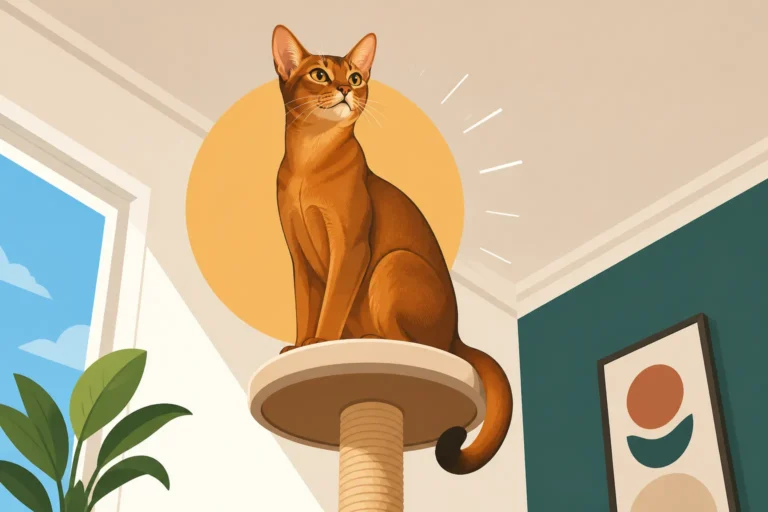
As your Abyssinian grows more confident, continue to enrich their environment. Provide vertical spaces like cat trees, wall shelves, or even clear pathways on top of bookcases. Abyssinians love to be high up, observing their domain. Why an Abyssinian Needs More Vertical Furniture Than Most Cats is not an exaggeration – they truly thrive with height. These vantage points provide a sense of security and control, which is essential for a cat in a new place.
Place engaging toys, puzzle feeders, or even hidden treats around the house to encourage exploration. Make the new home an exciting adventure, not a scary unknown. You can even try teaching them new tricks using clicker training; Abyssinians are remarkably intelligent and enjoy mental stimulation. Which Tricks an Abyssinian Learns Fastest often involve fetching or simple commands. Positive reinforcement, like treats and praise, will strengthen their confidence and make them feel truly at home.
Troubleshooting Common Settling Challenges
Even with the best preparation, some Abyssinians might struggle a bit more than others to settle in. It's important to recognize the signs and address them patiently.
Dealing with Hiding and Withdrawal
If your Abyssinian is spending a lot of time hiding under beds or furniture, it's a clear sign they're feeling insecure. Don't try to force them out. Instead, continue to visit them frequently, talking in a soft, reassuring voice. Offer high-value treats or their favorite wet food near their hiding spot. Sometimes, simply sitting quietly in the room can be enough to encourage them to emerge on their own terms.
Ensure their hiding spots are accessible and that their essential resources (food, water, litter) are close by. If they're hiding for prolonged periods and not eating or drinking, that's a red flag. Why a Lethargic Abyssinian Needs Blood Work Fast is a critical point – any sudden change in their behavior, especially withdrawal or lack of appetite, warrants a vet visit to rule out underlying health issues, as stress can sometimes exacerbate existing conditions or suppress their immune system.
Managing Stress-Related Behaviors
Stress can manifest in various ways in an Abyssinian. You might notice inappropriate urination or defecation outside the litter box, excessive grooming (leading to bald patches), increased vocalization, or even destructive behaviors like scratching furniture or chewing on things they normally wouldn't. Why a Stressed Abyssinian Overgrooms is a common sign to watch for. If they suddenly start pulling out their fur or licking constantly, it's not always a skin condition; often, it's anxiety.
First, rule out medical causes with a vet visit. If it's behavioral, revisit the basics: is their safe room still available? Are their resources clean and plentiful? Are introductions to other pets or people too rushed? Increase play sessions to help them burn off nervous energy. Consider increasing the amount of vertical space and enrichment in their environment. Sometimes, calming supplements or anti-anxiety pheromone products can help. You can easily find various calming sprays and diffusers for cats on Amazon. Patience and consistency are key to helping them feel secure enough to stop these behaviors.
When to Seek Professional Advice
While most Abyssinians will settle into a new home with time and patience, there are instances where professional intervention might be necessary. If your cat exhibits severe or persistent signs of stress, such as prolonged hiding (for several days), complete refusal to eat or drink, aggressive behavior, or ongoing inappropriate elimination despite your best efforts, it's time to consult your veterinarian. They can rule out medical conditions and might recommend a veterinary behaviorist.
A veterinary behaviorist specializes in animal behavior and can help identify the root cause of the stress and develop a tailored plan to help your Abyssinian adjust. They might suggest specific behavioral modification techniques, environmental adjustments, or even temporary medication to help your cat cope during the transition. Remember, seeking help is a sign of responsible pet ownership, not failure. Your Abyssinian deserves to feel safe and happy in their new home, and sometimes a little expert guidance can make all the difference.
Disclaimer
This article is for general informational purposes only and does not constitute professional advice. Laws, prices and regulations vary by location and change over time. Consult a qualified professional for guidance on your specific situation.