Why Abyssinian Dental Care Is a Yearly Budget Line
Abyssinian dental care requires yearly budgeting because these cats face severe risks like juvenile gingivitis and painful tooth resorption.
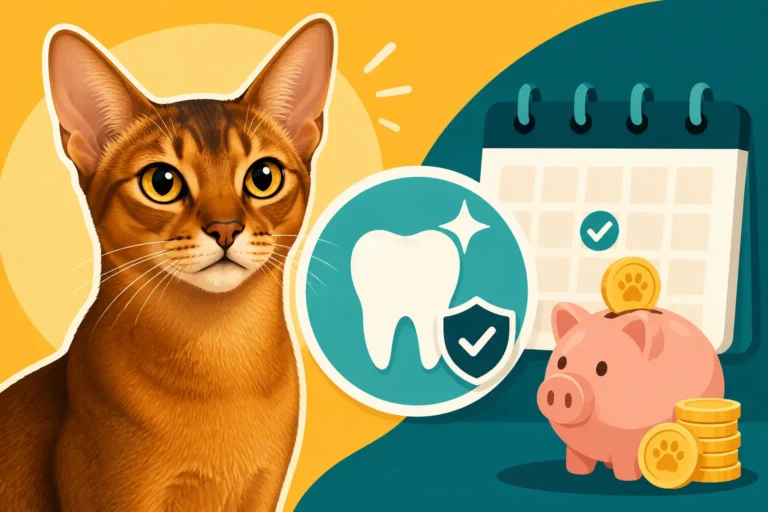
Abyssinian dental care requires yearly budgeting because these cats face severe risks like juvenile gingivitis and painful tooth resorption.
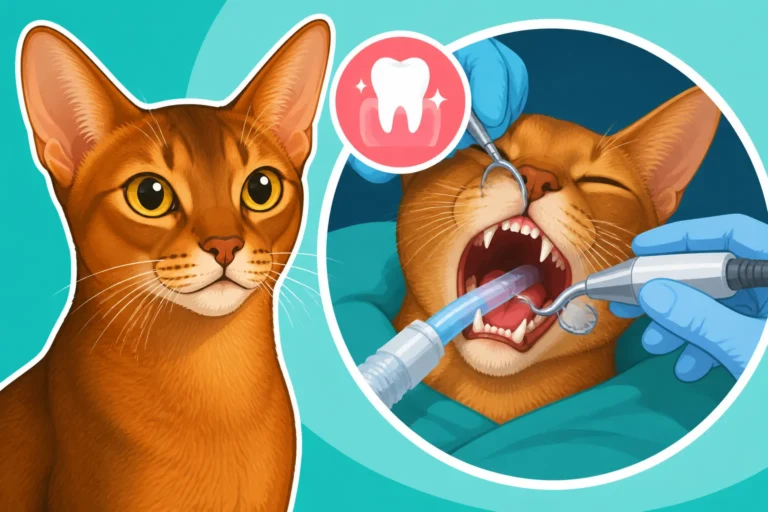
Abyssinian dental procedures under anesthesia include pre-anesthetic bloodwork, full mouth x-rays, scaling, polishing, and extractions.
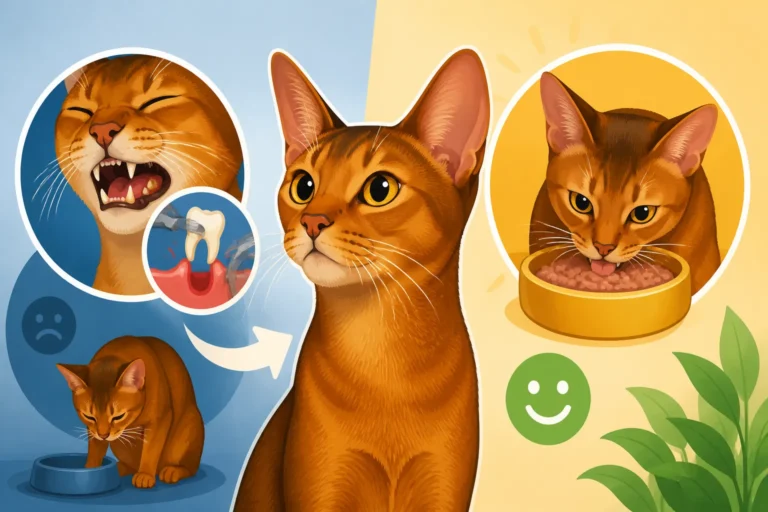
Abyssinian post-extraction eating recovery involves managing pain, feeding soft foods, and adapting to normal diets over time.
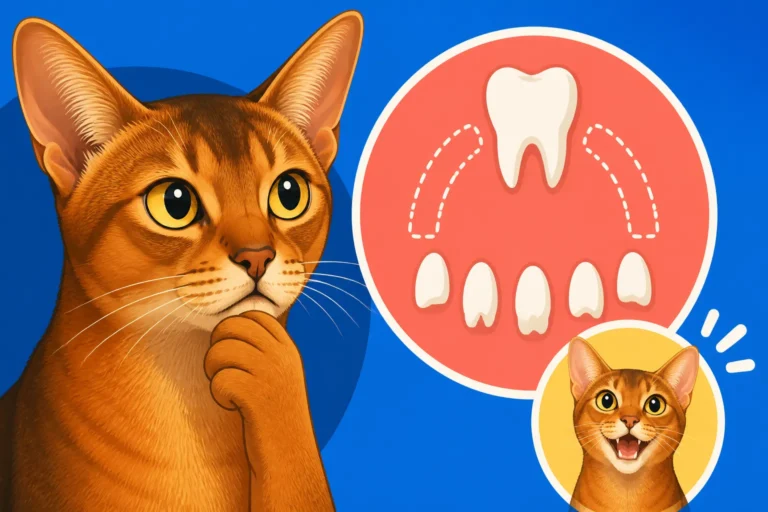
Abyssinian dental health issues like juvenile gingivitis and tooth resorption cause many cats to lose teeth by age five.
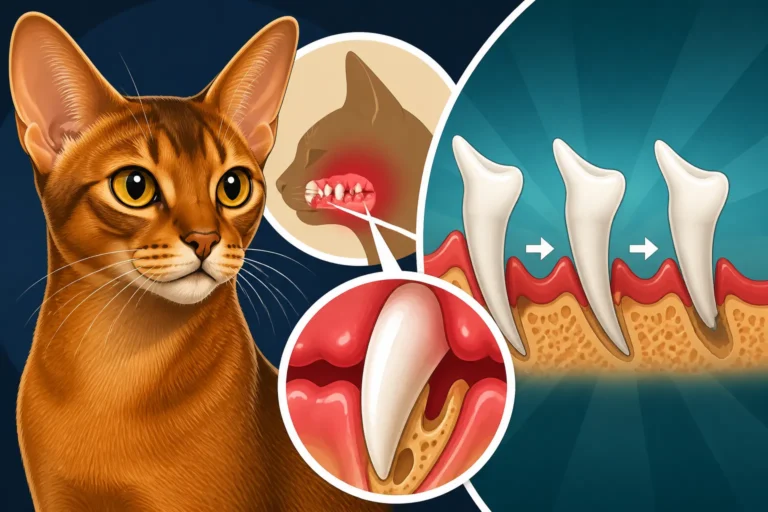
Abyssinian gum disease and juvenile gingivitis trigger painful feline tooth resorption and bone loss in this delicate breed.
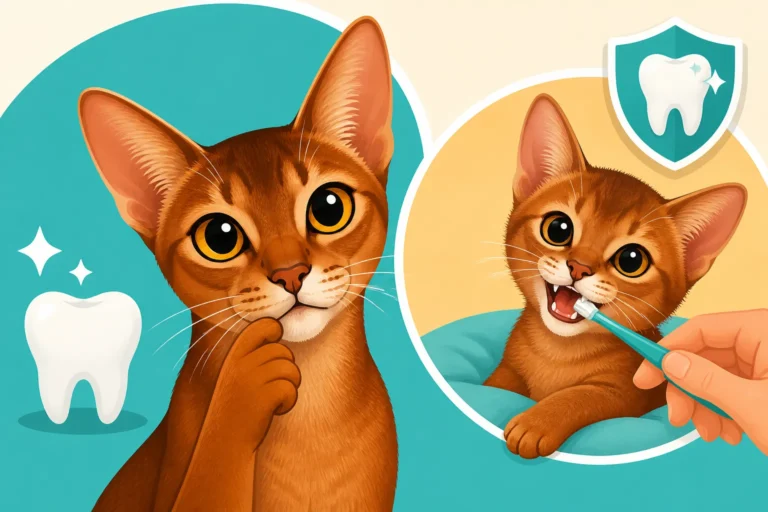
Abyssinian kittens need early home dental care starting at eight to ten weeks to prevent painful gum disease and overgrowth.

Juvenile hyperplastic gingivitis explains why toothbrushing fails on untreated Abyssinians and requires veterinary interventions like a gingivectomy.
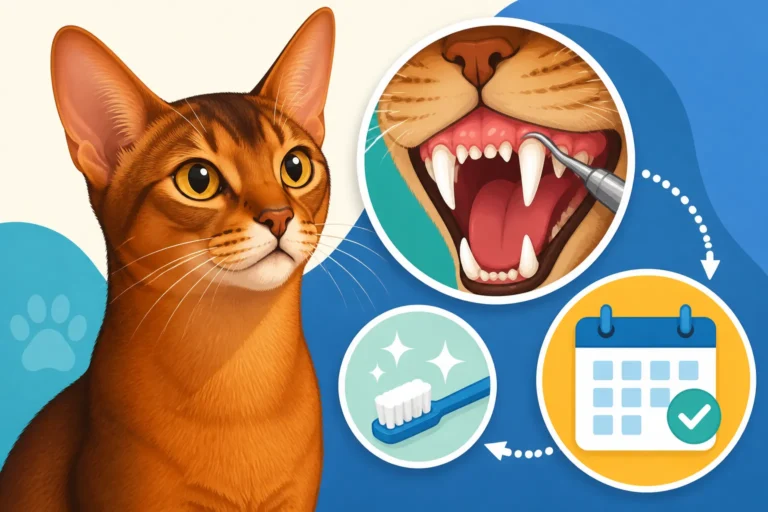
Abyssinian post-gingivectomy dental cleaning frequency depends on recurrence risk, typically requiring professional cleanings every six to twelve months.
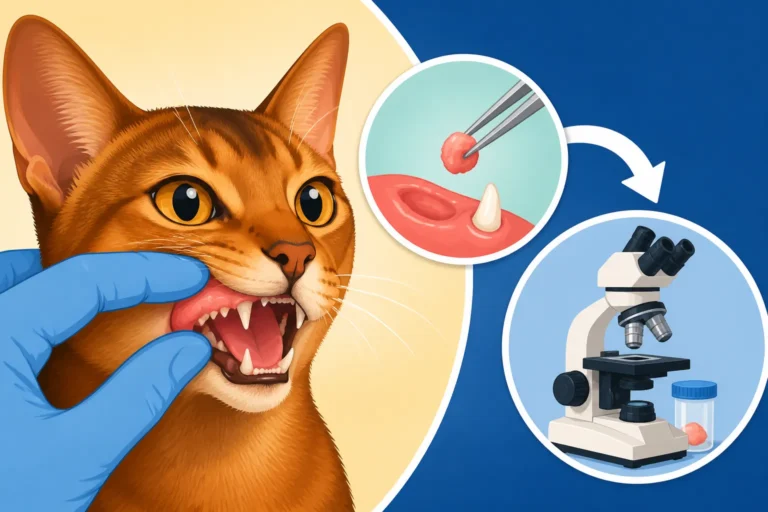
Abyssinian gingivectomy tissue samples undergo lab analysis to rule out aggressive oral cancers and determine precise inflammatory causes.
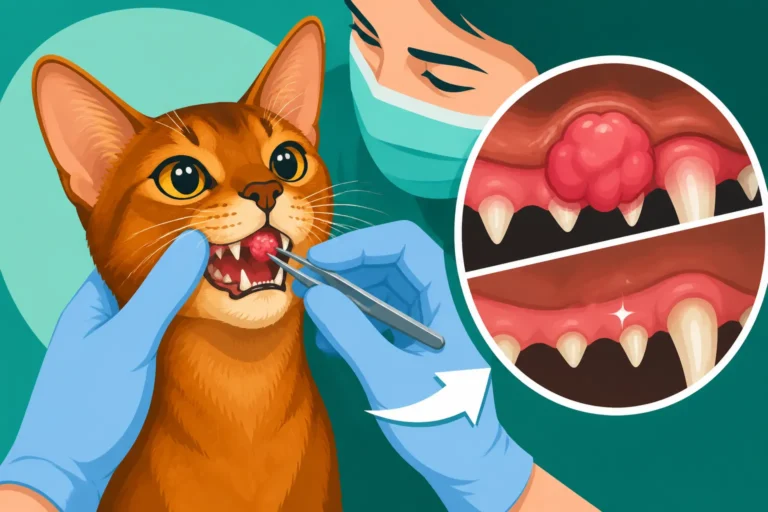
Veterinarians remove excess gum tissue in Abyssinians to treat juvenile gingivitis, preventing severe dental disease and restoring oral comfort.