Caring for an Abyssinian Whose Ticking Has Gone Coarse
Abyssinian coat health explains why feline fur turns coarse and shares dietary and environmental changes to restore softness.
The daily stuff, done right.
Feeding amounts by life stage, coat and skin routines, dental and nail care, exercise needs, and what changes as they age.
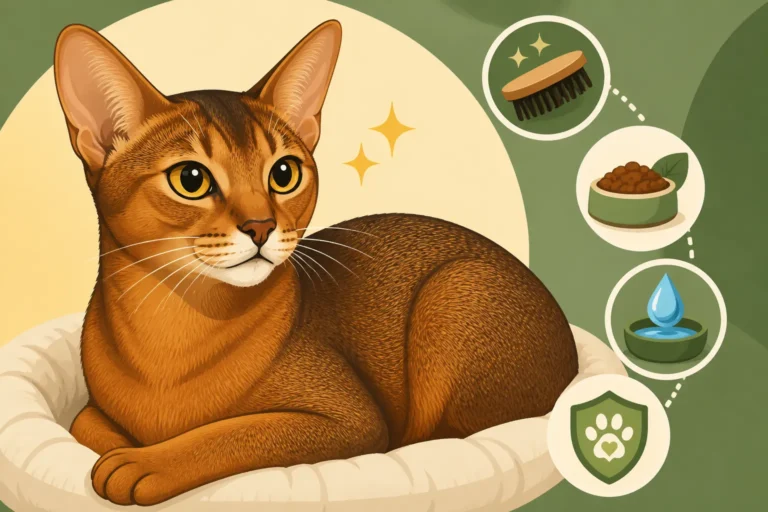
Abyssinian coat health explains why feline fur turns coarse and shares dietary and environmental changes to restore softness.
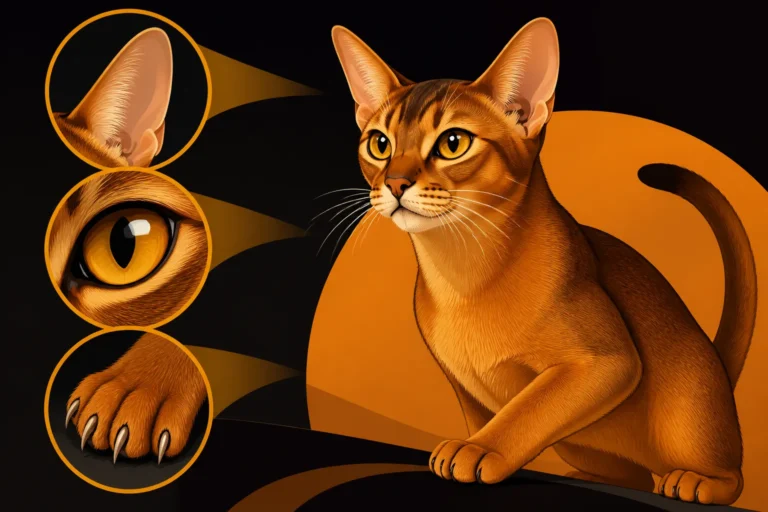
Abyssinian grooming steps explain how to safely maintain active claws, open ears, and bright eyes to prevent health issues.
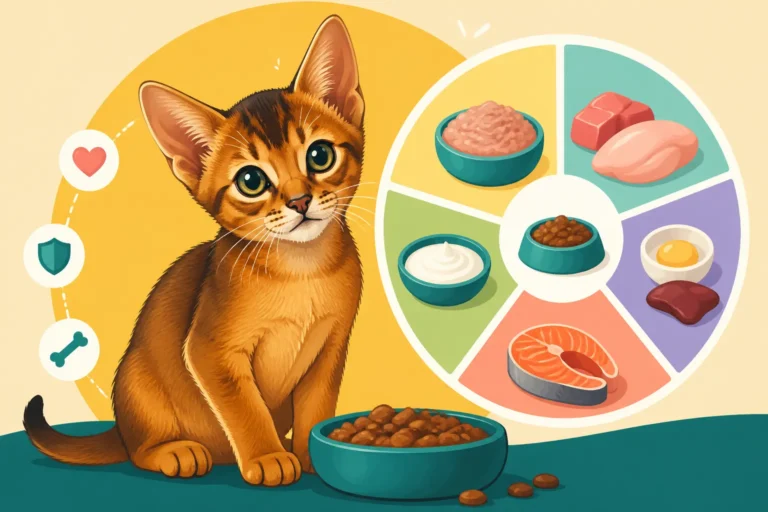
Abyssinian kitten dietary requirements during the first year include high-quality animal-based protein, fat, vitamins, and minerals.
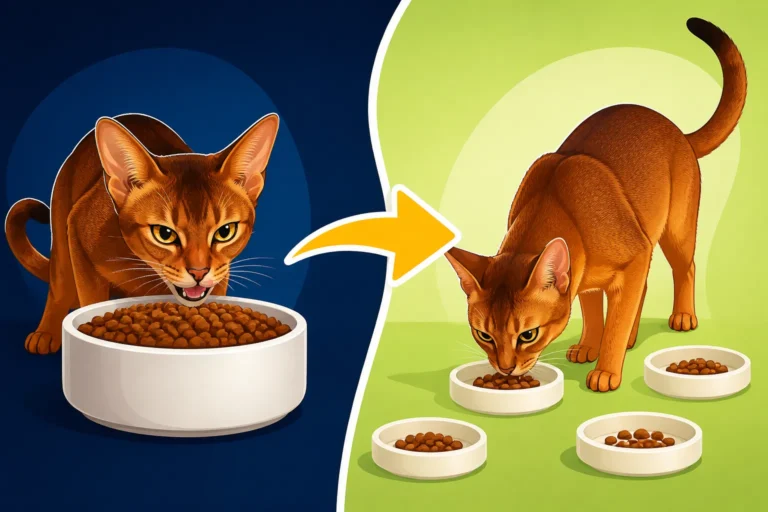
An Abyssinian cat grazing from a full bowl reflects wild hunting instincts, a high metabolism, and boredom from environment.
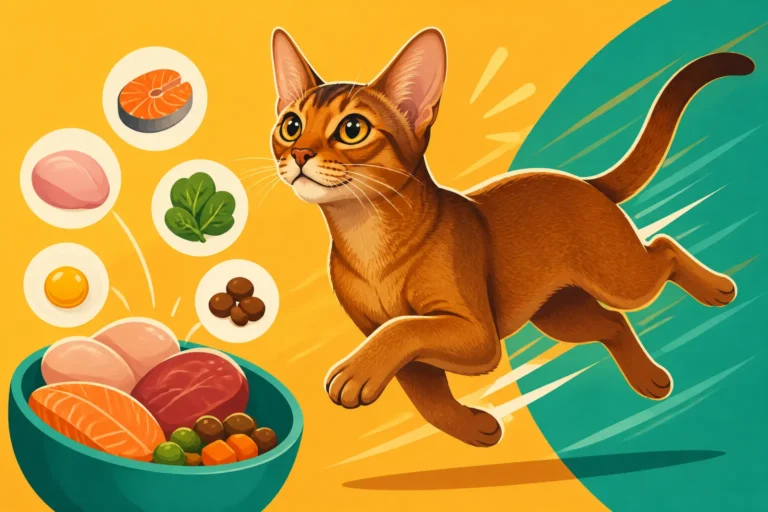
Abyssinian cats with high energy levels require nutrient-dense diets and high protein intake to support their metabolism.
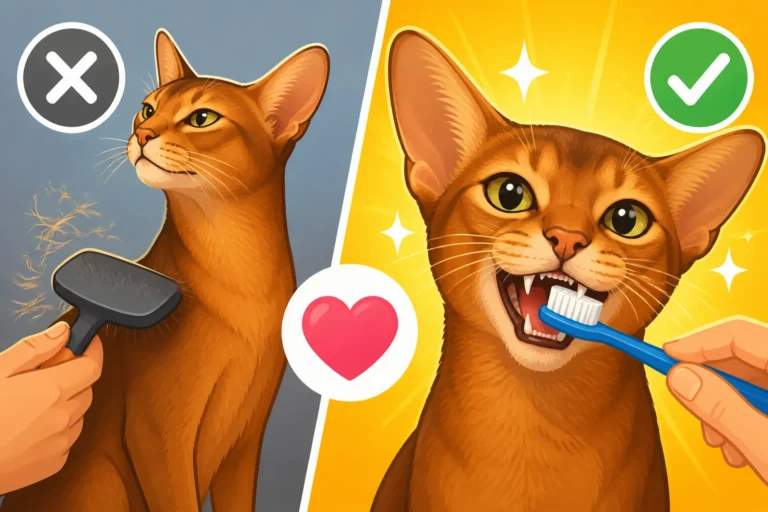
Abyssinian dental care prevents painful juvenile gingivitis and costly veterinary treatments that affect the active cat.
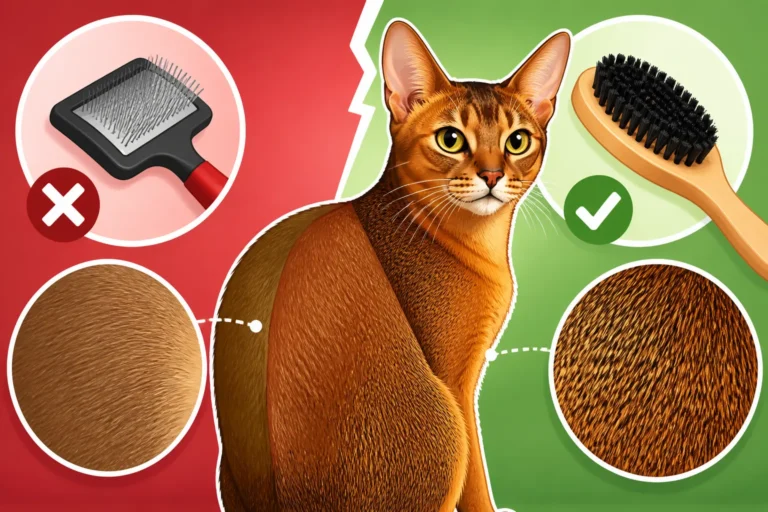
Wrong grooming tools flatten an Abyssinian ticked coat, and selecting proper brushes prevents damage to this unique minimal undercoat.
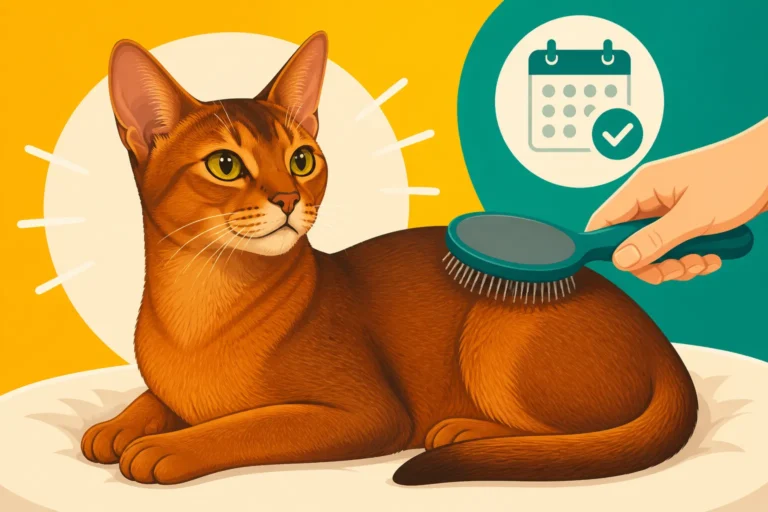
Abyssinian cat grooming requires brushing just once a week to protect the delicate ticked coat and minimal undercoat without damage.
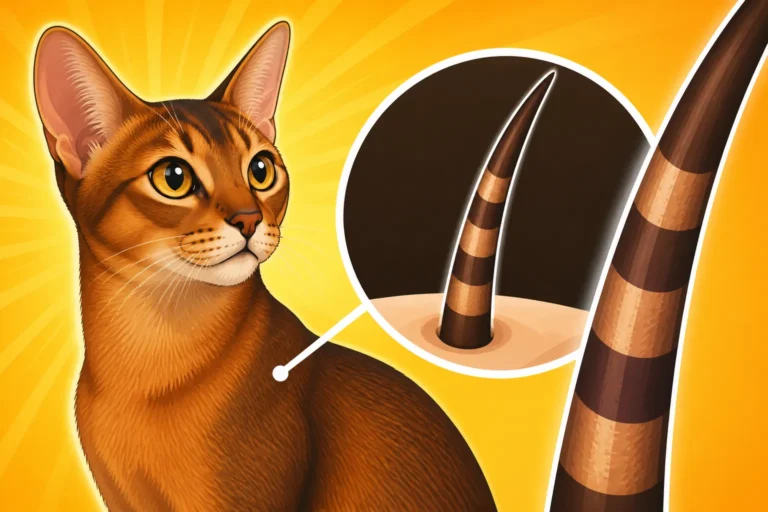
Abyssinian hair features three or four distinct color bands created by the agouti gene controlling eumelanin and pheomelanin pigments.
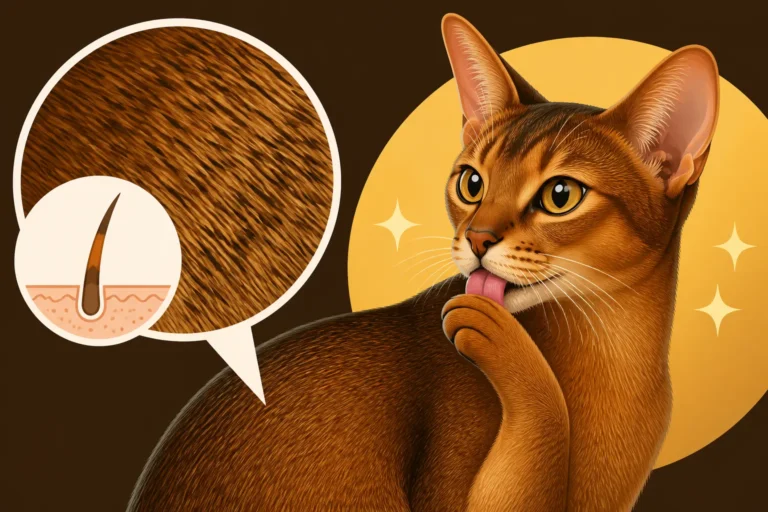
Abyssinian coat maintenance requires a gentle weekly brush and a soft rubber mitt to preserve agouti banding without damage.