Whether Any Cat Alive Descends From Egyptian Temple Cats
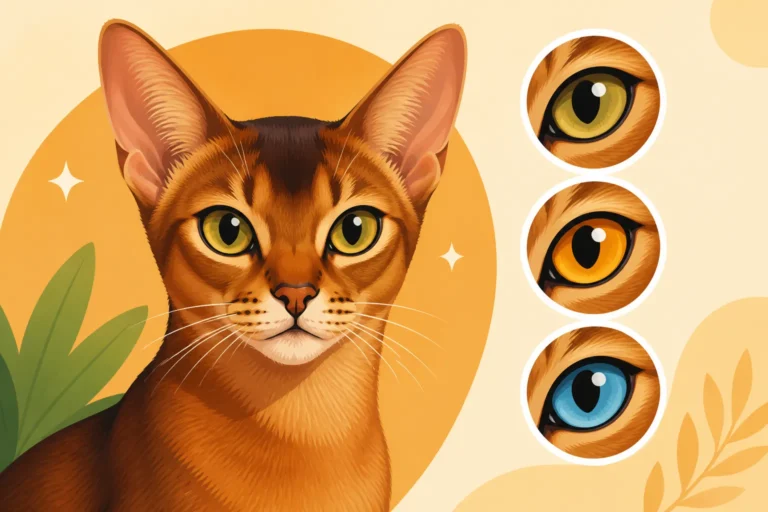
It's so easy to look at an Abyssinian with their regal posture, striking ticked coat, and expressive almond-shaped eyes, and immediately feel a connection to the ancient world. Many of us have heard the captivating stories linking these magnificent cats directly to the hallowed halls and temples of ancient Egypt. But how much truth lies behind this romantic notion? This guide will explore the fascinating origins of the Abyssinian, separating compelling myth from scientific reality to understand their true heritage.
The Enduring Myth of Egyptian Origins
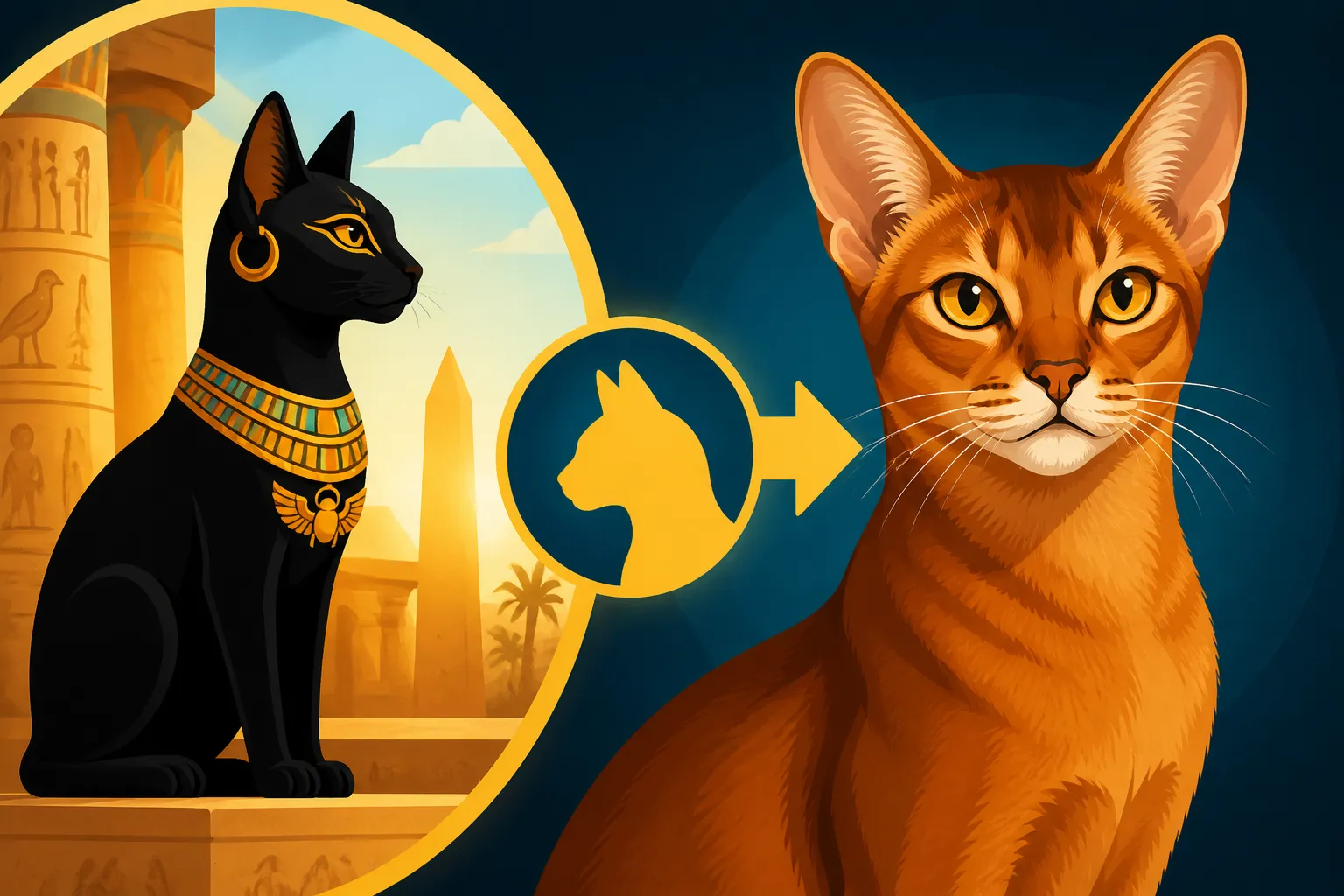
For generations, the tale that Abyssinians are direct descendants of the cats revered by pharaohs and immortalized in hieroglyphs has captivated cat lovers. It’s a powerful narrative, offering a sense of deep history and mystique to an already enchanting breed. Who wouldn't want to think their beloved feline shares a direct lineage with the sacred animals of a lost civilization?
The Allure of the Ancient Connection
The sheer elegance and distinctive appearance of the Abyssinian make this myth incredibly compelling. Their sleek, muscular bodies, large ears, and captivating gaze are undeniably reminiscent of the feline figures depicted in ancient Egyptian art. It’s easy to imagine an Abyssinian gracefully padding through a sun-drenched temple, revered as a living deity. This visual parallel, combined with the breed's somewhat mysterious origins, created a perfect storm for a romantic backstory that has been passed down through generations of cat enthusiasts. It’s a testament to the breed's captivating presence that such a grand lineage seems not just plausible, but almost inevitable.
Historical Accounts and Their Limitations
The most famous early account linking the Abyssinian to Egypt centers around a cat named Zula, purportedly brought to England from Abyssinia (modern-day Ethiopia) after the Abyssinian War in 1868. This narrative became a cornerstone of the breed's origin story, repeated countless times in early cat fancy literature. While Zula certainly existed and was showcased, the actual connection between this particular cat and the development of the modern Abyssinian breed is, unfortunately, much murkier than the legend suggests. Early breeding records are sparse, and it's highly likely that many early "Abyssinians" were simply ticked tabby cats found in various parts of the world, rather than direct descendants of Zula. As wonderful as the tale of Zula and the 1868 Story Everyone Repeats is, concrete pedigree evidence connecting her to our modern Abyssinians is notably absent, leaving a romantic gap in the historical record.
What Modern Genetics Actually Tell Us
While the historical accounts provide charming anecdotes, it's the advancements in genetic science that truly shed light on the Abyssinian's journey through time. Modern DNA analysis has revolutionized our understanding of cat breeds, often challenging long-held assumptions and painting a much more intricate picture of their origins.
Tracing Feline Migration Patterns
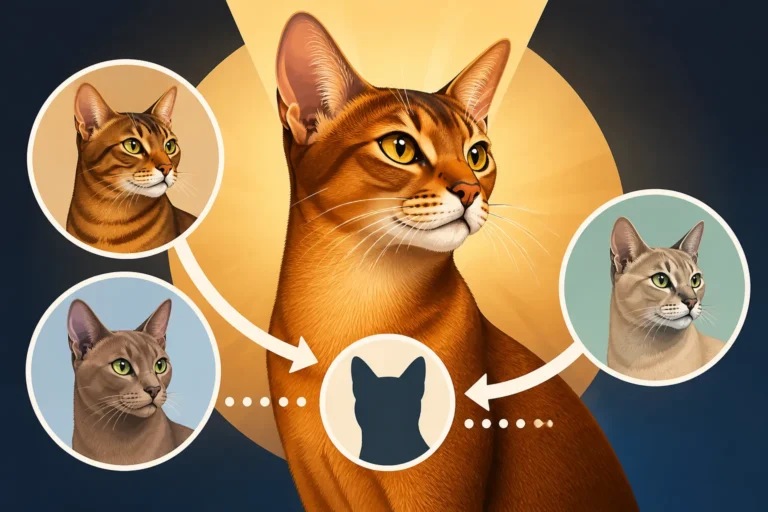
Genetic studies have meticulously traced the migration patterns of domestic cats around the globe. By analyzing specific DNA markers, scientists can pinpoint genetic similarities between cat populations in different regions, indicating shared ancestry and historical movement. These studies often reveal a complex tapestry of interbreeding and dispersion rather than a single, clear origin point. For the Abyssinian, this scientific detective work has largely debunked the notion of a direct, exclusive lineage from ancient Egypt. Instead, the genetic markers tell a story of a broader dispersal of domestic cats, with the characteristic ticked coat emerging in various populations. You might be surprised to learn that the genetic fingerprint points away from the Nile. To understand this better, it helps to review What Genetic Studies Say About the Abyssinian's Origin.
The Role of the Indian Ocean Coast
Current genetic evidence strongly suggests that the Abyssinian breed, or at least the genetic roots of its distinctive ticked coat pattern, likely originated in Southeast Asia and the Indian Ocean coastal regions. This might sound counter-intuitive given the name "Abyssinian," but it reflects the historical reality of trade routes. Sailors and traders traveling along these ancient maritime paths often carried cats on their ships to control rodent populations. These seafaring felines, carrying a diverse genetic pool, were then introduced to various port cities, including those in what is now Ethiopia and Egypt. Over time, the specific genes responsible for the Abyssinian's unique ticking became more prevalent in certain populations, possibly through selective breeding or natural selection for traits that appealed to people. This theory is much more aligned with findings regarding Why Southeast Asia Turns Up in Abyssinian Genetics in the breed's DNA.
Why the Abyssinian Resembles Ancient Art
Despite the genetic evidence pointing away from an exclusive Egyptian origin, the striking resemblance between Abyssinians and the cats depicted in ancient Egyptian art is undeniable. It's this visual echo across millennia that keeps the myth alive and makes the breed so uniquely captivating.
The Ticked Coat and Elegant Form
The Abyssinian's most distinguishing feature is its ticked coat, where each individual hair has multiple bands of color, creating a rich, shimmering effect without distinct stripes or spots on the body. This agouti ticking is a natural mutation that predates formal cat breeding and has appeared in cat populations worldwide. The ancient Egyptians certainly valued cats with similar characteristics – a sleek body, long legs, large, intelligent eyes, and often an absence of stark tabby stripes. The subtle, elegant coloring and the lean, athletic build of the Abyssinian perfectly match the idealized form of cats often found in tomb paintings and sculptures. This aesthetic connection, rather than a direct genetic link, is what fuels the popular belief. Even today, Why an Abyssinian Resembles Ancient Egyptian Art remains a fascinating topic, blurring the lines between art and biology.
Artistic Renditions vs. Genetic Lineage
It’s crucial to differentiate between artistic representation and genetic lineage. Ancient Egyptian artists depicted what they saw and what they valued in cats: grace, mystery, and a certain wild elegance. The cats that exhibited these traits, including some with ticked coats, were naturally chosen as models. The Abyssinian simply happens to embody many of these visually appealing characteristics that were admired thousands of years ago. It’s less about a direct line of descent from specific temple cats, and more about the enduring appeal of certain feline aesthetics that the Abyssinian happens to possess. The breed's unique appearance, often leading to it being called Why the Abyssinian Was Once Called the Ticked Cat, truly stands out. When considering what food to give a cat that looks like it stepped out of a mural, modern options from places like Chewy are a far cry from whatever the ancients might have offered!
Dispelling the "Wild Cat" Ancestry Claim
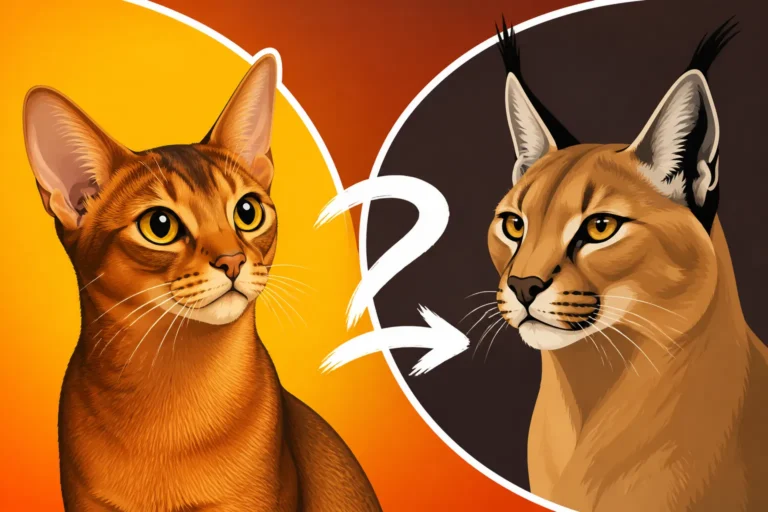
Another common misconception, sometimes linked to the Egyptian origin myth, is the idea that Abyssinians have a particularly strong or recent wild cat ancestry, making them somehow "closer" to wild felines than other domestic breeds. While all domestic cats share a common wild ancestor, the Abyssinian is, unequivocally, a fully domesticated breed.
Domesticated Cats and Wild Relatives
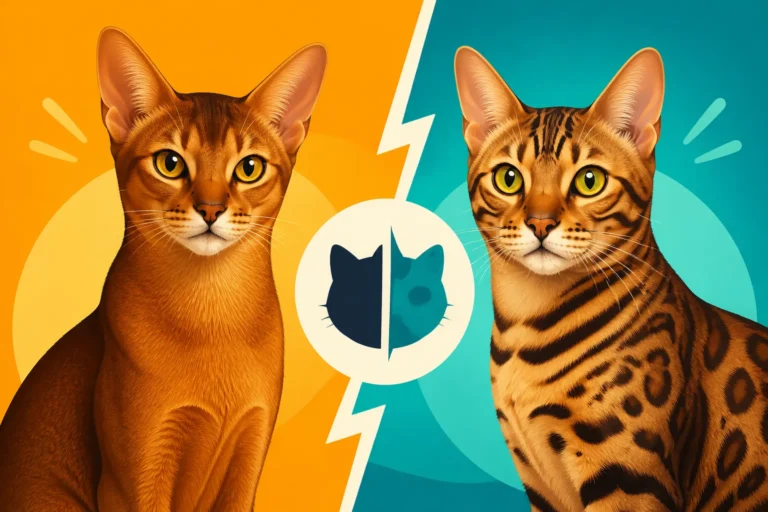
All domestic cats, from the fluffiest Persian to the most active Abyssinian, trace their lineage back to the African wildcat (Felis lybica). This domestication process began thousands of years ago, marking a significant divergence from their wild cousins. While some modern breeds, like the Bengal or Savannah, are developed by crossing domestic cats with wild species, the Abyssinian is not one of them. Its wild appearance is a result of selective breeding that emphasized certain physical traits, not a recent infusion of wild blood. Understanding this distinction is key to appreciating Whether the Abyssinian Has Any Wild Ancestry or is simply a very natural-looking domestic cat.
The African Wildcat Connection: A Broader Ancestral Link
The African wildcat is the ancestor of all domestic cats, not just Abyssinians. The genetic studies that show the Abyssinian originating near the Indian Ocean coast still point back to this broader wild ancestor, as do the origins of every other housecat. What makes the Abyssinian visually distinct isn't a closer genetic proximity to modern wildcats, but rather the preservation and enhancement of certain traits—like its ticked coat—that were present in those ancient wild ancestors and early domesticates. So, while they share a common, distant relative, the Abyssinian is no more "wild" than your average tabby. Their sleek, athletic build and keen intelligence are traits that have been refined through centuries of domestication and selective breeding, making them perfect companions for modern homes filled with interactive toys and quality food, much of which you can find at Chewy. This helps contextualize How the Abyssinian Compares to the African Wildcat in terms of ancestry.
Myth vs. Reality: A Quick Look
To help clarify the differences between the popular myth and the scientific understanding, here's a brief comparison:
| Feature | Popular Myth | Scientific Consensus (DNA Evidence) |
|---|---|---|
| Origin Point | Direct descendants of ancient Egyptian temple cats | Indian Ocean coastal regions (Southeast Asia/Ethiopia) |
| Genetic Link | Exclusive lineage from specific Egyptian cats | Ticked gene emerged in various populations, spread via trade |
| Resemblance | Proof of direct descent | Coincidence of desired aesthetic traits in art and breed |
| "Wildness" | Closer to wildcats | Fully domesticated, shares Felis lybica ancestry with all cats |
| Historical Basis | Zula cat brought from Abyssinia, direct line | Zula's link to modern breed not genetically supported |
Ultimately, the Abyssinian's beauty and captivating personality stand on their own, regardless of whether they trod the hallowed floors of ancient temples.
Conclusion: A Rich Heritage, A Different Path
While the romantic notion of Abyssinians as direct descendants of ancient Egyptian temple cats is a beautiful story, modern genetic research has painted a different, equally fascinating picture. The scientific consensus points to their origins lying more along the bustling trade routes of the Indian Ocean coast, with their distinctive ticked coat emerging and spreading from there. This doesn't diminish their allure one bit. In fact, it adds another layer to their incredible journey across continents and centuries.
The visual similarities between Abyssinians and ancient Egyptian felines are a testament to the timeless appeal of certain cat characteristics – elegance, agility, and a striking appearance. Our modern Abyssinians are a product of careful breeding and generations of loving homes, thriving on the best nutrition and enrichment, easily sourced from places like Chewy, a far cry from a wild existence. They are living, breathing pieces of feline history, even if that history took a different path than once imagined. Knowing their true, intricate past only makes them more remarkable, solidifying their place as one of the most beloved and intriguing breeds in the world today.
Disclaimer
This article is for general informational purposes only and does not constitute professional advice. Laws, prices and regulations vary by location and change over time. Consult a qualified professional for guidance on your specific situation.