Why a Tortie Abyssinian Is Almost Never Seen
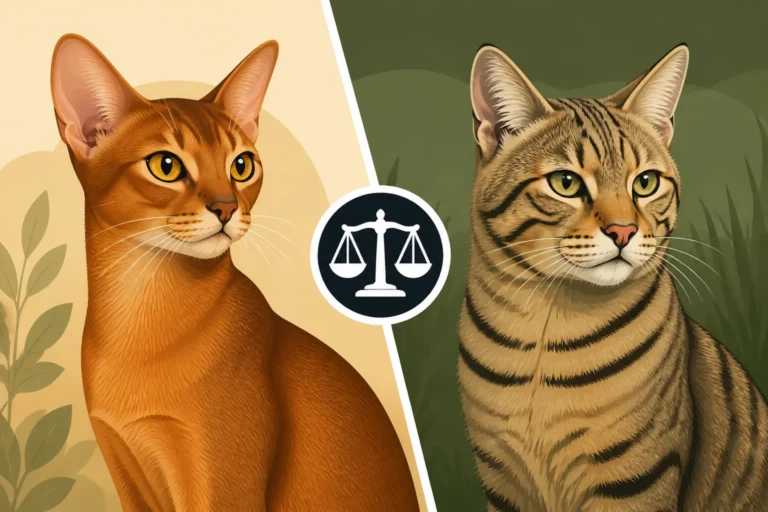
A photo labeled “tortie Abyssinian” can be confusing: the cat may look red and dark, but that does not automatically make it a tortoiseshell. Abyssinians have a distinctive ticked coat, and their recognized colors are limited by breed standards. This guide explains the genetics, the look-alikes, and why a true tortie Abyssinian is so seldom seen.
What makes a cat a tortoiseshell
Tortie coloring comes from a specific genetic mix
Tortoiseshell coloring is linked to the orange-color gene, which sits on the X chromosome. A tortie usually has two X chromosomes and inherits different versions of that gene: one that produces orange coloring and one that allows non-orange coloring. As the kitten develops, different cells switch off different X chromosomes. The result is patches of orange and darker color across the coat.
That patchwork is the key. A cat is not a tortie simply because its coat contains more than one shade, or because individual hairs have several bands of color. The orange and non-orange areas need to appear as distinct zones of coloring, even if those zones are small or softly blended.
Most torties are female because two X chromosomes make this particular combination possible. Male torties are unusual. They can occur through uncommon chromosome patterns, such as an extra X chromosome, or through other rare genetic circumstances. Their coat color does not mean the cat is an Abyssinian, though; the breed’s ancestry and pedigree are separate questions.
A tortie is different from a calico or a ticked coat
People sometimes use “tortie” loosely to describe any cat with a warm, mixed-color coat. In everyday cat-color terminology, a tortoiseshell has orange and darker patches, usually without large areas of white. A calico also has orange and dark coloring, but includes substantial white areas. Breed-color names and registration rules can use more specific language, so the everyday label may not match the term on a pedigree.
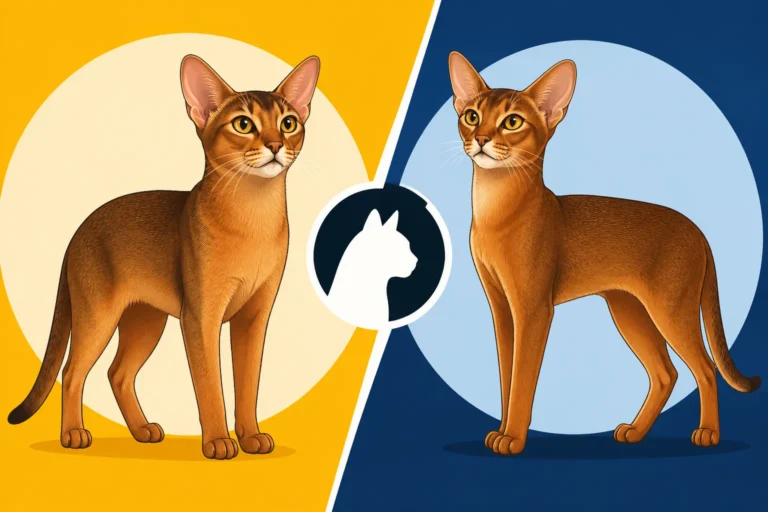
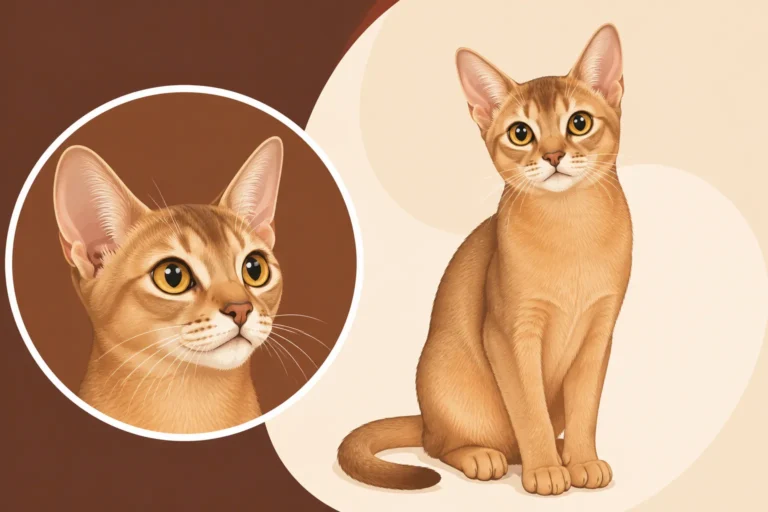
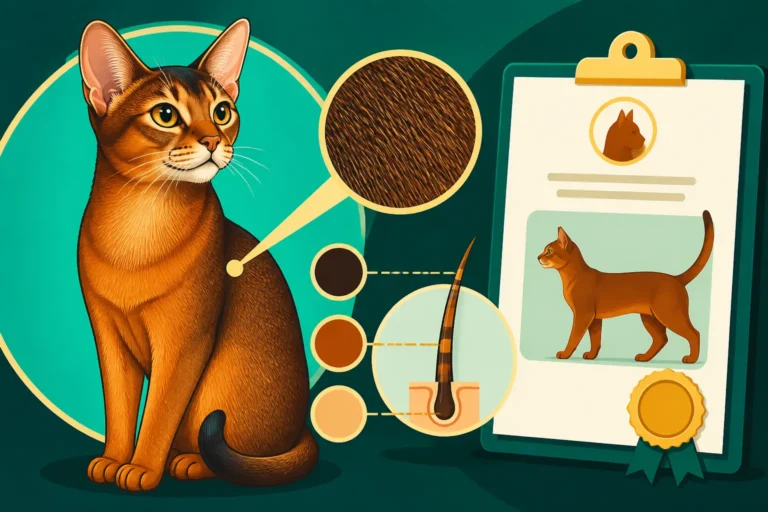
Abyssinians have a different visual signature: ticking. Each hair carries alternating bands of color, which gives the coat a finely shaded, shimmering appearance rather than the obvious stripes or large patches seen on many other cats. That ticking is central to the breed’s look. It is also why a photo can be misleading: a warm red-brown Abyssinian might appear mottled under certain lighting without having the patchwork pattern that defines a tortie.
For a closer look at how that coat works, see How an Abyssinian's Agouti Banding Works. The distinction matters because an Abyssinian’s banded hairs can create a range of shades within a single coat, but those shades alone do not make the cat tortoiseshell.
Why tortie Abyssinians are so rarely seen
Breed standards recognize a narrow range of colors
Abyssinians are best known in a small group of established colors, commonly described as ruddy, sorrel, blue, and fawn. The precise names and accepted colors can vary by registry and country. A cat’s genetics may produce a combination that looks unusual, but that does not necessarily make the color a recognized or show-eligible Abyssinian color.
This is one reason “tortie Abyssinian” can be a confusing label. A breeder, shelter, social-media post, or casual observer may use it to describe a cat that appears to have both orange and dark shades. A registry, however, may classify coat color differently or not recognize that combination within the breed standard at all. For background on the standard palette, see The Four Colors an Abyssinian Comes In and Which Abyssinian Colors CFA Recognizes.
A color can be biologically possible without being part of the standard appearance that breeders aim to produce. In other words, rarity is not necessarily proof that the color cannot occur. It may also reflect how the breed is defined, recorded, and selected over generations.
The ticked coat can hide or blur the pattern
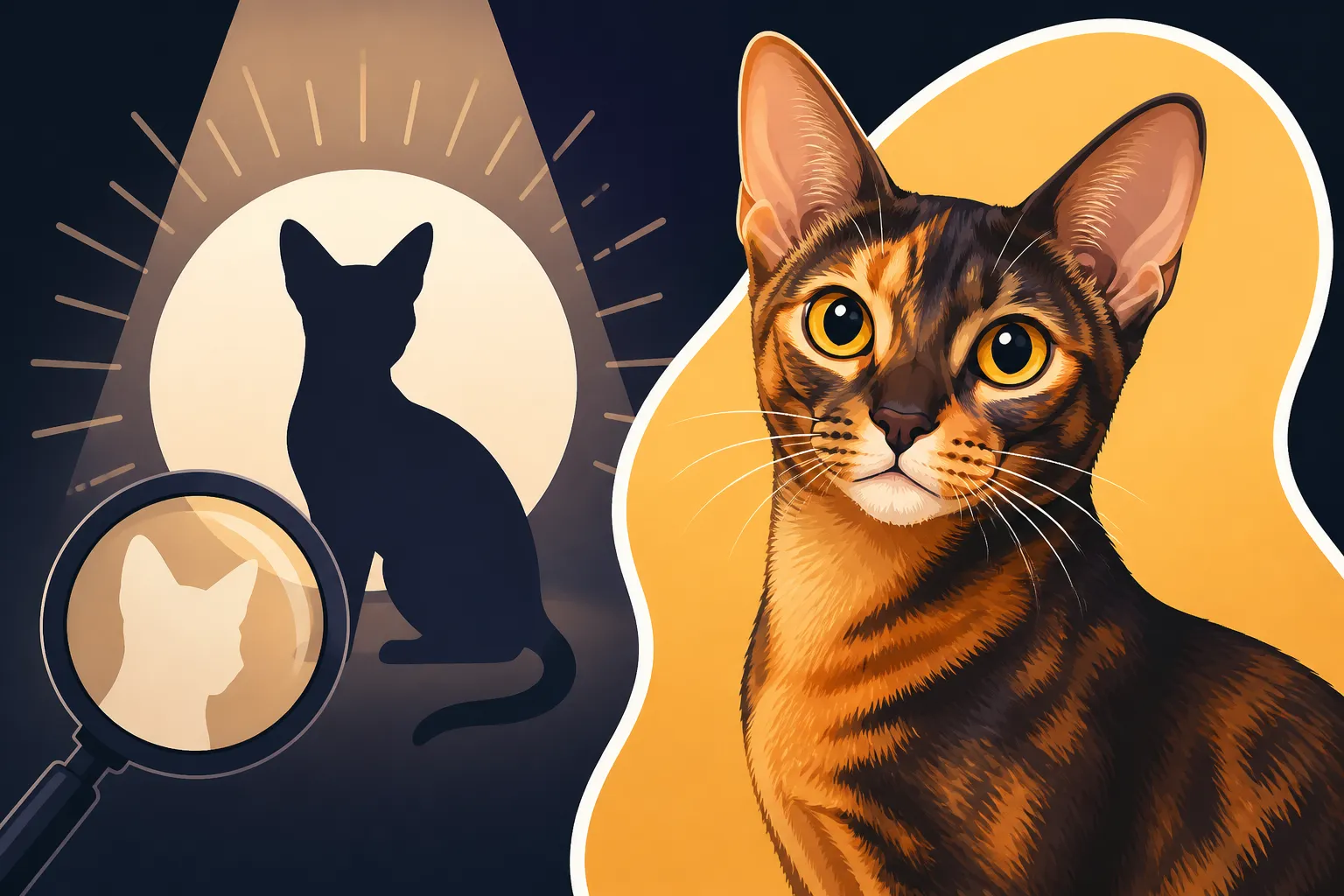
Even when a cat has orange and non-orange color genetics, the Abyssinian’s coat texture and pattern can make the result less obvious than the classic tortie mosaic people picture. Instead of bold patches, the colors may be finely mixed or appear as subtle shifts in ticking. A photograph with warm indoor lighting can exaggerate those differences; bright daylight can make them look quite different.
This is why coat color should not be judged from one picture alone. Look for clear areas of orange and non-orange coloring, and ask whether the coat is actually patchy or simply has the typical agouti banding of an Abyssinian. A true classification may depend on the cat’s pedigree and the terminology used by the relevant registry, not just on how the fur looks in a snapshot.
It also helps to compare the cat with established colors. For example, an Abyssinian described as sorrel or red can have a warm, coppery appearance without being tortoiseshell. What Sorrel Means on an Abyssinian explains why that warm shade can be mistaken for a more complicated color pattern.
“Rare color” claims need careful checking
When someone advertises a “rare tortie Abyssinian,” the useful next step is not to assume the claim is false—or to accept it at face value. Ask what the seller means by “tortie,” which registry the cat is recorded with, and whether the pedigree identifies the coat color using that registry’s recognized terminology.
A responsible breeder should be able to explain the distinction between a cat’s visual appearance and its recorded breed color. They should also be comfortable discussing parentage, registration paperwork, and health information without using unusual color as a reason to rush a decision. If the seller cannot explain the label, or treats it as a special genetic guarantee, that is a reason to pause and ask more questions.
This broader guide to coat-color records may help: How an Abyssinian's Coat Color Is Registered. And if you are assessing a breeder more generally, color should be only one small part of the conversation; health history and transparent records matter too.
How to tell a tortie claim from a color look-alike
Look for patches, not just different shades
Start by asking whether the coat has distinct orange and non-orange patches. In a classic tortie, the areas of color form a mottled or patchy pattern across the body. In an Abyssinian, the coat may instead look richly layered because the hairs are individually banded. A ruddy coat can include dark ticking over a warm base, while a sorrel coat can look coppery or red. Neither appearance, by itself, establishes tortoiseshell coloring.
Check more than the back. If you can safely view the cat in natural light, look at the face, legs, sides, and tail. Does the pattern show clear color patches, or does each area have the same general ticked effect? Bear in mind that kittens can change as their adult coat develops, and photographs can distort color. A breeder or registry record is more informative than a single close-up.
| What you notice | What it may indicate | What it does not prove |
|---|---|---|
| A warm red or coppery coat | Sorrel or another warm coat color | Tortoiseshell patterning |
| Dark tips over lighter bands on many hairs | Typical Abyssinian ticking | Separate orange and non-orange patches |
| Distinct orange and dark areas | Possible tortie coloring | Abyssinian pedigree or registry recognition |
| Orange and dark patches with substantial white | Calico-like coloring | That the cat is a recognized Abyssinian color |
| A listing that says “rare tortie” | A seller’s description | A verified color classification |
Confirm the terminology with records
If you are considering adopting or buying a cat described as a tortie Abyssinian, ask for the exact registered breed and color, rather than relying on an informal label. A pedigree can help confirm ancestry, while registration documents show how the organization records the cat. Neither document should be treated as a substitute for examining the cat’s actual appearance, but together they can clear up many misunderstandings.
You can also ask the breeder to explain the parents’ colors and how the kitten’s coat is expected to develop. A careful answer might distinguish between a recognized Abyssinian color, a visual description, and a possible unusual genetic combination. If the explanation shifts each time you ask, or the seller avoids showing paperwork, take that seriously.
The same care applies to health claims. A coat color does not demonstrate that a kitten has been health-screened, and a rare-color label should not distract from questions about veterinary care, family history, and the breeder’s practices. For a wider explanation of Abyssinian colors and how they are named, see What Ruddy Means on an Abyssinian and Why a Tortie Abyssinian Is Almost Never Seen is best understood alongside the breed’s standard color descriptions rather than as proof that a particular kitten has a special status.
What to do if you are choosing an Abyssinian
Put health and temperament ahead of a rare label
If you are drawn to an unusual-looking Abyssinian, it is perfectly reasonable to ask questions about the coat. Just keep the priorities in order. A clear pedigree, responsible breeding practices, suitable veterinary care, and a temperament that fits your home matter more than whether a color description sounds uncommon.
Ask for the kitten’s records and the parents’ relevant health information. Take time to understand what the breeder’s documents actually show, and do not assume that a registry listing confirms every health detail. If you are new to Abyssinians, learning the common colors first can help you notice when a seller is using familiar shade variation as a “rare” selling point.
Preparing for the cat’s everyday needs is useful regardless of coat color. Owners often make a simple checklist for a carrier, scratching surfaces, food and water bowls, and basic grooming supplies. Chewy is one retailer people may browse for general pet supplies, but check that any item suits your cat’s size and needs rather than buying based on a breed or color label.
Separate appearance questions from care questions
A tortie coat does not call for a different basic care routine from another Abyssinian coat. The important practical considerations are the individual cat’s health, activity level, diet, dental care, and comfort at home. A short, ticked coat is generally straightforward to maintain, but even low-maintenance grooming should be introduced gently so the cat learns to tolerate handling.
If you are organizing supplies before bringing a cat home, Chewy may be one place to compare everyday essentials with options at a local pet shop or veterinary clinic. Keep the list practical: a secure carrier, suitable scratching posts, and a brush that is gentle on a short coat are more useful than specialty items marketed around an unusual color.
And if the color claim is the main reason you feel pressured to decide quickly, step back. Chewy can help with routine supplies after you have chosen a cat, but no retailer or coat-color description can verify a breeder’s pedigree or health statements. Those details should come directly from the breeder or relevant registry, and you should have time to review them before making a commitment.
Disclaimer
This article is for general informational purposes only and does not constitute professional advice. Laws, prices and regulations vary by location and change over time. Consult a qualified professional for guidance on your specific situation.