Why Abyssinian Test Results Are Registered Publicly
It’s a deeply frustrating experience for any prospective cat owner: you fall in love with a breed, you start looking for kittens, and suddenly you’re faced with a dizzying array of claims about health and genetics. How can you be sure the beautiful Abyssinian kitten you’re considering is truly healthy and free from common inherited conditions? This guide will cut through the confusion, explaining why Abyssinian test results are registered publicly and how this vital transparency protects both the breed’s future and your peace of mind as a pet parent.
The Crucial Role of Public Registries in Abyssinian Health
Bringing an Abyssinian into your home is a significant commitment, and you want to ensure your new companion has the best possible start in life. The unique challenges of pedigree cat breeding, particularly with breeds like the Abyssinian, mean that genetic health testing isn't just a nicety—it's an absolute necessity. But testing alone isn't enough if those results aren't openly shared. That's where public registries step in, acting as a beacon of transparency in the sometimes murky waters of pet acquisition.
Combating Genetic Diseases Through Transparency
Imagine falling head over heels for an Abyssinian only to discover, a few years down the line, that they’re suffering from a debilitating inherited disease that could have been prevented with proper screening. This heartbreaking scenario is precisely what public registration aims to prevent. By making test results accessible, we create a system where genetic predispositions can be tracked and managed. It’s not just about one cat; it’s about safeguarding the health of the entire breed, ensuring that future generations of Abyssinians can live long, vibrant lives, free from preventable conditions.
This commitment to transparency means that responsible breeders aren't just testing their cats; they're actively participating in a collective effort to improve the breed's health. They understand that hiding a "carrier" status, for instance, might seem convenient in the short term, but it ultimately undermines the genetic health of the entire Abyssinian population. Which Four Diseases the Abyssinian Actually Carries discusses some of these concerns in more detail, highlighting the importance of understanding the breed's genetic landscape.
The beauty of public databases lies in their ability to offer a broad overview of a cat's lineage. When you can see the genetic health history of parents, grandparents, and even further back, you gain invaluable insight. This means that if a particular line shows a higher prevalence of carriers for certain conditions, breeders can make informed decisions to avoid breeding combinations that might produce affected kittens, slowly but surely reducing the presence of these unwanted genes in the breed.
Building Trust and Ethical Breeding Practices
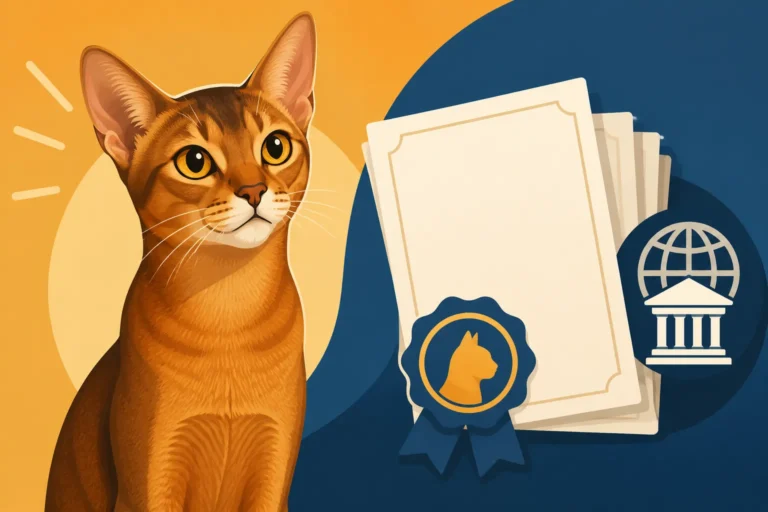
In the world of purebred animals, trust is paramount. You're entrusting a breeder with the health and well-being of a creature you'll welcome into your family. Public test results are a breeder's most powerful tool for demonstrating their integrity and commitment to ethical practices. Anyone can say their cats are tested and healthy, but public registration provides undeniable proof. It moves beyond mere words to concrete, verifiable data.
A responsible Abyssinian breeder views public registration not as a burden, but as a badge of honor. It’s a clear statement that they stand behind the health of their breeding animals and the kittens they produce. If a breeder is unwilling to share these public records, or if they claim testing has been done but there’s no public verification, that should immediately raise a red flag. It forces you to question what they might be trying to conceal, or whether they've even performed the necessary tests at all.
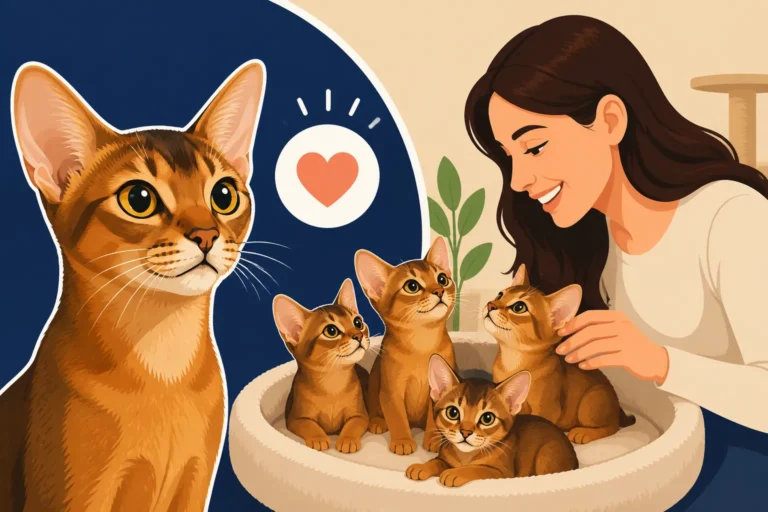
This level of transparency fosters a healthier relationship between breeders and prospective owners. It empowers you, the buyer, with the information needed to make an informed decision, rather than relying solely on a breeder's assurances. You can independently verify the health claims, ensuring that the substantial investment you're making in an Abyssinian kitten is truly going towards a well-bred and healthy animal. It also helps expose those who might be cutting corners, putting profit over the welfare of their animals.
What Abyssinian Genetic Tests Are Publicly Registered?
While Abyssinians are generally a robust and healthy breed, there are a couple of specific genetic conditions that responsible breeders routinely test for. These are the tests whose results you'll typically find registered in public databases. Understanding what these conditions are and why the tests are so important is key to appreciating the value of public registration.
Pyruvate Kinase Deficiency (PK Deficiency)
Pyruvate Kinase Deficiency, often shortened to PK Deficiency, is one of the primary genetic health concerns in the Abyssinian breed. It's an inherited hemolytic anemia, meaning it affects the red blood cells, causing them to break down prematurely. A cat with two copies of the affected gene will eventually develop symptoms of anemia, which can range from mild and intermittent to severe and life-threatening.
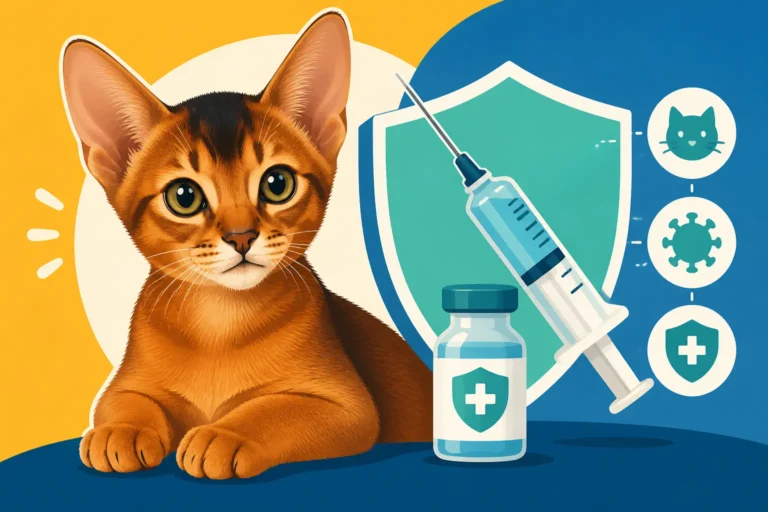
The good news is there's a reliable DNA test for PK Deficiency. This test can identify whether a cat is clear (no copies of the gene), a carrier (one copy of the gene), or affected (two copies of the gene). When breeders publicly register these results, it allows them, and you, to see the genetic status of their breeding cats. What PK Deficiency Does to an Abyssinian's Red Cells provides a deeper dive into how this condition impacts the cat's health.
For instance, if you're looking at a kitten, you can check the public records for its parents. If both parents are listed as "Clear," you know the kitten cannot be affected. If one parent is a "Carrier" and the other is "Clear," the kitten might be a carrier itself, but again, it cannot be affected. Public registration for PK Deficiency results is crucial because it ensures that no two carriers are unknowingly bred together, which would produce affected kittens.
Progressive Retinal Atrophy (PRA-rdAc)
Another significant genetic health issue for which Abyssinians are routinely tested is Progressive Retinal Atrophy, specifically the rdAc form (PRA-rdAc). This is a degenerative eye disease that leads to progressive vision loss and, eventually, complete blindness. The onset can vary, but sadly, it often manifests by the time an affected cat is around five years old. It’s a heartbreaking condition to witness, especially in such an active and observant breed.
Like PK Deficiency, PRA-rdAc is also detectable through a DNA test, which again identifies cats as clear, carriers, or affected. Public registration of these results is paramount. Imagine bringing home a playful Abyssinian kitten, only to face the inevitable reality of its sight gradually fading years down the line due to an entirely preventable genetic condition. How PRA-rdAc Blinds an Abyssinian Slowly explains the progression of this disease.
By having these results publicly available, breeders can ensure that no affected kittens are produced. Breeding two "Clear" cats guarantees clear offspring. Breeding a "Clear" with a "Carrier" will produce some carriers, but no affected cats. It's only when two "Carriers" are bred together that affected kittens can result. This transparency allows for diligent management of the gene within the breed, preventing unnecessary suffering for these beautiful felines.
How Public Databases Protect Prospective Abyssinian Owners
The entire point of public registration isn't just about helping breeders; it's about protecting you, the future Abyssinian owner. When you embark on the journey of finding a new companion, you want confidence, not uncertainty. Public databases provide that vital layer of assurance, helping you make choices that align with responsible pet ownership.
Verifying a Kitten's Health Claims Before Purchase
It’s easy for a breeder to tell you that their cats are healthy and tested. But without a way to verify those claims independently, you’re left relying solely on their word. Public registries remove this element of doubt. Before you even place a deposit on an Abyssinian kitten, you should be able to look up the sire (father) and dam (mother) in a public database. This allows you to confirm their genetic test results for conditions like PK Deficiency and PRA-rdAc.
For example, if a breeder tells you both parents are "clear" for PK Deficiency, you can cross-reference that information with the publicly available records. If the records show a different status, or if you can't find them at all, that's a serious conversation opener. This proactive verification process gives you the power to make an informed decision, ensuring you're not walking into a potentially costly or heartbreaking situation down the line. Many responsible breeders will actively guide you through this process, showing you exactly where to find their cats' results.
Think of it as due diligence for a significant investment. An Abyssinian kitten is more than just a pet; it's a family member for the next decade or more. Knowing that its genetic heritage has been openly and responsibly managed provides immense peace of mind. Furthermore, some pet insurance providers, like Healthy Paws, might have different coverage options or exclusions for pre-existing or inherited conditions, making this upfront knowledge even more valuable.
Empowering Informed Decisions and Avoiding Scams
Unfortunately, the popularity of certain breeds can attract unscrupulous individuals looking to make a quick profit. These "backyard breeders" or "kitten mills" often cut corners on health testing, veterinary care, and proper socialization, leading to animals with health problems or behavioral issues. They thrive on a lack of transparency, making exaggerated claims without verifiable proof.
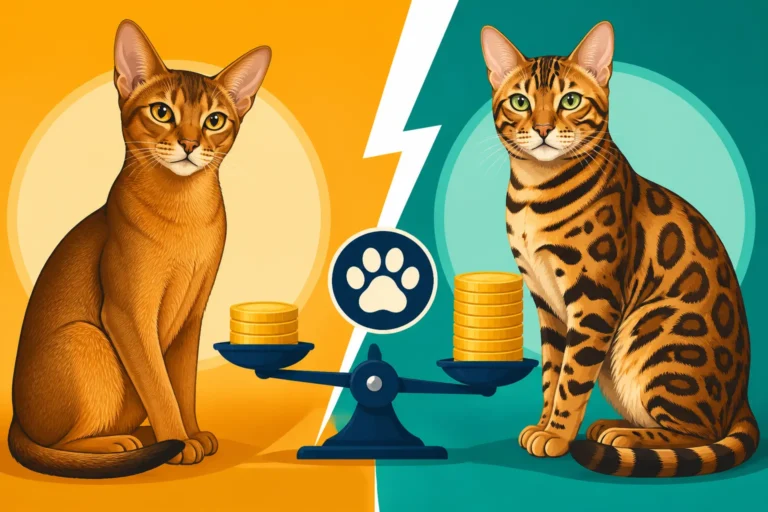
Public registration of test results acts as a crucial defense against such practices. If a breeder is selling Abyssinian kittens at a significantly lower price than others, and they refuse or are unable to provide publicly registered genetic test results for their breeding cats, this is a major red flag. It’s often a sign that they haven't invested in proper health screening, which means you could be buying a kitten predisposed to expensive and painful genetic diseases. Why an Untested Abyssinian Is Cheaper for a Reason elaborates on the hidden costs of opting for a seemingly cheaper, untested kitten.
By understanding how to access and interpret public genetic data, you empower yourself to navigate the search for your Abyssinian responsibly. You become an informed consumer, capable of distinguishing between ethical breeders who prioritize health and welfare, and those who do not. This discernment not only protects your personal investment but also helps support the community of dedicated breeders who are genuinely working to improve the Abyssinian breed.
The Mechanisms Behind Public Registration
So, how does all this information actually become public? It's not magic, but a collaborative effort between cat registries, genetic testing laboratories, and, of course, the breeders themselves. Understanding this process helps demystify how you can access this vital data.
Major Registries and DNA Testing Laboratories
The foundation of public genetic registration for cats often lies with major cat registries such as the Cat Fanciers' Association (CFA) or The International Cat Association (TICA). While these organizations primarily focus on breed standards and pedigrees, they also provide platforms or guidelines for health testing and registration. Breeders who are serious about their craft usually register their cats with one of these reputable associations, which then often link to or host public health databases.
The actual genetic testing is performed by specialized veterinary genetic testing laboratories. A breeder will typically submit a DNA sample, usually a cheek swab, from their cat to one of these accredited labs. These labs analyze the DNA for the specific mutations associated with conditions like PK Deficiency and PRA-rdAc. Once the results are processed, the lab sends a certificate back to the breeder. For public registration, the breeder then submits these certificates to a public database, which may be run by the testing lab itself, a breed club, or a larger registry. Which Lab Runs the Abyssinian Genetic Panel can provide more information on specific testing facilities.
It's important to remember that not all labs automatically make results public. It's the breeder's choice and responsibility to ensure these results are shared in a publicly accessible way. This is why when you're inquiring about a kitten, asking where the parents' results are registered and if you can see them is a perfectly reasonable and necessary question. A breeder should be transparent and happy to direct you to these public records, making it as easy as possible for you to verify their claims.
Understanding Test Results: Clear, Carrier, Affected
When you look up an Abyssinian's genetic test results, you'll typically see one of three designations: Clear, Carrier, or Affected. Each of these tells a different story about the cat's genetic makeup and its suitability for a breeding program. Understanding these terms is crucial for interpreting the data you find.
-
Clear: This means the cat does not carry any copies of the gene mutation for that specific disease. A "clear" cat cannot develop the disease, nor can it pass the mutation on to its offspring. When both parents are "clear," all their kittens will also be "clear." This is, of course, the ideal status for both pet owners and breeders seeking to eradicate a genetic disease.
-
Carrier: A "carrier" cat has one copy of the gene mutation but does not typically develop the disease itself. They are healthy animals. However, they can pass that one copy of the mutation to their offspring. This is where selective breeding becomes critical. A carrier can be safely bred to a "clear" cat, as no affected kittens will be produced, though some may also be carriers. Why an Abyssinian Marked as a Carrier Is Still Fine explains this in more detail. The challenge comes when two carriers are bred together, which has a 25% chance of producing "affected" kittens.
-
Affected: An "affected" cat has two copies of the gene mutation (one from each parent) and will develop the disease. For diseases like PK Deficiency or PRA-rdAc, this means the cat will eventually experience symptoms related to the condition. Responsible breeders absolutely avoid breeding "affected" cats, and ideally, they avoid pairings that could produce "affected" kittens altogether, making public registration vital to prevent such outcomes.
Long-Term Benefits for the Abyssinian Breed
The commitment to public genetic registration isn't just about individual cats or immediate transactions; it's a long-term strategy for the health and vitality of the entire Abyssinian breed. It requires foresight, dedication, and a collaborative spirit among breeders, but the benefits are profound.
Reducing the Incidence of Genetic Diseases
The primary long-term benefit of publicly registered test results is the gradual reduction and, ideally, eventual eradication of harmful genetic diseases within the Abyssinian population. By having a clear, verifiable record of which cats are carriers, breeders can make informed decisions about pairing. This means avoiding breeding two carriers together, thereby eliminating the possibility of producing affected kittens.
Over successive generations, as more and more "clear" cats are bred, the frequency of the problematic genes in the overall gene pool diminishes. It's a slow but steady process that relies on consistent testing and transparent reporting. Imagine a world where PK Deficiency and PRA-rdAc are virtually non-existent in Abyssinians, thanks to the diligence of breeders today. This isn't just a pipe dream; it's the tangible outcome of widespread, publicly registered health testing. This proactive approach helps to ensure the breed's future health, saving future generations of cats and their owners from preventable suffering and costly veterinary interventions. For example, considering the lifetime costs of care for an affected cat, resources like Chewy for specialized diets or medical supplies could become a significant budget line.
Preserving Breed Integrity and Genetic Diversity
While the goal is to reduce the incidence of genetic diseases, responsible breeders also understand the importance of maintaining genetic diversity within the breed. Simply removing all carriers from the breeding pool might seem like a quick fix, but it could lead to a severely reduced gene pool, potentially introducing new problems down the line. Public registration helps breeders balance disease management with genetic diversity.
By knowing exactly which cats are carriers, breeders can strategically plan pairings. A valuable carrier may still be bred, but only to a clear mate, ensuring no affected offspring while still allowing that cat’s positive traits (like temperament, conformation, or other healthy genetic markers) to contribute to the next generation. Why an Abyssinian Line's History Matters More Than Any Test highlights how a comprehensive view of lineage, including genetic testing, contributes to making sound breeding decisions.
This careful, data-driven approach ensures that the Abyssinian breed remains healthy, vibrant, and genetically diverse for generations to come. It's a testament to the dedication of the community that public test results are not just a convenience, but a cornerstone of ethical breeding practices, allowing prospective owners to enter into Abyssinian ownership with confidence and peace of mind.
Here’s a quick overview of what the different genetic test results mean for an Abyssinian:
| Test Result | Description | Implication for Health | Breeding Recommendation |
|---|---|---|---|
| Clear | No copy of the specific gene mutation detected. | Will not develop the disease. | Can be bred with any other cat (Clear, Carrier, or Affected*). |
| Carrier | One copy of the gene mutation detected. | Typically healthy, will not develop the disease. | Should only be bred with a "Clear" cat to avoid affected offspring. |
| Affected | Two copies of the gene mutation detected (one from each parent). | Will develop the genetic disease. | Should not be used in a breeding program. |
*Note: Breeding an "Affected" cat, even with a "Clear" partner, would produce 100% "Carrier" offspring, which is generally avoided by ethical breeders for breed improvement.
Disclaimer
This article is for general informational purposes only and does not constitute professional advice. Laws, prices and regulations vary by location and change over time. Consult a qualified professional for guidance on your specific situation.