Whether an Abyssinian Sets Off Cat Allergies
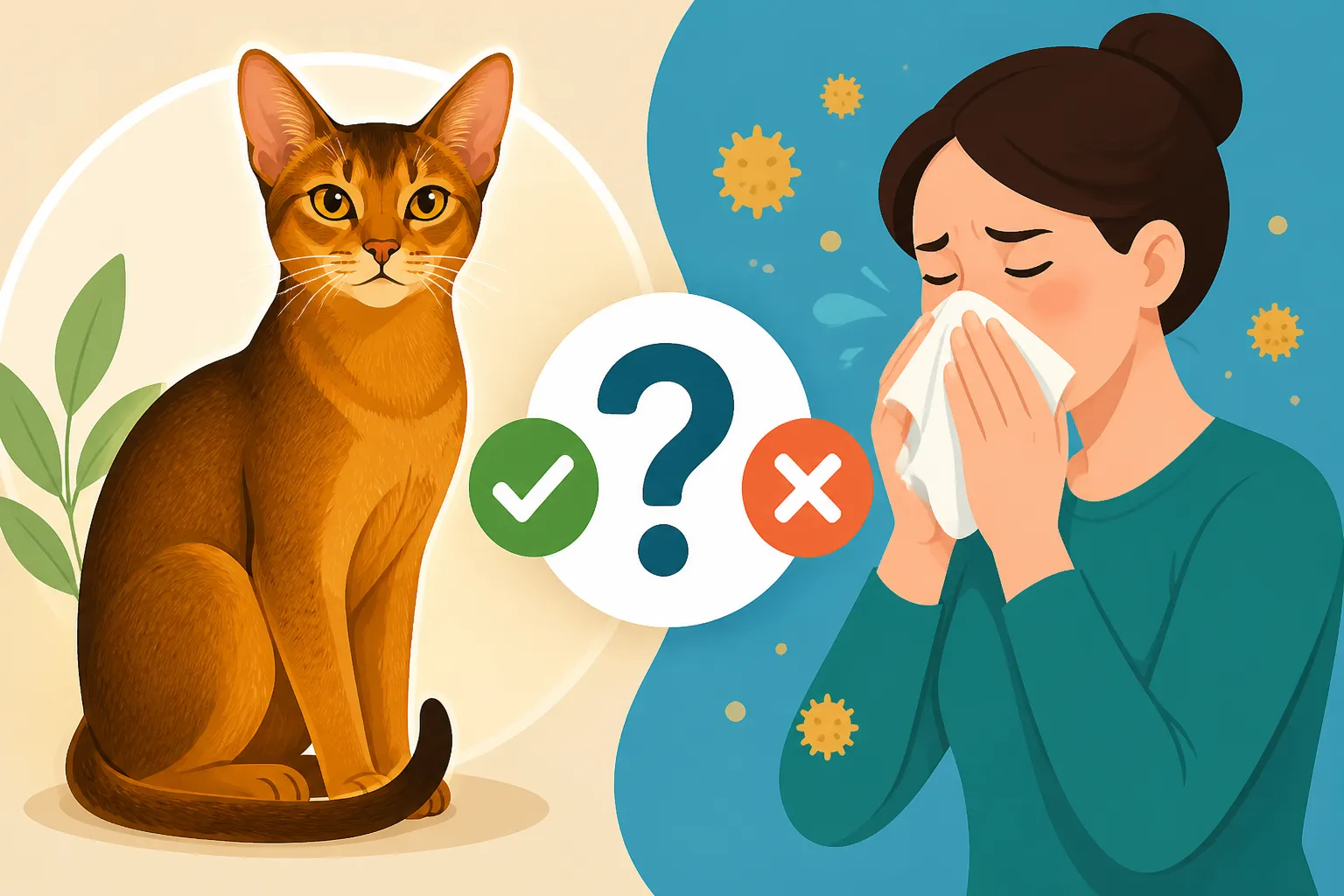
If you've ever dreamt of owning an Abyssinian, those vibrant, curious cats with coats like wild rabbits, only to have your hopes dashed by a pesky cat allergy, you're not alone. It's an incredibly common frustration, this longing for feline companionship that feels perpetually out of reach due to sneezing, itchy eyes, and general misery. This guide is going to dive deep into the reality of Abyssinians and allergies, dispelling myths and offering practical, realistic advice for how to approach owning one if you're an allergy sufferer.
Understanding Cat Allergies: More Than Just Hair
The first step in navigating the world of cat allergies, especially when you have your heart set on a specific breed like the Abyssinian, is to really understand what's causing your sniffles and sneezes. Most people immediately point to cat hair as the culprit, but that's actually not the full story, or even the main one. The truth is often a bit more complicated, and understanding it is key to managing your symptoms.
The Real Culprits: Proteins, Not Just Fur
When someone says they're "allergic to cats," what they're almost always reacting to is a specific protein, primarily Fel d 1. This tiny protein is produced in a cat's saliva, skin, and sebaceous glands. So, every time your beloved Abyssinian grooms itself, it's essentially spreading this protein all over its fur. As the saliva dries, the protein-laden dander (microscopic flakes of skin) becomes airborne, attaching itself to everything in your home – furniture, carpets, clothes, and yes, floating in the very air you breathe.
It's not just saliva, either. Cats excrete Fel d 1 in their urine, too. So, if you're scooping a litter box, you're also potentially stirring up allergens. This is why even a cat with very little hair can still cause significant allergic reactions. The hair itself is merely a carrier for the dander and dried saliva. Think of it less as a direct trigger and more as the vehicle that transports the true allergens around your environment.
Why No Cat is Truly "Hypoallergenic"
This brings us to a crucial point that often disappoints prospective cat owners: there is no such thing as a truly "hypoallergenic" cat. It's a marketing term that, while well-intentioned, can lead to a lot of heartbreak and returned pets. Every single cat, regardless of breed, gender, or coat type, produces some level of Fel d 1 protein. Some breeds are often touted as being "low-allergen" or "allergy-friendly" because they might produce less of this protein, or they shed less dander, which means less allergen is dispersed into the environment.
The frustration here is real. You might spend hours researching, getting your hopes up that you've found "the one" – a cat that won't trigger your allergies – only to find out that even these so-called hypoallergenic breeds can still cause a reaction. It's a spectrum, not an on-off switch. For some individuals, a cat that produces less allergen might be tolerable, while for others, even a minuscule amount is enough to send them reaching for the antihistamines. It's why relying on anecdotal evidence alone can be so risky for allergy sufferers.
The Abyssinian and Allergy Claims: Separating Fact from Wishful Thinking
With a better understanding of cat allergies, let's turn our attention specifically to the Abyssinian. You might have heard whispers that Abyssinians are "hypoallergenic" or "better for allergies." It's a common belief, often fueled by their unique coat. But how much of that is based on scientific fact, and how much is simply hopeful thinking?
The Abyssinian's Unique Coat and Shedding
One of the defining characteristics of an Abyssinian is its stunning ticked coat. Unlike many cat breeds that have a dense double coat with a soft, fluffy underlayer, the Abyssinian's fur is mostly made up of a single, fine coat. Each individual hair features multiple bands of color, giving them that beautiful, shimmering depth, but critically, they have very little to no undercoat. This means two things: their coat lies close to their body, and they generally shed less than many other breeds.
Because they have less undercoat, and therefore less "fluff" to shed, the amount of visible cat hair floating around your home might indeed be reduced. This can certainly create the impression of being more allergy-friendly because there's less visible dander and fur accumulating. However, remember what we discussed: it's not the hair itself that's the primary allergen, but the microscopic dander and dried saliva that cling to it. While less shedding might mean fewer airborne particles for a short while, your Abyssinian will still groom themselves, spreading Fel d 1 all over their fine, single coat. An Abyssinian Needs Brushing Once a Week and No More can help mitigate some of this, but it won't eliminate it entirely. You might notice that Why an Abyssinian's Shed Hair Is Hard to See because of its fine texture, but it's still there.
Do Abyssinians Produce Less Fel d 1?
This is the million-dollar question for allergy sufferers, and unfortunately, the answer is a resounding: there is no scientific evidence to suggest that Abyssinians produce significantly less Fel d 1 protein than other cat breeds. The claim often stems from their minimal shedding, which, as explained, can reduce visible hair and dander but doesn't necessarily reduce the production of the allergen itself.
Breeds like the Siberian and Russian Blue are often anecdotally (and sometimes with some limited scientific backing) suggested to produce lower levels of Fel d 1. However, even with those breeds, it's not a guarantee, and individual cats within those breeds can vary wildly in their allergen production. For Abyssinians, the evidence simply isn't there. Therefore, while their easy-care coat is wonderful for general grooming, it doesn't give them a "hypoallergenic" pass. It's essential to understand that Why an Abyssinian Is Not a Hypoallergenic Cat is a simple, biological fact. Any claims to the contrary are based on wishful thinking rather than hard science.
Practical Steps for Allergy Sufferers Considering an Abyssinian
So, if Abyssinians aren't truly hypoallergenic, does that mean an allergy sufferer can never have one? Not necessarily! It means you need to be realistic, proactive, and put in some serious effort to manage your environment and your own symptoms. It's a commitment, but for many, the joy of an Abyssinian is absolutely worth it.
Spending Time with an Abyssinian Before Committing
This is, by far, the most critical step. You absolutely cannot know how you will react to a specific Abyssinian kitten or cat until you spend significant, extended time with them. A quick visit to a breeder's cattery for five minutes won't cut it. You need to expose yourself to the environment where the cat lives, and directly to the cat itself, for several hours. Ideally, visit a breeder's home (or the home of an Abyssinian owner) multiple times. Spend time petting the cats, letting them rub against you, and simply existing in their space.
Pay close attention to your body's reaction:
- Do your eyes start to itch or water?
- Do you get a runny nose or start sneezing?
- Do you develop a rash or hives where the cat touched you?
- Do you experience any asthma symptoms?
Some breeders might even allow you to borrow a small piece of bedding or a toy that the cat has used, to bring home and gauge your reaction in your own environment. This "test drive" is invaluable. Be upfront with any breeder you speak to about your allergies. A responsible breeder will appreciate your honesty and diligence. How to Vet an Abyssinian Breeder Before Paying should always include this kind of open dialogue about health concerns and potential allergies.
Creating an Allergy-Friendly Home Environment
Once you've determined that you might be able to live with an Abyssinian, it's time to make your home as allergy-friendly as possible. This isn't a one-time task; it's an ongoing lifestyle commitment.
First, establish cat-free zones, especially your bedroom. Your bedroom should be a sanctuary where allergens are kept to an absolute minimum. Keep the door closed, and do not allow your Abyssinian inside. This gives your body a place to recover and reduces nighttime symptoms. Use HEPA air purifiers in your bedroom and other main living areas. Devices from brands like Levoit or Coway can make a noticeable difference in trapping airborne dander.
Second, clean, clean, clean! Regular vacuuming with a HEPA-filtered vacuum cleaner is essential. Carpets are notorious allergen traps, so consider hard flooring if possible. Wash bedding, curtains, and other fabrics frequently in hot water. You'll also want to wipe down surfaces regularly. You can find specialty allergen-reducing sprays and wipes on platforms like Amazon or Chewy that help neutralize proteins on surfaces.
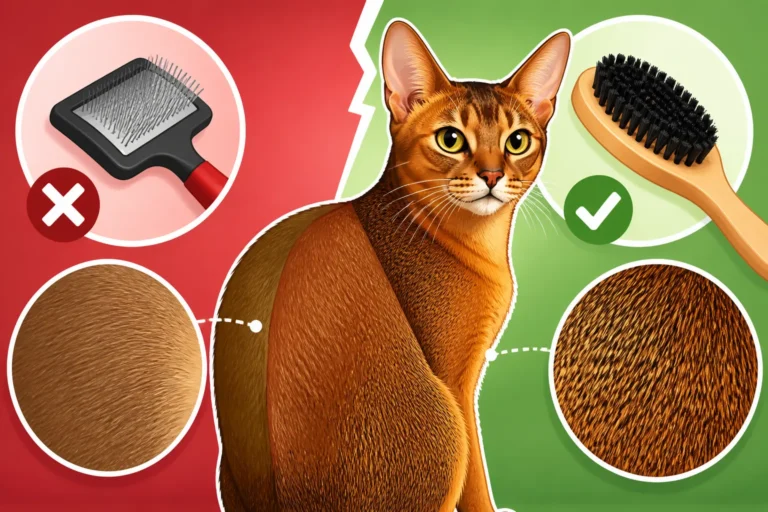
Third, manage your Abyssinian's dander. While they have a fine coat, a weekly brushing session can help remove loose hair and dander before it spreads throughout your home. A grooming mitt, like those found on Chewy, can be effective. After brushing, consider wiping your cat down with a damp cloth or pet-safe allergen-reducing wipes to pick up any remaining loose dander. Remember, even with their fine fur, How Fine an Abyssinian's Coat Feels can still carry a lot of allergens.
Managing Your Own Allergies
Beyond environmental controls, you'll need to manage your own allergic responses. This isn't a substitute for creating an allergy-friendly home, but rather a complementary strategy.
Consult with an allergist or your doctor. They can help you identify exactly what you're allergic to (confirming it's Fel d 1, for example) and recommend appropriate medications. This might include:
- Antihistamines: Over-the-counter options like loratadine (Claritin), cetirizine (Zyrtec), or fexofenadine (Allegra) can help reduce sneezing, itching, and runny nose.
- Nasal Sprays: Corticosteroid nasal sprays can reduce inflammation in your nasal passages.
- Eye Drops: Antihistamine eye drops can relieve itchy, watery eyes.
- Allergy Shots (Immunotherapy): For severe allergies, your doctor might suggest a series of allergy shots, which can gradually desensitize your immune system to the allergen over time. This is a long-term commitment but can offer significant relief.
It's also worth noting that your Abyssinian's energetic nature means they'll be highly interactive. Why an Abyssinian Is Wrong for a Quiet Household is true not just because they need engagement, but because their constant motion around the house can stir up more allergens. Be prepared for this consistent interaction to potentially trigger your symptoms.
The Trade-Offs: Is an Abyssinian Worth the Allergy Management?
Making the decision to bring an Abyssinian into an allergy-prone household is a significant one. It's not just about managing symptoms; it's about understanding the unique personality of the breed and the long-term commitment you're signing up for.
The Abyssinian Personality: A Force to Be Reckoned With
Abyssinians are not quiet, sedentary lap cats. Far from it! They are often described as the "clowns of the cat world" or "nature's supermodels" – active, curious, intelligent, and incredibly engaging. The Abyssinian Is the Busiest Cat in the House, often following you from room to room, supervising your every move, and demanding interaction. They love to climb, explore, and play. They might perch on your shoulder, investigate every new object, and engage you in games of fetch.
While Why an Abyssinian Will Not Sit on Your Lap might seem like a benefit for allergies (less direct contact), their constant presence around you means consistent exposure to their dander. Their playful antics, jumping, and running can also stir up settled allergens in your home. This high level of activity and interaction means that even if you manage their dander well, you'll still be interacting with a cat that is constantly spreading its allergens through the environment. It's a wonderful, vibrant personality, but it requires a commitment to constant vigilance with allergy management.
Long-Term Commitment and Realistic Expectations
Bringing any pet into your home is a long-term commitment, often spanning a decade or more for an Abyssinian. The Twelve to Fifteen Years an Abyssinian Usually Gets means a long time managing allergies. For an Abyssinian, this commitment could easily extend to What Owning an Abyssinian Really Costs a Year in terms of time, effort, and financial resources, even without considering allergy-specific expenses. If your allergies prove to be unmanageable despite your best efforts, the emotional toll of having to rehome a beloved pet can be devastating for everyone involved.
It's crucial to be brutally honest with yourself about your capacity for ongoing management. Are you prepared to:
- Regularly clean your home with allergy-specific protocols?
- Maintain cat-free zones religiously?
- Take allergy medication daily or undergo immunotherapy?
- Brush and wipe down your Abyssinian weekly, if not more often?
Even How an Abyssinian's Energy Changes After Seven and they start to slow down a little, they remain active and interactive, meaning the allergen production and dispersal continue. This isn't a short-term project; it's a new way of life. The bond you form with an Abyssinian is incredibly strong, and they thrive on interaction, often seeking out human company constantly. So, before you fall head over heels for those big, expressive eyes, ensure you have a solid, sustainable plan in place for managing your allergies.
| Allergy Management Strategy | Description | Potential Effectiveness (for Abyssinian Owners) |
|---|---|---|
| Pre-adoption Exposure | Spending hours with the specific cat/line before bringing them home | High: Directly assesses your reaction to that individual cat's allergen output. Absolutely crucial. |
| Cat-Free Zones | Designating areas (especially bedrooms) where the cat is never allowed | High: Provides a sanctuary for allergy sufferers, reducing overall allergen load in key resting areas. |
| HEPA Air Purifiers | Devices that filter airborne allergens from the air | Medium-High: Reduces floating dander and other particulates, especially effective in smaller, contained rooms. |
| Frequent Cleaning | Regular vacuuming (HEPA), dusting, washing fabrics | High: Removes settled allergens from surfaces and textiles. Consistent effort required. |
| Grooming/Wiping Cat | Weekly brushing, wiping fur with damp cloths or allergen-reducing wipes | Medium: Helps remove loose dander before it becomes airborne, but doesn't stop allergen production. Needs consistency. |
| Medication (Antihistamines) | Over-the-counter or prescription drugs to manage symptoms | Medium: Provides symptomatic relief, making reactions more tolerable, but doesn't eliminate the allergen or the underlying sensitivity. |
| Immunotherapy (Allergy Shots) | Long-term medical treatment to desensitize the immune system | Potentially High (Long-term): Can significantly reduce sensitivity over time, but requires commitment and medical supervision. |
| Specialized Cat Food | Foods claiming to neutralize Fel d 1 in cat saliva | Variable/Emerging: Some newer foods show promise in studies, but results vary per cat and individual, and they don't eliminate all Fel d 1. |
It's a journey, not a sprint, and one that demands dedication. But for those who manage it successfully, the unique, loving, and entertaining companionship of an Abyssinian can be an incredibly rewarding part of their lives.
Disclaimer
This article is for general informational purposes only and does not constitute professional advice. Laws, prices and regulations vary by location and change over time. Consult a qualified professional for guidance on your specific situation.