Why a Deshedding Blade Should Never Touch an Abyssinian
It’s a common scenario: you love your Abyssinian, but you're tired of seeing those fine, ticked hairs on your furniture, your clothes, and well, everywhere. So, you start looking for solutions, and a deshedding blade seems like the ultimate weapon in the war against cat hair. But here’s the thing, for an Abyssinian, that tool is not just ineffective; it can actually do more harm than good. This guide will explain precisely why a deshedding blade and your Abyssinian's unique coat are a terrible mismatch, and what you should be doing instead to keep them looking their best.
Understanding the Unique Abyssinian Coat
The Abyssinian coat is truly a marvel, setting them apart from many other breeds. It's a hallmark of their elegance and a defining characteristic, but it also means their grooming needs are quite specific. Trying to apply a one-size-fits-all approach to an Abyssinian's fur is like trying to use a hammer to fix a delicate watch – you're likely to cause damage.
The Beauty of the Ticked Coat
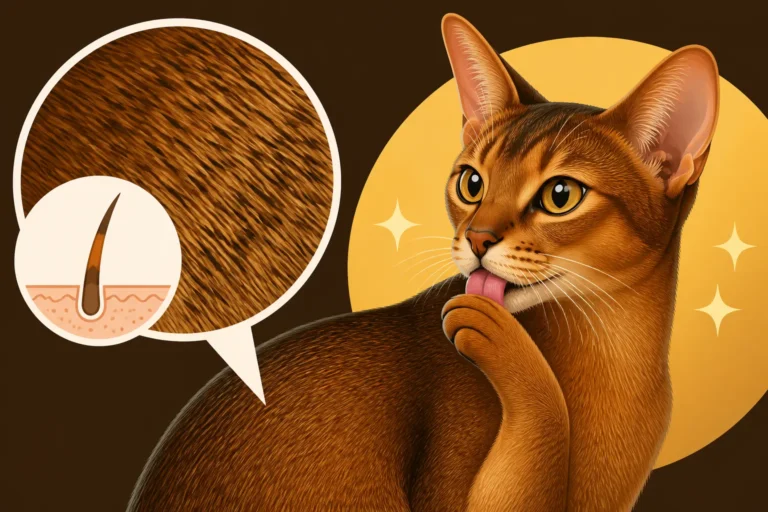
When you look at an Abyssinian, you immediately notice that gorgeous, shimmering quality to their fur. This isn't just random; it's due to something called "ticking." Unlike a tabby, which has distinct stripes or spots, an Abyssinian's coat is made up of individual hairs that are banded with multiple colors. Each single hair has two, three, or even four bands of color, alternating from light to dark along its length. This is why you'll often hear us say, Why Each Abyssinian Hair Carries Three or Four Bands. This banding creates that stunning, iridescent effect that makes them look like they're glowing, especially when they move in the light. It's a truly beautiful and complex genetic trait, and it's what gives them that wild, agouti look without any actual tabby stripes. This ticking is incredibly delicate and integral to the breed's appearance.
Why Their Undercoat is Different
Another crucial aspect of the Abyssinian coat is its minimal undercoat. Many cat breeds, especially long-haired ones, have a thick, dense undercoat designed for insulation. This undercoat is often what sheds heavily and creates those fluffy tumbleweeds around your house. Abyssinians, on the other hand, have a very fine, close-lying coat with very little, if any, discernible undercoat. This is Why the Ticked Coat Leaves an Abyssinian Almost No Undercoat. Their fur feels incredibly soft and silky to the touch, almost like velvet, and it lies flat against their body. Because of this structure, they actually shed much less than many other breeds. While no cat is truly non-shedding, Why an Abyssinian's Single Ticked Coat Barely Sheds in comparison to a typical domestic shorthair or a longhair. Understanding this unique coat structure is the first step in realizing why certain grooming tools are entirely inappropriate for them.
The Damage Deshedding Tools Inflict
It's natural to want to manage shedding, and deshedding tools have become incredibly popular for certain breeds. However, these tools are designed for a very specific type of coat, one that Abyssinians simply don't possess. Using them on your beloved Aby can have unintended and often detrimental consequences for their fur and skin.
How Deshedding Tools Work
Most deshedding tools, particularly those with a blade-like edge, are designed to reach through the topcoat and effectively "rake out" loose undercoat. They have finely spaced teeth or a blade that can pull out dead hair that might otherwise get trapped close to the skin. For breeds with a dense, fluffy undercoat, this can indeed be effective in reducing shedding. The idea is to remove the underlying layer of fur that causes bulk and excessive shedding, leaving the topcoat looking smoother and cleaner. You can find many brands of these tools on platforms like Amazon, often marketed as universal solutions for shedding, but that's where the problem lies for our Aby friends.
Why This Harms an Abyssinian's Ticking
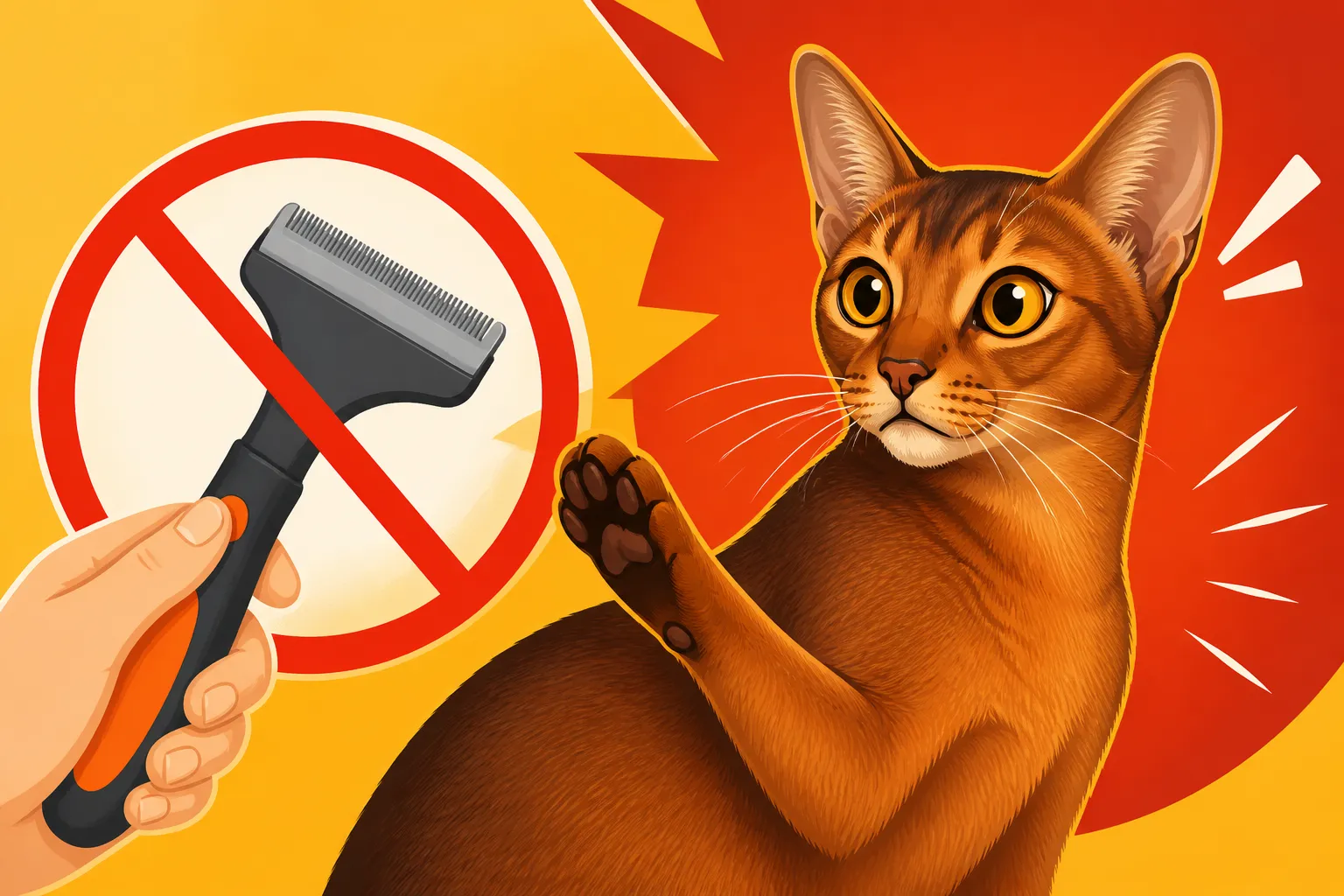
Here's the critical point: because Abyssinians have such a minimal undercoat, a deshedding blade has nothing to deshed in the traditional sense. Instead of removing a fluffy underlayer, what these tools end up doing is cutting and breaking the delicate, banded hairs of their topcoat. Remember that beautiful ticking, where each hair has multiple bands of color? A deshedding tool can actually shear off the lighter tips of those hairs, ruining the intricate color bands and making the coat appear dull, coarse, and even patchy. It effectively "flattens" the ticking, removing that vibrant shimmer that is so characteristic of the breed. This isn't just an aesthetic issue; it fundamentally changes the integrity and health of their unique fur. The entire purpose of The Ticked Coat Is the Whole Abyssinian Grooming Job is to maintain this beauty, and a deshedding blade works directly against it.
The Risk of Skin Irritation and Injury
Beyond damaging the coat's appearance, using a deshedding blade on an Abyssinian can also cause significant physical discomfort and even injury. Their coat is already very fine and lies close to their skin, meaning there's less buffer between the tool and their delicate skin. The scraping action of these blades can easily irritate, scratch, or even cut an Abyssinian's skin, leading to redness, inflammation, and potential infection. Imagine someone scraping a fine-toothed comb hard against your skin; it wouldn't feel good, and it could certainly break the skin. Given their energetic and playful nature, an irritated Abyssinian might then over-groom or scratch at the affected areas, exacerbating the problem. This can be particularly true if they already have sensitive skin, making a careful, gentle approach to grooming all the more vital.
The Right Way to Groom an Abyssinian
So, if deshedding blades are out, what should you be doing to keep your Abyssinian's coat healthy and shiny? The good news is that their grooming needs are actually quite straightforward and far less intensive than many other breeds, provided you use the right tools and techniques. It's about working with their coat, not against it.
Gentle Brushing for a Ticked Coat
For an Abyssinian, less is often more when it comes to brushing. A gentle, weekly session is usually all that's required to remove loose hairs and distribute their natural oils. In fact, An Abyssinian Needs Brushing Once a Week and No More for most of their lives. Forget harsh brushes with stiff bristles; these can also damage the delicate ticking. Instead, opt for soft, rubber grooming mitts or brushes with very fine, soft bristles. A rubber curry brush or a chamois cloth can work wonders in bringing out their natural shine without disturbing the ticking. For example, you can find a good quality grooming mitt on Chewy or Amazon. Remember, the goal is to gently lift away any dead hairs, not to aggressively pull or strip the coat. If your Aby isn't a fan of brushing, try making it a positive experience with treats and praise, and consider reading up on How to Groom an Abyssinian That Will Not Stay Still for some helpful tips.
The Importance of a Good Diet and Hydration
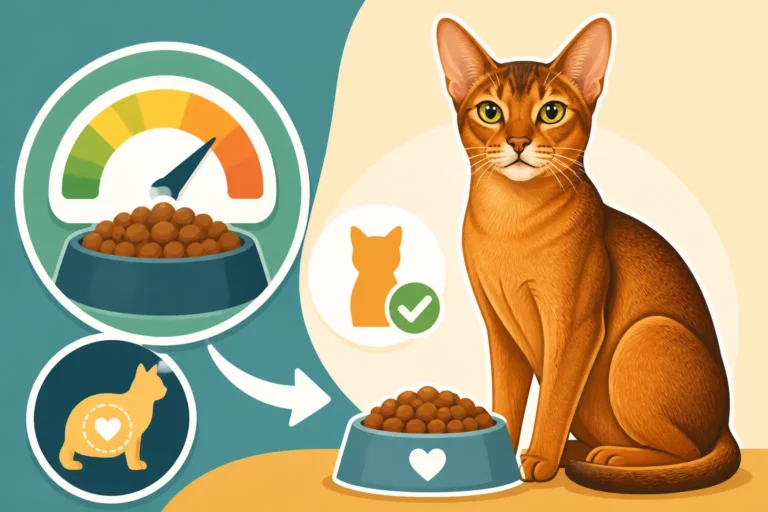
A healthy coat truly starts from within, and this is especially true for Abyssinians. Their diet plays a monumental role in the luster and quality of their fur. Feeding a high-quality, protein-rich diet ensures they get all the essential nutrients needed for healthy skin and coat. Look for foods with good sources of omega fatty acids, which contribute to skin health and a shiny coat.
Hydration is also absolutely critical. Abyssinians, like all cats, often don't drink enough water, and this can impact everything from their kidney health (which is particularly important for this breed, as discussed in Renal Amyloidosis Is the Abyssinian Problem Nobody Can Test For) to their coat condition. Encourage water intake with fresh, multiple water bowls, or consider a cat fountain. Incorporating wet food into their diet is another excellent way to boost their daily moisture intake. What to Feed an Abyssinian That Never Stops Moving should always emphasize quality and appropriate hydration.
Professional Help When Needed
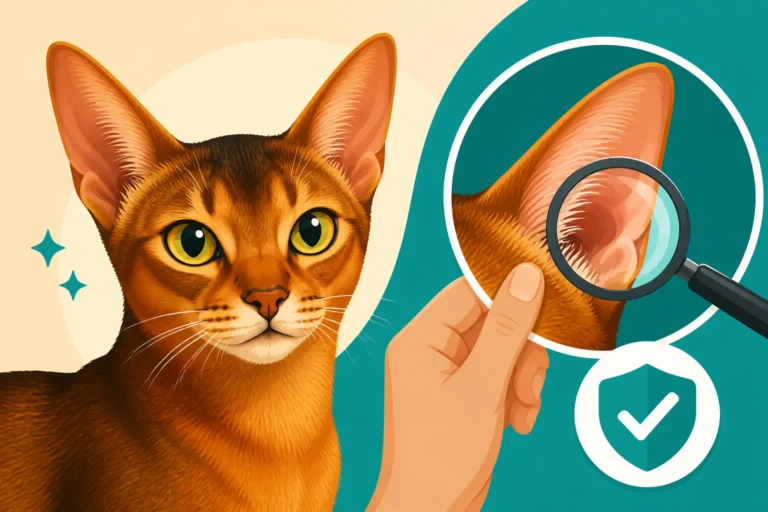
While most Abyssinian grooming can be handled at home, there are times when professional help is invaluable. Regular veterinary check-ups are essential to catch any underlying health issues that might manifest as coat problems. A dull coat, excessive shedding (beyond their normal minimal amount), or skin irritation could be signs of allergies, parasites, or more serious conditions. A vet can diagnose these and recommend appropriate treatment.
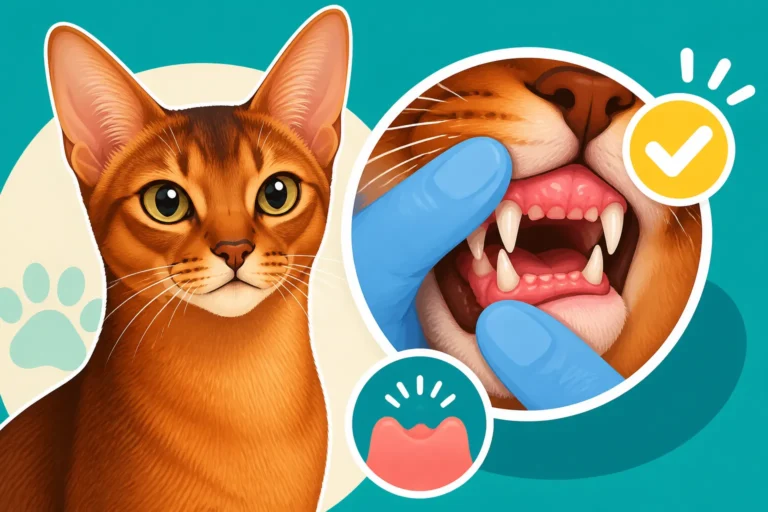
Beyond general health, dental care is another area where professionals shine. Abyssinians are unfortunately prone to dental issues, including gingivitis and tooth resorption. Brushing an Abyssinian's Teeth Matters More Than Its Coat is a mantra for a reason, but professional dental cleanings are often necessary to maintain optimal oral health. A healthy mouth contributes to overall well-being, which in turn reflects in a healthy coat.
Here's a quick comparison of appropriate vs. inappropriate grooming tools for Abyssinians:
| Tool Type | Suitable for Abyssinian? | Reason |
|---|---|---|
| Rubber Grooming Mitt | Yes | Gently removes loose hair, distributes oils, won't damage ticking. |
| Soft Bristle Brush | Yes | Smooths coat, aids circulation, minimal risk to delicate hairs. |
| Chamois Cloth | Yes | Excellent for polishing the coat and enhancing shine. |
| Fine-toothed Comb | Yes (with care) | Good for checking for fleas or tangles, but avoid aggressive pulling. |
| Deshedding Blade | No | Cuts and breaks delicate ticked hairs, irritates skin, removes shine. |
| Slicker Brush | No | Too harsh for their fine, single coat; can cause damage and discomfort. |
| Dematting Rake | No | Designed for dense undercoats and mats, which Abyssinians do not have. |
Common Grooming Misconceptions for Abyssinians
It’s easy to fall prey to common grooming advice that simply doesn’t apply to our unique Abyssinian companions. Understanding these misconceptions can save you a lot of trouble and keep your Aby happy and healthy.
Why Frequent Bathing Isn't Necessary
Many new cat owners, especially those used to breeds with oilier coats or those who roll in questionable things, might think frequent bathing is a key part of grooming. For an Abyssinian, this couldn't be further from the truth. Their single, fine coat is remarkably low-maintenance in terms of cleanliness. They are diligent self-groomers, and their coat rarely gets greasy or smelly. Bathing an Abyssinian too often can strip their natural oils, leading to dry skin, irritation, and a dull-looking coat. Unless your Aby has gotten into something truly messy or has a specific dermatological condition recommended by your vet, bathing should be a rare event. When a bath is absolutely necessary, use a cat-specific, mild shampoo and ensure you rinse thoroughly to avoid any residue.
The Myth of "Hypoallergenic"
Another common misconception, particularly for those with allergies, is that Abyssinians are "hypoallergenic" due to their fine coat and minimal shedding. While it's true that Why an Abyssinian's Single Ticked Coat Barely Sheds compared to a Persian or a Maine Coon, they are by no means hypoallergenic. No cat breed truly is. Allergies are typically caused by dander (dead skin cells), saliva, and urine proteins, not just the hair itself. Abyssinians still produce these allergens, and while some individuals with mild allergies might tolerate them better due to less hair distribution, they are not a "safe" bet for severe allergy sufferers. It's crucial for anyone considering an Abyssinian, especially if allergies are a concern, to spend time with the breed before committing. Their charm is undeniable, but their dander is still present!
The beauty of the Abyssinian lies not just in their striking looks, but in their spirited personality and relatively easy-care coat. By avoiding harsh tools like deshedding blades and focusing on gentle care, a quality diet, and good veterinary oversight, you’ll ensure your Abyssinian remains a radiant, healthy, and happy member of your family for years to come.
Disclaimer
This article is for general informational purposes only and does not constitute professional advice. Laws, prices and regulations vary by location and change over time. Consult a qualified professional for guidance on your specific situation.