When an Abyssinian Actually Needs Washing
One of the most common questions I hear from new Abyssinian owners, or those simply curious about the breed, is "Do I need to bathe my Abyssinian cat regularly?" It’s a completely valid question, especially given how active and adventurous these little clowns can be! The truth is, unlike some breeds that require frequent washing, the Abyssinian's unique coat is remarkably self-sufficient. This guide will dive deep into why that is, and more importantly, when a bath actually becomes a necessary part of their care, rather than a routine chore.
The Abyssinian's Naturally Low-Maintenance Coat
It's easy to assume that all cats need a bath every now and then, especially if you've had breeds with long, dense fur that seems to attract every speck of dust. But the Abyssinian is a different creature entirely. Their coat is a marvel of natural design, engineered to keep them clean and comfortable with minimal human intervention. Understanding what makes their coat so special is the first step in appreciating why less is often more when it comes to Abyssinian bathing.
The Self-Cleaning Nature of the Ticked Coat
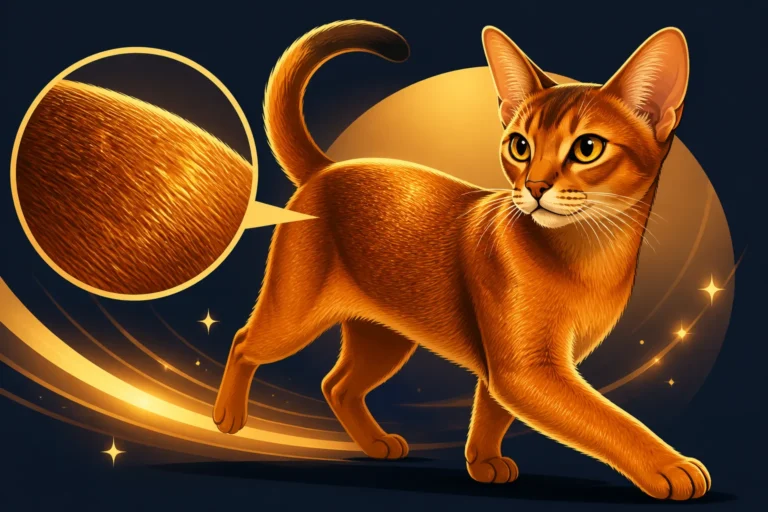
The hallmark of the Abyssinian is its stunning ticked coat. This isn't just a pretty pattern; it's a functional adaptation. Each individual hair on an Abyssinian's body typically carries three or four bands of color, with the darkest band at the tip. This agouti banding, as it's known, creates a shimmering, wild-looking effect, but it also means there are no distinct stripes or spots on the body, just this incredible blend of color.
What's more, Abyssinians have a very fine, close-lying coat with almost no undercoat. This absence of a thick, fluffy underlayer is key to its self-cleaning properties. A dense undercoat can trap dirt, debris, and loose hair, leading to matting and a dull appearance. Without it, loose hairs and foreign particles simply fall away from the Abyssinian's sleek fur. Their fur has a natural oil that helps repel water and dirt, making them quite efficient at keeping themselves tidy through their own meticulous grooming habits. They spend a significant portion of their day self-grooming, keeping their coats pristine. This is why The Ticked Coat Is the Whole Abyssinian Grooming Job from their perspective, not ours!
Why Routine Baths Aren't Necessary
Because their coat is so well-designed for self-maintenance, routine baths for an Abyssinian are generally not only unnecessary but can actually be detrimental. Think about it: every time you bathe a cat, you're stripping away some of those natural oils that protect their skin and keep their coat healthy and supple. Over-bathing can lead to dry, flaky skin, or conversely, an overproduction of oil as their body tries to compensate, resulting in a greasy coat.
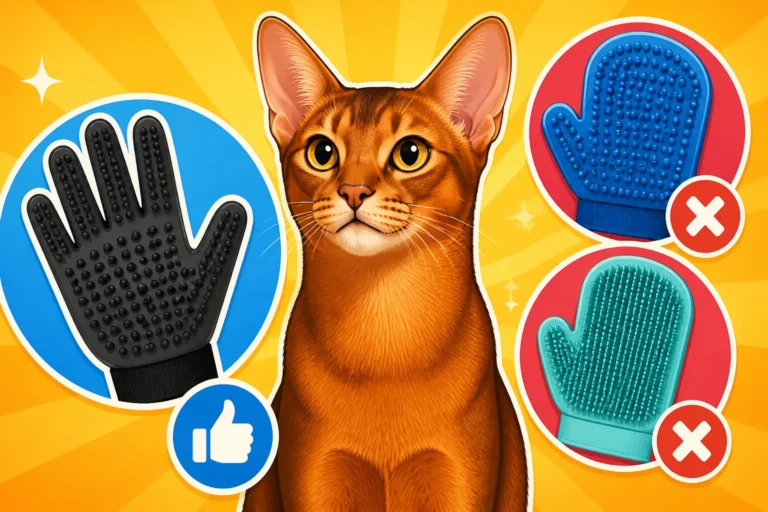
Beyond the physical effects, bathing can be a highly stressful experience for many cats, Abyssinians included. They are sensitive, intelligent creatures, and being forced into a situation they find unpleasant can erode trust and cause significant anxiety. For a breed that thrives on routine and positive interaction, adding a stressful, unneeded bathing session to their life isn't doing them any favors. Our primary role in their grooming is usually limited to a quick brush with Which Grooming Mitt Suits an Abyssinian once a week, just to remove any stray hairs and enhance that famous shimmer. This gentle interaction is far more beneficial than a full dunk in the tub.
When an Abyssinian Absolutely Needs a Bath
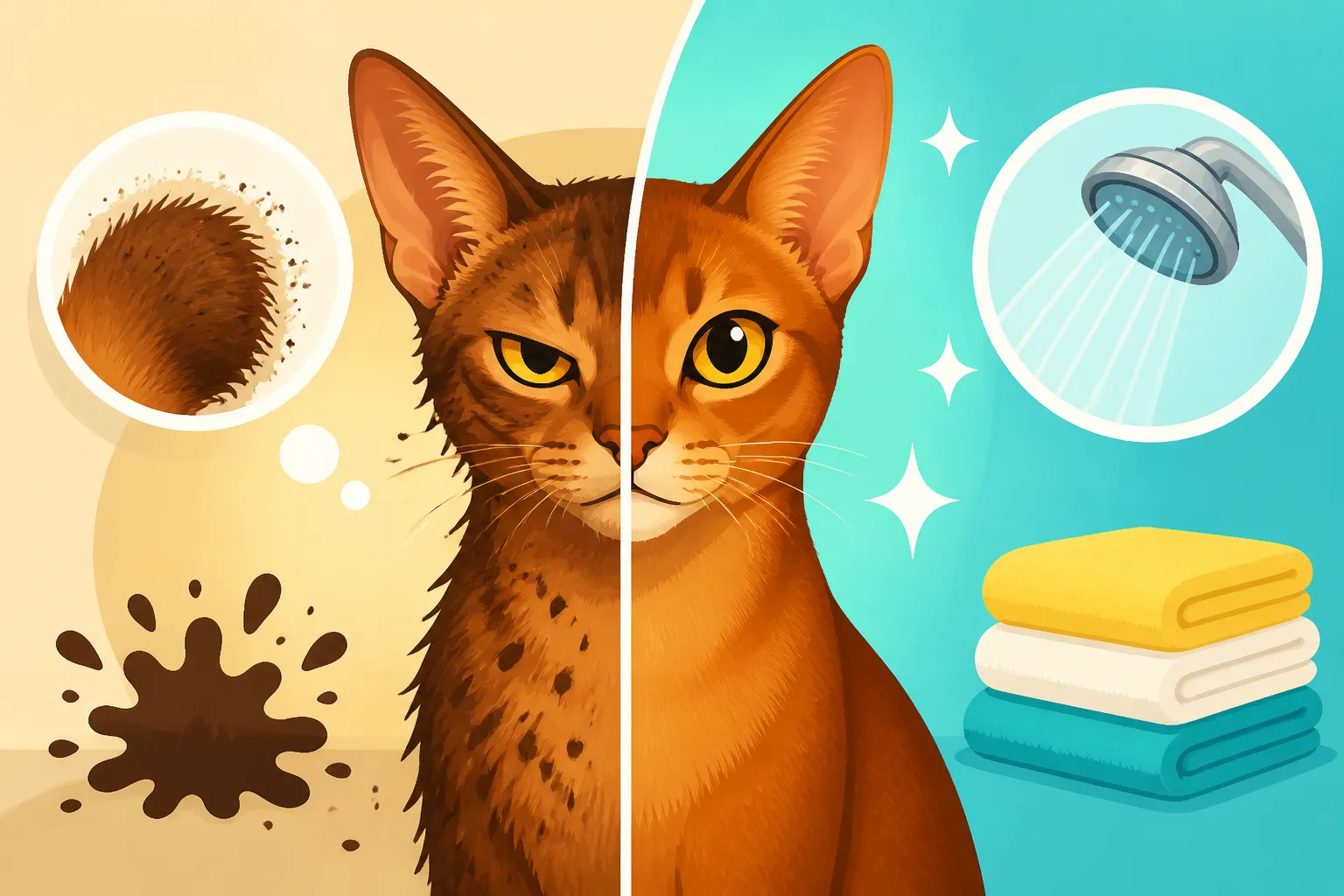
While routine baths are usually a no-go, there are definitely situations where washing your Abyssinian moves from optional to absolutely essential. These instances are typically driven by health, safety, or extreme contamination that goes beyond what their meticulous self-grooming can handle. It’s about recognizing genuine need versus human preference.
Contamination with Harmful Substances
This is arguably the most critical reason an Abyssinian might need an emergency bath. If your curious Abyssinian, true to their adventurous nature, gets into something toxic or irritating, a bath might be their salvation. Imagine they’ve brushed against:
- Toxic chemicals: Antifreeze (which is unfortunately appealing to cats), cleaning solutions, certain fertilizers, or even some human medications can be incredibly dangerous if ingested.
- Sticky or oily substances: Tar, motor oil, paint, sap from trees, or heavy grease can not only mat their fur but can also be toxic if licked off. An Abyssinian will instinctively try to clean anything off their fur, and you don't want them ingesting these substances.
- Strong irritants: Skunk spray (oh, the horror!), strong perfumes, or even spicy foods they’ve rubbed against can cause skin irritation or severe discomfort.
In these situations, speed is of the essence. You need to remove the substance before they have a chance to lick it off and ingest it. This is a time to consult your vet immediately, even if it's just a quick phone call, to determine the safest course of action and what kind of shampoo might be appropriate. They might recommend a specific type of pet-safe degreasing shampoo or even an oatmeal-based formula to soothe irritated skin. You might even find suitable products from online retailers like Chewy or Amazon, but always check with your vet first.
Severe Matting or Extreme Dirt
While Abyssinians have minimal undercoat, they aren't entirely immune to matting, especially in older cats or those with certain health conditions that might prevent them from self-grooming effectively. If an Abyssinian has somehow managed to get themselves truly filthy, beyond what a thorough brushing or spot cleaning can tackle, a bath might be necessary. This isn't just about aesthetics; extreme dirt can irritate the skin, harbor bacteria, or even become uncomfortable for the cat.
Consider a scenario where your Abyssinian, in one of their bursts of energy, decided to explore a particularly muddy corner of your garden (even if they’re an indoor cat, sometimes they find a way!). Or perhaps they've had an unfortunate accident with loose stool that has matted into the fur around their hindquarters. These are situations where you need to assess if brushing and damp cloths are truly insufficient. If the fur is caked with mud that has dried hard, or if feces are stubbornly matted, a gentle bath may be the only way to restore comfort and hygiene. Remember, their single Why an Abyssinian's Single Ticked Coat Barely Sheds means less fur to get tangled, but not zero chance of it.
Skin Conditions or Vet-Prescribed Treatment
Sometimes, a bath isn't about cleanliness but about medication. If your Abyssinian develops a skin condition like ringworm, severe allergies, or flea dermatitis, your veterinarian might prescribe medicated baths as part of their treatment plan. These shampoos are specifically formulated to address the underlying issue, whether it's an antifungal, antiparasitic, or soothing anti-itch ingredient.
In these cases, following your vet's instructions precisely is paramount. They'll tell you how often to bathe, how long to leave the shampoo on, and what precautions to take. This isn't just a regular bath; it's a therapeutic procedure. Never use human shampoos or over-the-counter pet shampoos for a diagnosed skin condition without consulting your vet first, as you could exacerbate the problem or cause further irritation. This is where you might truly need a bath, but it’s done under veterinary guidance for their health.
How to Bathe an Abyssinian When You Have To
Okay, so you've assessed the situation, consulted your vet if needed, and determined that a bath is absolutely necessary. Now what? Bathing a cat, especially one as opinionated and agile as an Abyssinian, can feel like trying to herd a wildcat through a carwash. But with careful preparation and a calm approach, it can be managed.
Preparation is Key
Before you even think about putting your Abyssinian near water, get everything ready. Trust me, scrambling for a towel with a wet, struggling cat is a recipe for disaster (and scratches!).
-
Gather your supplies:
- Cat-specific shampoo: This is crucial. Human shampoos have a different pH balance and can be very irritating to a cat's skin. Your vet might have recommended a specific type for medicated baths, but for general cleaning, choose a gentle, tear-free formula from a reputable pet supply store or online vendor like Chewy. I've even seen some brands formulated for sensitive skin that are readily available. Which Shampoo Leaves an Abyssinian's Ticking Intact is important for maintaining their coat's unique texture.
- Towels: Lots of them! One for wrapping, several for drying.
- Non-slip mat: A rubber mat in the sink or tub will give your Abyssinian better footing and reduce their anxiety.
- Cup or sprayer: For rinsing. A detached showerhead sprayer is ideal if you have one.
- Cotton balls: To gently place in their ears to prevent water ingress.
- Treats: High-value treats for positive reinforcement before, during (if possible), and after the bath.
- Wear appropriate clothing: Long sleeves and sturdy pants can protect you from accidental scratches.
-
Choose your location: A sink (kitchen or utility) or a bathtub works best. Ensure the area is warm and draft-free.
-
Prepare your Abyssinian: This isn't just about physically getting them ready. Try to do a quick, gentle brush with their grooming mitt to remove any loose fur and tangles before the bath. Get them used to the bathroom environment, perhaps by offering treats in there without water running. Talk to them in a calm, soothing voice. If they’re particularly anxious, you might even consider asking your vet about a mild calming spray or supplement for extreme situations, though this should be a last resort.
The Actual Bathing Process
Alright, deep breaths! Here’s how to approach the wash:
- Water temperature: Fill the tub or sink with just a few inches of lukewarm water – think baby bathwater. It shouldn't be cold, but not hot either.
- Gentle introduction: Slowly, gently place your Abyssinian into the water, front paws first. Keep one hand firmly but gently on their back or chest to keep them secure and reassure them. Talk to them constantly.
- Wet the coat: Using your cup or sprayer, thoroughly wet their coat, avoiding their face and ears as much as possible. Work from neck to tail. This is where those cotton balls in their ears are a lifesaver.
- Apply shampoo: Pour a small amount of shampoo into your hand, lather it up, and gently massage it into their fur. Focus on the dirty areas. Again, avoid their face, eyes, and inside their ears.
- Rinse, rinse, rinse: This is the most crucial part. Residual shampoo can irritate their skin. Rinse thoroughly until the water runs clear and their fur feels squeaky clean, not slippery. This usually takes longer than you think it will!
- Final rinse: Once you think you’ve rinsed enough, do one more pass, just to be sure.
Post-Bath Care
The bath isn't over until your Abyssinian is warm and dry.
- Towel dry: Lift your Abyssinian out of the water and immediately wrap them snugly in a large, absorbent towel. Gently pat and rub them down. You’ll be surprised how much water comes off. Their lack of undercoat actually means How Quickly a Wet Abyssinian Dries Without an Undercoat, but they'll still be chilly.
- Warmth: Keep them in a warm, draft-free room. You can gently rub them with another dry towel. Some Abyssinians might tolerate a hairdryer on the lowest, coolest setting, but most will freak out. If you do use one, keep it far away and constantly moving to avoid burning their skin.
- Comfort and reward: Once they’re mostly dry, let them go. Offer those high-value treats and plenty of praise. Let them self-groom to finish the job. Many cats will then race around the house like a wild thing, drying themselves off with sheer speed! Make sure they have a warm, safe spot to retreat to.
Alternatives to Full Baths for a Clean Abyssinian
For all those times your Abyssinian isn’t covered in toxic goo or suffering from a severe skin infection, there are much less stressful and equally effective ways to keep them looking and feeling pristine. These methods work with their natural grooming habits, rather than against them.
Spot Cleaning and Wipes
For minor mishaps or localized dirt, spot cleaning is your best friend. Did your Abyssinian get a little bit of food on their chin, or step in something harmless but annoying?
- Damp cloth: A warm, damp cloth is often all you need. Gently wipe the affected area until clean.
- Pet wipes: Keep some pet-safe grooming wipes on hand. Brands like Earthbath or Burt's Bees often offer cat-specific wipes that are fragrance-free and gentle. You can find these easily on Chewy or Amazon. These are great for cleaning paws after an outdoor adventure on a harness or tackling a small stain on their beautiful coat. They are specifically formulated not to strip natural oils and often contain soothing ingredients.
The key here is to intervene quickly before the mess dries or your Abyssinian tries to lick it all off. Spot cleaning means less stress for your cat and a cleaner house for you.
Regular Brushing and Grooming Mitts
As mentioned before, the cornerstone of Abyssinian coat care is regular brushing. Because The Ticked Coat Is the Whole Abyssinian Grooming Job and they have such a fine, close-lying coat, they don't require the extensive brushing that a Persian or a Maine Coon might. However, a weekly session with a soft brush or, even better, a rubber grooming mitt, does wonders.
- Removing loose hair: Even with minimal shedding, a weekly brush helps to remove any loose hairs before they end up on your furniture. This is particularly noticeable in spring when How Much More an Abyssinian Sheds in Spring.
- Distributing natural oils: Brushing helps to spread their natural skin oils throughout their coat, enhancing its shine and keeping it healthy. This is especially true if you finish with a chamois cloth, which How a Chamois Brings Up an Abyssinian's Shine like nothing else.
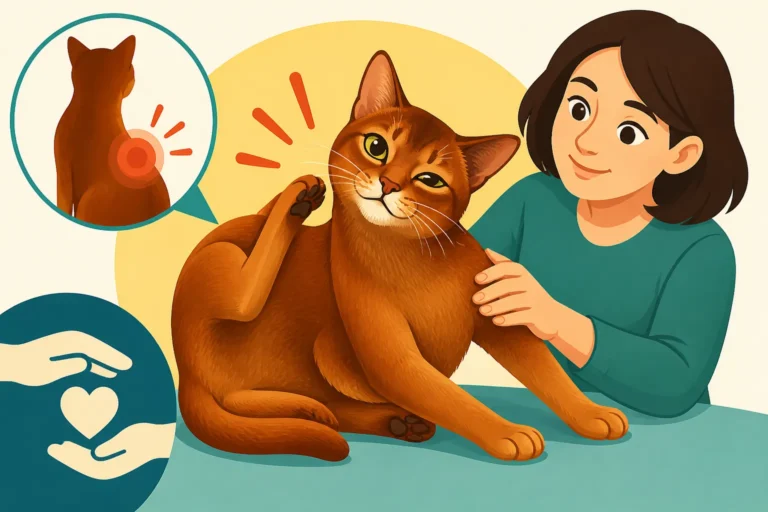
- Bonding: Grooming sessions can be a lovely bonding experience for you and your Abyssinian. It’s a chance to spend quiet, physical time together, and many Abyssinians come to love the gentle massage of a grooming mitt. Just be aware that Why Over Grooming an Abyssinian Does More Harm Than None so keep it short and sweet.
Healthy Diet for a Healthy Coat
While external care is important, what goes into your Abyssinian also plays a huge role in the health and cleanliness of their coat. A well-nourished cat is less likely to have a dull, greasy, or flaky coat, which in turn means less need for external cleaning.
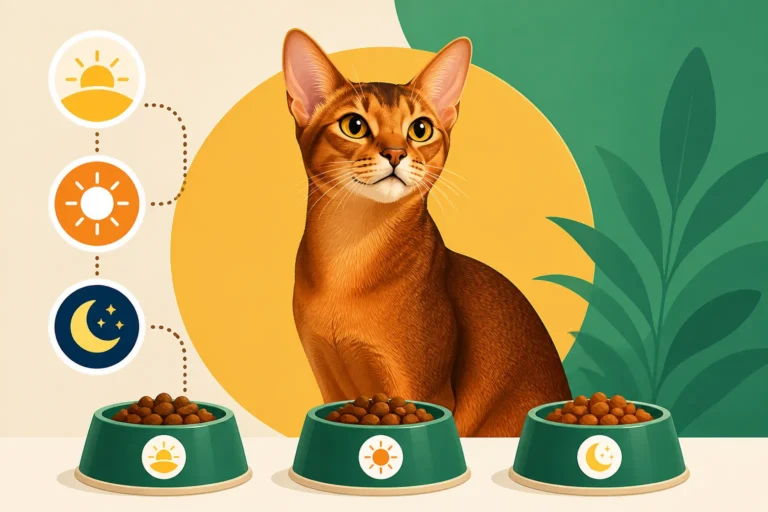
- High-quality protein: Abyssinians are active cats with high energy needs. What to Feed an Abyssinian That Never Stops Moving often means a diet rich in high-quality animal protein to support their muscle mass and overall vitality. Look for foods where meat is the first ingredient.
- Essential fatty acids: Omega-3 and Omega-6 fatty acids are crucial for skin and coat health. Many premium cat foods incorporate these. These fats help maintain the skin's barrier function and keep the fur soft and shiny.
- Hydration: Ensuring your Abyssinian drinks enough water is vital for overall health, including skin health. Cats naturally get a lot of their hydration from their food. A diet that includes wet food or even adding water to kibble can significantly boost their water intake. This is particularly important for Abyssinians due to their potential risk for kidney issues.
A healthy diet contributes to a naturally clean and vibrant coat, reducing the chances of skin problems that might necessitate a bath. Why an Abyssinian's Kidneys Make Water Intake Matter means plenty of water should always be available and encouraged, as good hydration contributes to skin health, which then impacts coat quality and its ability to stay clean.
In conclusion, for most Abyssinian owners, the answer to "When does an Abyssinian actually need washing?" is "almost never, unless absolutely necessary for safety or health." Embrace their self-sufficient nature, provide regular brushing and a top-notch diet, and you'll likely find that a full bath is a rare event indeed.
Disclaimer
This article is for general informational purposes only and does not constitute professional advice. Laws, prices and regulations vary by location and change over time. Consult a qualified professional for guidance on your specific situation.