How Quickly a Wet Abyssinian Dries Without an Undercoat
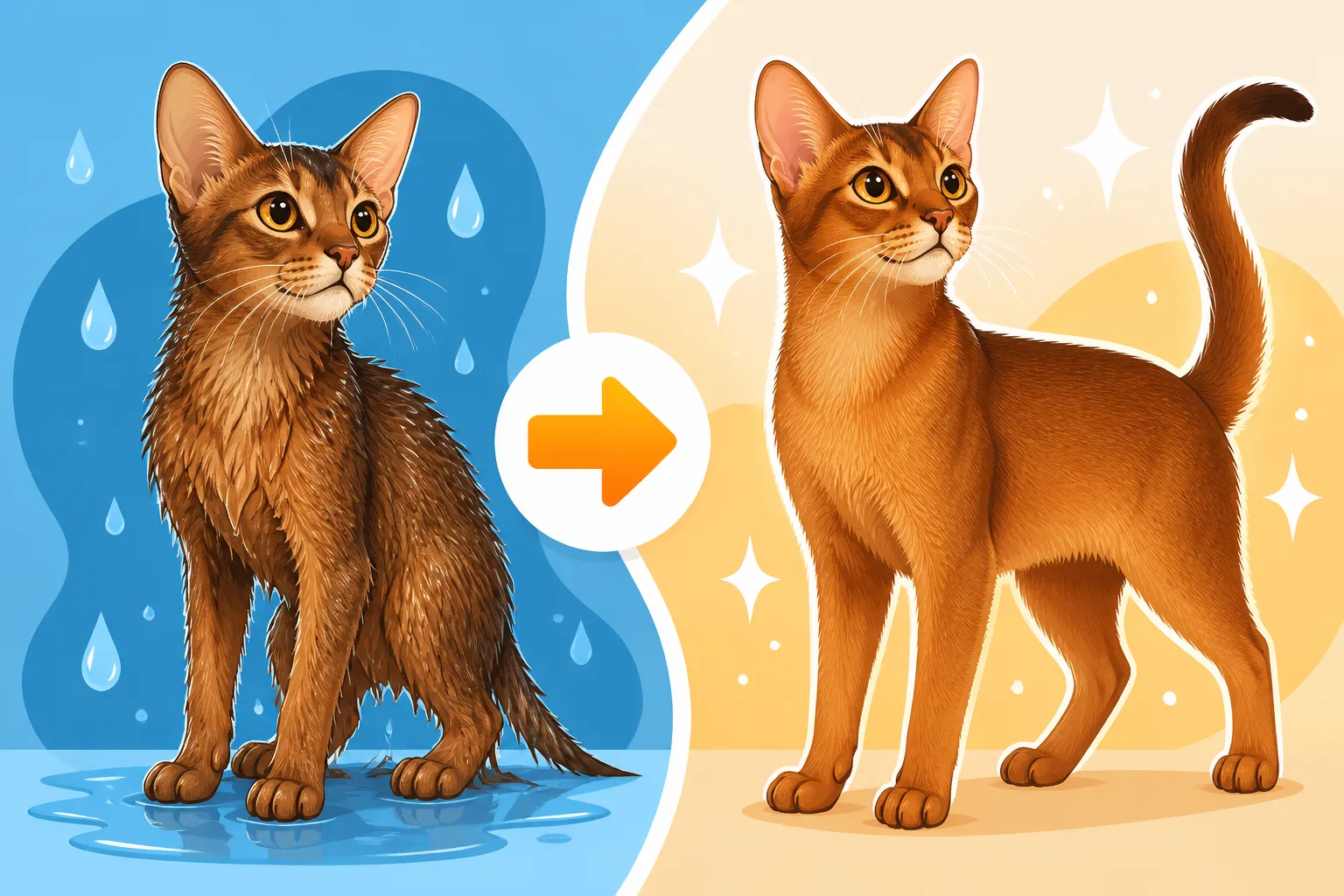
It’s a scenario many Abyssinian owners dread: your typically pristine, active companion suddenly finds themselves soaked, whether it's from an accidental tumble into the sink, a clumsy run-in with a full water bowl, or, if you're particularly adventurous, a planned bath. The immediate concern that rushes through your mind is often, "How on earth do I dry this cat, and how long will it take?" The good news is, thanks to their incredibly unique coat structure, Abyssinians actually dry remarkably fast compared to many other breeds, which is a huge relief when you're faced with a dripping, slightly indignant feline. This guide will delve into why that is and how you can manage it efficiently.
Understanding the Abyssinian's Unique Coat Structure
One of the most defining characteristics of the Abyssinian, beyond their captivating eyes and boundless energy, is their stunning coat. It’s not just beautiful; it's also highly functional, playing a huge role in how quickly they dry. When you understand what makes their coat so special, you'll appreciate why getting them dry isn't as monumental a task as with, say, a fluffy Persian.
The Barely-There Undercoat
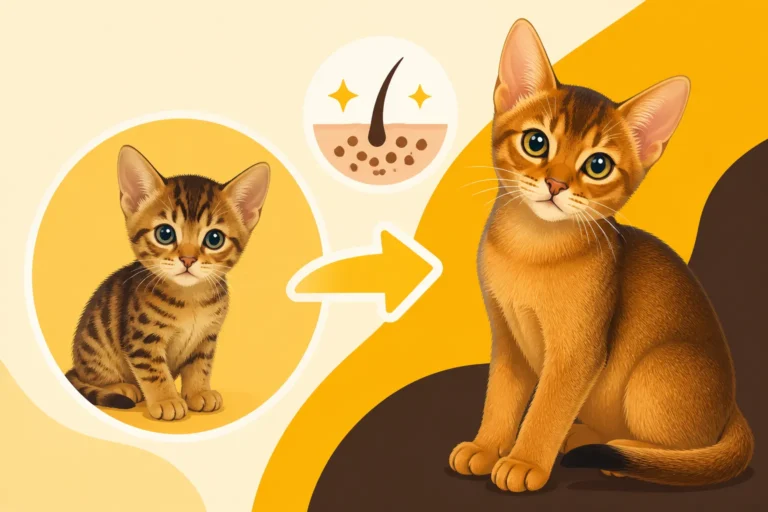
Unlike many cat breeds, especially those with long or dense fur, the Abyssinian possesses what is often described as a single coat. What does this mean in practical terms? It means they have very little, if any, discernible undercoat. Think of a Siberian or a Maine Coon, and you'll picture layers upon layers of soft, downy undercoat that traps air, provides insulation, and, unfortunately, holds onto water for what feels like an eternity. Your Abyssinian doesn't have that. Their fur lies close to their body, without that insulating, water-retentive layer underneath.
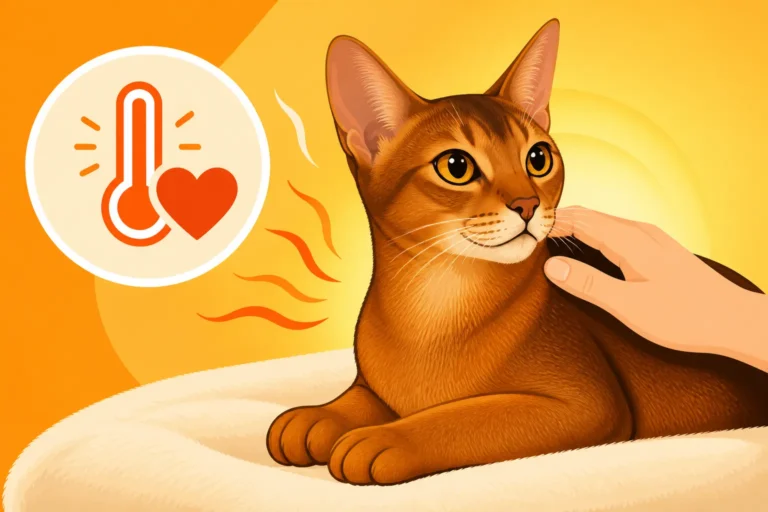
This lack of a dense undercoat is a double-edged sword, of course. While it certainly helps them dry quickly, it also means they aren't as insulated against cold weather. It's why an Abyssinian will often seek out the warmest spot in the house, basking in sunbeams or curling up next to a radiator, especially during the colder months. But when it comes to drying, this sparse undercoat is a major advantage. Water simply doesn't have as much fabric to soak into or get trapped within, allowing it to evaporate much more readily from the surface of the fur. You might want to learn more about Why the Ticked Coat Leaves an Abyssinian Almost No Undercoat to truly grasp this unique aspect.
The Ticked, Single Coat
The Abyssinian's coat is famous for its "ticking," which refers to the individual hairs having bands of color along their length, rather than a solid color. This agouti banding gives them that wild, shimmering look, like a miniature cougar. But beyond its aesthetic appeal, this ticked coat is also incredibly fine and lies very close to the body. Each individual hair is relatively thin, and because there's no bulky undercoat, the overall density of the fur is lower than you'd find on many other cats.
Imagine trying to dry a thick wool blanket versus a thin silk scarf. The silk scarf, with its fine fibers and open weave, will dry in a fraction of the time. The Abyssinian's coat is more akin to that silk scarf. The hairs don't absorb excessive amounts of water, and the structure allows for excellent air circulation right down to the skin. This combination of fine hairs, a single layer, and lack of a dense undercoat is the trifecta that enables your Abyssinian to shed water and dry off with surprising speed. Understanding How an Abyssinian's Agouti Banding Works helps appreciate the complexity and beauty of this seemingly simple coat.
Factors Influencing Drying Time
While an Abyssinian's coat is inherently quick-drying, several other factors come into play that can either speed up or slow down the process. It's not just about the cat; it's also about the environment and the extent of the wetness.
Environmental Conditions
Just like your laundry, your Abyssinian will dry faster in certain environmental conditions. A warm, dry room with good air circulation is ideal. If you've just bathed your cat, moving them to a heated bathroom or a room with a space heater (kept at a safe distance, of course, and always supervised) can significantly reduce drying time. Humidity, on the other hand, is the enemy of efficient drying. A humid bathroom after a shower will mean your Abyssinian stays damp for much longer.
Think about a breezy day versus a still, muggy one. The breeze carries away moisture, speeding up evaporation. You can replicate this effect indoors by opening a window (if safe and warm enough), using a fan on a low setting pointed away from your cat but circulating air, or simply ensuring the room isn't sealed off and stagnant. The goal is to facilitate air movement around their fur to help carry moisture away.
Method of Wetting and Amount of Water
There's a big difference between a cat that's taken a full, sudsy bath and one that's merely splashed in a sink or been caught in a light drizzle on a supervised harness walk. A thoroughly soaked Abyssinian, where water has penetrated down to the skin, will naturally take longer to dry than one that's just damp on the surface.
For a full bath, every single hair follicle will be saturated. This means more water needs to evaporate. If your Abyssinian just got a bit wet from investigating a dripping faucet or knocking over their water bowl, the moisture might only be on the tips of the fur, making for an even quicker drying process. Knowing this helps set your expectations. Don't panic if a fully bathed cat takes a little longer; it's simply a larger volume of water to contend with.
The Abyssinian's Natural Grooming Habits
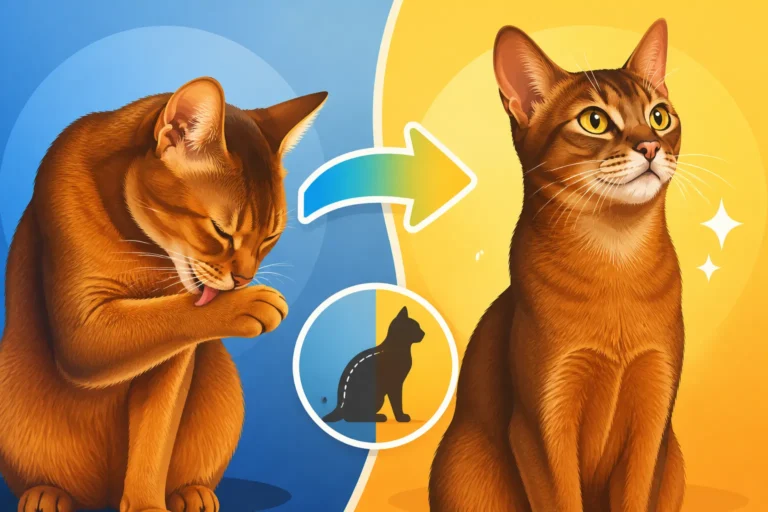
Abyssinians are meticulous groomers, just like most cats. As soon as they realize they're wet, their instinct kicks in to start licking themselves dry. Their rough tongues are surprisingly effective at removing moisture from their fur. Because their coat is so fine and lacks a dense undercoat, their self-grooming efforts are highly efficient. They don't have to work through layers of fluff; they can get right to the base of the hair.
This natural behavior means that even if you do nothing else, your Abyssinian will eventually dry themselves. However, helping them along with towels can reduce the time they spend feeling cold and uncomfortable, and it can also prevent them from ingesting too much water, especially after a bath where residual shampoo might be present (though you should always rinse thoroughly!).
Practical Tips for Drying Your Abyssinian
While Abyssinians are pretty self-sufficient in the drying department, there are definitely things you can do to make the process smoother, faster, and more comfortable for them.
Post-Bath Drying Techniques
After a bath, the primary goal is to remove as much standing water as possible without causing stress or damage to their delicate coat.
- Toweling is Your Best Friend: As soon as the bath is over, gently but firmly wrap your Abyssinian in a soft, absorbent towel. Microfiber towels work wonders for wicking away moisture. Don't rub vigorously, as this can tangle the fur and create static. Instead, blot and press the towel against their body, repeating with fresh, dry towels as needed. You'll be amazed at how much water comes off this way. Have a few towels ready, perhaps from a brand like Chewy's own line of pet towels or even a soft human bath towel, to swap out when one gets saturated.
- Gentle Air Drying: Once the excess water is out, allow your Abyssinian to air dry in a warm, draft-free room. As mentioned, good air circulation is key. You can offer a comfy bed or a warm blanket for them to burrow into. Abyssinians have fine coats and can get chilled easily when wet, so keep them away from cold drafts.
- Avoid Direct Heat: Resist the urge to use a hairdryer on anything but the absolute coolest setting, held far away, and with constant supervision. The noise can be terrifying for cats, and the heat, even on a low setting, can easily burn their delicate skin or cause overheating, especially given their lack of an insulating undercoat. If you absolutely must use one, ensure it's on a "cool" or "no heat" setting and move it constantly, never pointing it directly at one spot. It's generally best to avoid them altogether.
Dealing with Accidental Wetness
Sometimes, your Abyssinian just gets damp, not drenched. Maybe they misjudged a leap over a full sink, or perhaps a curious nose ended up submerged in a water glass. For these smaller incidents:
- Quick Blot and Release: Grab a dry towel and gently blot the wet area. Often, a minute or two of careful toweling is all it takes to remove enough moisture for their natural body heat and self-grooming to do the rest.
- Redirect to a Warm Spot: After a quick towel-off, encourage them to go to a sunny window perch or a heated bed. Their own body heat will quickly dry any residual dampness.
- Don't Overdo It: Unless they've gotten into something dirty, resist the urge to give them a full bath for minor wetness. Over-bathing can strip their skin of natural oils and cause irritation.
Keeping Your Abyssinian Warm While Drying
This is perhaps the most crucial consideration when your Abyssinian is wet. Their single, fine coat, while fantastic for quick drying, means they don't have the natural insulation of breeds with thick undercoats. When wet, they can lose body heat very rapidly, making them uncomfortable and potentially leading to a chill.
- Warm Room, Please: Always dry your Abyssinian in a warm room. Close windows and doors if necessary to maintain a comfortable temperature.
- Snuggle Time: Offer warm blankets, a soft pet bed, or even a lap to snuggle on while they dry. Your body heat can be very comforting and help the drying process along. Some cats appreciate being gently wrapped in a towel for a longer period, acting almost like a swaddle, which offers security and warmth. This is particularly important because Why a Coat With No Undercoat Leaves an Abyssinian Cold is a real concern for them.
- Monitor for Shivering: Keep a close eye on your Abyssinian for any signs of shivering or lethargy, which could indicate they're getting too cold. If you notice this, intervene immediately with more warmth and consider contacting your vet if they seem unusually distressed.
Common Misconceptions and What to Avoid
When it comes to drying any cat, and especially an Abyssinian, there are a few common pitfalls that can do more harm than good.
The Myth of the "Blow-Dry"
For many people, particularly those used to drying dogs, a hairdryer seems like the obvious solution. However, this is largely a myth and a bad idea for most cats, and Abyssinians are no exception.
- Noise Aversion: The vast majority of cats are absolutely terrified of the loud, whirring noise of a hairdryer. Forcing them to endure it can create severe anxiety, stress, and a lasting negative association with grooming, making future attempts nearly impossible.
- Risk of Burns: Even on a low or cool setting, the concentrated heat from a hairdryer can easily burn a cat's skin, which is much more delicate than human skin. With their minimal undercoat, Abyssinians have very little protection from direct heat. Burns can be serious, painful, and lead to skin infections.
- Over-Drying Skin: Excessive heat can also strip natural oils from their skin and coat, leading to dryness, flakiness, and irritation. It can also cause static electricity, which is uncomfortable for your cat and can make their fine fur feel brittle.
Stick to towels and ambient air drying. It’s safer, less stressful, and surprisingly effective for an Abyssinian.
Over-Grooming and Its Effects
While the topic here is drying a wet Abyssinian, it ties into the broader subject of coat care. Some owners, perhaps overly enthusiastic, might be tempted to brush, comb, or even bathe their Abyssinian more frequently than necessary, especially if they associate "wet" with "dirty."
- Natural Oils are Precious: An Abyssinian's coat relies on its natural oils to stay healthy, shiny, and repel minor dirt. Over-bathing, even with gentle cat-specific shampoos, can strip these oils, leaving the coat dull and potentially irritating the skin.
- Brushing Needs: Abyssinians require minimal brushing – usually once a week with a soft rubber mitt or a fine-toothed comb is plenty to remove loose hairs and distribute oils. Over-brushing, especially with harsh tools, can damage the delicate hairs and irritate their skin. It's a fine line, and often, less is more. For more detail, you might want to read Why Over Grooming an Abyssinian Does More Harm Than None.
- Stress and Coat Health: Any grooming process that causes significant stress can also negatively impact a cat's overall health and the condition of their coat. A stressed cat might over-groom themselves, leading to bald spots or skin lesions. Keep drying and grooming sessions calm, positive, and brief.
Drying Time Comparison for Abyssinian Coats
Here's a general guideline for how long it might take an Abyssinian to dry under various circumstances, assuming a warm, comfortable room.
| Method of Wetting | Towel-Drying Effort | Environmental Factors | Estimated Drying Time (Full Dry) | Notes |
|---|---|---|---|---|
| Light Splash/Damp Fur | Minimal blotting | Warm, low humidity | 10-20 minutes | Mostly self-grooming and air. |
| Moderate Wetness | Thorough blotting with 1-2 towels | Warm, good air circulation, low humidity | 30-60 minutes | Towel removes bulk, rest is air and self-grooming. |
| Full Bath (Soaked) | Aggressive blotting with 2-3 towels | Warm, good air circulation, low humidity | 1-2 hours | Requires significant towel effort to get to merely damp before air drying finishes. |
| Full Bath (Soaked) | Minimal toweling | Cool, high humidity | 3-4+ hours | Not recommended, cat will be cold and uncomfortable for a long time. |
Ultimately, the Abyssinian's coat is a marvel of natural design. It’s beautiful, easy to care for, and incredibly efficient at shedding water. While a wet Abyssinian might look like a bedraggled little otter for a few minutes, you can rest assured that with a little help from a towel and a warm room, they’ll be back to their sleek, active selves in no time, ready to investigate whatever new mischief awaits. Just remember to be gentle, prioritize their comfort, and let their unique biology do most of the hard work. They're a resilient breed, and their quick-drying coat is just one more reason why we love them.
Disclaimer
This article is for general informational purposes only and does not constitute professional advice. Laws, prices and regulations vary by location and change over time. Consult a qualified professional for guidance on your specific situation.