Why Sun Fades an Abyssinian’s Coat
It's quite a common observation for Abyssinian owners to notice a subtle, or sometimes not-so-subtle, shift in their beloved cat's coat color over time. That vibrant, ticked coat, so characteristic of the breed, can sometimes start to look a little faded, particularly in areas frequently exposed to sunlight. This isn't just your imagination playing tricks on you; there's a real science behind why your Abyssinian's gorgeous fur might be losing some of its intensity. This guide will delve into the unique aspects of the Abyssinian coat and explain exactly why the sun can dull its beautiful hues.
The Unique Structure of the Abyssinian Coat
The Abyssinian coat isn't just pretty to look at; it's a marvel of feline genetics and a key identifier of the breed. Understanding its structure is the first step to understanding why it reacts to sunlight the way it does. It's truly unlike many other cat coats you might encounter.
Understanding the Ticking Pattern
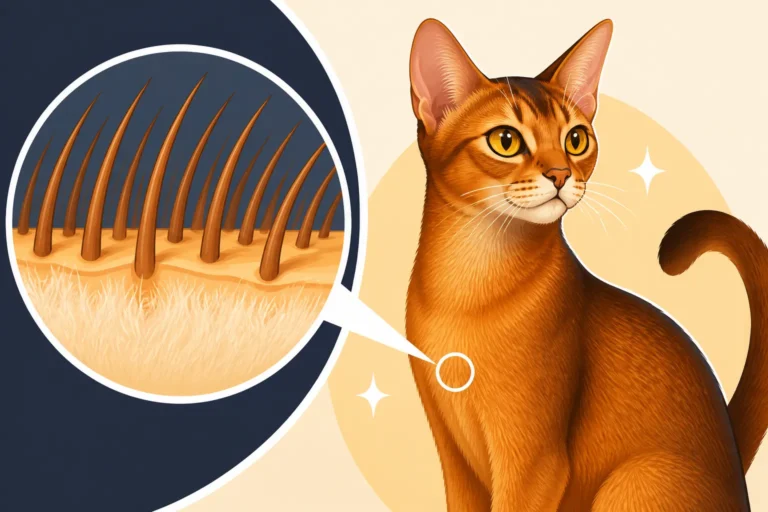
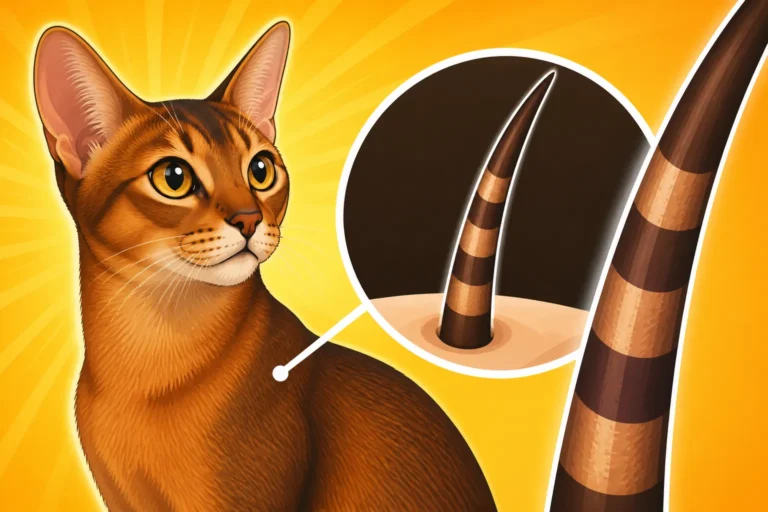
What really makes an Abyssinian's coat stand out is its distinctive ticking pattern, often described as "agouti." Unlike a tabby, which has stripes or blotches of color, an Abyssinian's coat doesn't show any discernible bars or rings on its body, legs, or tail. Instead, each individual hair shaft is banded with two, three, or even four alternating light and dark colors. Imagine a tiny barcode on every single hair – that's essentially what's happening. The base of the hair is usually lighter, with bands of color leading up to a darker tip. When you look at an Abyssinian, you're seeing thousands of these individually banded hairs creating a shimmering, dynamic effect. This intricate layering of pigment is what gives the coat its depth and characteristic glow, particularly when the cat moves. The Ticked Coat Is the Whole Abyssinian Grooming Job
This unique structure also means the Abyssinian has very little to no undercoat. Most cats have a dense layer of fine, soft hair close to their skin, providing insulation and adding bulk to their fur. Abyssinians, however, primarily have guard hairs, which are the coarser, longer, and more pigmented hairs. This lack of a thick undercoat is why their fur lies so close to their body, giving them that sleek, elegant silhouette, and why they often feel surprisingly warm to the touch despite their thin appearance. It also plays a role in how they shed – or rather, how little they seem to shed compared to other breeds, as there's simply less fur overall to drop. The fineness and singular nature of this coat mean there's less material to protect the underlying pigment from external factors.
How the Coat Reacts to Light and Environment
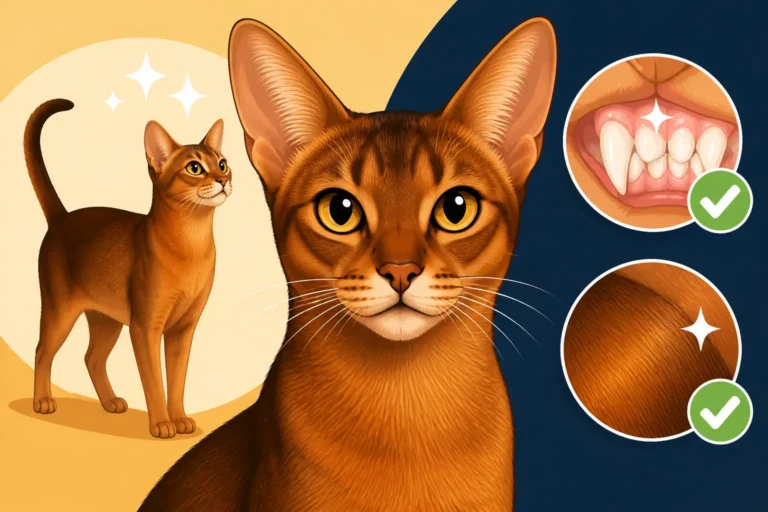
The shimmering quality of an Abyssinian's coat is truly something to behold. As light hits those individually banded hairs, it creates an optical illusion of movement and depth, making the cat look almost lit from within. This effect is most pronounced on a healthy, well-maintained coat, where the pigment is rich and the hair shafts are smooth and reflective. Each movement causes the light to catch different bands, making the coat appear to change color as they walk or play. It’s part of their wild cat charm, lending them an aura of untamed beauty.
However, this delicate structure also means the coat can be quite susceptible to environmental factors, especially strong light. Think of it like a finely woven tapestry – beautiful and intricate, but potentially vulnerable to harsh elements. The very qualities that make the Abyssinian coat so stunning also make it sensitive. Because the ticking relies on the integrity of the pigment bands along each hair, anything that degrades or alters these pigments can have a visible impact on the overall appearance of the coat. This includes not just fading but also potential dullness or coarseness if the hair itself becomes damaged. Maintaining its luster often comes down to careful management of their environment and a good diet.
The Science Behind Sun-Induced Fading
So, you've noticed your gorgeous Ruddy Abyssinian's coat is looking a bit more "golden" or "washed out" than it used to be, or your beautiful Blue Abyssinian seems to have lost some of its cool, smoky depth. It's not imaginary, and it's not a sign of poor health in itself, but a natural consequence of light exposure on delicate pigments.
UV Radiation and Pigment Breakdown
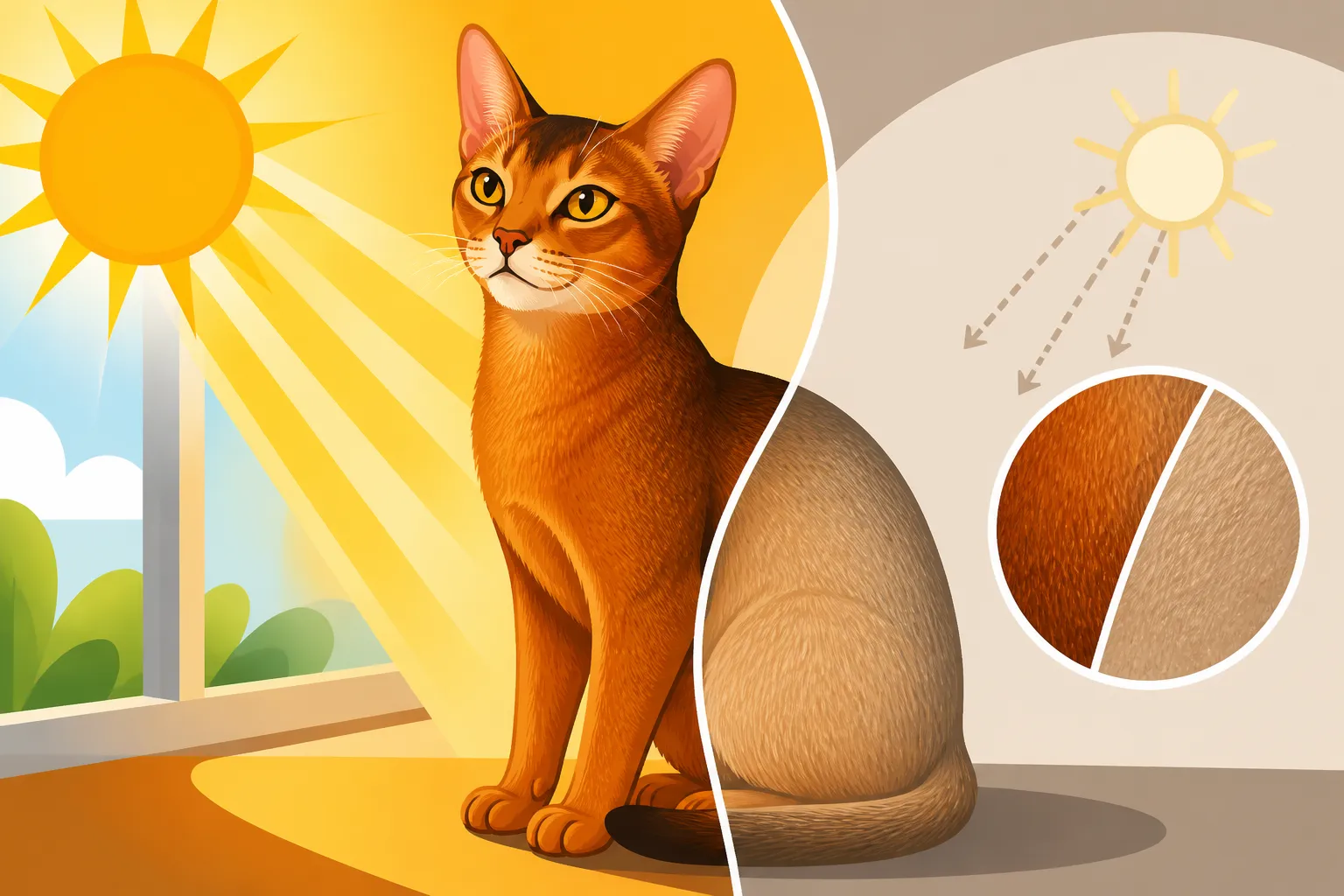
The primary culprit behind coat fading is ultraviolet (UV) radiation from the sun. Just like how human hair can lighten or develop "sun-kissed" streaks after prolonged exposure, a cat's fur, particularly one with the fine, richly pigmented ticking of an Abyssinian, is affected by UV rays.
Here's the science bit: a cat's fur color is determined by pigments called melanin. There are two main types:
- Eumelanin: This pigment produces black and brown colors. In an Abyssinian, eumelanin is responsible for the darker bands in a Ruddy (black-based) or Blue (dilute black) coat, and the rich reddish-brown in Sorrel (red-based).
- Pheomelanin: This pigment produces red and yellow colors. It contributes to the warm tones in all Abyssinian colors, especially prominent in Sorrel, and the lighter bands of the ticked pattern.
When UV radiation penetrates the hair shaft, it causes a chemical reaction that breaks down these melanin pigments. Essentially, the UV light oxidizes the pigment molecules, altering their chemical structure and making them less effective at absorbing and reflecting light at their original wavelengths. This degradation leads to a loss of color intensity. The process isn't instant; it's cumulative, meaning that regular, prolonged exposure over weeks and months will gradually erode the richness of the coat's natural color. It's a slow but steady change, often noticed most when comparing current photographs to those from a year or two prior.
Why Ticked Coats Show Fading More Prominently
You might wonder why Abyssinians seem to be more prone to visible sun fading compared to, say, a solid black cat. It all comes back to that unique ticked pattern and the absence of a dense undercoat.
Because each Abyssinian hair has multiple bands of light and dark pigment, the fading process becomes particularly noticeable. The darker, more vibrant tips and bands of color are often the first to bear the brunt of UV exposure. As these darker pigments break down, the lighter, underlying bands of pheomelanin become more prominent. This doesn't just lighten the coat; it often shifts the perceived hue. For instance, a rich Ruddy Abyssinian might start to look more "reddish" or "ginger" as the black eumelanin fades, leaving the pheomelanin more exposed. A Blue Abyssinian might appear more silvery or even a very pale beige.
The lack of a heavy undercoat also means there's less "buffer" to protect the hair shafts. In breeds with thick, double coats, the outer guard hairs might show some fading, but the dense undercoat beneath can still maintain its original color, helping to mask the change. Abyssinians don't have this luxury. Their single, fine coat means that once the outermost layer of pigment starts to degrade, the effect is immediately visible, impacting the entire appearance of their fur. It's a testament to the delicate beauty of their coat that these subtle changes are so easily observed.
Preventing and Managing Coat Fading
While you can't completely stop the natural process of wear and tear on a coat, there are definitely steps you can take to minimize sun-induced fading and keep your Abyssinian looking their magnificent best. It’s all about a bit of thoughtful care and environmental management.
Limiting Direct Sun Exposure
This might seem obvious, but it's the most effective strategy. Abyssinians love warmth and sunshine, and they'll naturally seek out the brightest, sunniest spots in your home. Who can blame them? But direct, prolonged exposure, especially during peak daylight hours (roughly 10 AM to 4 PM), is where most of the UV damage occurs.
- Indoor Cats: Keeping your Abyssinian strictly indoors is already a huge step towards preventing fading, as it limits their exposure to the most intense outdoor UV rays. Why an Indoor Abyssinian Reaches Fifteen More Often
- Window Management: Observe where your cat naps during the day. If they're regularly basking in a sunbeam streaming through a window, consider drawing curtains, closing blinds, or even installing UV-filtering window film. These films can block a significant percentage of harmful UV rays without blocking all the light, so your cat can still enjoy a bright room without the intense damage.
- Catios and Supervised Outdoor Time: If you have a catio or allow supervised outdoor time, try to schedule it for earlier mornings or late afternoons when the sun's intensity is lower. Providing ample shade within a catio is also crucial. A good catio will offer multiple levels of platforms, tunnels, and shady spots for them to retreat to, protecting them from both sun and potential predators.
Nutritional Support for Coat Health
A healthy coat starts from within, and nutrition plays a critical role in maintaining the strength, shine, and pigment integrity of your Abyssinian's fur. Think of it as supplying the building blocks and protection from the inside out.
- High-Quality Protein: Hair is primarily made of protein, so a diet rich in high-quality animal-based protein is essential for strong, healthy hair growth. Look for cat foods where meat is the first ingredient, and aim for a high protein percentage.
- Essential Fatty Acids: Omega-3 and omega-6 fatty acids are crucial for skin and coat health. These fats help maintain the skin's barrier function, reduce inflammation, and contribute to a shiny, resilient coat. Sources include fish oil, flaxseed oil, and certain animal fats. Many premium cat foods incorporate these vital nutrients to promote overall feline health, including a vibrant coat. If your cat's food doesn't have enough, your vet might recommend a supplement.
- Vitamins and Minerals: A balanced diet ensures your Abyssinian receives all the necessary vitamins and minerals that support healthy cell function, including those involved in pigment production and hair growth. Biotin, zinc, and Vitamin E are particularly important for skin and coat. Always choose a complete and balanced cat food appropriate for their life stage.
While nutrition won't reverse existing fading, it will support the growth of new, healthy, richly pigmented hair and help existing hair resist environmental stressors more effectively.
Gentle Grooming to Maintain Luster
While grooming won't prevent the sun from fading the pigment in the hair shafts, it plays a vital role in maintaining the overall health and appearance of your Abyssinian's coat. A healthy coat is more resilient and reflects light better, making it appear more vibrant even if some subtle fading has occurred.
- Regular Brushing: Abyssinians don't need extensive grooming due to their single, fine coat, but a weekly brush can work wonders. Use a soft rubber grooming mitt or a fine-toothed comb to gently remove loose hairs and distribute natural skin oils. This helps keep the coat clean, stimulates circulation, and enhances its natural sheen. An Abyssinian Needs Brushing Once a Week and No More Avoid harsh brushes or de-shedding tools designed for double-coated breeds, as these can damage the delicate ticking. Many online retailers like Amazon and Chewy offer a variety of suitable grooming mitts specifically designed for short-haired cats.
- Finishing Touches: After brushing, you can sometimes use a chamois cloth to gently buff the coat. This can bring out an incredible shine and make the colors appear more intense by smoothing down the hair shafts and enhancing light reflection. It’s a trick many show breeders use to make their Abyssinians really pop in the ring.
- Observation: Regular grooming sessions are also a great opportunity to inspect your cat's skin and coat for any changes, such as dry patches, excessive shedding, or dullness that might indicate underlying health issues. Catching these early can help ensure your Abyssinian stays in top condition.
By combining reduced sun exposure, a top-notch diet, and a consistent, gentle grooming routine, you can give your Abyssinian the best chance at maintaining their stunning, richly colored coat for as long as possible. Their vibrant fur is a hallmark of the breed, and a little proactive care goes a long way.
Understanding Coat Fading in Different Abyssinian Colors
The Abyssinian breed is celebrated for its four recognized colors, each with its unique pigment composition. While all colors can experience sun-induced fading, the visual effect of this fading can vary significantly depending on the base color. It’s fascinating how the same process can manifest so differently!
Ruddy Abyssinians: From Rich Brown to Warm Red
The Ruddy Abyssinian is often considered the "original" color, the one most people associate with the breed. It features a rich, warm reddish-brown base color, with individual hairs ticked with black. The overall effect is a vibrant, earthy tone that can range from a deep copper to a brighter, almost burnt orange. The black ticking provides depth and contrast, making the coat truly dynamic.
When a Ruddy Abyssinian's coat is exposed to prolonged sunlight, the black eumelanin pigment in the ticking is the most susceptible to breakdown. As this darker pigment fades, the underlying red pheomelanin becomes more prominent. This often results in the Ruddy coat appearing much redder or more "gingery" than its original rich brown. Instead of the deep, contrasting ticking, the coat might take on a more uniform, lighter red hue, losing some of its characteristic depth. It can sometimes make the cat appear to have less ticking, or simply a duller version of their original vibrancy.
Sorrel Abyssinians: Losing the Deep Copper
Sorrel Abyssinians are often described as having a cinnamon or reddish-chestnut coat. Here, the ticking is a rich chocolate or cinnamon brown, paired with bands of deep apricot or red. There’s no black pigment present in a Sorrel cat’s coat; it's entirely pheomelanin-based, which gives it that distinctive warm, reddish-brown appearance.
Because Sorrel coats are already rich in red pheomelanin, the fading process tends to make them appear even lighter and more washed out, often shifting towards a paler apricot or even a lighter tan. The deep, warm tones that define a Sorrel can become less intense, losing their saturation. While the color shift isn't as dramatic as a Ruddy becoming distinctly redder, the overall impression is one of a paler, less vibrant coat. The individual ticks might lose their sharpness, blending more into the lighter base color as the pigment degrades evenly across the hair shaft.
Blue Abyssinians: From Slate to Silvery-Grey
Blue Abyssinians are truly stunning, showcasing a soft, silvery-blue or slate-grey coat with individual hairs ticked with a deeper blue or slate color. This color is a dilute version of Ruddy, meaning the black pigment is present but is expressed in a less concentrated form, resulting in the soft blue hue.
When a Blue Abyssinian's coat fades in the sun, it typically lightens significantly, often taking on a more silvery-grey or even a dusty beige appearance. The delicate blue tones can be quite fragile, and as the dilute black pigment breaks down, the underlying lighter bands become much more pronounced. This can make the cat look almost ghosted or desaturated compared to their original soft, smoky blue. The contrast between the ticks and the base color diminishes, leading to a much more muted, almost uniform lighter grey. It’s a shame to see that beautiful slate color soften into something less striking.
Fawn Abyssinians: Becoming Almost Cream
Fawn Abyssinians are the palest of the four recognized colors, a dilute version of Sorrel. Their coats are a warm, creamy beige or fawn color, with individual hairs ticked with a slightly darker, mushroom-brown or rose-beige. Like the Sorrel, there is no black pigment in their coat, only dilute red/yellow pigments.
Sun fading on a Fawn Abyssinian can be particularly noticeable because the starting color is already so light. As the dilute pheomelanin pigments break down, the coat can become even paler, often shifting towards an almost white or cream color. The subtle contrast of the ticking can disappear almost entirely, leaving a coat that appears very uniform and significantly lighter than its intended warm fawn. What was once a delicate, ethereal fawn can transform into a much less defined, very pale cream, losing much of its unique hue and depth. Why a Fawn Abyssinian Is the Palest of the Four
Fading is a natural consequence of light interacting with organic pigments, but understanding why and how it affects each color can help owners appreciate the changes and take steps to protect their beautiful Abyssinian's coat.
Practical Tips for Protecting Your Abyssinian's Coat
Knowing the science is one thing, but what can you actually do to help preserve that beautiful Abyssinian coat? It’s often a combination of environmental adjustments and consistent care, ensuring your feline friend remains vibrant and healthy.
Creating a Sun-Safe Environment
Your home is your Abyssinian's castle, and by making a few simple modifications, you can significantly reduce their exposure to harmful UV rays. This doesn't mean making your home a dungeon; it means smart light management.
- Window Films: Consider installing UV-filtering window films on windows where your Abyssinian loves to bask. These films are often clear, so they won't significantly block natural light or alter the appearance of your windows, but they can dramatically reduce UV penetration. This way, your cat still gets to enjoy their favorite sunny spot, but with built-in protection. They are surprisingly effective and can be a good investment, particularly for south-facing windows.
- Strategic Shade: If you have a catio or allow your Abyssinian supervised outdoor access, ensure there are always shady retreats available. This could be a small cat house, a dense bush, or even a patio umbrella. Abyssinians, being smart and heat-seeking, will often choose the sunniest spot, so providing an equally appealing shaded option is key. Think about placing a cozy bed or a favorite perch in a consistently shady area.
- Curtains and Blinds: During the strongest parts of the day, from late morning to mid-afternoon, simply closing curtains or blinds in frequently used rooms can make a big difference. You don't have to keep them shut all day, but for a few hours, it can significantly cut down on the UV assault on their coats. Sheer curtains can still allow light in while offering a layer of diffusion.
Dietary Adjustments for Optimal Coat Health
As we discussed, a healthy coat starts from within. Beyond simply buying "good quality" food, focusing on specific nutrients can provide that extra layer of protection and ensure new hair growth is as strong and vibrant as possible.
- Omega Fatty Acid Boost: Look for foods that specifically highlight omega-3 and omega-6 fatty acids, or consider adding a vet-approved supplement. Fish oils, like salmon or sardine oil, are excellent sources of omega-3s. These fats not only help keep the coat shiny and soft but also contribute to overall skin health, which is the foundation of healthy fur. Many cat-specific supplements are palatable and easy to administer directly or mixed with food.
- Antioxidants: Foods rich in antioxidants (like Vitamin E and C) can help combat oxidative stress, which contributes to the breakdown of pigments. These are often found in high-quality cat foods that include fruits and vegetables, though always in appropriate, small amounts for obligate carnivores. Antioxidants work at a cellular level to protect against environmental damage, including from UV radiation.
- Hydration: Ensuring your Abyssinian is well-hydrated is also surprisingly important for coat health. Well-hydrated skin and hair are more supple and resilient. Encourage water intake with fresh water bowls, filtered water fountains, and a diet rich in wet food. Why Wet Food Protects an Abyssinian's Kidneys
Grooming Practices to Enhance Shine
While brushing won't prevent fading at a cellular level, it dramatically improves the appearance of the coat and can make any fading less noticeable by enhancing overall luster.
- Gentle Brushing Routine: Stick to a weekly or bi-weekly routine with a soft brush or grooming mitt. This isn't just about removing loose hair; it also distributes natural oils from their skin throughout the coat, conditioning each hair shaft. A well-conditioned coat reflects light beautifully, giving it a healthy sheen. How a Chamois Brings Up an Abyssinian's Shine Brands like Chewy or Amazon offer excellent soft rubber brushes that are perfect for an Abyssinian's short, fine coat.
- Avoid Harsh Products: Steer clear of shampoos or conditioners not specifically formulated for cats, as these can strip natural oils or leave residues that dull the coat. If your Abyssinian truly needs a bath (which is rare for them!), use a gentle, moisturizing cat-specific shampoo. Follow up with a good rinse to ensure no residue is left behind.
- Regular Health Checks: During your grooming sessions, take the opportunity to give your Abyssinian a good once-over. Check their skin for any dry patches or flakiness, which could indicate a need for dietary adjustments or a vet visit. A dull or coarse coat can sometimes be a sign of underlying health issues, so vigilance is key. Caring for an Abyssinian Whose Ticking Has Gone Coarse
By integrating these practical tips into your daily routine, you'll not only help protect your Abyssinian's gorgeous coat from sun fading but also contribute to their overall health and well-being. It's a small effort for such a rewarding outcome – a happy, healthy cat with a stunning coat that shines as brightly as their personality.
Disclaimer
This article is for general informational purposes only and does not constitute professional advice. Laws, prices and regulations vary by location and change over time. Consult a qualified professional for guidance on your specific situation.