What Red Gums Mean in an Abyssinian Kitten
There's nothing quite as heart-stopping for an Abyssinian owner as spotting something amiss with their vibrant, energetic kitten. One moment they're zipping around like a furry comet, the next you catch a glimpse inside their mouth and see a worrying flash of angry red along their gum line. It's a common concern, and it can be especially confusing when your kitten seems otherwise healthy. This guide is here to shed light on what those red gums might signify in your precious Abyssinian kitten, why it happens, and most importantly, what steps you need to take to protect their oral health and overall well-being.
Understanding "Red Gums" in Your Abyssinian Kitten: More Than Just a Little Redness
When you first bring home an Abyssinian kitten, every little detail about them becomes fascinating. Their ticked coat, their enormous ears, their bright, alert eyes—you soak it all in. But a crucial part of their health, one often overlooked until a problem arises, is their mouth. A quick peek inside can reveal a lot, and if you're seeing redness, it's a clear signal that something needs your attention.
The Normal Pink: What Healthy Kitten Gums Should Look Like
Let's start with the ideal. A healthy Abyssinian kitten's gums should be a lovely, uniform pale pink color. Think of the inside of your own eyelid – that kind of healthy, soft hue. They should appear smooth and firm, hugging snugly around each tooth, with no swelling or ragged edges. There shouldn't be any offensive smell, and the breath should be relatively neutral, certainly not foul or metallic. When you gently press on a healthy gum, the color should momentarily blanch (turn paler) and then quickly return to that normal pink within a second or two. This indicates good blood flow.
Abyssinians are incredibly active and engaging creatures, constantly exploring and playing. Their high energy and boundless curiosity can sometimes make it easy to miss subtle changes in their health. They might just seem a little less enthusiastic about a certain toy, or perhaps they’re a tiny bit more irritable than usual, signs that can easily be dismissed as normal kitten antics when in fact they might be stemming from discomfort in their mouth. It’s why those regular, quick checks of their mouth are so vital, even when they’re purring up a storm and scaling the highest cat tree.
Why Redness is a Red Flag: The Basics of Gingivitis in Young Cats
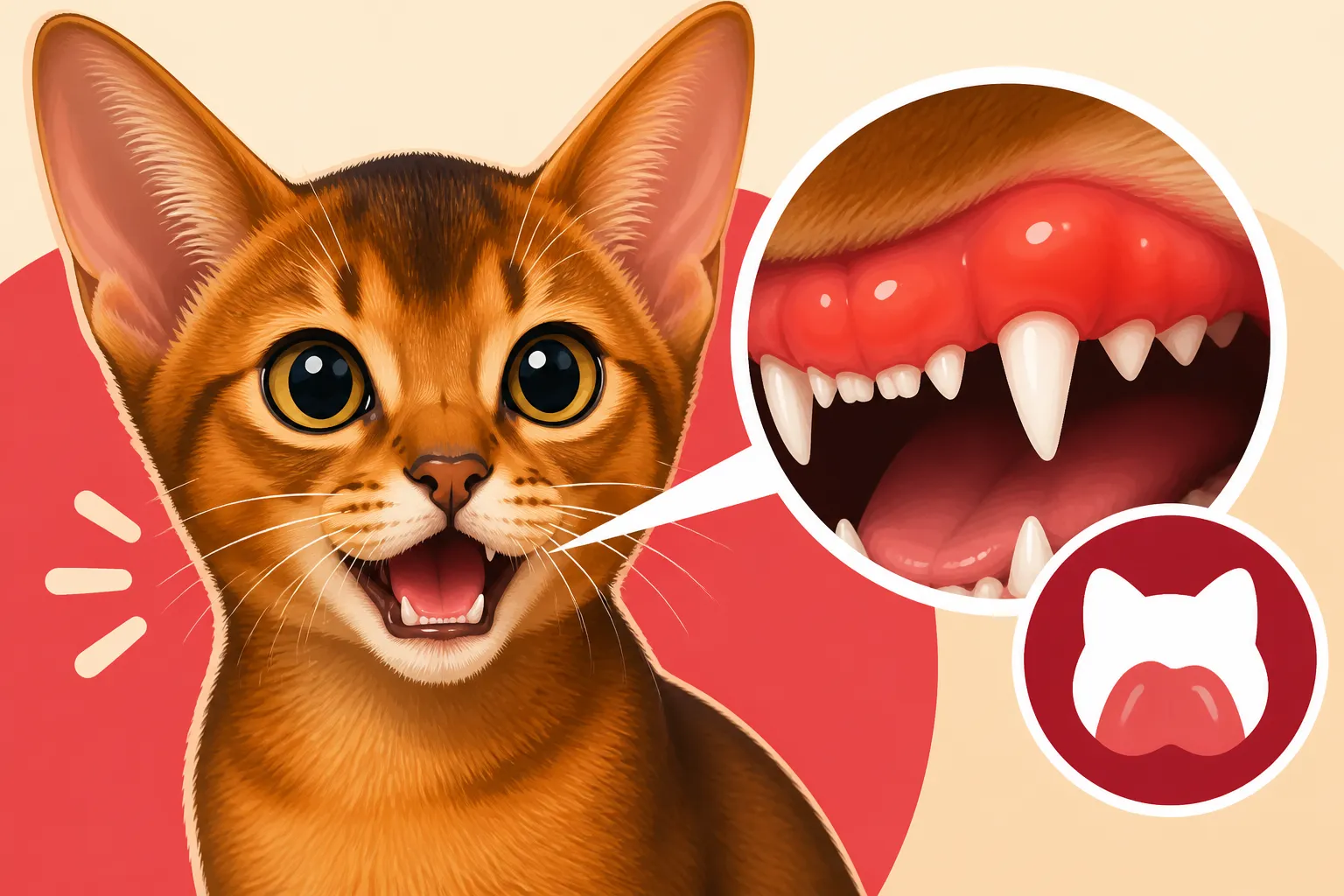
Now, let's talk about the dreaded redness. If you see gums that are brighter pink, red, or even purple-red, especially along the edges where they meet the teeth, your kitten is likely experiencing gingivitis. This is essentially inflammation of the gum tissue, and its primary cause is the buildup of bacterial plaque on the tooth surfaces. Just like in humans, bacteria in the mouth mix with saliva and food particles to form a sticky film. If this film isn't regularly removed, it hardens into tartar, and both plaque and tartar irritate the gums, leading to inflammation.
While any cat can develop gingivitis, Abyssinians, unfortunately, have a well-documented genetic predisposition to a particularly aggressive form known as juvenile gingivitis. This isn't just a minor annoyance; it's a serious condition that can take hold surprisingly early in their lives, often right as their adult teeth are coming in around six months of age. You might notice your kitten becoming more withdrawn or reluctant to engage in play, or perhaps they start to chew on one side of their mouth to avoid discomfort. This breed's specific susceptibility means that prevention and early detection are absolutely paramount, far more so than in many other breeds. Understanding How Juvenile Gingivitis Starts in an Abyssinian Kitten is a critical first step for any owner.
The Specific Challenge: Juvenile Gingivitis in Abyssinians
It’s easy to feel a pang of guilt when your kitten develops a health issue, but with juvenile gingivitis in Abyssinians, it’s important to understand that this isn’t typically a reflection of poor care. Rather, it’s often a battle against their own genetic makeup. Abyssinians are special, and sometimes that specialness comes with particular health quirks that we, as responsible owners, need to be aware of and proactively manage.
Why Abyssinian Kittens Are Prone to Early Gum Issues
The unfortunate truth is that Abyssinians, and some related breeds like Somalis, have a genetic tendency towards an exaggerated inflammatory response in their mouths. Their immune systems, for reasons not fully understood, sometimes overreact to the normal bacteria found in dental plaque. Instead of a mild, manageable inflammatory response, their gums can become severely inflamed and overgrown very quickly. It's a bit like their body's "alarm system" going off too loudly for a common intruder. This predisposition means that even with excellent home care, some Abyssinian kittens will still develop significant gum inflammation.
This process often begins right around the time their permanent teeth erupt, usually between four and seven months of age. The act of the new teeth pushing through the gums can be enough to trigger this heightened immune response in genetically predisposed individuals. You might think, "But my kitten is so young, how can they already have dental problems?" It’s a valid question, and it highlights why understanding Why Abyssinian Gum Trouble Starts at Six Months is so important. This isn't about years of neglect; it's about a specific vulnerability that manifests in kittenhood. It’s disheartening, but knowing this empowers you to be vigilant.
Recognizing the Early Signs Beyond Just Redness
While bright red gums are the most obvious sign, there are other, more subtle clues that your Abyssinian kitten might be struggling with oral discomfort. Abyssinians are stoic and clever at hiding pain, so you need to be a detective. Keep an eye (and nose!) out for indicators like persistent bad breath, which is never normal in a healthy kitten. You might also observe excessive drooling, or your kitten pawing at their mouth more frequently.
Changes in eating habits are another big one. Perhaps your normally ravenous Abyssinian suddenly approaches their food bowl with hesitation, or starts dropping kibble more often than usual. They might prefer softer wet food over crunchy kibble, even if they used to love it. This isn't just being finicky; it's a sign that chewing might be painful. For an active breed that burns through calories, any reluctance to eat is a serious concern. If you notice your energetic Abyssinian suddenly having trouble with their dry food, or dropping pieces as they try to chew, it could very well be that their inflamed gums are making every bite uncomfortable. For more insight into this particular symptom, consider reading Why an Abyssinian Kitten Stops Chewing Its Food.
The Difference Between Mild Gingivitis and Severe Overgrowth
It’s important to understand that gingivitis exists on a spectrum. At its mildest, it might just be a faint red line along the gum margin, perhaps with some slight swelling. This is reversible with professional cleaning and diligent home care. However, because of the Abyssinian's particular predisposition, their gingivitis can quickly escalate. We’re talking about a condition where the gum tissue doesn’t just swell a bit; it starts to actually overgrow and engulf the teeth. This is called gingival hyperplasia or hyperplastic gingivitis.
Imagine trying to chew when your gums are literally growing over parts of your teeth, creating pockets where food and bacteria can easily get trapped, worsening the inflammation. It’s incredibly painful and can lead to secondary infections, tooth decay, and ultimately, tooth loss if left untreated. This overgrowth can be quite dramatic, completely changing the appearance of your kitten's mouth and making eating a miserable experience. The process of How Overgrown Gum Tissue Buries an Abyssinian's Teeth is a stark illustration of how severe this condition can become, and why early intervention is so crucial.
Taking Action: What to Do When You See Red Gums
Seeing those angry red gums can be alarming, but panicking won’t help your Abyssinian kitten. What will help is swift, decisive action. This isn’t a wait-and-see situation; it’s a call to arms for your kitten’s oral health.
The Immediate Vet Visit: Why It Can't Wait
The absolute first thing you need to do when you notice red gums in your Abyssinian kitten is to schedule an appointment with your veterinarian – and make it a priority. Don't fall into the trap of thinking it's just "kitten breath" or that it will resolve on its own. Juvenile gingivitis can progress rapidly, and the sooner it's addressed, the better the outcome for your cat. Delaying treatment only allows the inflammation to worsen, potentially leading to more advanced stages that require more invasive and costly procedures.
When you bring your kitten in, your vet will perform a thorough oral examination. They'll assess the extent of the inflammation, look for any plaque and tartar buildup, and check for other anomalies. They might gently probe the gums to check for pockets around the teeth. In some cases, blood work might be recommended to rule out any underlying systemic health issues that could be contributing to the gum inflammation, although in young Abyssinians, juvenile gingivitis is the most common culprit. It's crucial to trust your vet's expertise and follow their recommendations closely, as they have the tools and knowledge to correctly diagnose the problem and establish an effective treatment plan.
Diagnosis and Initial Treatment Approaches
Once your vet has confirmed gingivitis, the primary treatment for significant inflammation almost always involves a professional dental cleaning under anesthesia. Yes, even for a kitten! This isn't just a routine brush; it allows the vet to thoroughly scale away all plaque and tartar, both above and below the gum line. Anesthesia is essential for this process, as it allows for a complete and stress-free cleaning, and X-rays can be taken to check for hidden problems under the gum line. Your vet might also prescribe a course of antibiotics to clear up any bacterial infections and anti-inflammatory medications to reduce the pain and swelling.
For those more severe cases where the gum tissue has started to overgrow, a procedure called a gingivectomy might be necessary. This involves carefully trimming away the excess gum tissue to expose the teeth and create a healthier gum margin. It sounds daunting, but it’s a necessary step to stop the progression and make home care possible. For a more detailed look at this procedure, you can read How a Vet Removes an Abyssinian's Excess Gum. Post-procedure, your vet will likely recommend a soft food diet for a period to allow the gums to heal, and you'll need to be extra diligent with any prescribed medications.
Long-Term Management: Preventing Recurrence and Maintaining Oral Health
Getting through the initial diagnosis and treatment is just the first step. For an Abyssinian kitten prone to juvenile gingivitis, long-term management is paramount to prevent recurrence. The cornerstone of this is daily home dental care, primarily tooth brushing. This might sound impossible with a wriggly kitten, but starting early and making it a positive, gentle experience can set you both up for success. Choose a soft, small toothbrush designed for cats, or even a finger brush, and use a veterinary enzymatic toothpaste that your cat will tolerate. Never use human toothpaste, as it can be toxic to cats.
Beyond daily brushing, regular veterinary check-ups are non-negotiable. Your vet will want to monitor your kitten’s oral health closely and may recommend more frequent professional cleanings than a cat without this predisposition – perhaps yearly or even every six months, depending on the severity of their condition. While dental treats, water additives, and oral gels can be adjuncts to your routine, they are absolutely no substitute for mechanical brushing and professional veterinary care. Think of them as supplemental support, not the main event. Establishing How to Start Grooming an Abyssinian Kitten with a focus on dental hygiene from the very beginning will be a huge advantage. You might also find helpful advice in Which Toothpaste Is Safe for an Abyssinian to ensure you're using the right product. To understand the ongoing commitment, consider How Often an Abyssinian Needs a Professional Clean.
Living with an Abyssinian Prone to Gum Issues
Embracing an Abyssinian with a predisposition to juvenile gingivitis means a commitment to proactive care. It's not a burden, but rather an opportunity to provide the best possible life for your beloved companion, ensuring they can eat, play, and purr without discomfort.
Diet and Nutrition for Sensitive Gums
When you have a cat with sensitive gums, diet plays a significant role, not just for their overall health, but specifically for their oral comfort. High-quality wet food is often recommended because it's softer on inflamed gums and contributes to better hydration, which is vital for kidney health in Abyssinians (a separate, but equally important, concern). Look for gentler options among the wide variety of excellent wet foods available. Look for foods with high meat content and minimal fillers.
While many believe dry kibble helps clean teeth, for cats with active gingivitis, hard kibble can actually be painful to chew and might even worsen inflammation by irritating sensitive gum tissue. If your Abyssinian is prone to gum issues, discuss the best type of diet with your vet. Avoid giving hard, crunchy treats or bones that could further aggravate their gums. Instead, opt for softer, chewable treats designed for dental health that are easier on their mouth. Remember, good nutrition supports overall immune function, which in turn can help your cat's body manage inflammation more effectively. Proper hydration is also key, and wet food significantly boosts water intake, which is critical given the Abyssinian's unique susceptibility to kidney issues; explore Why Wet Food Protects an Abyssinian's Kidneys for more on this.
The Importance of a Consistent Home Care Routine
I can't stress this enough: consistency is the secret weapon against recurring gingivitis in Abyssinians. Daily tooth brushing isn't just a suggestion; it’s a non-negotiable part of their long-term health plan. Even if it feels like a battle at first, with patience, positive reinforcement, and starting slow, most cats can learn to tolerate, and even enjoy, their dental routine. Make it a calm, regular part of your day, perhaps before a meal or a favorite play session, so your cat associates it with something good.
Beyond brushing, you need to be your Abyssinian’s keenest observer. Regularly examine their mouth (if they allow it without stress) and pay close attention to any changes in their eating habits, their breath, or their general demeanor. Is your energetic kitty suddenly less keen on chasing the laser pointer? Are they dropping food more frequently, as discussed in Why an Abyssinian Drops Food While Eating? These subtle shifts can be early indicators that their gums are flaring up again, allowing you to intervene before the problem becomes severe. Early detection through vigilant observation can prevent a lot of pain and more intensive veterinary procedures down the line.
When Surgery Becomes Necessary: Understanding Gingivectomy and Extractions
Despite the best efforts in home care and regular professional cleanings, some Abyssinians, due to their genetic predisposition, may still experience severe gingival overgrowth or persistent, painful inflammation. In these cases, surgical intervention, such as a gingivectomy, becomes necessary to restore oral health. As mentioned earlier, a gingivectomy involves carefully excising the overgrown gum tissue, allowing the teeth to be fully exposed and preventing food and bacteria from getting trapped in deep pockets. This procedure can dramatically reduce pain and inflammation, providing immense relief for your cat. For a more in-depth understanding, refer to What a Gingivectomy Involves for an Abyssinian.
In more advanced stages, especially if the chronic inflammation has led to irreversible damage to the tooth structure or surrounding bone, tooth extractions may be required. While losing teeth can sound scary, cats are incredibly adaptable and cope remarkably well after extractions, often eating more comfortably than they did with painful, diseased teeth. The goal is always to eliminate pain and infection. It's important to understand that comprehensive dental care, including potential surgical procedures, is a significant part of Abyssinian ownership. It's not uncommon for dental work to be the biggest line item in an Abyssinian’s yearly budget, a reality that’s highlighted in Why Abyssinian Dental Work Is the Biggest Line in the Budget. Being prepared for this financial commitment, perhaps through a dedicated savings fund or pet insurance, is a wise move for any Abyssinian owner.
Here's a quick comparison to help you differentiate:
| Feature | Healthy Abyssinian Gums | Gums with Gingivitis |
|---|---|---|
| Color | Pale pink, uniform throughout | Bright pink, red, or even purple-red, especially at gum line |
| Texture/Shape | Smooth, firm, tightly adherent to teeth | Swollen, puffy, sometimes ragged or bleeding easily |
| Odor | Mild, neutral breath | Foul, offensive "bad breath" |
| Kitten Behavior | Eats enthusiastically, chews without hesitation, active | Hesitant eating, dropping food, pawing at mouth, decreased energy |
| Sensitivity | No visible discomfort when mouth is gently examined | May flinch or show pain when mouth is touched |
| Plaque/Tartar | Minimal to none visible | Visible yellow/brown buildup on tooth surfaces |
Disclaimer
This article is for general informational purposes only and does not constitute professional advice. Laws, prices and regulations vary by location and change over time. Consult a qualified professional for guidance on your specific situation.