How to Feel an Abyssinian’s Waist Under Its Coat
It’s a common frustration for Abyssinian owners: you know your cat is active, full of boundless energy, and probably lean, but how do you really tell if they're at a healthy weight when their coat is so fine and their body is constantly in motion? Their sleek, athletic build can make it surprisingly tricky to spot subtle changes in their body condition. This guide will walk you through the practical, hands-on method to assess your Abyssinian’s waist and overall body condition, giving you peace of mind and an early warning system for potential health shifts.
The Abyssinian's Unique Physique and Why It Matters
Abyssinians are a breed unlike many others when it comes to their body shape and how they carry their weight. They possess a remarkable athleticism that can sometimes mask underlying issues, especially those related to their physique. Understanding their unique build is the first step in truly knowing if your Aby is thriving.
The Deceptively Lean Abyssinian Body Type
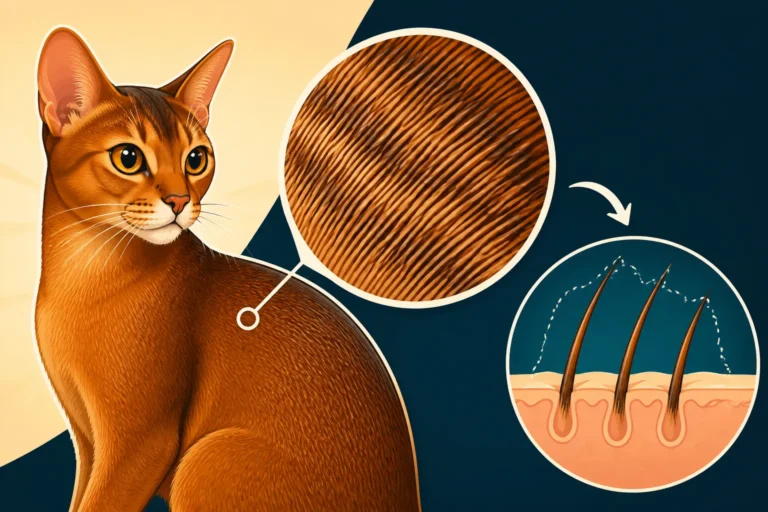
Imagine a miniature puma or a gazelle – that's often the image people conjure when thinking of an Abyssinian's build. They are inherently lithe, graceful, and incredibly muscular, with a body often described as "foreign" or "cobby-athletic" in cat show standards. Their bone structure is fine, but their muscles are dense and powerful, allowing them to perform astonishing leaps and bounds around your home. This sleek design, coupled with their short, close-lying ticked coat, means there's very little fluff to hide anything. While this sounds ideal for weight management, it actually makes it harder to see minor fluctuations.
A slight loss of weight, which might be obvious on a fluffier, less active cat, can go unnoticed in an Abyssinian until it becomes more significant. Their high metabolism and constant activity mean they burn calories at an incredible rate. So, while obesity is generally less of a concern for this breed, being underweight can creep up on an owner without clear visual cues. It's truly a testament to their evolutionary design that Why a Lean Abyssinian Hides Illness Longer Than a Heavy Cat, making a hands-on approach vital for their well-being. You might even find yourself second-guessing whether they're eating enough, simply because they always look so energetic.
Why Visual Cues Aren't Enough
We all love to admire our Abyssinians, watching them glide across a room or scale a cat tree with effortless grace. Their coats shimmer, highlighting their elegant lines, but this very beauty can be a blind spot. Looking at your Aby from above, you might try to spot that ideal "hourglass" figure, where their waist tucks in after their ribs. However, with an Abyssinian, that tuck-in can be pronounced even when they are slightly underweight, just due to their natural conformation.
Furthermore, Abyssinians are masters of distraction. Their playful antics, their chirps and trills, and their incessant desire to be involved in whatever you're doing can draw your attention away from a thorough visual assessment. They don't typically sit still for long periods, which makes it challenging to get a good, static view of their physique. Many owners have told me they've looked at their Aby and thought, "Oh, they look fine," only to later realize through a hands-on check that their beloved feline friend was either losing condition or, less commonly, putting on a little too much. Visual assessment alone often misses the early, crucial signs, which is why we need to get our hands on them!
Mastering the Art of Palpation: Feeling for the Waist and Ribs
When it comes to truly understanding your Abyssinian's body condition, your hands are your best tools. Palpation – the medical term for examining by touch – allows you to bypass the visual tricks and feel the underlying structure of muscle, bone, and fat. This isn't about rough handling; it's about a gentle, deliberate touch that builds a clearer picture of their health.
The Rib Cage Test: What You Should Feel
This is often the first point of contact for assessing body condition, and it's surprisingly simple once you get the hang of it. You want to feel for the ribs, but not just the bones themselves. What you're aiming for is the sensation of being able to feel them easily, yet with a thin, almost imperceptible layer of cushioning over them.
Here’s how to do it:
- Find a quiet moment: When your Abyssinian is relaxed, perhaps even purring while you're petting them. This isn't a wrestling match; it's a gentle inspection.
- Use your fingertips: Place the flats of your fingers, not your nail tips, along their side, just behind their front leg.
- Gently run your hand: Stroke your hand over their rib cage, applying just a slight amount of pressure. You should feel individual ribs distinctively, like running your fingers over a washboard covered with a thin blanket.
What does it mean if you feel something different?
- Too bony: If the ribs feel very sharp, prominent, and you can see them ripple clearly under the skin with almost no effort, your Abyssinian might be too thin. This could indicate that they are not getting enough calories, or worse, that they are unwell. This is a critical sign, as Why an Abyssinian's Weight Loss Is Never Minor.
- Too difficult to feel: If you have to press firmly to feel the ribs, and they feel indistinct or covered by a noticeable layer of flesh, then your Abyssinian might be overweight. While less common for the breed, it can happen, especially as they age or if their diet isn't properly managed. A healthy Abyssinian should have ribs that are easily palpable, providing a direct connection to their underlying frame. For more details, you can refer to How to Feel an Abyssinian's Ribs Under a Ticked Coat.
Locating the Waistline: The "Tuck Up"
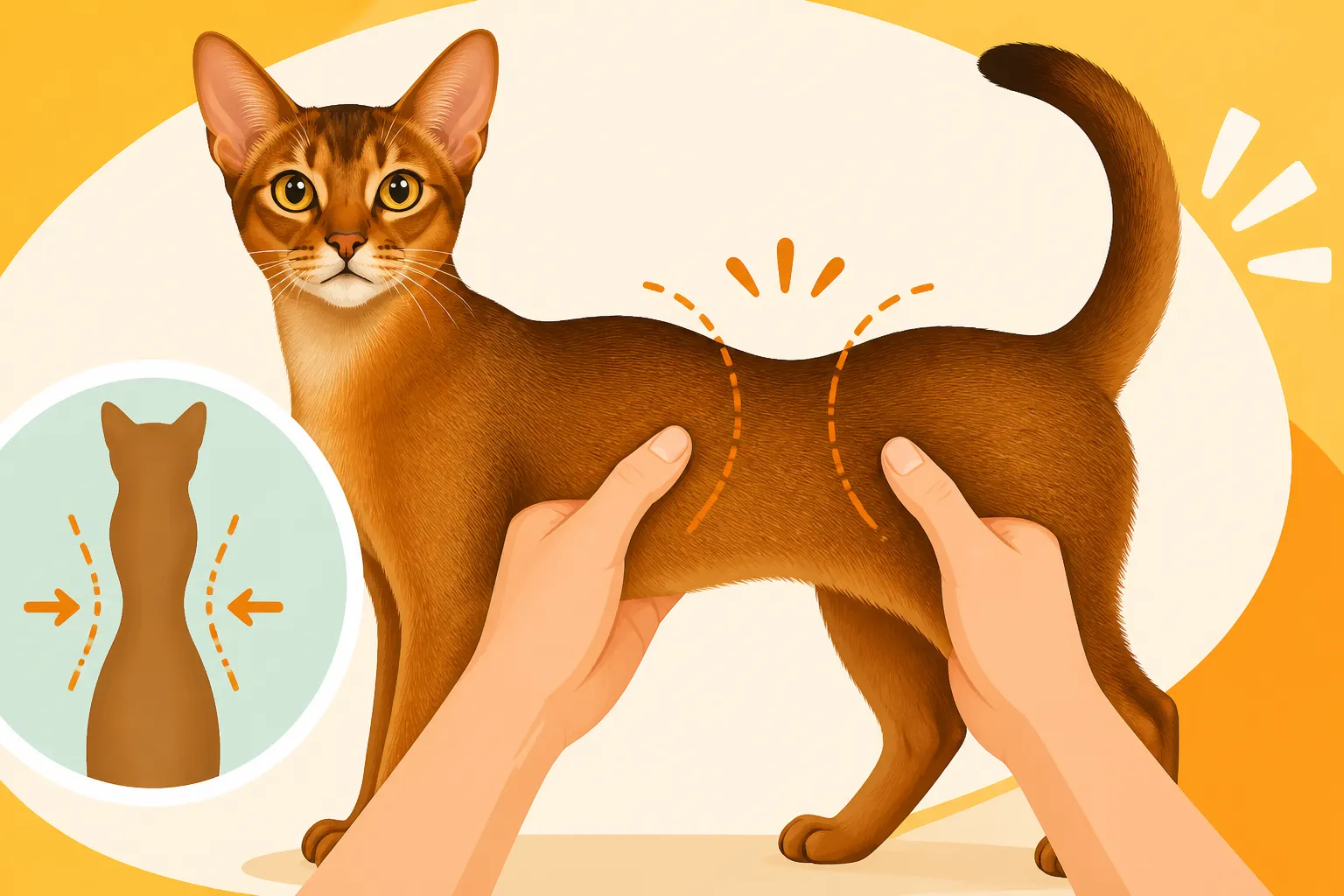
After the ribs, the next crucial area to assess is the waistline, often referred to as the "tuck up." This is the area just behind the rib cage, where the body narrows before flaring slightly over the hips.
To find and assess the waist:
- Move your hands back: After checking the ribs, slide your hands gently towards your Abyssinian's rear, just past the last rib.
- Feel for the indentation: With your cat standing or gently lying on their side, try to feel for an indentation. Imagine gently cupping their side with your thumb on one side and your fingers on the other, just behind the rib cage.
- Assess the curve:
- Ideal: You should feel a distinct, but not exaggerated, inward curve. There should be a noticeable difference in width between the rib cage and the waist.
- Too straight or bulging: If the waist feels straight, or worse, bulges out to be wider than the rib cage, your Abyssinian is carrying too much weight. This might feel like a continuous line from ribs to hips, rather than a clear indentation.
- Too sharp: Conversely, if the tuck-up feels extremely dramatic, almost hollow, and you can easily feel the individual vertebrae of the spine and hip bones without any cushioning, it's another indicator of being underweight. This can be particularly concerning for a breed that should maintain a lean, athletic muscle mass.
This assessment is complementary to the visual inspection from above, but far more accurate. Your hands can detect subtle shifts that your eyes, distracted by a magnificent ticked coat, might miss entirely.
Assessing the Spine and Hip Bones
Completing the tactile body condition assessment involves a quick check of the spine and hip bones. These areas provide additional checkpoints to confirm your overall impression.
-
The Spine: Run your hand along your Abyssinian's backbone, from their shoulders down to the base of their tail.
- Ideal: You should be able to feel the individual bumps of the vertebrae, but they shouldn't feel sharp or stick out prominently. There should be a thin layer of muscle and a slight padding of fat over them.
- Too prominent: If each vertebra feels very distinct, sharp, and easy to count, your Abyssinian is likely too thin. This is often a clearer indicator than the ribs in very lean cats.
- Difficult to feel: If the spine feels rounded and smooth, with the vertebrae hard to distinguish, it indicates excessive fat covering.
-
The Hip Bones: Move your hands to the top of your Abyssinian's hips, near the base of their tail.
- Ideal: You should be able to feel the hip bones with gentle pressure, but they should not protrude sharply or be visible without feeling. They should have a slight covering.
- Too prominent: If the hip bones are very easy to feel, sharp, and especially if they appear visually pointy, it’s a strong sign of being underweight.
- Difficult to feel: If you have to press deeply to locate the hip bones, they are likely covered by too much fat.
By combining the rib, waist, spine, and hip bone assessments, you get a comprehensive, hands-on understanding of your Abyssinian’s body condition. This holistic approach helps you monitor their health much more effectively than just glancing at them as they race by.
Interpreting Your Findings: When to Act
Understanding what you feel under your Abyssinian's coat is crucial, but knowing what those sensations mean for their health, and when to seek professional advice, is even more important. This tactile assessment isn't just a curiosity; it's a vital part of proactive care.
Understanding Body Condition Scores
Veterinarians often use a Body Condition Score (BCS) system to objectively assess a cat's weight. While there are 5-point and 9-point scales, the principles are the same: it’s about balancing fat, muscle, and bone structure. For an active, lean breed like the Abyssinian, understanding where they fall on this scale through touch is particularly insightful.
Here's a simplified guide based on tactile assessment:
| BCS (Simplified) | Description (Tactile) | What it means |
|---|---|---|
| 1-2 (Underweight) | Ribs, spine, hip bones very prominent, easily visible/felt. No fat cover. Waist is an extreme tuck-up, almost hollow. | Your Abyssinian is significantly underweight. This can be a sign of illness, inadequate food, or difficulty absorbing nutrients. Urgent vet consultation needed. |
| 3 (Ideal) | Ribs easily palpable with slight fat cover. Waist clearly visible and easily felt with a gentle tuck-up. Spine and hip bones felt with minimal pressure, no sharp protrusions. | This is the target. Your Abyssinian is lean, muscular, and at a healthy weight. Continue current feeding and exercise routines, but monitor regularly. What an Abyssinian Should Weigh at One |
| 4 (Overweight) | Ribs palpable but require more pressure. Waist less defined, slight tuck-up. Spine and hip bones difficult to feel without firm pressure. | Your Abyssinian is carrying excess weight. While not common for the breed, it can happen. Adjust diet portion sizes and increase activity. Vet advice is recommended to rule out other factors. |
| 5 (Obese) | Ribs, spine, hip bones very difficult to feel due to thick fat layer. No discernible waist; body shape is rounded or bulging. | Your Abyssinian is significantly overweight. This can lead to serious health problems. Immediate vet consultation for a diet and exercise plan is essential. |
For Abyssinians, a score of 3 is truly ideal. They are meant to be sleek and athletic, not padded. A lean, muscular cat is a healthy cat, especially one that loves to climb and jump.
Red Flags: When to Consult Your Vet
Your hands-on assessment can be a powerful early warning system. While a slight fluctuation might be normal, certain findings should always prompt a call to your veterinarian.
Consider these red flags during your palpation:
- Sudden or rapid weight loss: If your Abyssinian suddenly becomes significantly bonier over a short period, this is a serious concern. This can be a sign of various underlying health issues, from dental problems to kidney disease. Why an Abyssinian's Weight Loss Is Never Minor cannot be overstated. Abyssinians are so active that they can mask illness for a surprising amount of time, but rapid weight loss is a sign their body can no longer compensate.
- Difficulty feeling ribs or a loss of tuck-up: If you notice your Aby is becoming rounder, or their ribs are harder to feel, and their waist is disappearing, it's time to assess their diet and activity. While not an immediate emergency, unchecked weight gain can lead to problems later on.
- Lethargy combined with weight changes: If your usually boisterous Abyssinian is quieter, less energetic, and you notice a change in their body condition, do not delay a vet visit. This combination is particularly concerning.
- Any unusual lumps or bumps: While palpating, if you discover any new or unusual lumps, swellings, or areas of pain, these also warrant immediate veterinary attention.
Regular veterinary check-ups are always a good idea, even for seemingly healthy Abyssinians. They can help establish a baseline for your cat's weight and muscle condition, making it easier for you and your vet to spot deviations. What an Abyssinian's Annual Checkup Costs is an investment in their long-term health.
Maintaining an Ideal Abyssinian Weight
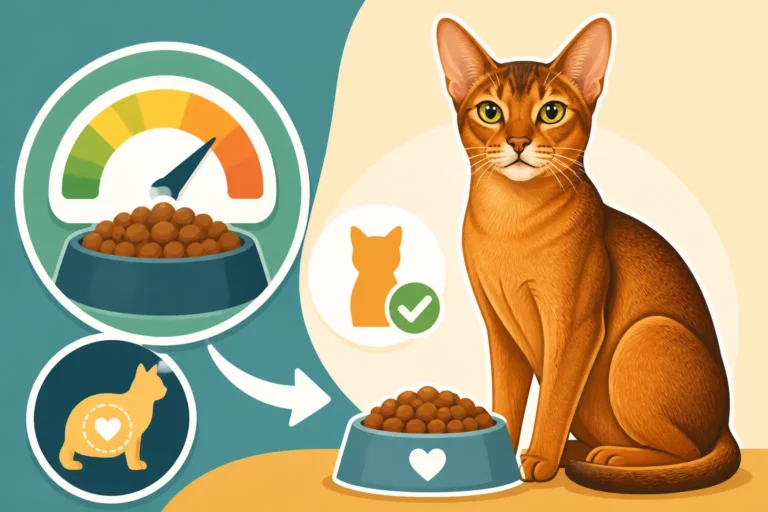
Once you've identified your Abyssinian's ideal body condition, the goal is to maintain it. Their high metabolism and energy levels mean they typically need a high-quality, protein-rich diet to fuel their adventures.
- High-Quality Diet: Focus on cat foods with a high meat content. Look for options where meat is the first ingredient, and carbohydrates are kept to a minimum. Brands available on platforms like Chewy or specialty pet stores often offer excellent choices tailored to active felines. Some owners even explore fresh food options, believing they support their Abyssinians' energy and lean muscle. Remember that Which Protein Level Keeps an Abyssinian's Muscle On directly impacts their athletic build.
- Portion Control: Even with a high metabolism, free-feeding can lead to overconsumption. Measure out their food according to the manufacturer's guidelines for their ideal weight and activity level, splitting it into two or three meals a day.
- Engaging Exercise: Abyssinians thrive on interaction and play. Daily play sessions with wand toys, laser pointers (used responsibly to avoid frustration), and fetch games are essential. These aren't just for fun; they're critical for maintaining muscle tone and burning off excess energy.
- Mental Stimulation: Don't forget their intelligent minds! Interactive puzzle feeders, readily available on platforms like Amazon, are fantastic for mental stimulation and can also slow down eating. Hiding treats or portions of their kibble around the house encourages their natural hunting instincts. Why an Abyssinian Rarely Gets Fat is largely due to their activity, but enrichment ensures they stay active.
- Hydration: Always ensure fresh water is available. Abyssinians, like all cats, benefit from good hydration, which can be further supported by incorporating wet food into their diet.
By regularly performing this hands-on check, consulting your vet when needed, and providing a diet and lifestyle that supports their incredible energy, you'll ensure your Abyssinian maintains their magnificent, athletic physique and enjoys a long, healthy life as your active companion.
Disclaimer
This article is for general informational purposes only and does not constitute professional advice. Laws, prices and regulations vary by location and change over time. Consult a qualified professional for guidance on your specific situation.