Which Litter Texture an Abyssinian Will Not Refuse
One of the most perplexing and utterly frustrating challenges any cat owner can face is when their beloved feline suddenly decides the litter box is no longer to their liking. This isn't just about a messy floor; it's a huge red flag that something is amiss, and for an intelligent, sensitive Abyssinian, the texture of their litter can be a surprisingly critical factor. This comprehensive guide will walk you through understanding why litter texture matters so much to your Abyssinian, explore various options, and help you find the perfect substrate to keep them happy, healthy, and using their box consistently.
Understanding Your Abyssinian's Unique Litter Preferences
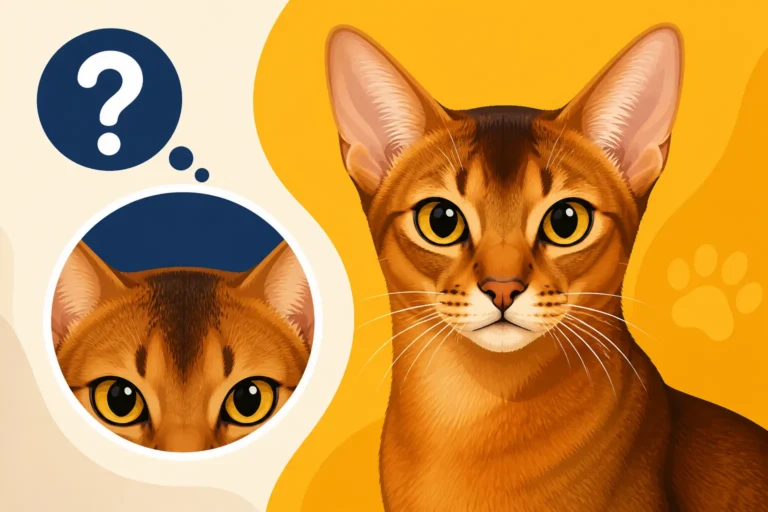
Abyssinians are known for their lively personalities, keen intelligence, and often, a surprising degree of sensitivity. These traits extend to their environment, and yes, even to something as seemingly mundane as their litter. What might seem perfectly fine to us can be a major source of discomfort or aversion for an Abyssinian. They’re not just being finicky; there are genuine reasons why certain textures might trigger a refusal.
The Abyssinian's Sensitive Paws
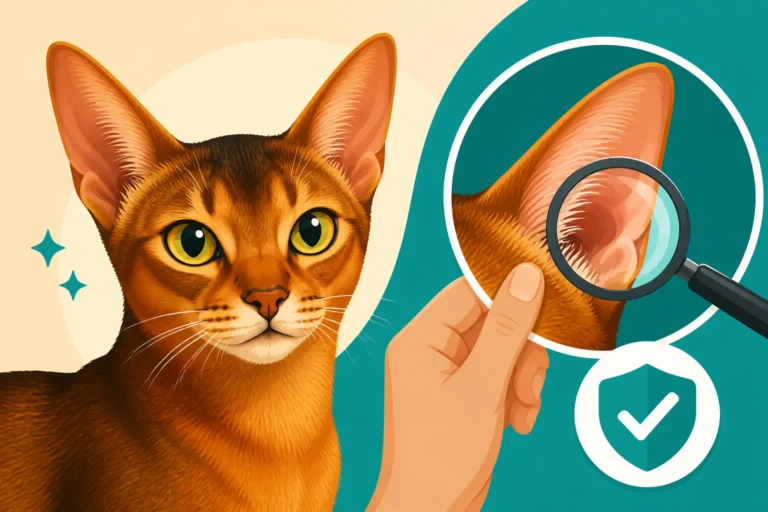
Think about those elegant, nimble paws your Abyssinian uses to climb every available surface and bat at toys with such precision. Those paws are incredibly sensitive. Unlike some other breeds with thicker paw pads or a more robust constitution, an Abyssinian's paws are delicate. A litter texture that feels rough, sharp, or even too fine and dusty can be genuinely unpleasant for them to walk on, let alone dig in. Imagine walking barefoot on a surface that irritates your skin every time; that's what a "bad" litter can feel like for your Abyssinian. This sensitivity often means they prefer something soft, fine, and gentle underfoot. Coarse, crystal litters, or those with sharp-edged granules, are often the first to be rejected by an Abyssinian.
Their Pristine Grooming Habits
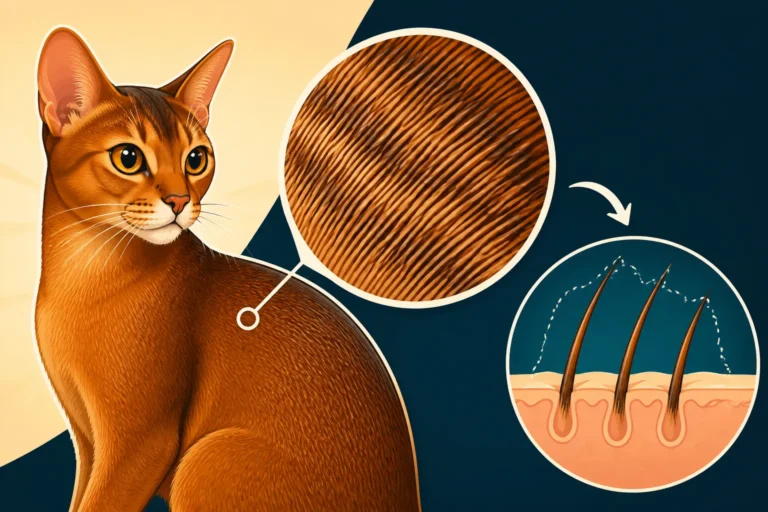
Abyssinians are meticulous groomers. They spend a significant portion of their day keeping that beautiful ticked coat in perfect order. The Ticked Coat Is the Whole Abyssinian Grooming Job and they take pride in it. This fastidiousness extends to their litter box. If a litter produces a lot of dust, or if it clings heavily to their paws and coat, they're going to ingest it when they clean themselves. This isn't just unpleasant; it can be unhealthy. Some litters contain perfumes or deodorizers that, while appealing to human noses, are overwhelming and potentially irritating to a cat's far more acute sense of smell. An Abyssinian will absolutely turn their nose up at a litter that smells artificial or feels dusty on their fur, leading them to seek out alternative, less ideal spots to relieve themselves.
Link to Kidney Health
Beyond mere preference, the right litter can actually play a supporting role in monitoring your Abyssinian's health. Abyssinians are unfortunately predisposed to certain kidney issues, like renal amyloidosis. Renal Amyloidosis Is the Abyssinian Problem Nobody Can Test For and How Young an Abyssinian Can Lose Its Kidneys are crucial reads for any owner. Adequate hydration is incredibly important for their kidney function, and while litter texture might seem unrelated, certain litters encourage better habits. For instance, ultra-soft, fine litters can make the box experience more pleasant, leading to consistent use and less stress overall. Furthermore, some litters make it easier to observe urine output and consistency, which is a key indicator of kidney health. If your Abyssinian is avoiding the box due to uncomfortable litter, they might hold their urine for longer, which can exacerbate urinary tract issues and put unnecessary strain on their system.
Exploring Different Litter Textures: Pros and Cons for Abyssinians
When it comes to litter, the sheer variety on the market can be overwhelming. Each type boasts different benefits, but what works for a hefty Maine Coon might be utterly rejected by your agile Abyssinian. Let's break down the most common litter textures and consider their suitability for our Abyssinian friends.
Fine-Grained Clay Litter
This is perhaps the most widely available and traditional option. Fine-grained clay litter, especially the clumping varieties, tends to be soft and sand-like underfoot. Many Abyssinians, with their sensitive paws, find this texture quite acceptable. The fine granules often make for excellent clumping, which helps with odor control if scooped regularly, and it's generally easy for cats to dig in.
However, fine clay litter isn't without its downsides. Dust is a significant concern. Some brands are incredibly dusty, leading to respiratory irritation for both you and your cat, and tracking it throughout the house. This dust also coats your Abyssinian's fur, which they then ingest during grooming. Furthermore, heavily perfumed clay litters can be a major turn-off for a cat with a superior sense of smell. Always opt for "dust-free" or "low-dust" and unscented varieties when choosing clay. Brands like Ever Clean or Dr. Elsey's often have good low-dust options that you can find on Chewy or Amazon.
Silica Gel (Crystal) Litter
Silica gel litter, commonly known as crystal litter, looks appealing with its clear, absorbent beads. It's fantastic at absorbing moisture and odors, and generally produces very little dust. It can be a good option for people sensitive to dust or odors.
The texture, however, is where it often falls short for Abyssinians. The crystals can feel quite sharp and uncomfortable on their delicate paw pads. Imagine walking on tiny, jagged rocks – that’s a likely sensation for them. While some cats tolerate it, many Abyssinians will express their displeasure by avoiding the box entirely or perching precariously on the edge to avoid direct contact. If you find yourself needing a low-dust option, and your Abyssinian has rejected traditional clay, this might be a last resort to try with caution, but it's generally not a first choice for the breed.
Natural Plant-Based Litters (Corn, Wheat, Walnut, Pine)
The market for natural, plant-based litters has exploded, offering a variety of textures and environmental benefits. These can be a fantastic alternative for Abyssinians, but it's not a one-size-fits-all solution.
- Corn and Wheat Litters: These tend to be fine-grained and soft, similar to clay, making them comfortable for sensitive paws. They clump well, are usually low-dust, and many are unscented or have a natural, mild aroma. Brands like World's Best Cat Litter (corn) or ökocat (wood, but similar texture properties in some lines) are popular. They're often biodegradable, which is a plus for environmentally conscious owners.
- Walnut Shell Litters: These are made from ground walnut shells. They have a fine, dark, absorbent texture. They're usually low-dust and good at odor control. The texture is generally fine enough for most Abyssinians.
- Pine Litters: Pine litter often comes in two forms: pelleted and crumbled. Pelleted pine is very absorbent and great for odor, but the pellets can be large and uncomfortable for an Abyssinian's paws. Crumbled pine, which is more like sawdust, can be softer but might produce more dust and track more.
- Paper Litters: Recycled paper litters often come in pellets or crumbles. While soft, the pelleted versions can feel bulky, and the crumbled versions might not offer the fine texture an Abyssinian prefers for digging.
The main challenge with plant-based litters is finding the specific granule size and softness that your individual Abyssinian prefers. Some cats love the natural feel; others might react to the natural scents, even if mild. It often takes some experimentation. You can often find a wide selection of these natural litters on Chewy, making it easier to try out different types without making multiple trips to the store.
Key Litter Texture Considerations for Your Abyssinian
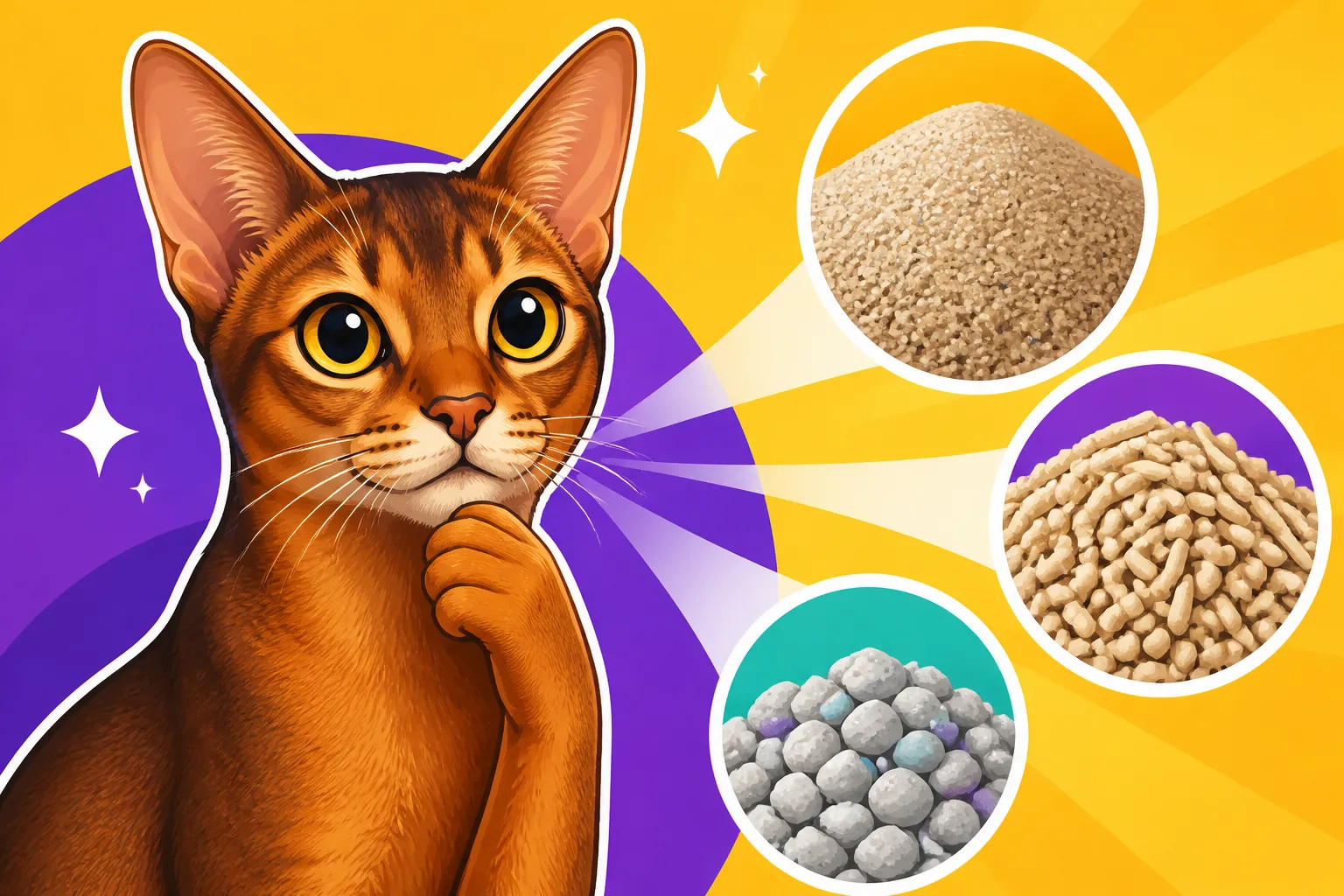
To summarize, here's a quick comparison of popular litter textures with Abyssinian preferences in mind:
| Litter Type | Texture Description | Abyssinian Comfort Level | Dust Level | Odor Control | Other Considerations |
|---|---|---|---|---|---|
| Fine Clay (Clumping) | Soft, sand-like, fine granules | High (unscented, low-dust) | Moderate to High | Good (if scooped) | Affordable, widely available. Can track. |
| Silica Gel (Crystals) | Hard, sharp, small beads | Low | Very Low | Excellent | Can be painful for paws, often rejected. |
| Corn/Wheat (Clumping) | Soft, fine, natural feel | High | Low | Good | Biodegradable, natural scent (mild). Can be pricier. |
| Walnut Shell (Clumping) | Fine, dark, absorbent | High | Low | Good | Natural, dark color can obscure urine. |
| Pine (Crumbled) | Soft, sawdust-like | Moderate | Moderate | Good | Natural scent, can track. |
| Pine (Pelleted) | Larger, hard pellets | Low | Low | Excellent | Often uncomfortable for paws. |
| Recycled Paper (Crumble) | Soft, irregular clumps | Moderate | Low | Moderate | Can become mushy when wet, less satisfying for digging. |
| Recycled Paper (Pellets) | Soft, larger pellets | Low | Low | Good | Bulky feel. |
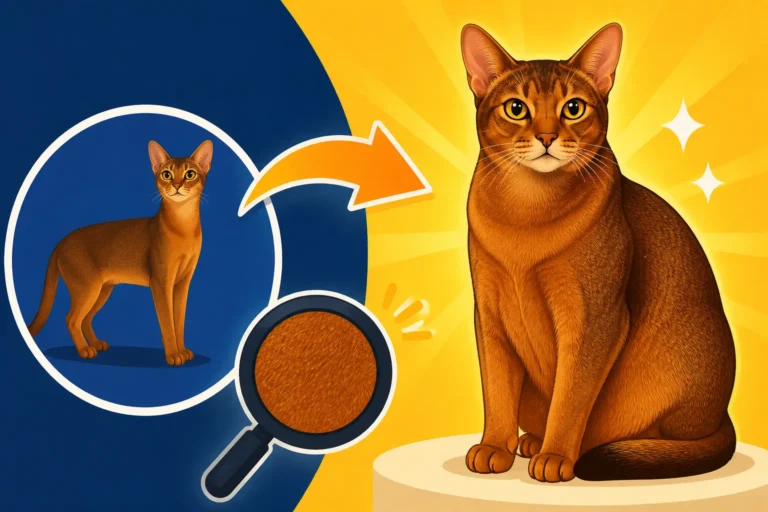
For an Abyssinian, aim for textures that are fine, soft, and low in dust. Unscented is almost always preferred.
Troubleshooting Litter Aversion: When Texture Isn't the Only Problem
You've tried several litter textures, you've chosen the softest, lowest-dust, unscented option available, and your Abyssinian is still having accidents outside the box. It's incredibly disheartening, but don't despair. Litter texture is a huge factor, but it's not the only factor. Abyssinian cats are complex creatures, and their bathroom habits can be influenced by a myriad of environmental, behavioral, and health-related issues. It’s time to play detective and consider other possibilities.
The Number and Placement of Litter Boxes
Cats, Abyssinians included, are territorial animals, and even in a single-cat household, they can be particular about their bathroom facilities. The general rule of thumb is one litter box per cat, plus one extra. So, if you have one Abyssinian, you should ideally have two litter boxes. If you have two Abyssinians, you'd want three. This reduces competition and offers options, especially if one box has recently been used.
Placement is just as crucial as quantity. Abyssinians are active and curious, but they also value security and privacy when doing their business. A litter box tucked away in a noisy laundry room or a high-traffic hallway is a recipe for disaster. Place boxes in quiet, easily accessible locations where your Abyssinian won't feel ambushed or disturbed. Avoid placing them right next to their food and water bowls; no one likes to eat next to their toilet! Also, consider vertical access. If your Abyssinian loves climbing, make sure there's a box on each floor of your home, especially if they have mobility issues later in life. Which Litter Box Suits a Long Bodied Abyssinian delves deeper into box specifics.
Litter Box Type and Size
Beyond texture, the physical characteristics of the litter box itself can be a deterrent. Many standard litter boxes are simply too small for an adult Abyssinian. They are lean, athletic cats, but they still need enough space to turn around comfortably, dig enthusiastically, and find a clean spot. A general guideline is that the box should be at least 1.5 times the length of your cat from nose to base of tail.
Also, consider the type. While covered litter boxes might appeal to our aesthetic sensibilities by hiding odors and mess, they can trap odors inside, making the environment unpleasant for your Abyssinian. Some cats also feel confined or vulnerable in covered boxes. An open, generously sized litter box is almost always preferred. Self-cleaning boxes can also be a source of fear for some cats due to the noise and movement. Observe your Abyssinian's reaction closely to any type of box you introduce.
Cleanliness: The Absolute Non-Negotiable
This is perhaps the most common reason for litter box aversion, regardless of breed or litter type. Abyssinians are exceptionally clean animals. They simply will not tolerate a dirty litter box. A box that isn't scooped at least once, and ideally twice, a day, will quickly become a no-go zone. This isn't just about scooping solids; ensure the entire litter is changed frequently, and the box itself is washed with mild, unscented soap and water regularly. Residue from strong cleaners can be as off-putting as a dirty box.
The impact of cleanliness cannot be overstated. A consistently clean box, even with a less-than-ideal texture, might be chosen over a dirty box with perfect texture. This ties into Why an Abyssinian Digs Before and After Every Visit – they want to do their business in a pristine environment.
Underlying Health Issues
Any sudden change in litter box habits, especially if it involves urinating or defecating outside the box, warrants a trip to the vet. This is particularly true for Abyssinians due to their predisposition to certain conditions. Pain from a urinary tract infection, kidney disease, or even arthritis can make entering or using the litter box uncomfortable. A cat might associate the pain with the box itself, even if the box isn't the cause. What Kidney Failure Looks Like in a Young Abyssinian and Which Blood Values Catch an Abyssinian's Kidneys Early highlight the importance of early detection for kidney issues.
Your vet can rule out medical causes through a physical exam, urine tests, and blood work. Don't assume it's "just behavioral" without a professional medical check-up. This is critical because early intervention for many health issues can significantly improve your Abyssinian's prognosis.
Making the Switch: Introducing a New Litter Texture
So, you've identified a new litter texture you think your Abyssinian might prefer. Maybe you're moving from a dusty clay to a soft corn-based litter, or from sharp crystals to a fine walnut variety. While it might be tempting to just dump out the old and pour in the new, Abyssinians are creatures of habit and can be sensitive to sudden changes. A gradual transition is key to success.
The Gradual Mixing Method
This is the golden rule for introducing any new litter. You want your Abyssinian to slowly acclimate to the new feel and smell.
- Start with the old litter: Begin by filling most of the litter box with the old, familiar litter your Abyssinian is currently using.
- Add a small amount of new litter: Mix in a very small amount (about 10-20%) of the new litter texture with the old. Stir it in so it's evenly distributed.
- Monitor and increase gradually: Over the next few days, if your Abyssinian uses the box without issue, slowly increase the proportion of the new litter while decreasing the old.
- Day 1-3: 80% old, 20% new
- Day 4-6: 60% old, 40% new
- Day 7-9: 40% old, 60% new
- Day 10-12: 20% old, 80% new
- Day 13 onwards: 100% new
- Observe for refusal: If at any point your Abyssinian hesitates or has an accident, slow down the process. Revert to the previous successful ratio for a few more days before trying to increase the new litter again. Patience is crucial here!
Offering a Side-by-Side Test
If you have multiple litter boxes, or are willing to set up an extra one temporarily, you can offer a direct comparison.
- Prepare a new box: Set up a completely separate litter box filled entirely with the new litter texture.
- Place it next to the old one: Put the new box in a location near an existing, acceptable litter box.
- Let them choose: Allow your Abyssinian free access to both boxes. Observe which one they use more frequently. Sometimes, they might surprise you and immediately take to the new texture. Other times, they might stick with the familiar for a while.
- Gradually remove the old: Once you see consistent use of the new litter box for several days or a week, you can then start to gradually phase out the old litter box, or transition the remaining old boxes using the mixing method. This side-by-side approach gives them agency and can reduce stress.
Reducing Stress During Transition
Changing something as fundamental as litter can be stressful for an Abyssinian. They thrive on routine and predictability.
- Maintain other routines: Keep their feeding schedule, playtimes, and other daily routines as consistent as possible. This provides a sense of security even when one element of their environment is shifting.
- Positive reinforcement: Reward your Abyssinian with praise, a favorite treat, or a short play session every time you see them successfully use the litter box, especially the one with the new texture. Never scold them for accidents; this will only make them more anxious and associate the litter box with punishment.
- Ensure optimal box conditions: During the transition, be extra diligent about scooping and cleaning all litter boxes. A pristine box, regardless of texture, is always more inviting.
- Provide enrichment: Keep their environment stimulating with plenty of toys, climbing opportunities, and interactive play. A happy, engaged Abyssinian is generally a more confident and adaptable one. Why an Abyssinian Needs More Vertical Furniture Than Most Cats and Which Wand Toy an Abyssinian Prefers are great resources for enrichment ideas.
Finding the perfect litter texture for your Abyssinian is an act of love and observation. By understanding their sensitivities and approaching changes with patience and care, you can ensure they have a comfortable, clean, and stress-free bathroom experience, contributing to their overall well-being and happiness.
Disclaimer
This article is for general informational purposes only and does not constitute professional advice. Laws, prices and regulations vary by location and change over time. Consult a qualified professional for guidance on your specific situation.