How an Old Abyssinian’s Grooming Changes
That sleek, short coat of your Abyssinian is often touted as one of its most low-maintenance features, a blessing for many busy cat parents. But as your spirited Abyssinian begins to gracefully age, you might notice that their once effortless self-grooming routine isn't quite what it used to be. Suddenly, the grooming habits you once took for granted can become a little more involved, and understanding these shifts is key to keeping your beloved companion comfortable and healthy.
Navigating Coat Changes in Your Senior Abyssinian
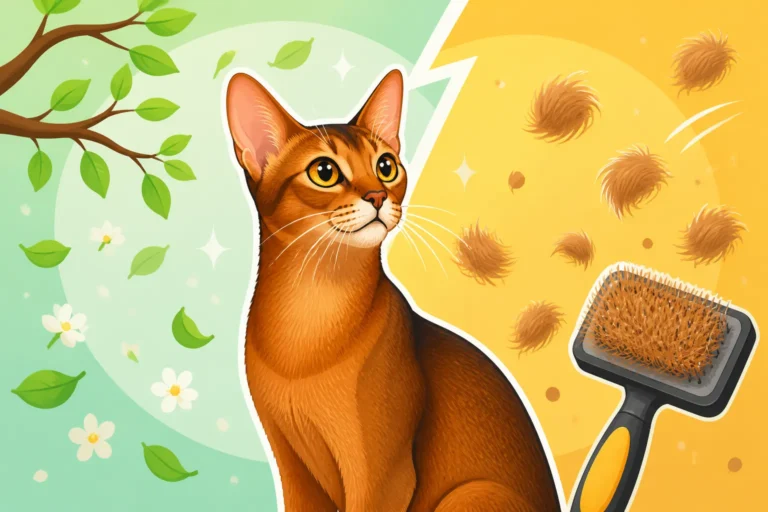
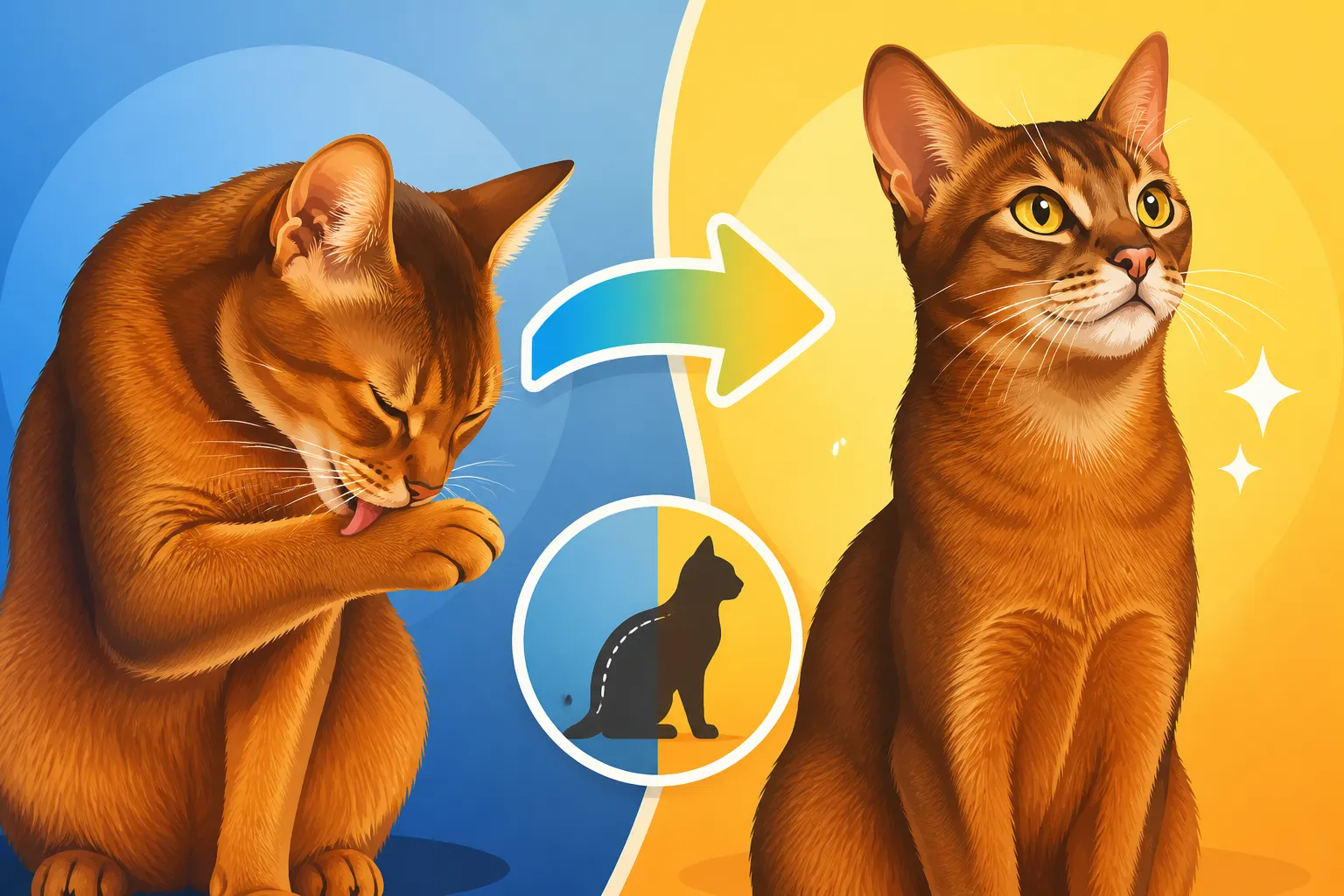
For years, your Abyssinian has likely been the picture of self-sufficiency when it came to their coat. That striking ticked fur, which is often mistaken for a wild cat's, usually lies flat and rarely mats. You probably only needed to give them a quick once-over with a grooming mitt now and then, if even that. However, as they step into their golden years, typically around the age of ten or twelve, you might start noticing subtle but significant changes in their fur and skin. Their coat might lose some of its characteristic luster, appearing a bit duller or even feeling coarser to the touch. This isn't just an aesthetic concern; it signals underlying changes in their ability to maintain their pristine appearance.
One of the primary reasons for these coat changes is a natural decline in flexibility and mobility. An older Abyssinian may find it harder to twist and contort their body to reach all those tricky spots they once effortlessly cleaned. Think about the base of their tail, their lower back, or even behind their ears – areas that require a good stretch. You might observe them struggling a bit more, or even giving up partway through their grooming session, leaving patches that look unkempt or slightly greasy. This reduced self-grooming can lead to a buildup of natural oils, which can make the coat feel rougher and appear less vibrant. Sometimes, a senior Abyssinian's ticking fades a little, too, becoming less distinct as their overall coat condition shifts.
Beyond the reduced reach, an aging Abyssinian's skin can also become drier and less elastic. This can sometimes lead to flakiness, or even minor skin irritations that their saliva-laden grooming used to keep in check. The skin's natural oil production might decrease, or their diet might not be as effectively supporting their skin and coat health as it once did. It’s a good idea to introduce a very soft rubber grooming brush or mitt into their routine, perhaps a gentle silicone one you might find on Chewy or Amazon. A quick daily or every-other-day brush, even just for a few minutes, can help distribute natural oils, remove loose hair, and gently stimulate their skin. This also serves as a lovely bonding experience, offering comforting touch that can reassure an older cat. An Abyssinian Needs Brushing Once a Week and No More generally applies to younger cats, but senior Abyssinians often benefit from a little more frequent, gentle assistance.
Dental Care: A Lifelong Priority That Intensifies with Age
Dental health is paramount for any Abyssinian, regardless of age, but it becomes an even more critical, and sometimes challenging, aspect of care for your senior companion. Abyssinians are unfortunately prone to certain dental issues, such as Why an Abyssinian's Gums Overgrow Its Teeth and subsequent tooth resorption. As they age, years of chewing, plaque buildup, and underlying genetic predispositions can culminate in significant oral discomfort, which might not always be obvious until it's quite advanced. You might notice subtle signs like a reluctance to eat harder kibble, dropping food, or even a noticeable change in their breath. These aren't just minor inconveniences; they can point to painful infections, gum disease, or resorptive lesions that can severely impact their quality of life.
The regular professional dental cleanings that your Abyssinian has ideally received throughout their life become even more crucial as they get older. While the thought of anesthesia for an older cat can be daunting for many owners, modern veterinary protocols have made dental procedures much safer for seniors. Pre-anesthetic blood work, intravenous fluids during the procedure, and careful monitoring help mitigate risks. It's about weighing the risk of anesthesia against the severe pain and systemic health problems that untreated dental disease can cause. Imagine living with a constant toothache; it would certainly impact your mood, appetite, and overall well-being, and it’s no different for your beloved Abyssinian. Why Abyssinian Dental Work Is the Biggest Line in the Budget isn't just about cleanings, it's about preventative measures and addressing issues proactively.
At home, maintaining a gentle, consistent brushing routine is more important than ever. If you've been brushing their teeth since they were a kitten, you have a huge advantage, as they're likely accustomed to it. How to Brush an Abyssinian's Teeth From Day One is advice that truly pays off in the long run. If you're starting later in life, begin slowly and with extreme patience. Use a soft finger brush or a very small, soft-bristled toothbrush specifically designed for cats, paired with veterinary-approved enzymatic toothpaste (never human toothpaste!). Focus on the outside surfaces of their teeth, where plaque tends to accumulate most. Even if you can only manage a few teeth at a time, consistency is key. Look for dental treats and water additives on platforms like Chewy or Amazon that are approved by the Veterinary Oral Health Council (VOHC) as helpful adjuncts, but remember, they are rarely a substitute for brushing or professional cleanings, especially in an older cat.
Claw and Joint Considerations for the Aging Abyssinian
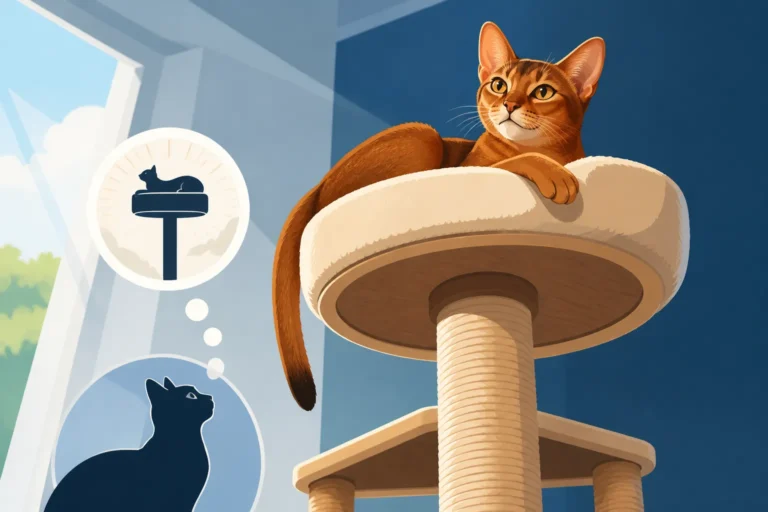
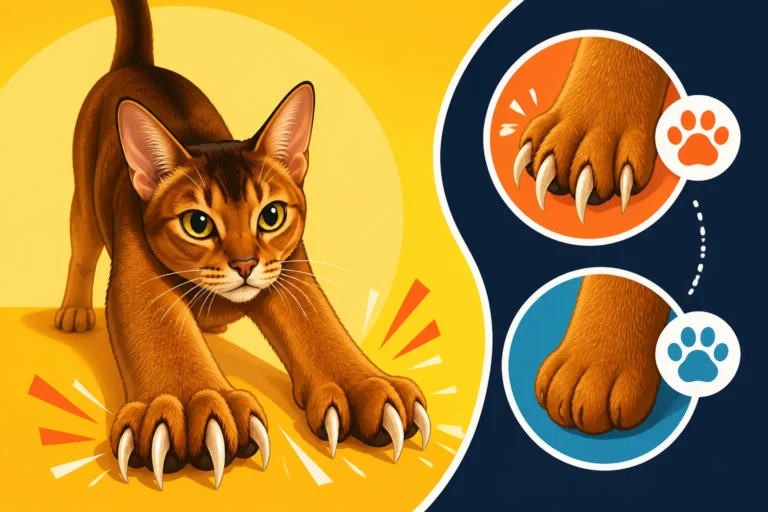
Your Abyssinian was likely once a champion climber, scaling cat trees and bookshelves with the agility of a tiny mountain goat. This active lifestyle naturally helped keep their claws worn down. However, as they age, many Abyssinians experience a decrease in their activity levels. They might jump less, prefer lower perches, or even stop using their Why an Old Abyssinian Stops Using the Top Shelf altogether. This reduction in climbing and scratching can mean their claws don't wear down as quickly as they used to, leading to overgrowth. Overgrown claws can curl and grow into their paw pads, causing significant pain, infection, and making it uncomfortable to walk.
Beyond reduced activity, arthritis is a common ailment in older cats, including Abyssinians. While your Abyssinian might hide pain remarkably well due to their naturally high energy levels, joint stiffness or pain can make the simple act of standing for a nail trim uncomfortable or even agonizing. This means that a once-straightforward task of trimming their claws can become a battle, or even impossible, if they're too sensitive or uncooperative. How Arthritis Shows in an Abyssinian That Used to Climb might manifest as hesitation before jumping, a more cautious gait, or even subtle changes in how they position themselves. When handling their paws, be extra gentle and observant for any signs of discomfort.
Regular, gentle nail trims are essential. You might need to trim their claws more frequently than you did when they were younger, perhaps every 2-3 weeks. Use sharp, good quality clippers, which you can easily find on Amazon, to ensure a clean cut and minimize splintering. If your Abyssinian tolerates it, try to do it when they are relaxed, perhaps after a meal or a nap. If they become agitated or show signs of pain, stop and try again later, or consider breaking the task up over several short sessions. If you're unsure or concerned about causing pain, your veterinarian or a professional groomer can often help with regular nail trims. They can also assess for signs of arthritis and recommend pain management strategies, which might include supplements or medication, to improve your senior Abyssinian's comfort and mobility. When an Old Abyssinian Needs Help Reaching Its Back is a good indicator that their mobility is declining and that you need to step in more actively.
When to Seek Professional Help and Specialized Products
As your Abyssinian ages, their grooming needs often shift from being purely self-managed to requiring more active intervention from you. While many of the changes are a natural part of aging, it's crucial to know when to seek professional help from your veterinarian or a professional groomer. If you notice persistent dullness, excessive dryness, skin flakiness, or actual matting that you can't easily brush out, it's time for a vet visit. These could be signs of underlying health issues like nutritional deficiencies, hormonal imbalances, kidney disease (which can impact coat quality – How an Old Abyssinian's Kidneys Are Monitored), or even just a need for dietary adjustments. Your vet can perform a thorough examination and recommend appropriate steps, which might include blood work to check their overall health.
Sometimes, an older Abyssinian might simply become too frail, too arthritic, or too stressed to tolerate regular at-home grooming. This is where a professional, cat-friendly groomer can be an invaluable resource. A good groomer understands feline behavior and uses gentle techniques to make the experience as positive as possible. They can safely address matting, provide thorough bathing if necessary (though Abyssinians rarely need it, a very gentle bath can help with greasy senior coats), and perform nail trims and even sanitary clips if your senior cat is struggling with litter box hygiene. Don't feel guilty about enlisting help; sometimes, outsourcing these tasks ensures your cat receives the best care without added stress for either of you.
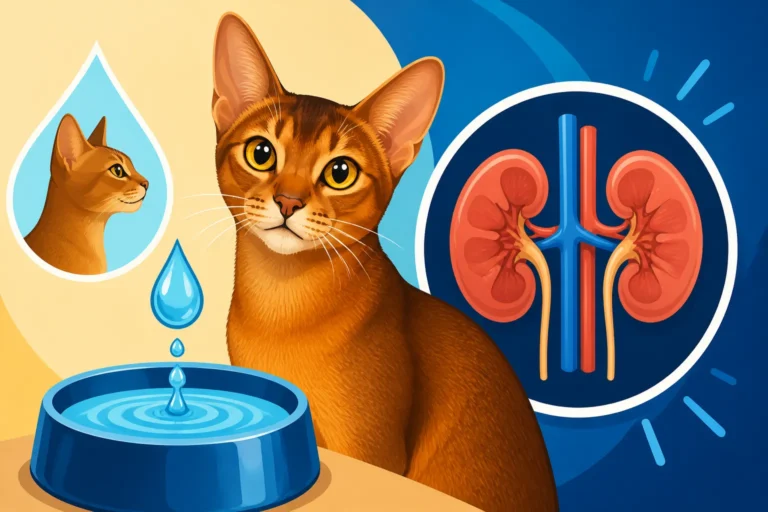
Finally, consider specialized products designed for senior cats. On platforms like Chewy or Amazon, you'll find a range of items that can make life easier for your aging Abyssinian and for you. This could include soft, rubber grooming brushes that are gentle on sensitive skin, joint support supplements that might improve their flexibility (always consult your vet before starting supplements), or even elevated food and water bowls that reduce strain on their neck and joints. Hydration is always important for Abyssinians, especially as they age and to support their kidney health, so a water fountain might encourage more drinking. Why an Abyssinian's Water Bowl Should Be Away From Food is a general rule that applies even more to seniors to encourage drinking. These small adjustments can make a big difference in maintaining their comfort and dignity as they navigate their golden years.
Comparing Grooming Needs: Young vs. Senior Abyssinian
Here's a quick overview of how grooming needs typically evolve for an Abyssinian from their vibrant youth to their golden years:
| Aspect of Grooming | Young Abyssinian (approx. 1-7 years) | Senior Abyssinian (approx. 8+ years) |
|---|---|---|
| Coat Care | Minimal shedding, self-grooming is efficient, coat is naturally shiny and smooth. Weekly brush with a mitt often sufficient, mostly for bonding. | Coat may become duller, coarser, drier. Self-grooming declines due to mobility. Increased risk of tangles or greasy patches. Daily gentle brushing or mitt necessary to remove loose hair, stimulate skin, and distribute oils. |
| Dental Care | Regular brushing and yearly professional cleanings are preventative. Gums are generally healthy, though prone to gingivitis. | Dental issues like gum disease, tooth resorption, and plaque buildup are more prevalent and can be painful. More frequent professional cleanings may be needed. Consistent, gentle daily brushing is critical. |
| Nail Trimming | Claws wear down with active climbing and scratching. Trims needed every 3-4 weeks. | Activity decreases, leading to less natural wear. Claws may overgrow, curl, or snag. Joint pain can make handling paws difficult. Trims needed every 2-3 weeks, with extra care for sensitive joints. |
| Skin Health | Elastic, healthy, good oil production. Few concerns unless allergies or parasites. | Drier, less elastic skin; prone to flakiness or minor irritations. Check for lumps, bumps, or tender spots more often. |
| Overall Comfort | Highly flexible, easily handles all grooming positions. | Reduced flexibility, potential for arthritis or other pain. Requires gentle handling, supportive surfaces for grooming. |
| Professional Help | Primarily for routine dental cleanings or specific issues. | Increased need for vet check-ups to assess overall health and dental pain. Professional groomers can assist when at-home grooming becomes too difficult for owner or cat. |
Disclaimer
This article is for general informational purposes only and does not constitute professional advice. Laws, prices and regulations vary by location and change over time. Consult a qualified professional for guidance on your specific situation.