What DNA Says About Where Abyssinians Came From
It's quite natural to look at an Abyssinian cat with their regal bearing, athletic grace, and striking ticked coat, and immediately conjure up images of ancient Egypt or the vast plains of Abyssinia. For generations, this noble breed has been shrouded in romantic myths about its origins, making it hard to separate fact from charming fiction. But in our modern world, scientific advancements, particularly in DNA analysis, are peeling back the layers of these captivating stories to reveal a surprising truth about where these incredible felines truly came from, giving us a clearer picture of their remarkable journey.
The Enduring Mystery of Abyssinian Ancestry
For a long time, if you asked any Abyssinian enthusiast or read an old breed book, you'd encounter the same captivating narrative: that the Abyssinian cat descended directly from the sacred cats of ancient Egypt, or that it hailed from Abyssinia (modern-day Ethiopia), brought back to Europe by soldiers after military campaigns. These stories weren't just folklore; they were deeply embedded in the breed's identity, giving it an exotic, almost mystical allure that certainly contributed to its popularity. It’s hard not to be drawn to a cat with such a storied, if somewhat fantastical, past.
The Romantic Tales of Egyptian Pharaohs and Ancient Abyssinia
Imagine a cat, poised and elegant, gracing the laps of pharaohs, its silhouette etched onto tomb walls. This powerful image is what many people associate with the Abyssinian, believing its striking resemblance to ancient Egyptian depictions of cats is proof of direct lineage. The breed’s lithe body, large ears, and almond-shaped eyes do indeed evoke those ancient feline figures, making the connection feel almost inevitable. It's a tale that speaks to our desire for historical grandeur and a deep, unbroken connection to the past.
The story often includes a cat named Zula, purportedly brought to England after the Abyssinian War in 1868, whose picture appeared in a book about cats. This particular narrative became a cornerstone for the breed's origin myth, suggesting a direct link from Africa to the development of the breed in Europe. It's a compelling narrative, full of adventure and exotic lands, but as we'll see, modern science offers a different, albeit equally fascinating, account. The idea that these specific cats, with their unique ticking, were plucked directly from ancient royal courts or faraway African nations is a hard one to let go of, especially when their appearance so perfectly fits the part. You can delve more into this particular legend in Zula and the 1868 Story Everyone Repeats.
Why the Zula Story Captured Our Imaginations
The Zula story, and the broader Egyptian connection, didn't just exist; it thrived because it resonated with popular perceptions of exoticism and ancient lineage. In Victorian England, where many modern cat breeds were formalized, there was a keen interest in linking breeds to grand historical narratives. An "Abyssinian" cat arriving from a distant, mysterious land perfectly fit this romantic ideal, providing a captivating origin story that fueled public interest and helped distinguish the breed from common domestic cats. This narrative gave the Abyssinian a certain prestige and mystique that helped it gain traction among early fanciers and breeders.
Moreover, the lack of robust genetic testing until relatively recently meant these historical anecdotes largely went unchallenged. Early breeders and historians relied on anecdotal evidence, visual similarities, and intriguing tales, which naturally became ingrained in the breed's lore. The sheer physical resemblance to the cats depicted in ancient Egyptian art also played a huge role in perpetuating this myth. Who wouldn't want to believe their beloved pet had such a noble and ancient heritage? It simply felt right, even without concrete proof, and became an integral part of the breed's identity for well over a century. For more on the challenges of tracing these early records, you might want to read Why No Pedigree Connects Zula to Later Abyssinians.
The Scientific Lens: How DNA Unlocks Origins
As delightful as the old stories are, modern science gives us a much more precise way to trace the lineage of our feline friends. The advent of sophisticated genetic testing has revolutionized our understanding of cat breeds, allowing us to move beyond anecdotal evidence and visual resemblances. Instead of relying on historical documents that might be incomplete or romanticized, we can now look directly at the genetic code that makes each Abyssinian unique, charting its journey across continents and through time with unprecedented accuracy.
The Tools of Genetic Analysis for Feline Breeds
Genetic analysis for cat breeds typically involves looking at specific markers within a cat's DNA. Think of it like a massive genealogical puzzle, where each piece of DNA holds clues about an individual cat's ancestors and the broader population it belongs to. Scientists don't just look at one or two genes; they analyze hundreds or even thousands of genetic markers spread across the cat's entire genome. These markers are like tiny signposts, accumulating small changes over generations, which can then be read to trace back familial lines and population movements.
One of the primary tools used is the study of autosomal DNA, which refers to the non-sex chromosomes. This type of DNA is inherited from both parents, creating a rich tapestry of genetic information that reflects the contributions of many ancestors. By comparing these markers across different cat populations and breeds, researchers can identify commonalities and divergences, essentially drawing a genetic family tree for cats worldwide. This allows them to pinpoint regions where specific genetic signatures are concentrated, suggesting potential points of origin or historical migration paths. How the Abyssinian's DNA Panel Is Ordered explains more about the practical application of these tests for individual cats.
What Genetic Markers Can (and Cannot) Tell Us
Genetic markers are incredibly powerful, but it's important to understand their scope. They can tell us about relationships between populations, the degree of genetic diversity within a breed, and often, the geographic region where a specific genetic signature first emerged. For example, if a unique set of markers is found predominantly in cats from Southeast Asia, it strongly suggests an origin or significant historical presence in that area. This evidence is far more objective than relying on visual similarities or vague historical records, which can often be misleading.
However, DNA analysis doesn't always provide a neat, definitive answer like a birth certificate. It can't tell us the exact year a breed originated, or precisely which specific cat was the "first" Abyssinian. What it does is paint a broad picture of population movements and genetic interconnections over centuries. It's a statistical approach, identifying probabilities and strong correlations rather than absolute historical declarations. So, while it can refute a long-held myth about origins, it might replace it with a more nuanced, complex journey that unfolded over a much longer period and across vast distances.
The Surprising Revelations of Modern Genetics
When scientists applied these powerful genetic tools to the Abyssinian, the findings were quite a surprise to many, turning the long-cherished Egyptian and Abyssinian origin stories on their head. Instead of a direct line to the Nile, the genetic evidence pointed to a different, much more eastern, beginning for this magnificent breed. It's a testament to how science can challenge our assumptions and reveal connections we never anticipated.
Tracing the Abyssinian's Roots to Southeast Asia
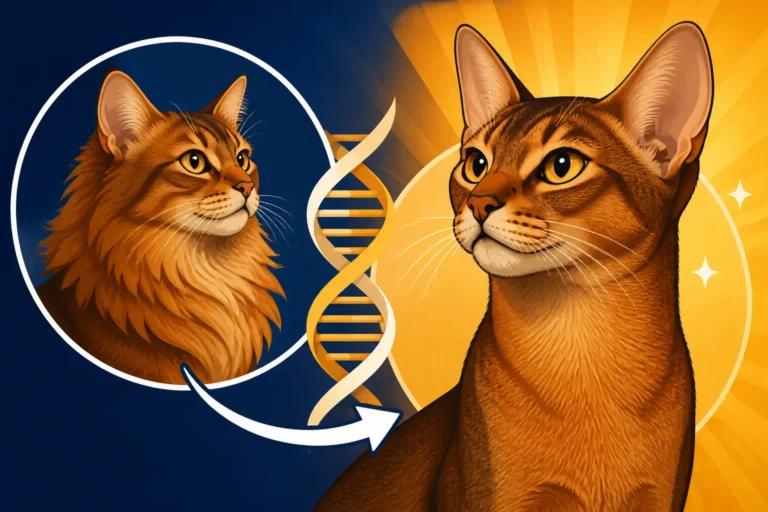
Modern DNA studies have consistently indicated that the genetic lineage of the Abyssinian cat does not trace back to Ethiopia or ancient Egypt, at least not directly. Instead, the strongest genetic signals point towards the coastal regions of Southeast Asia, particularly around the Indian Ocean. Researchers have found a significant genetic overlap between Abyssinians and certain domestic cat populations from places like Singapore and even strains found in India. This evidence suggests that the unique ticking pattern, so characteristic of the Abyssinian, likely emerged among these Asian populations.
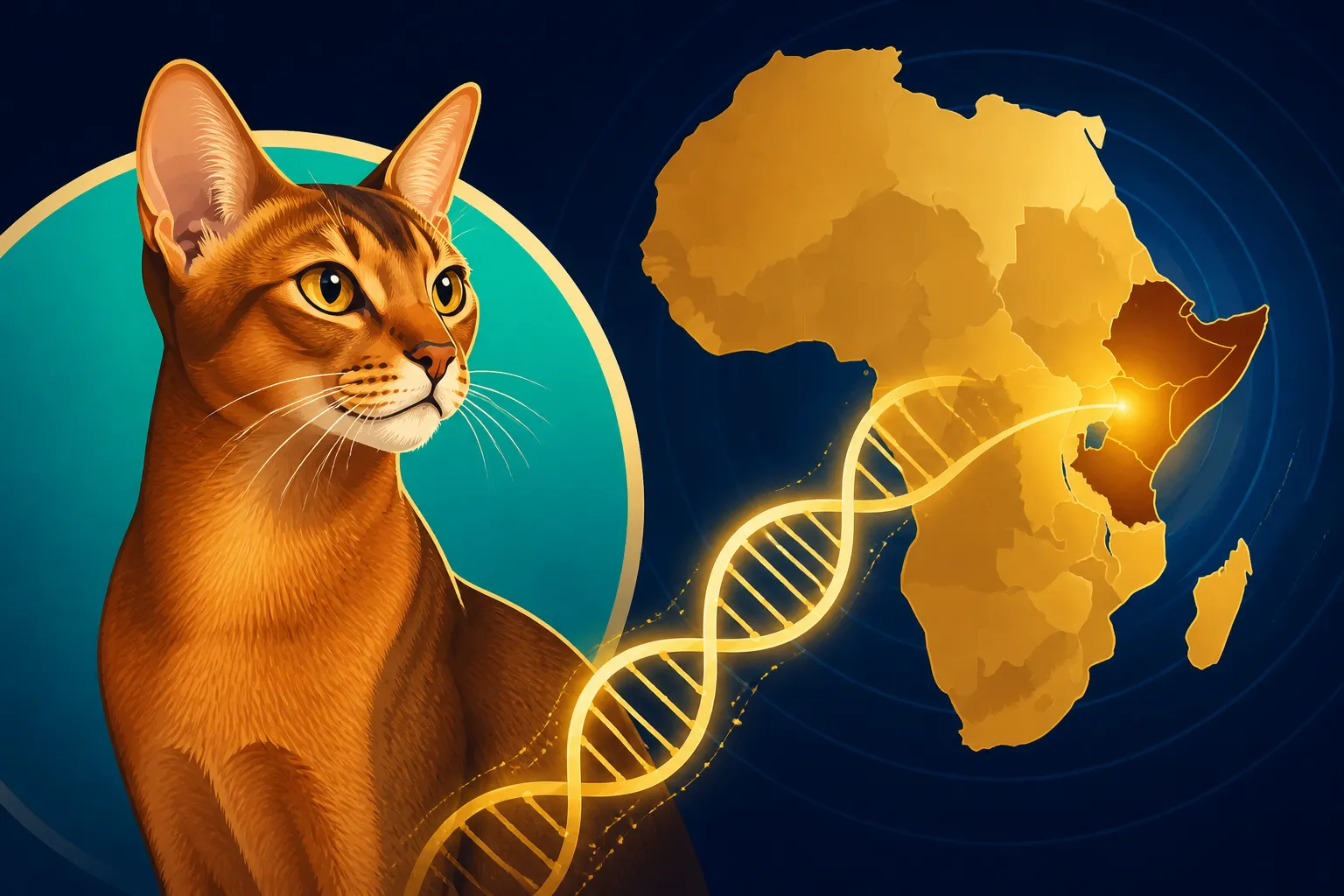
This discovery doesn't mean the Abyssinian magically appeared in Southeast Asia overnight. It implies that the ancestral cats carrying the genetic predispositions for the Abyssinian's distinctive look and perhaps temperament originated there. From these regions, these cats would have embarked on a slow, centuries-long journey, likely alongside human trade routes, spreading their genetic traits across the globe. It's a far cry from the single ship carrying Zula, suggesting a much broader, more organic spread of genetic material. What DNA Says About Where Abyssinians Came From directly covers these findings.
The Indian Ocean Trade Route as a Genetic Highway
The Indian Ocean trade routes were bustling arteries of commerce for millennia, connecting diverse cultures from East Africa to Southeast Asia and beyond. Ships laden with goods, spices, and people often carried cats along for pest control, whether intentionally or as stowaways. It’s through these historical corridors that the progenitors of the Abyssinian likely made their way west. Cats, being highly adaptable and excellent companions (even if unofficial), would have traveled extensively, gradually spreading their genes and influencing local cat populations along the way.
The presence of domestic cat populations in these trade hubs, exhibiting genetic similarities to the Abyssinian, provides compelling evidence for this migratory pathway. As these cats moved from port to port, they would have interbred with local felines, slowly carrying the unique "ticked" gene further into new territories. It’s not about a single origin point, but rather a hub of genetic diversity in Southeast Asia from which certain traits, including the beautiful ticked coat, diffused over time. This makes the Abyssinian a truly global traveler, a testament to the enduring relationship between humans and their feline companions across vast distances and historical eras. Why the Indian Ocean Coast Fits the Abyssinian's Genes delves deeper into this fascinating connection.
Unpacking the Breed's Early Development
While the genetic origins point eastward, the Abyssinian as we know it today was certainly refined and developed in Europe, primarily in Great Britain. This process involved careful breeding, selection for specific traits, and quite often, crossbreeding with other domestic cats to achieve the desired look and maintain genetic health. The journey from a naturally occurring ticked cat found along trade routes to the standardized, pedigreed Abyssinian was a complex one, shaped by human intervention and a bit of serendipity.
Crossbreeding and the Formation of the Modern Abyssinian
When the ticked cats, or their ancestors, first arrived in Europe, they weren't yet the Abyssinian we recognize from the show ring. They were likely part of the general domestic cat population, carrying a unique coat pattern. To establish a distinct "breed," early fanciers began selecting individuals with the most desirable ticked coats, slender bodies, and large ears. However, to create a stable population and enhance certain features, these cats were often outcrossed with other short-haired breeds. British Shorthairs, and potentially other local domestic cats, were likely introduced into the gene pool to broaden diversity and strengthen desired physical characteristics.
This crossbreeding was crucial, especially during periods when the breed faced extinction, such as during the World Wars. Without these infusions of new genetic material, the Abyssinian might not have survived as a distinct breed. The selective breeding over decades gradually honed the Abyssinian's distinctive look, solidifying its phenotype (the observable characteristics) even as its genotype reflected a more diverse ancestry. The careful choices made by these pioneering breeders shaped the modern Abyssinian, a far cry from its wilder, free-roaming ancestors.
The Impact of Genetic Bottlenecks on Breed Health
The intense focus on refining breed standards and the occasional need for outcrossing also highlight another critical aspect of breed development: genetic bottlenecks. These occur when a breed's population shrinks dramatically, either due to catastrophic events like wars or epidemics, or simply because breeding is concentrated on a very small number of foundation cats. When this happens, genetic diversity is severely reduced, which can have significant long-term health implications for the breed. The Abyssinian has, unfortunately, faced such challenges more than once. The Abyssinian Nearly Disappeared From Britain Twice offers a historical perspective on these near-extinctions.
Reduced genetic diversity can increase the prevalence of certain inherited diseases, as recessive genes that might normally be rare become more common within the smaller gene pool. For the Abyssinian, this has meant a heightened awareness and proactive approach to managing conditions like Pyruvate Kinase Deficiency (PKD) and Progressive Retinal Atrophy (PRA-rdAc). Responsible breeders today use DNA testing to identify carriers and avoid breeding pairs that would produce affected kittens, ensuring the continued health and vitality of the breed despite its historically narrow genetic passages. This is why it's so important to ask about genetic testing when looking for a kitten.
Implications for Today's Abyssinian Owner
Understanding the true genetic history of the Abyssinian isn't just an academic exercise; it has real, practical implications for owners and breeders alike. It helps us appreciate the resilience and adaptability of these cats, and it informs our approach to their health and well-being. Knowing their ancient travels and the genetic challenges they've faced underscores the importance of thoughtful care and responsible breeding practices in the present day.
Understanding Genetic Diversity and Health Predispositions
The revelation that the Abyssinian's origins lie in Southeast Asia, combined with its history of bottlenecks and crossbreeding in Europe, provides a richer context for understanding its genetic diversity—or sometimes, lack thereof. This historical journey explains why certain genetic conditions might be more prevalent in the breed than in a randomly bred domestic cat. For instance, the very careful selection for the distinctive ticked coat and specific body type, while creating a beautiful and recognizable breed, inherently reduces the overall genetic variation. This is true for many purebred animals, and it’s a constant balancing act for breeders.
For current and prospective owners, this knowledge is power. It emphasizes the importance of choosing a kitten from a reputable breeder who actively screens their breeding cats for known genetic diseases. For example, knowing that PRA-rdAc is a concern helps you understand why a breeder would insist on testing. Similarly, conditions like Pyruvate Kinase Deficiency are inherited, and awareness of the breed's genetic background makes it clear why testing for them is non-negotiable. It's about being informed and proactive in safeguarding your cat's health. You can find more specific information on conditions in The Abyssinian Has Three DNA Tests and One Disease With None.
The Continued Importance of Responsible Breeding
Responsible breeding practices are the cornerstone of a healthy future for the Abyssinian. With the insights provided by DNA research, breeders can make more informed decisions, aiming to preserve the breed's iconic traits while simultaneously broadening its genetic diversity where possible. This isn't always easy, as there's a delicate balance between maintaining breed type and guarding against inherited health issues. It requires dedication, scientific understanding, and a commitment to the long-term health of the breed, not just its appearance in the show ring.
This includes diligent DNA testing of breeding stock for known conditions, carefully studying pedigrees, and sometimes, making the difficult decision to outcross to introduce new, healthy genetic material. When you consider bringing an Abyssinian into your home, always seek out breeders who are transparent about their health testing and their breeding philosophies. They should be able to provide you with documentation of health clearances for the parents and confidently discuss the health history of their lines. This due diligence on your part supports ethical breeding and ensures you're bringing home the healthiest possible companion. You can explore topics like What an Abyssinian Breeder Should Have Tested Before You Buy to prepare your questions.
Comparing Origins: Traditional vs. Genetic Evidence
To truly appreciate the shift in understanding about the Abyssinian's origins, it helps to put the traditional narrative side-by-side with the scientific findings. This comparison clearly illustrates how genetic analysis has challenged long-held beliefs, providing a more robust, albeit less romanticized, picture of the breed's past.
| Feature | Traditional Origin Story | Genetic Evidence |
|---|---|---|
| Primary Location | Abyssinia (modern-day Ethiopia) or Ancient Egypt | Coastal Southeast Asia (e.g., India, Singapore) |
| Key Event/Spread | Direct import (e.g., Zula after Abyssinian War), ancient pharaohs | Slow diffusion along Indian Ocean trade routes over centuries |
| Evidence Basis | Historical anecdotes, visual resemblance to ancient art, breed name | DNA markers and genetic similarity to native cat populations |
| Coat Pattern | Believed to have originated in Egypt/Abyssinia | Likely emerged and spread from Southeast Asian populations |
| Early Development | Primarily in Europe with some original imports | European development involved crossbreeding with local short-hairs |
| Implications | Emphasizes ancient, exotic lineage | Highlights a complex, global migration and human influence |
This table clearly highlights the divergence between the charming stories we've heard for generations and the compelling narrative uncovered by modern science. While the allure of Egyptian royalty is powerful, the genetic blueprint points to a journey across vast oceans.
The Continuing Evolution of the Abyssinian Breed
Even with a clearer understanding of their genetic roots, the Abyssinian breed is not a static entity; it continues to evolve. Breeders and enthusiasts are always striving to improve the breed, not just in terms of adherence to physical standards, but crucially, in terms of health and temperament. The insights from DNA studies are invaluable in guiding these efforts, ensuring that future generations of Abyssinians are as healthy and vibrant as possible. This ongoing commitment to the breed's welfare is a testament to the dedication of its devotees.
Preserving Type While Enhancing Health
One of the biggest challenges for any purebred cat breed is how to maintain its distinctive "type" – those specific physical and behavioral traits that make it unique – while also ensuring a robust gene pool that minimizes health problems. For Abyssinians, this means keeping that magnificent ticked coat, their elegant, athletic build, and their famously intelligent and active personality. Simultaneously, it means using genetic testing to actively select against known inherited conditions like PK Deficiency and PRA-rdAc. It's a constant balancing act, requiring careful planning and a deep understanding of genetics beyond just visual aesthetics.
Breeders, supported by veterinary science, are working to make informed decisions that benefit the breed in the long run. This might involve strategic outcrossing to introduce new genetic lines, or careful selection of breeding pairs to enhance genetic diversity within existing lines. The goal is to move beyond simply reproducing beautiful cats and instead focus on producing healthy, long-lived companions. The Twelve to Fifteen Years an Abyssinian Usually Gets reflects the healthy lifespan that dedicated breeders and owners strive for. You can often find resources on sites like Chewy that offer breed-specific nutritional needs or enrichment toys, supporting the healthy, active lifestyle that aligns with the Abyssinian's genetic makeup.
The Abyssinian's Place in the Feline Family Tree
Understanding the Abyssinian's true genetic origins also helps us to place it more accurately within the broader feline family tree. Instead of being a unique, isolated branch from an ancient civilization, it's now seen as part of a larger, interconnected web of domestic cats whose ancestors spread across continents with human migration. This doesn't diminish the breed's special qualities; rather, it highlights the incredible journey these animals have undertaken and their enduring relationship with humanity.
The Abyssinian's story, therefore, becomes less about a single, dramatic origin event and more about a prolonged process of natural selection, human interaction, and deliberate breeding that ultimately shaped the vibrant, curious, and utterly captivating cats we cherish today. They are a living testament to the powerful influence of trade routes, human preference, and the slow, inexorable march of genetic inheritance across thousands of years. This complex tapestry of history and genetics makes our understanding of them even richer.
Disclaimer
This article is for general informational purposes only and does not constitute professional advice. Laws, prices and regulations vary by location and change over time. Consult a qualified professional for guidance on your specific situation.