What a Fawn Abyssinian Looks Like
If you've ever admired an Abyssinian cat, you know their coats are truly something special. But when you start looking into specific colors, it can feel like you need a genetics degree just to understand what's what! Among the gorgeous array of Abyssinian hues, the Fawn can be particularly elusive in description, often mistaken or confused with other lighter shades. This guide is here to demystify the Fawn Abyssinian, helping you understand precisely what makes this gentle, understated color so unique and stunning.
The Genetic Dance Behind Abyssinian Colors
Understanding what a Fawn Abyssinian looks like begins with a little peek into the fascinating world of cat genetics. Abyssinians are renowned for their "ticked" coats, a pattern that makes them look like tiny wild cougars, but without any stripes or spots. This ticking is the foundation of all their recognized colors, and it's what gives them that shimmering, warm glow.
The Agouti Gene and Ticking
The magic behind the Abyssinian's coat pattern is primarily due to the agouti gene. Unlike many other cat breeds that might have solid colors or distinct stripes, the agouti gene in Abyssinians ensures that each individual hair strand has bands of color. Imagine a single hair from your Abyssinian: it's not one solid color from root to tip. Instead, it will have several bands of darker pigment alternating with lighter, warmer bands. This creates the illusion of depth and movement in their fur, making it seem like their coat shimmers as they move. It’s a truly mesmerizing effect, and it’s the hallmark of the breed's beauty.
This unique banding means that the Abyssinian doesn't display traditional tabby stripes, even though it carries the tabby gene. Instead, the stripes are broken up and spread across each hair, resulting in that distinctive ticked appearance. It's why The Ticked Coat Is the Whole Abyssinian Grooming Job – there's no pattern to groom into place, just the natural beauty of the individual hairs. The overall impression is one of warmth and natural beauty, without any harsh lines.
The Dilution Gene and Its Impact
Now, let's talk about how we get to Fawn. Once you have the base agouti ticking, other genes come into play to determine the actual colors of those bands. The primary Abyssinian colors are Ruddy (the traditional brown, sometimes called "Usual") and Sorrel (a warm, cinnamon red). Fawn and Blue are essentially diluted versions of these two main colors.
The dilution gene, when present, takes a rich, intense pigment and lightens it considerably. Think of it like adding white paint to a darker color – it softens the hue. For a Fawn Abyssinian, this gene is specifically acting upon a Sorrel-based cat. Sorrel is genetically red (or cinnamon), and when the dilution gene works its magic on a Sorrel cat, the result is Fawn. It's not just a lighter version of Sorrel; it's a completely distinct color with its own unique warmth and softness. This genetic process ensures that Fawn isn't just a pale shadow, but a color with its own integrity and beauty, highly sought after by those who appreciate its subtle charm.
Fawn Abyssinian: A Close-Up Look
The Fawn Abyssinian is truly a sight to behold, embodying an understated elegance that sets it apart. If you’ve only ever seen Ruddy or Sorrel Abyssinians, the Fawn might surprise you with its gentle, almost ethereal appearance. It’s a color that really grows on you, revealing new depths in different lighting conditions.
The Overall Coat Color and Hue
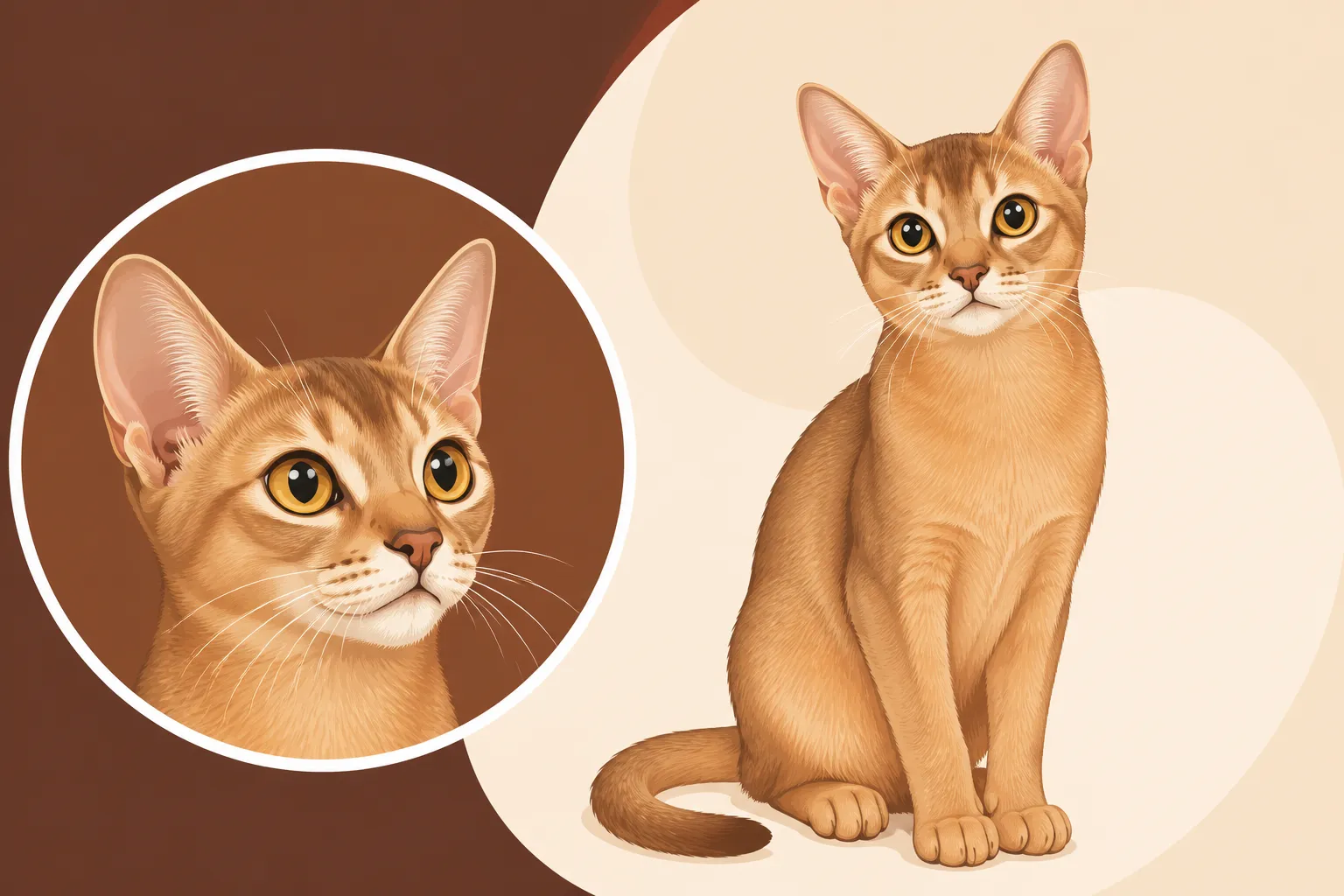
When you look at a Fawn Abyssinian, the first thing that strikes you is the incredibly soft, warm, powdery beige or pinkish-cream hue. It’s a color often described with words like "sandy," "oatmeal," or "pale rose." There are no harsh contrasts, no deep, dark shades; everything is muted and harmonious. Unlike the deep black tipping you'd find on a Ruddy or the rich brown on a Sorrel, the Fawn's ticking is a gentle, warm brown or mushroom shade. This soft tipping blends seamlessly with the lighter, creamy base color, creating a coat that feels incredibly coherent and sophisticated.
Imagine sun-drenched sand dunes or a perfectly brewed cup of milky tea, and you’re getting close to the Fawn Abyssinian’s unique aesthetic. The warmth is undeniable, but it's not a vibrant, fiery warmth like Sorrel. Instead, it’s a serene, calm warmth, making the cat look almost incandescent in certain lights. Why a Fawn Abyssinian Is the Palest of the Four recognized colors speaks to this delicate balance of lightness and warmth, making it truly distinct from its bolder cousins.
The Ticking Pattern in Fawn
Even with its diluted color, the Fawn Abyssinian still boasts the hallmark ticked pattern that defines the breed. However, the contrast between the bands of color on each hair is much softer than in Ruddy or Sorrel cats. You’ll still see those individual hairs with multiple bands, giving the coat its characteristic shimmering effect, but the difference between the light and dark bands is less pronounced. This creates a beautifully blended appearance, a soft wash of color rather than a stark definition.
The base color, closest to the skin, will be a lighter cream or beige, while the tips of the hairs are tipped with that warm, mushroomy brown. This subtle gradation of color along each strand contributes to the overall delicate, powdery look of the Fawn coat. When the cat moves, you still see that wonderful play of light and shadow, that vibrant ripple across their fur, but it's done in a more subdued, elegant manner. It's a testament to the intricate genetics of the Abyssinian that even a diluted color retains the dynamic qualities of the ticking.
Distinguishing Fawn from Other Abyssinian Colors
One of the biggest challenges for new Abyssinian enthusiasts, or even seasoned cat lovers, is telling the various colors apart, especially when they're not side-by-side. Fawn is often confused with Blue or even a very pale Sorrel. Knowing the distinct markers can help you appreciate each color's unique beauty.
Fawn vs. Ruddy and Sorrel
Let's put Fawn up against its more saturated counterparts. The Ruddy Abyssinian is the classic "wild" color, with a warm, reddish-brown base and distinct black ticking on each hair. Think rich brick red and charcoal. When you look at a Ruddy, you see a deep contrast and an intense, earthy tone. What Ruddy Means on an Abyssinian details this beautiful, traditional color.
The Sorrel Abyssinian, on the other hand, is a vibrant, fiery red or cinnamon color. Its ticking is a deep, rich reddish-brown, sometimes described as chocolate or even chestnut. It has a definite warmth, but it's a much more intense, brighter warmth than Fawn. What a Sorrel Abyssinian Looks Like will give you a full picture. The key difference here is the complete absence of black pigment in Sorrel and Fawn coats. Fawn is merely the diluted version of Sorrel, so while both share that underlying "red" genetic base, the Fawn expresses it in a much softer, paler tone, devoid of any intense red-orange hues.
When comparing Fawn to both Ruddy and Sorrel, the Fawn will always appear significantly paler and more muted. The Fawn lacks the strong black or deep red tipping that defines the other two, leaning instead into those powdery beige and pinkish-cream tones.
Fawn vs. Blue
This is where things can get a little tricky, as both Fawn and Blue are diluted colors. However, they are diluted versions of different base colors. The Blue Abyssinian is a diluted Ruddy. This means its base color is a warm, bluish-grey, and its ticking is a deeper slate grey. What a Blue Abyssinian Looks Like explores this cool-toned beauty. A Blue Abyssinian has a distinctly cool, smoky appearance, often described as dove grey with warmer cream undertones, but still fundamentally grey.
The Fawn, being a diluted Sorrel, has no grey or blue tones whatsoever. Its palette is all about warm beige, pinkish-cream, and light mushroom browns. If you see any hint of blue or grey in the coat, it's a Blue Abyssinian. If the overall impression is of warmth, like sand or pale coffee with milk, then you're looking at a Fawn. The differences are most apparent when viewed in natural light, which truly brings out the unique undertones of each color.
Here's a quick comparison table to help visualize the differences between the four primary Abyssinian colors:
| Color | Base Color (General Impression) | Ticking Color | Paw Pad Color | Nose Leather Color | Genetic Basis |
|---|---|---|---|---|---|
| Ruddy | Warm reddish-brown | Black | Brick red | Brick red | Black-based, undiluted |
| Sorrel | Rich cinnamon/red-orange | Deep chocolate/red-brown | Rose pink | Rose pink | Red-based, undiluted |
| Blue | Soft bluish-grey | Slate grey | Blue-grey/slate | Old rose (reddish-pink) | Black-based, diluted |
| Fawn | Powdery beige/pinkish-cream | Warm mushroom brown | Pinkish-beige | Rose pink | Red-based, diluted (of Sorrel) |
Key Physical Characteristics of a Fawn Abyssinian
Beyond the stunning coat, a Fawn Abyssinian shares many of the graceful physical traits common to the breed. However, some characteristics, like eye color and paw pad pigmentation, provide crucial clues to its specific color identity. When you're assessing an Abyssinian, these small details really add up to paint the full picture of their lineage and beauty.
Eye Color and Facial Markings
Abyssinians are known for their striking, expressive eyes, and Fawn Abyssinians are no exception. Their eyes typically range from brilliant gold to rich amber, and sometimes a vivid green. These warm eye colors beautifully complement the soft, creamy tones of their fur, adding another layer of depth and allure to their appearance. The combination of the warm coat and luminous eyes is simply captivating.
One of the defining features across all Abyssinian colors is the distinctive "eyeliner" effect – a dark rim around the eyes, which further emphasizes their large, almond shape. On a Fawn Abyssinian, this rim will be a warm, soft brown, perfectly harmonizing with the muted tones of their coat rather than standing out sharply in black. This delicate outlining enhances their gaze without creating a stark contrast, maintaining the overall gentle aesthetic. Furthermore, true Abyssinians, regardless of color, should not have any prominent tabby "M" markings on their forehead, or distinct necklace stripes. What an Abyssinian Looks Like Against the Show Standard will give you more insight into these breed-specific traits.
Paw Pads and Nose Leather
The color of an Abyssinian's paw pads and nose leather are incredibly reliable indicators of their true coat color, and for the Fawn, these details are particularly telling. On a Fawn Abyssinian, you should expect to see soft, pinkish-beige paw pads. They might have a slightly warmer, rosy undertone, but they will never be grey, black, or a deep brick red. This delicate shade of the paw pads perfectly matches the overall soft palette of their fur.
Similarly, the nose leather of a Fawn Abyssinian will be a lovely rose pink. It's a gentle, warm pink, often described as being the color of dried rose petals. This is a crucial distinguishing feature. A Ruddy Abyssinian would have brick red nose leather, a Sorrel would have a brighter rose pink, and a Blue would have a darker blue-grey or slate nose. The Fawn's unique pinkish-beige pads and rose-pink nose are a clear genetic signature, confirming its diluted Sorrel heritage. These small but significant details are often the first place experienced breeders and judges look to confirm an Abyssinian's color, giving you another tool for identification.
Why Fawn Abyssinians Are So Sought After
While all Abyssinians possess an undeniable charm and intelligence, Fawn Abyssinians hold a special place in the hearts of many enthusiasts. Their unique coloration is part of their appeal, contributing to a certain mystique and desirability that makes them stand out even among their vibrant siblings.
The Rarity and Unique Aesthetic Appeal
Fawn Abyssinians are generally considered one of the rarer colors within the breed. Because Fawn is a diluted version of Sorrel, and both the Sorrel gene and the dilution gene must be present in a specific combination, it doesn't appear as frequently as Ruddy or even Blue. This inherent rarity adds to their allure, making them a special find for those who appreciate unique beauty.
Beyond rarity, the aesthetic appeal of the Fawn is truly distinctive. Their soft, warm, almost glowing coats possess a sophisticated elegance that's hard to replicate. They look like living sculptures, with a delicate, understated charm. For many, the Fawn's gentle hue evokes images of classic beauty and serenity, appealing to those who prefer a more muted, refined palette in their pets. They're often described as looking like they've been brushed with moonlight or powdered with a hint of rose. This subtle beauty makes them captivating companions, and their popularity continues to grow as more people discover this enchanting color.
What to Look for in a Healthy Fawn Kitten
When searching for any Abyssinian kitten, especially a rarer color like Fawn, the emphasis should always be on health and responsible breeding practices first and foremost. A reputable breeder will prioritize the well-being of their cats above all else, ensuring that you bring home a healthy, happy companion. This means thorough health testing of the parent cats. For Abyssinians, this includes DNA tests for Pyruvate Kinase Deficiency (PKD) and Progressive Retinal Atrophy (PRA-rdAc). You’ll want to see proof that the parents are clear or, at most, carriers for one of these conditions, never affected. What an Abyssinian Breeder Should Have Tested Before You Buy outlines essential health screenings.
Beyond health tests, observe the kitten itself. A healthy Fawn Abyssinian kitten, like any Abyssinian, should be active, playful, and curious. Their eyes should be bright and clear, their nose free of discharge, and their coat clean and soft. They should be well-socialized, eager to interact with people, and not overly shy or fearful. A good breeder will typically keep kittens until they are at least 12-14 weeks old, ensuring they are properly weaned, vaccinated, and have had ample time to learn essential social skills from their mother and littermates. When considering a Fawn, discuss the specific color lineage with the breeder. They should be transparent about the genetics behind the fawn color in their lines, explaining how it fits into their breeding program. For all your cat supply needs, from food to toys that keep these active cats engaged, trusted retailers like Chewy are excellent resources. They often carry specialized foods that can help maintain a healthy coat and support overall feline well-being.
Caring for Your Fawn Abyssinian's Beautiful Coat
While Fawn Abyssinians require the same dedicated care as any Abyssinian, paying a little extra attention to their coat can help maintain its stunning, delicate color and texture. Their short, fine, and ticked coats are relatively low-maintenance, but they do benefit from regular, gentle attention.
Maintaining Coat Luster and Health
The Fawn coat, with its subtle ticking and soft hues, truly shines when it's healthy and well-maintained. While Abyssinians don't have a thick undercoat, meaning less shedding and matting, a weekly grooming session is still beneficial. This isn't just about removing loose hairs; it's about stimulating the skin, distributing natural oils, and bonding with your cat. A soft rubber grooming mitt or a fine-toothed comb can work wonders without damaging their delicate hair shafts. Avoid harsh brushes or deshedding tools, as these can actually strip out the fine guard hairs that contribute to the ticking pattern, leaving the coat looking dull or uneven.
Regular grooming also gives you an opportunity to check for any skin issues, such as dryness or irritation, which could impact the coat's appearance. A healthy diet rich in omega fatty acids will contribute significantly to a lustrous coat, making the fawn color appear even more vibrant and rich. You might find a wide variety of high-quality cat food options, including those formulated for skin and coat health, on sites like Chewy. Remember, a healthy cat from the inside out will always have the most beautiful coat.
Protecting the Fawn Color from Environmental Factors
While your Fawn Abyssinian's color is genetically determined, environmental factors can subtly affect its appearance over time. Prolonged exposure to direct sunlight, for instance, can sometimes cause the delicate fawn tones to fade or become brassier. This is true for many cat breeds, but with the subtle beauty of the Fawn, it can be more noticeable. If you have a sun-loving Abyssinian (and most are!), consider providing shaded sleeping spots or window perches that offer protection from intense midday sun.
Maintaining a comfortable indoor environment with consistent temperature and humidity can also help prevent dry skin, which can, in turn, affect coat quality. Beyond direct sunlight, keeping their living environment clean and free from excessive dust or allergens can prevent the coat from becoming dull. Regular gentle wiping with a damp cloth can remove surface dust and keep their delicate color looking pristine. By taking these small preventative measures, you can help ensure your Fawn Abyssinian's coat remains as stunning as the day you brought them home.
Disclaimer
This article is for general informational purposes only and does not constitute professional advice. Laws, prices and regulations vary by location and change over time. Consult a qualified professional for guidance on your specific situation.