How a Vet Manages an Abyssinian in Kidney Failure
Receiving the news that your beloved Abyssinian has kidney failure can feel like a punch to the gut. It's a devastating diagnosis that leaves many owners reeling, wondering what comes next and if there’s any hope. This comprehensive guide is here to walk you through how veterinarians approach managing kidney failure in Abyssinians, offering realistic expectations and practical insights into extending your furry friend's quality of life.
Understanding Kidney Failure in Abyssinians
Kidney failure, or chronic kidney disease (CKD), is a progressive and irreversible condition where the kidneys gradually lose their ability to filter waste products from the blood and maintain proper fluid and electrolyte balance. For Abyssinian owners, this diagnosis carries a particular weight due because our beautiful breed is predisposed to certain kidney issues.
Why Abyssinian Kidneys Are Prone to Issues
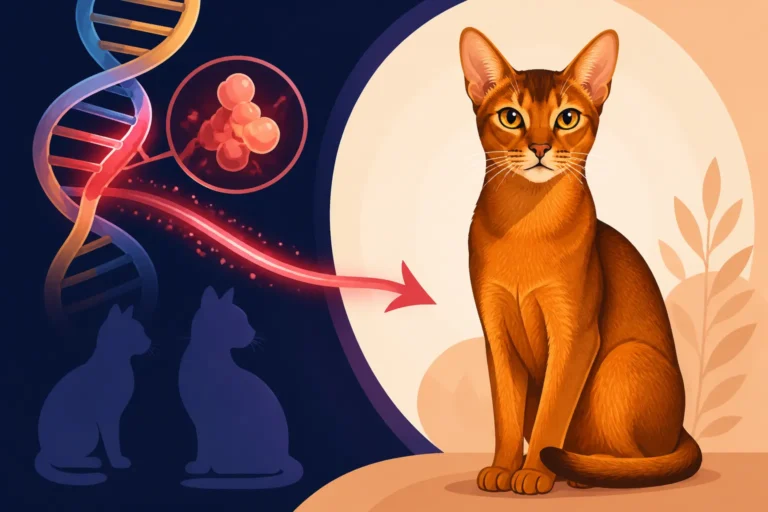
While any cat can develop kidney disease, Abyssinians have a well-documented genetic predisposition to a specific, challenging condition called Renal Amyloidosis. This insidious disease occurs when an abnormal protein, amyloid, deposits in the kidney tissue, progressively destroying its function. It's a silent killer, often advancing significantly before any outward signs appear. The frustrating reality is that unlike some other genetic conditions, there’s currently no specific gene test for Abyssinian amyloidosis, leaving breeders and owners to rely on family history and vigilant monitoring. If you're curious about the mechanics, you might want to delve deeper into What Renal Amyloidosis Deposits in an Abyssinian's Kidney to truly understand the microscopic damage occurring.
The unique genetic background of Abyssinians means that a diagnosis of kidney failure often leaves owners feeling helpless because it’s something that feels beyond their control. This isn’t a condition that arises from neglect; it's often a ticking time bomb built into their DNA, and that can be a very tough pill to swallow. The heartbreak comes from knowing that sometimes, despite your best efforts, genetics play an unfair hand.
Recognizing the Subtle Early Signs
One of the most heart-wrenching aspects of kidney disease in Abyssinians, and indeed in many cats, is their incredible ability to hide illness. Abyssinians are naturally active, playful, and incredibly stoic. They'll often continue to zoom around the house and demand attention even when they're feeling quite poorly, making early detection a significant challenge. By the time symptoms become obvious to us, the disease has often progressed to a more advanced stage.
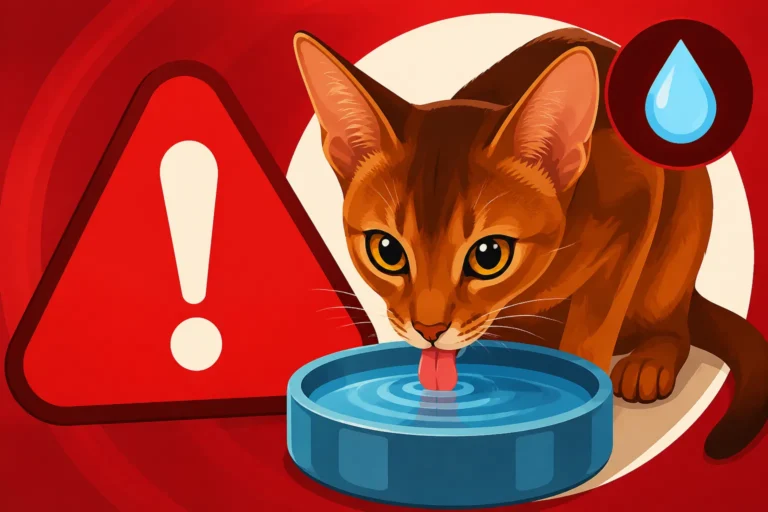
However, there are subtle clues if you know what to look for. Increased thirst and urination are classic indicators. You might notice your Abyssinian drinking more frequently, or perhaps filling their litter box with larger, wetter clumps of litter. They might also start losing a bit of weight, becoming a touch leaner than usual, or their beautiful ticked coat might lose some of its luster. These changes can be so gradual that they're easily dismissed as normal aging or a phase. That's why being particularly attuned to changes in your Abyssinian's drinking habits, especially if they become a Why a Thirsty Young Abyssinian Is a Red Flag, is crucial. Understanding Why a Lean Abyssinian Hides Illness Longer Than a Heavy Cat also helps us be more proactive and less dismissive of subtle weight shifts.
These aren’t dramatic, sudden collapses; they're often minor shifts that, accumulated over weeks or months, signal a serious underlying problem. Keeping a keen eye on your cat’s routine, appetite, and energy levels can empower you to catch these critical early warnings before the disease becomes overwhelming.
Initial Diagnosis and Staging
When you notice those subtle changes in your Abyssinian, getting to the vet for a thorough check-up is paramount. The diagnostic process aims not just to confirm kidney failure but also to understand its severity, which guides the entire management plan.
The Importance of Early Bloodwork and Urine Tests
The cornerstone of diagnosing kidney disease involves a combination of blood and urine tests. Your veterinarian will typically start with a comprehensive blood panel. This includes crucial indicators like creatinine and blood urea nitrogen (BUN), which are waste products that build up in the blood when kidneys aren't filtering effectively. However, in recent years, a newer marker called symmetric dimethylarginine, or SDMA, has revolutionized early detection. SDMA can flag kidney issues much earlier than creatinine, sometimes even when only 25% of kidney function is lost, compared to creatinine which often doesn't elevate until 75% is gone. This early warning system is invaluable, especially for breeds like Abyssinians prone to silent kidney disease. If you're ever looking at your cat's lab results, knowing Which Blood Values Catch an Abyssinian's Kidneys Early can help you have a more informed discussion with your vet.
Beyond bloodwork, a urinalysis is equally critical. Your vet will assess urine specific gravity, which measures how concentrated your cat's urine is. Dilute urine (low specific gravity) is a strong indicator that the kidneys aren't doing their job of concentrating waste. They'll also check for protein in the urine, known as proteinuria, which signifies kidney damage and is a particularly poor prognostic indicator in amyloidosis cases. A comprehensive look at Which Urine Test Catches an Abyssinian's Kidneys First explains why this relatively simple test holds so much diagnostic power. These tests provide the essential puzzle pieces for a complete picture of your Abyssinian's kidney health.
IRIS Staging and Prognosis
Once kidney disease is diagnosed, your vet will use the International Renal Interest Society (IRIS) staging system to classify the severity of the disease. This system divides CKD into four stages, from Stage 1 (very mild, often only detected with SDMA) to Stage 4 (severe, end-stage kidney failure). Staging considers the blood creatinine and SDMA levels, along with other factors like proteinuria and blood pressure. This isn't just a number; it's a critical tool that helps your vet develop a tailored management plan and offers a more realistic prognosis.
Knowing the IRIS stage helps both you and your vet understand the likely progression and what to expect. For instance, an Abyssinian diagnosed at IRIS Stage 1 or 2 might have years of good quality life ahead with proper management, whereas a Stage 3 or 4 diagnosis suggests a more aggressive disease and a shorter prognosis. It allows for a more open and honest discussion about treatment options, lifestyle adjustments, and when difficult decisions might need to be made. While the news is never easy, this staging provides a roadmap for navigating the challenges ahead, giving you a clearer picture of what your Abyssinian's future might hold.
Core Management Strategies: Slowing Progression and Supporting Life
Managing kidney failure in an Abyssinian isn't about curing the disease – sadly, there's no cure – but rather about slowing its progression, alleviating symptoms, and maintaining the best possible quality of life for as long as possible. This requires a multi-faceted approach, often involving a combination of dietary changes, fluid therapy, and medication.
Dietary Modifications
Perhaps the most significant and often first line of defense in managing feline kidney disease is a specialized renal diet. These prescription diets are specifically formulated with reduced phosphorus and controlled, high-quality protein levels. The reason for this is twofold: excess phosphorus can exacerbate kidney damage and contribute to metabolic bone disease, while reducing protein helps minimize the buildup of nitrogenous waste products that make your cat feel sick. These diets also tend to have an increased omega-3 fatty acid content, which can help reduce inflammation in the kidneys.
However, getting an Abyssinian to eat a prescription diet can be one of the biggest challenges an owner faces. Abyssinians are notorious for their discerning palates and sometimes outright refusal of new foods, especially those that smell or taste "medicinal." Many owners find themselves offering a smorgasbord of different kidney diet brands and flavors, sometimes even mixing small amounts with their old food or using appetite stimulants to encourage eating. It's a delicate balance, as any food is better than no food for a cat, but adhering to the kidney diet as much as possible is crucial for management. Perseverance and patience are key here.
Fluid Therapy and Hydration
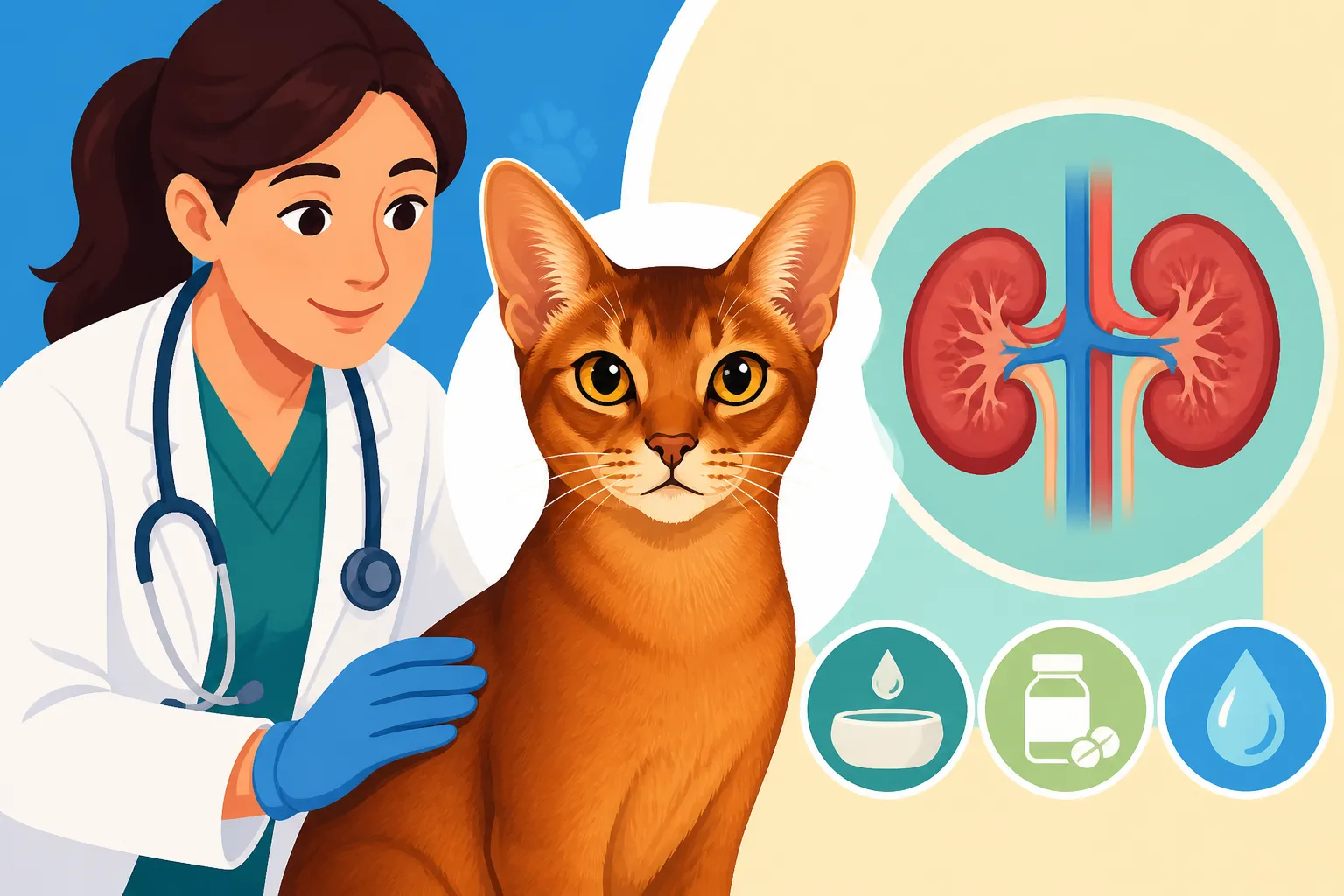
Dehydration is a common and serious concern for cats with kidney disease because their damaged kidneys can't conserve water effectively. This is where fluid therapy, particularly subcutaneous (under the skin) fluids, often comes into play. Administering fluids at home can sound daunting at first, but many owners quickly become proficient. These fluids help flush toxins from the bloodstream, support remaining kidney function, and keep your Abyssinian hydrated, making them feel much better. Your vet will show you how to do it and prescribe the appropriate type and amount of fluids, which typically happens a few times a week or even daily, depending on the stage of the disease.
Beyond direct fluid administration, encouraging your Abyssinian to drink more water is vital. This can involve strategic placement of multiple water bowls, offering filtered water, or introducing a cat drinking fountain, which some Abyssinians find highly appealing. Feeding wet food exclusively is also a fantastic way to boost their daily water intake significantly. Remember, Whether Fluids at Home Help an Abyssinian is a resounding yes, and understanding Why an Abyssinian's Kidneys Make Water Intake Matter underscores the importance of every drop. Every little bit of extra hydration helps support their struggling kidneys.
Managing Secondary Complications
Kidney disease isn't just about the kidneys; it often leads to a cascade of other health problems that need to be addressed. One common complication is high blood pressure, or hypertension, which can further damage the kidneys, heart, and eyes. Your vet will regularly check your Abyssinian's blood pressure and may prescribe medication like amlodipine to keep it under control.
Anemia is another frequent issue, as diseased kidneys produce less erythropoietin, a hormone that stimulates red blood cell production. An anemic cat might seem lethargic, weak, and have pale gums. Treatment can involve iron supplements or, in severe cases, erythropoietin injections. Nausea and poor appetite are also common due to toxin buildup, so anti-nausea medications (like Cerenia) and appetite stimulants (such as mirtazapine) are often used to ensure your Abyssinian eats enough. Finally, phosphorus binders may be prescribed if dietary control alone isn't sufficient to lower blood phosphorus levels, which is often detected on follow-up bloodwork. Managing these complications proactively is key to your Abyssinian's comfort and longevity.
Long-Term Care and Quality of Life
Living with an Abyssinian diagnosed with kidney failure means a shift to a new normal, one focused on consistent monitoring and dedicated care to ensure their comfort and happiness for as long as possible. It's a journey that requires patience, vigilance, and a strong partnership with your veterinary team.
Regular Monitoring and Adjustments
Once a treatment plan is in place, regular follow-up visits to your veterinarian are absolutely non-negotiable. These check-ups, often every 1-3 months, are crucial for assessing how your Abyssinian is responding to treatment and for making necessary adjustments. Your vet will re-evaluate bloodwork (BUN, creatinine, SDMA, phosphorus, potassium, red blood cell count) and urinalysis to track disease progression and identify any emerging complications. Blood pressure will also be routinely monitored.
It's an evolving situation; what works today might need tweaking next month. Your vet might adjust medication dosages, suggest new appetite stimulants, or recommend changes to fluid therapy based on your cat's current condition. This proactive approach ensures that your Abyssinian always receives the most appropriate and effective care, optimizing their quality of life. This is where a good pet insurance plan, like one from Healthy Paws, can be an absolute lifesaver, helping to cover the often significant costs of these ongoing diagnostics, medications, and treatments, removing some financial stress during an already challenging time.
Creating a Comfortable Home Environment
Beyond medical interventions, creating a supportive and comfortable home environment is incredibly important for an Abyssinian with kidney disease. Ensure easy access to food, water, and litter boxes. If your Abyssinian is older or less mobile due to generalized weakness, consider moving resources to lower, more easily accessible levels. A warm, quiet, and comfortable resting spot can make a huge difference, especially if they're feeling a bit more lethargic than usual.
Maintaining a consistent routine is also beneficial. Abyssinians thrive on predictability, and even subtle changes can cause stress, which can negatively impact their appetite and overall well-being. Continue to engage them in gentle play, but be mindful of their energy levels. While you might know What an Abyssinian Hides Pain Behind Its Energy, you’ll still need to be extra observant as the disease progresses and their stamina may wane. Small adjustments to their environment and routine can significantly enhance their day-to-day comfort.
Emotional Support for Owners and Pets
Dealing with a chronic, progressive illness like kidney failure is emotionally draining for pet owners. It's a constant balancing act between hope and reality, joy in their good days and sadness on the bad. Don't underestimate the toll this takes on you. Allow yourself to feel the grief and anxiety. Talking to your veterinarian, a trusted friend, or even a pet loss support group can provide much-needed comfort and perspective.
For your Abyssinian, your continued presence, affection, and commitment to their care are their greatest comforts. They may not understand the diagnosis, but they absolutely feel your love and attention. There will come a time, often the hardest part of this journey, when you need to assess their quality of life realistically. This means looking beyond isolated good moments and considering their overall well-being: are they eating, drinking, interacting, and comfortable? Are they still enjoying life? These are tough questions, but your vet can help you assess their current state objectively. It's about ensuring your beloved companion lives with dignity and without unnecessary suffering.
Advanced Interventions and End-of-Life Decisions
While the primary focus of managing Abyssinian kidney failure is conservative care, some advanced interventions exist, though they come with significant considerations. Ultimately, the most compassionate decision often involves understanding when to prioritize comfort and say goodbye.
Dialysis and Transplant Considerations
For a small percentage of cats with acute kidney injury or certain stages of chronic kidney disease, specialized treatments like hemodialysis (an artificial kidney machine) or even kidney transplantation might be discussed. These are highly advanced, extremely expensive, and only available at a handful of veterinary specialty centers worldwide. Dialysis acts as a temporary bridge, filtering the blood when the kidneys cannot, but it requires frequent, intensive sessions and isn't a long-term solution for most chronic cases.
Kidney transplantation offers the possibility of a longer lifespan, but it involves immense financial, logistical, and ethical considerations. The procedure itself is complex, and finding a suitable donor cat (who must then also be adopted by the recipient's family) adds another layer of difficulty. The success rates, while improving, are not guaranteed, and the cat will require lifelong immunosuppressant drugs, which come with their own risks and side effects. For most Abyssinian owners, these options are simply not feasible due to cost, accessibility, and the intense commitment required. While these procedures exist, for the vast majority of Abyssinians with kidney failure, they are not a practical or recommended path, and it’s important to have realistic expectations here.
Making Compassionate End-of-Life Choices
This is, without a doubt, the most difficult conversation any pet owner will ever have. When medical management can no longer maintain a reasonable quality of life for your Abyssinian, the compassionate choice often becomes euthanasia. This decision is rarely clear-cut and is fraught with guilt, sadness, and self-doubt. Your veterinarian will guide you through this process, helping you evaluate various factors that contribute to quality of life. Are they experiencing persistent pain that can't be controlled? Have they stopped eating and drinking? Are they withdrawn, struggling to move, or showing signs of chronic discomfort?
The goal is to prevent suffering, allowing your Abyssinian to pass peacefully and with dignity, surrounded by your love. It's a final act of kindness, ensuring that their last moments are comfortable and serene. While insurance providers like Healthy Paws are excellent for covering treatments, they don’t ease the emotional burden of this ultimate decision. It’s a profound personal choice, made out of deep love, and it’s important to remember that you are not alone in making it. Your vet, your family, and support networks are there to help you navigate this incredibly painful, yet necessary, step in your Abyssinian's life journey.
Veterinary Management of Abyssinian Kidney Failure at a Glance
| Aspect of Management | Description & Purpose | Common Challenges |
|---|---|---|
| Early Detection | Regular vet check-ups, blood (SDMA, creatinine, BUN) & urine tests (specific gravity, proteinuria) to catch disease early. | Abyssinians hide illness well; symptoms are subtle until advanced stages. |
| IRIS Staging | Classifying kidney disease into 4 stages based on bloodwork, blood pressure, and proteinuria to guide prognosis and treatment. | Can be overwhelming for owners to understand; varying prognoses. |
| Dietary Changes | Prescription renal diets (low phosphorus, controlled high-quality protein) to reduce kidney workload and toxin buildup. | Abyssinians are picky eaters and may refuse new diets; palatability issues. |
| Fluid Therapy | Subcutaneous fluids at home to combat dehydration, flush toxins, and support remaining kidney function. | Initial owner apprehension about needles; finding time for regular administration. |
| Blood Pressure Control | Medications (e.g., Amlodipine) to manage hypertension, protecting kidneys, heart, and eyes. | Requires consistent medication administration; blood pressure can fluctuate. |
| Anemia Management | Iron supplements or erythropoietin injections to stimulate red blood cell production. | Anemia can worsen lethargy and weakness; treatments may be ongoing. |
| Nausea/Appetite Control | Anti-nausea drugs (Cerenia) and appetite stimulants (Mirtazapine) to maintain calorie intake. | Finding effective combinations; side effects of medications. |
| Phosphorus Binders | Medications added to food to bind excess phosphorus, preventing further kidney damage. | Consistent administration with meals; cat aversion to taste/texture. |
| Ongoing Monitoring | Regular vet visits, bloodwork, and urinalysis to track progression and adjust treatment. | Frequency of vet visits; financial burden of ongoing tests and medications. |
| Environmental Comfort | Easy access to resources, warm resting spots, consistent routine. | Adapting home for changing mobility; balancing activity with rest needs. |
| Quality of Life Assessment | Continuous evaluation of comfort, activity, appetite, and interactions to ensure dignity. | Emotional difficulty for owners; recognizing decline through a cat's stoicism. |
| End-of-Life Decisions | Making the compassionate choice for euthanasia when quality of life severely diminishes. | Intense emotional distress and guilt for owners; knowing "when is the right time." |
Disclaimer
The information provided in this article is for general informational purposes only and is not a substitute for professional veterinary advice. Always consult with a qualified veterinarian regarding your Abyssinian's specific health condition, diagnosis, and treatment options. Medical information is constantly evolving, and individual cases can vary significantly.