Why Abyssinian Lines Are Judged on Family History Instead
It's incredibly frustrating when you're trying your best to ensure your beloved Abyssinian lives a long, healthy life, only to discover that some of the most serious health concerns don't even have a simple DNA test. You want to be proactive, but you hit a wall when the science isn't quite there yet. This guide dives deep into why, for crucial aspects of Abyssinian health, particularly with untestable conditions like renal amyloidosis, looking at a cat's family history and pedigree becomes far more vital than any individual genetic screening certificate alone.
The Frustration of Untestable Diseases: Renal Amyloidosis
We all wish there was a magic bullet, a simple blood test or cheek swab, to definitively tell us every potential health issue our furry family members might face. Unfortunately, for some of the most devastating conditions affecting Abyssinians, that technology simply doesn't exist yet. This leaves dedicated owners and ethical breeders in a challenging position, relying heavily on historical data and careful observation.
What is Renal Amyloidosis and its Impact?
Renal amyloidosis is a truly heartbreaking condition that disproportionately affects Abyssinians. It's not like other diseases where we can pinpoint a specific gene mutation and test for it. Instead, it involves the abnormal deposition of amyloid protein in the kidneys, essentially clogging up these vital organs and leading to progressive, irreversible kidney failure. This accumulation can happen slowly, often unnoticed until the damage is significant. The insidious nature of this disease means that by the time overt symptoms appear, such as increased thirst, weight loss, or lethargy, the kidneys are usually severely compromised. The amyloid protein literally builds up, disrupting the normal function of the kidney tissues, and it can start subtly, making early detection a race against time. If you're wondering, What Renal Amyloidosis Deposits in an Abyssinian's Kidney, it's a specific type of protein that causes this damage.
Why a Gene Test Remains Elusive for This Disease
This is perhaps the biggest source of frustration for the Abyssinian community. Despite decades of research, scientists have yet to identify a single, causative gene mutation that can be reliably tested for renal amyloidosis. Unlike Pyruvate Kinase Deficiency or PRA-rdAc, where clear genetic markers exist, amyloidosis seems to be a complex, multifactorial disease, likely influenced by a combination of genetic predispositions and environmental factors. This complexity makes developing a simple DNA test incredibly challenging. The scientific community is still working tirelessly to understand the full genetic picture, but until that breakthrough happens, breeders and owners are left without a definitive genetic screening tool. This is why Why No Gene Test Exists for Abyssinian Amyloidosis is a constant question among owners.
The Silent Threat of Kidney Failure in Young Abyssinians
One of the most devastating aspects of renal amyloidosis is its potential to strike young Abyssinians, sometimes even before they reach their prime. While kidney disease is often associated with older cats, amyloidosis can lead to How Young an Abyssinian Can Lose Its Kidneys in cats as young as two or three years old. This makes it a silent killer, as outwardly healthy, energetic cats can suddenly decline rapidly. Imagine the shock of a vibrant kitten, full of life and mischief, suddenly showing signs of severe illness. The rapid onset in some cases means there's little time to react once symptoms become apparent. This reality underscores the need for constant vigilance and, crucially, a deep understanding of an Abyssinian's family health history.
The Limitations of Genetic Panels Alone
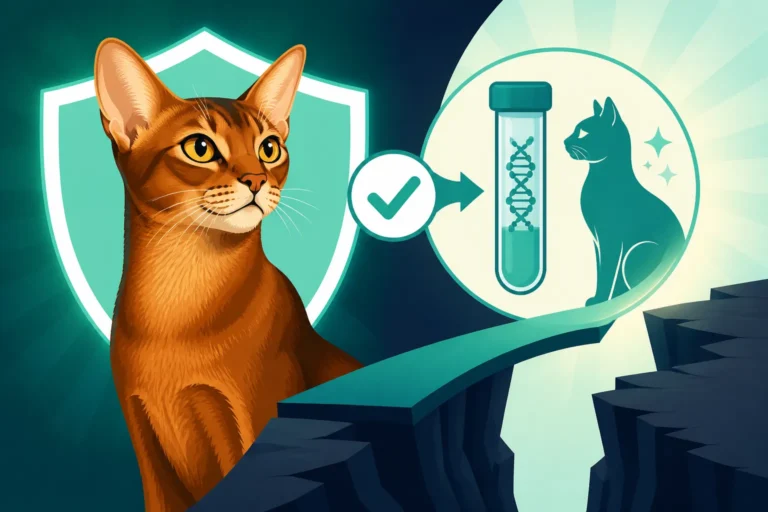
While genetic testing has revolutionized our ability to screen for many hereditary diseases, it's essential to understand that a "clear" DNA panel doesn't automatically guarantee a cat is free from all potential hereditary health issues. It's a fantastic tool, but it's not the complete picture. Relying solely on these tests can give a false sense of security, especially for breeds like the Abyssinian with known, untestable predispositions.
Diseases a Standard DNA Panel Does Cover
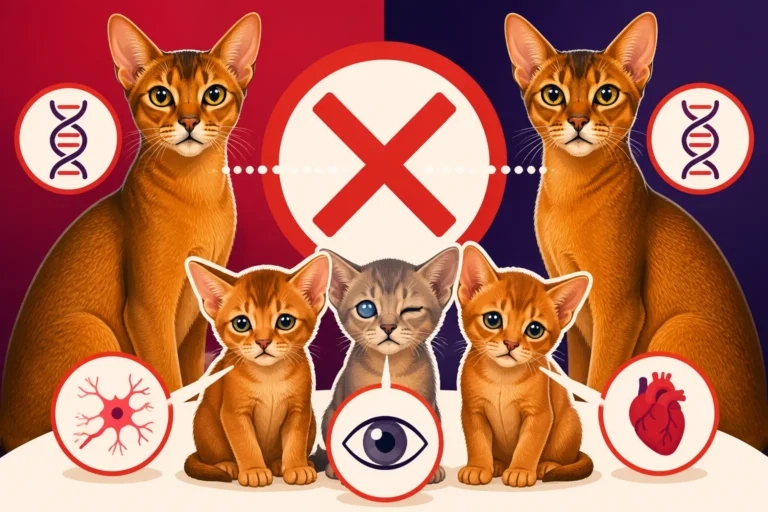
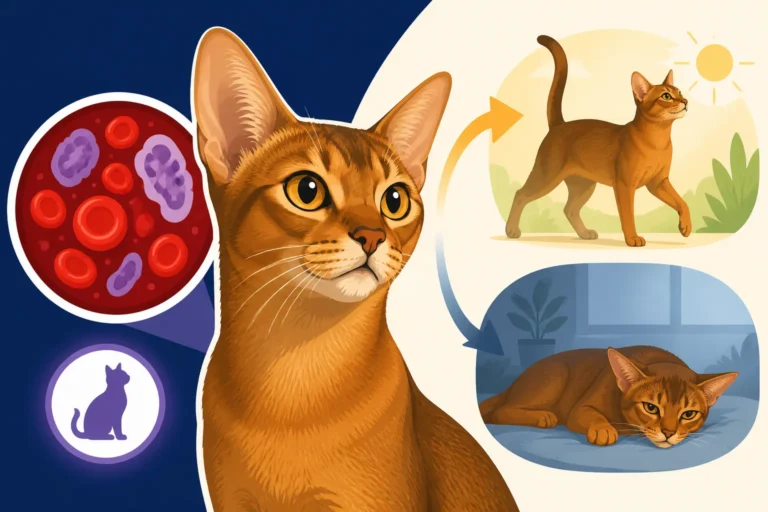
For Abyssinians, there are indeed specific conditions that can be identified through DNA testing, offering immense peace of mind. The primary ones we focus on are Pyruvate Kinase Deficiency (PKD) and Progressive Retinal Atrophy (PRA-rdAc). PK Deficiency affects red blood cell metabolism, leading to intermittent anemia, while PRA-rdAc causes progressive blindness. These are clearly defined genetic mutations, and modern labs offer reliable tests. Knowing an Abyssinian's status for these conditions allows breeders to make informed pairing decisions, preventing the birth of affected kittens and gradually reducing the prevalence of these genes in the breed. A responsible breeder will always provide results for these, as outlined in The Abyssinian Has Three DNA Tests and One Disease With None.
The Gap Between Known Genes and Total Health Picture
However, the reality is that feline genetics, while advanced, are still evolving. There are many complex conditions that scientists haven't yet linked to a single, identifiable gene. Renal amyloidosis is the prime example for Abyssinians, but it's not the only one. Other conditions, like some forms of inflammatory bowel disease, certain heart conditions, or even predispositions to severe gingivitis, might have a genetic component that's too intricate for current single-gene tests. A cat could have a perfectly clear DNA panel for PK Deficiency and PRA-rdAc, yet still carry a strong familial predisposition to renal amyloidosis or another untestable ailment. This is why you can't just tick boxes on a form and assume everything is fine; you need to look deeper into the lineage.
Understanding Carrier Status vs. Affected Status
Genetic panels also introduce the concept of "carrier" status, which can be confusing for new owners. For diseases like PK Deficiency, an Abyssinian can be a "carrier" – meaning they have one copy of the faulty gene but do not show symptoms themselves. They are perfectly healthy. An "affected" cat, on the other hand, has two copies of the faulty gene and will develop the disease. A "clear" cat has no copies of the faulty gene. Responsible breeding protocols involve never pairing two carriers, as this risks producing affected kittens. While carriers are healthy and can be bred with clear cats, understanding these nuances is crucial. This is particularly important for owners who might wonder Why an Abyssinian Marked as a Carrier Is Still Fine but needs to understand the implications for future generations if they choose to breed.
The Power of a Comprehensive Family Tree
Given the limitations of genetic testing for certain key Abyssinian health issues, the historical record contained within a comprehensive family tree becomes an indispensable tool. This isn't just about looking at a piece of paper; it's about piecing together a generational narrative of health and longevity.
Tracing Health Trends Through Generations
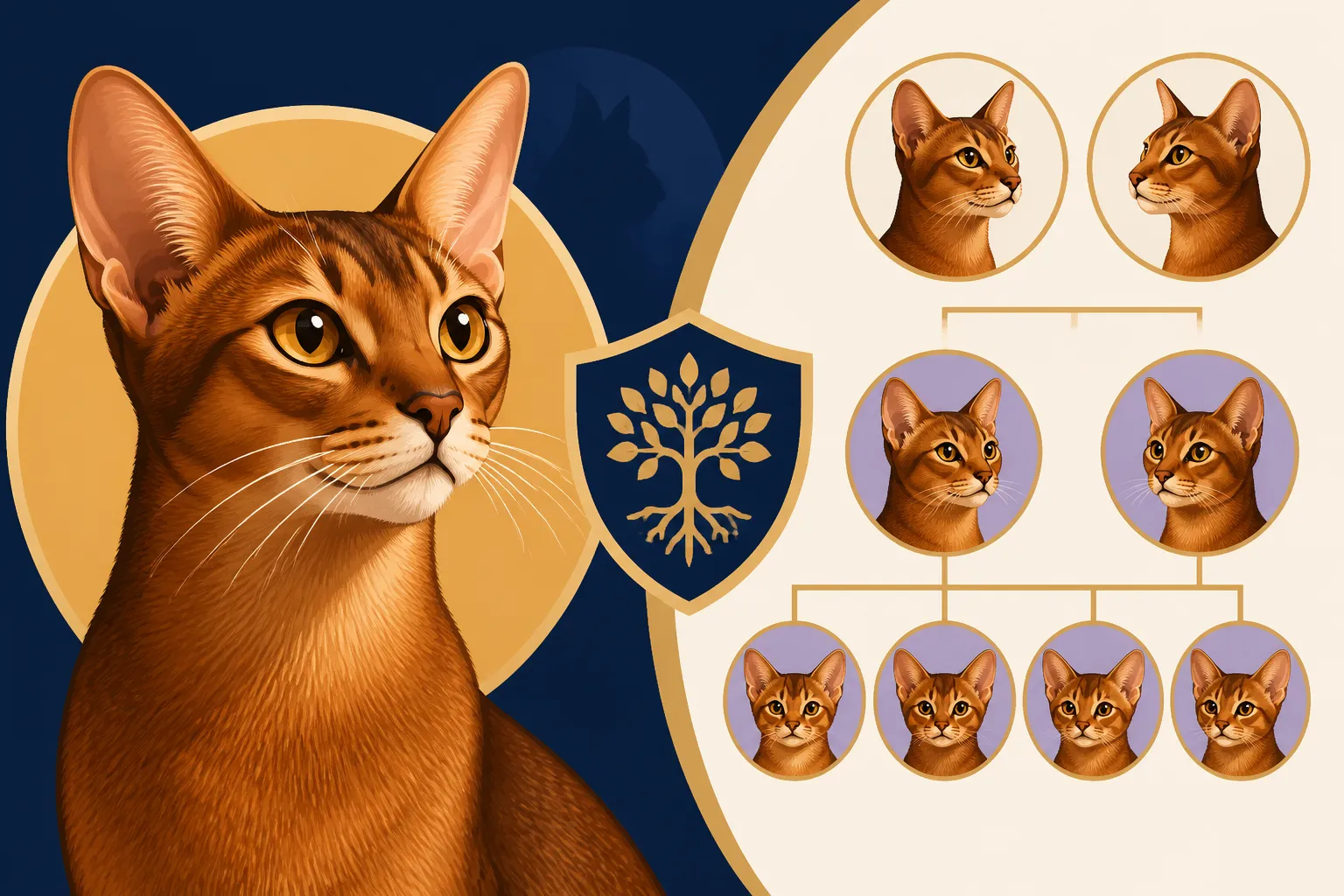
An ethical breeder doesn't just know the parents of a kitten; they know the grandparents, great-grandparents, and beyond. They track health outcomes, causes of death, and any recurring patterns of illness within their lines. For conditions like renal amyloidosis, where no DNA test exists, this generational tracking is the only way to identify lines with a higher or lower incidence of the disease. If several cats in a particular lineage died young from kidney failure, even if they were otherwise healthy and had clear DNA panels for testable diseases, that's a massive red flag. This meticulous record-keeping helps to highlight predispositions that simply can't be found through a simple swab. This type of deep dive into What an Abyssinian's Grandparents Reveal About Its Kidneys is crucial.
Recognizing Patterns and Red Flags in Lineages
Imagine a breeder who notices that a specific ancestor, perhaps a beautiful champion male or female, has produced multiple offspring that later succumbed to kidney disease at a young age. This pattern, consistently appearing across several litters and generations, provides invaluable data. It suggests a genetic predisposition to amyloidosis that is being passed down, even without a specific gene marker. These are the "red flags" that a good breeder pays close attention to, opting to avoid breeding from those particular lines or using specific cats, even if they appear healthy themselves. It's a painstaking process, requiring diligent record-keeping and a deep commitment to breed health over mere show wins. It's truly a testament to why Why an Abyssinian Line's History Matters More Than Any Test holds so much weight.
How Breeders Use Pedigrees Beyond Show Standards
While pedigrees are often associated with tracing lineage for show qualifications and verifying purebred status, their role in health goes far deeper. Ethical Abyssinian breeders utilize pedigrees as living health documents. They are not just names and titles, but a map of health successes and challenges. A responsible breeder will be able to discuss the health of the cats listed on the pedigree, sharing information about any known issues, lifespans, and causes of death where possible. This is a level of transparency that goes far beyond simply handing over a piece of paper. It transforms the pedigree from a historical record into a critical risk assessment tool, allowing breeders to make informed choices that protect the future health of the breed.
Practical Steps for Prospective Abyssinian Owners
As a prospective Abyssinian owner, you have a significant role to play in ensuring you bring home a healthy kitten. Being prepared with the right questions and understanding the answers is paramount. This proactive approach will help you navigate the complexities of breed-specific health challenges.
Essential Questions to Ask Your Breeder
When you're looking for an Abyssinian kitten, your questions should extend far beyond color and personality. You absolutely must ask about the health history of both parents, and ideally, their siblings and previous offspring. Specifically, inquire about:
- Genetic Test Results: Ask to see the official DNA test results for PK Deficiency and PRA-rdAc for both parents. A responsible breeder will have these readily available.
- Renal Amyloidosis History: This is critical. Ask if there is any history of kidney disease or early deaths due to kidney failure in the parents' lines, particularly from their parents or siblings. Be specific about amyloidosis.
- Average Lifespans: What are the typical lifespans of the cats in their breeding program's lineage? Early deaths are always a concern.
- Vet Records: While you won't get full vet records, ask about regular vet check-ups for the breeding cats and any significant health events they've experienced.
- Health Guarantee: Understand the specifics of their health guarantee. What does it cover? How long does it last? Is it common for Why an Abyssinian Guarantee Usually Excludes Amyloidosis in breeder contracts, which is a key point to clarify.
An ethical breeder will appreciate these detailed questions and be happy to discuss them openly. If a breeder seems hesitant or evasive, consider it a red flag. Remember, What an Abyssinian Breeder Should Have Tested Before You Buy is more than just DNA panels.
Deciphering Health Guarantees and Exclusions
It's tempting to think a health guarantee covers everything, but the reality is often more nuanced. Guarantees typically cover conditions that are DNA-testable and clearly genetic, or acute issues that manifest very early in a kitten's life. For conditions like renal amyloidosis, which can strike later and doesn't have a direct test, guarantees often have specific exclusions or limited coverage periods. Read any contract carefully and ask for clarification on anything you don't understand. A reputable breeder will explain the limitations transparently. It's not about trying to avoid responsibility; it's about dealing with the known realities of untestable diseases. Understanding these guarantees is a vital part of protecting yourself and your Abyssinian. Many pet insurance providers, like Healthy Paws, will also have exclusions for pre-existing conditions, so insuring your kitten early is always a good idea before any issues might arise.
The Role of Regular Vet Checks and Proactive Care
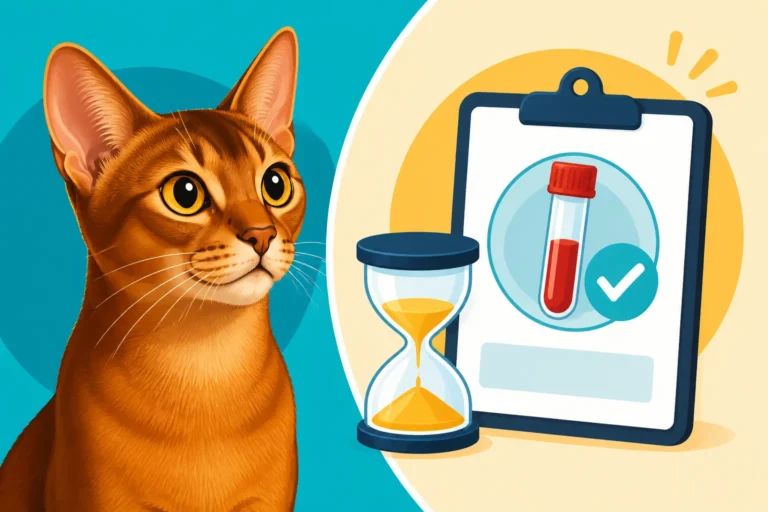
Even with a thoroughly vetted kitten from a responsible breeder, proactive veterinary care throughout your Abyssinian's life is non-negotiable. Regular annual check-ups are vital, but for a breed with a predisposition to kidney issues, you might want to discuss more frequent screenings, especially as your cat reaches middle age. Key tests include urinalysis, blood work including SDMA (Symmetric Dimethylarginine), and creatinine levels. Which Blood Values Catch an Abyssinian's Kidneys Early explains how these tests can provide early indicators.
Early detection, even without a specific genetic test, can significantly impact the management and quality of life for an Abyssinian with emerging kidney issues. Talk to your vet about a baseline SDMA test for your Abyssinian kitten or young adult, as this marker can sometimes show changes earlier than creatinine. Planning for potential health challenges financially, perhaps with a robust pet insurance plan like those offered by Healthy Paws, or by setting aside a dedicated savings fund, is a smart move for any Abyssinian owner.
The Breeder's Ethical Responsibility and Transparency
The backbone of managing untestable hereditary diseases in the Abyssinian breed rests squarely on the shoulders of ethical breeders. Their commitment to transparency, meticulous record-keeping, and a long-term vision for breed health is what truly safeguards the future of these magnificent cats.
Why Disclosure of Ancestral Health Issues is Paramount
An ethical breeder understands that hiding ancestral health issues does a disservice to the entire breed. It perpetuates problems and makes it impossible for other breeders to make informed decisions, inadvertently spreading undesirable traits. Instead, transparent disclosure of any known instances of conditions like renal amyloidosis in a cat's lineage is a hallmark of responsibility. This means openly discussing not just the parents' immediate health, but also what happened to their parents, siblings, and offspring. It requires courage and a commitment to honesty, even when the truth isn't easy or might impact a cat's perceived value. This level of candor builds trust and contributes to the collective knowledge base of the breed. It also helps prospective owners understand the potential risks, allowing them to make truly informed decisions and better prepare for the long-term care of their pet.
The Importance of a Breeder's Own Tracking System
Beyond publicly available pedigrees, dedicated breeders maintain extensive internal tracking systems. This isn't just a casual mental note; it involves detailed spreadsheets, databases, and physical files documenting the health outcomes of every cat they've bred, along with their descendants. They track lifespans, causes of death (often requiring follow-up with puppy/kitten buyers years later), occurrence of specific diseases, and even behavioral traits. This proprietary data, collected over decades, forms the true "family history" that informs their breeding decisions. Without such a rigorous system, patterns for untestable diseases like amyloidosis would be impossible to identify, and the breed would suffer. These breeders are essentially their own researchers, painstakingly gathering the data that science currently can't provide through a simple test.
Collaborative Efforts in Breed Health Improvement
No single breeder can solve complex breed health issues alone. Ethical Abyssinian breeders often work collaboratively, sharing health information (anonymously if necessary) within a trusted network. They attend breed health seminars, consult with veterinary geneticists, and sometimes even contribute to research studies. This collective effort, built on open communication and a shared goal of improving the breed, is vital. Organizations like the Abyssinian Cat Club of America (ACCA) or The Cat Fanciers' Association (CFA) often promote and support these initiatives, advocating for responsible breeding practices and funding research into conditions like renal amyloidosis. By working together, the community helps build a more complete picture of genetic health, addressing challenges that individual DNA tests simply cannot. This kind of comprehensive approach not only helps individual cats but strengthens the entire breed for future generations, ensuring the Abyssinian continues to thrive with the best possible health outcomes. And having a good pet insurance plan from a company like Healthy Paws can give owners further peace of mind in these collective efforts.
The Unseen Story: Why Family History Trumps the Unknown
It’s clear now that while DNA tests are invaluable for certain hereditary conditions in Abyssinians, they are not a silver bullet. For the significant threat of renal amyloidosis, the meticulous tracing of family history becomes the paramount tool for health assessment. This dedication to tracking lifespans, causes of death, and patterns of illness across generations is the only way breeders can make responsible decisions that protect the breed from untestable predispositions. As owners, understanding this nuance and asking the right questions allows us to partner with ethical breeders and provide our beloved Abyssinians with the best possible chance at a long, healthy life.
| Feature | DNA Testable Diseases (e.g., PK Deficiency, PRA-rdAc) | Untestable Diseases (e.g., Renal Amyloidosis) |
|---|---|---|
| Detection Method | Specific gene mutation identified via lab test. | No known specific gene test; diagnosis often by biopsy/necropsy post-mortem. |
| Result Clarity | Clear, Carrier, or Affected status. | No direct genetic status possible; relies on clinical signs and exclusion. |
| Breeder Action | Avoids breeding two carriers together to prevent affected offspring. | Avoids breeding from lines with a high incidence of early disease or death. |
| Owner Information | Provides definitive genetic risk for specific diseases. | Requires open discussion of ancestral health, lifespans, and causes of death. |
| Proactive Care | Genetic screening can prevent disease entirely (with careful breeding). | Vigilant monitoring of symptoms, regular vet checks, and early diagnostics (e.g., SDMA). |
| Guarantee Scope | Often covered by health guarantees for a set period. | Frequently excluded from guarantees due to complex, untestable nature and later onset. |
| Primary Tool | Lab test. | Detailed family history, breeder integrity, and long-term data collection. |
Disclaimer
The information provided in this article is for general informational purposes only and is not intended as a substitute for professional veterinary advice. Always consult with a qualified veterinarian regarding any health concerns or before making any decisions about your pet's health or medical care.