What an Old Abyssinian Slows Down From
It's heartbreaking to notice the first whispers of age in your beloved Abyssinian. One day they're scaling the highest shelves with effortless grace, and the next, you catch them hesitating before a jump, or spending a little longer in a sunbeam. This guide is here to help you understand what natural slowing down looks like for an older Abyssinian, what might be more serious, and how to support them through their golden years.
Recognizing the Subtle Shifts in an Aging Abyssinian
Aging isn't a sudden event, especially for an Abyssinian. These energetic, perpetually curious cats tend to mask discomfort or decline for a long time, thanks to their inherently robust and active nature. However, if you're observant, you'll start to see subtle shifts in their behavior and physical presentation that signal they're entering their senior years. This isn't about becoming a different cat, but rather a slightly softer, perhaps a little wiser, version of the one you know and love.
Early Behavioral Cues of Slowing Down
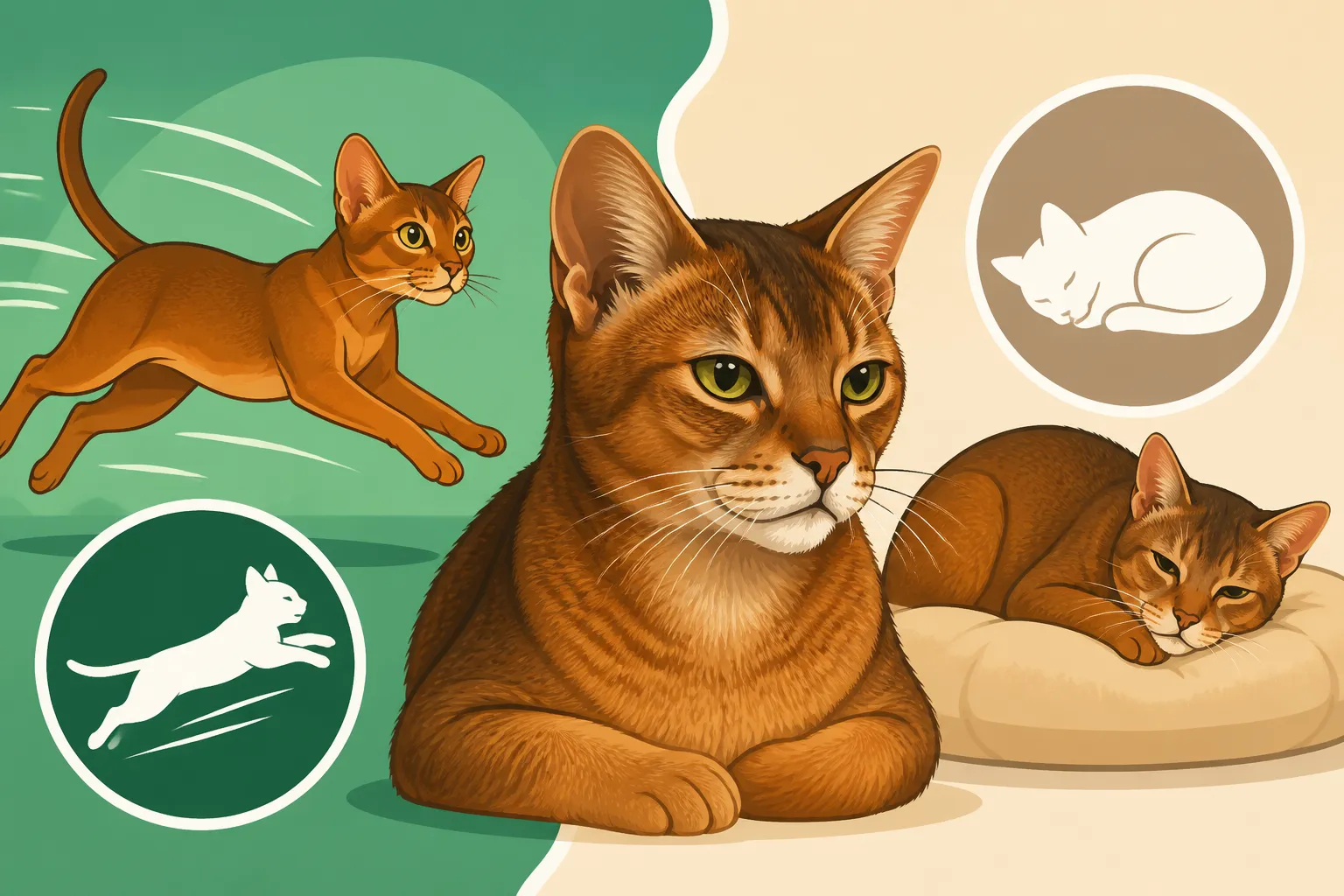
Your Abyssinian, famously known as the "Clown of the Cat World," is likely to remain playful well into their senior years. However, the intensity and duration of that play might begin to taper. You might notice they still chase the wand toy with gusto, but perhaps for only five minutes instead of the usual fifteen. They might choose to watch the action from a comfortable perch rather than always being in the thick of it. That frantic energy that once had them racing through the house at top speed might be reserved for specific times of the day, or not quite reach the same dizzying pace.
Another common behavioral change is a shift in their sleep patterns. While Abyssinians are known for their high activity, they also cherish their naps. An older Abyssinian might take more frequent naps, or sleep for longer stretches. They might still wake you at five in the morning for breakfast, but then quickly settle back down for another snooze rather than immediately demanding playtime. You might also find them seeking out warmer, softer sleeping spots more frequently, perhaps snuggling under blankets or preferring a heated cat bed over their usual cool shelf. Their vocalizations might also change slightly; perhaps a little softer, or they might become more vocal when they want something specific, like food or attention, rather than just announcing their presence.
Physical Changes Beyond the Kitten Years
Beyond the behavioral shifts, there are physical indicators that your Abyssinian is getting older. One of the most noticeable is often their coat. The vibrant, intensely ticked coat that shimmers with every movement might lose some of its luster. It might become slightly coarser to the touch, or you might notice a subtle dulling of color. This can sometimes be attributed to less diligent self-grooming, as reaching certain spots might become harder with age or stiffness. You may also start to see a general thinning of the coat, or perhaps a few more white hairs around their muzzle, much like a distinguished human friend.
Their muscle tone can also change. While Abyssinians are naturally lean and athletic, an older cat might show a slight decrease in muscle mass, especially along their spine or hindquarters. This isn't always immediately obvious under their short, dense coat, but you might feel it more acutely when you pet them. Their eyes, once bright and unclouded, might develop a slight haziness, known as lenticular sclerosis, which is a normal age-related change and usually doesn't significantly impact their vision. However, any sudden changes in eye appearance or pupil dilation should always be checked by a vet, as it could indicate something more serious.
Common Health Concerns Contributing to a Decline in Activity
It's important to remember that while some slowing down is normal with age, many underlying health issues can mimic or exacerbate these signs. Ignoring these changes under the assumption of "just old age" can mean missing crucial opportunities for intervention and improving your Abyssinian's quality of life. Regular veterinary check-ups become paramount as your Abyssinian ages, allowing your vet to catch subtle changes that might not be obvious to the untrained eye.
Joint and Musculoskeletal Issues
Just like us, older cats can develop arthritis, making their movements less fluid and more painful. What might look like a simple "slowing down" or "not wanting to jump" could actually be chronic pain in their joints. An Abyssinian who used to effortlessly scale the highest cat tree might now hesitate, or visibly struggle, to reach their favorite spot. You might notice them stiffening after a nap, or taking shorter, more tentative steps. Patellar luxation, a condition where the kneecap slips out of place, can also affect Abyssinians, and while it often presents earlier in life, it can worsen with age, contributing to discomfort and reduced mobility.
The signs can be subtle: a less enthusiastic greeting when you come home, reluctance to use the litter box if it has high sides, or even a change in their preferred sleeping position to avoid putting pressure on a sore joint. It’s not that they don't want to climb, it's that it hurts to climb. Your vet can often diagnose arthritis through a physical examination and sometimes X-rays, and there are many effective treatments, from pain management medications and supplements to environmental modifications. This is one area where understanding How an Old Abyssinian's Grooming Changes can be helpful, as a cat struggling to groom certain areas might be doing so because of joint pain.
The Insidious Progression of Kidney Disease
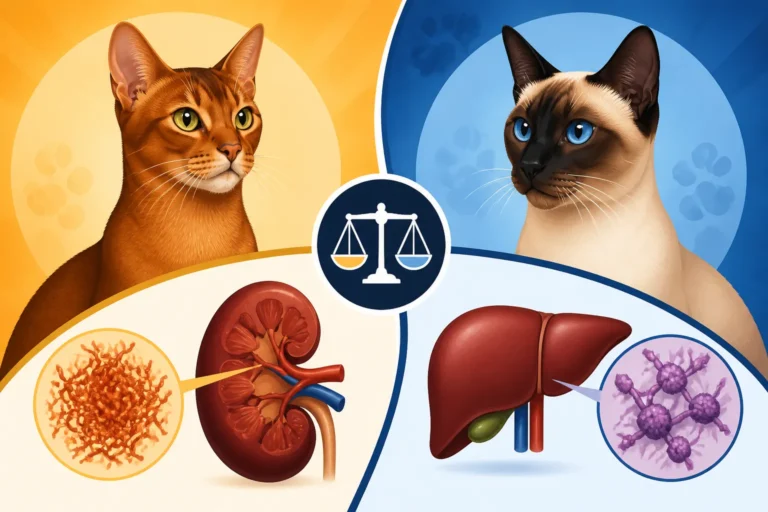
Kidney disease is a silent, pervasive threat to aging cats, and Abyssinians are unfortunately no stranger to it. While there's no single gene test for the breed-specific amyloidosis that can affect their kidneys, regular monitoring is crucial. Initially, kidney disease can manifest as subtle changes: a slight increase in thirst, more frequent urination, or a mild decrease in appetite. These symptoms are easily mistaken for normal aging. However, as the disease progresses, you might notice more dramatic changes, such as significant weight loss despite a normal or even increased appetite, vomiting, or a dull, unkempt coat.
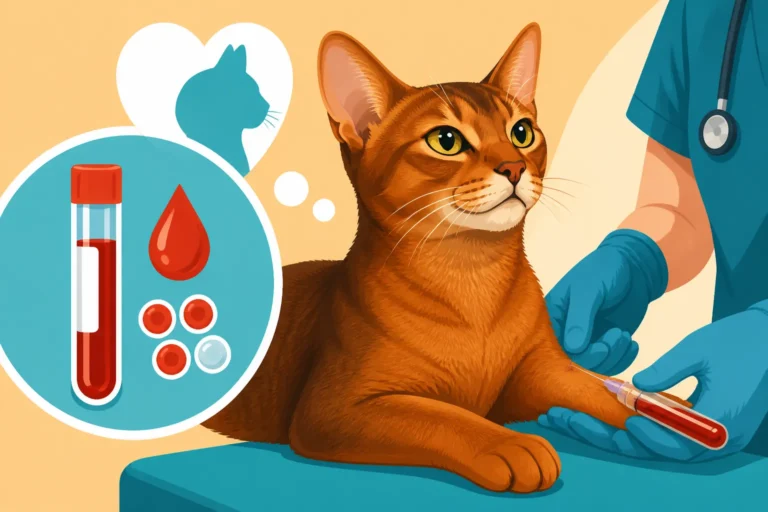
The reason it's so insidious is that cats are incredibly good at compensating until a significant portion of their kidney function is already lost. By the time overt symptoms appear, the disease is often advanced. This is why regular bloodwork, including an SDMA test, which can detect kidney changes earlier than traditional creatinine, is vital for older Abyssinians. Proactive monitoring means your vet can intervene earlier, often with dietary changes, fluid therapy, and medications to slow the progression and improve their quality of life. This ties into How an Old Abyssinian's Kidneys Are Monitored and why this vigilance is so important.
Thyroid Troubles and Other Metabolic Changes
Another common health issue in older Abyssinians that can lead to a perceived "slowing down" is hyperthyroidism, an overactive thyroid gland. It often has contradictory symptoms that can be confusing. Many owners report a more active, sometimes even hyperactive, cat who loses weight despite a ravenous appetite. However, some older Abyssinians, particularly those with other concurrent health issues, can present with lethargy and weakness. The increase in metabolic rate can put a strain on their heart and other organs, eventually leading to a general decline in energy and well-being.
Your vet can easily diagnose hyperthyroidism with a simple blood test. Once diagnosed, it's highly treatable with medication, diet, radioactive iodine therapy, or surgery, depending on the individual cat and the severity. Other metabolic changes can also occur, such as diabetes, though less common in Abyssinians than in some other breeds. These conditions often present with changes in thirst, urination, appetite, and energy levels, all of which can contribute to your cat seeming "slower" or "less active." Identifying and managing these conditions can dramatically improve their comfort and activity levels.
Supporting Your Senior Abyssinian's Continued Zest for Life
Even if your Abyssinian is slowing down, it doesn't mean their quality of life has to diminish. With some thoughtful adjustments and dedicated care, you can ensure their golden years are as comfortable, engaging, and joyful as possible. It's about meeting them where they are and adapting your routine to their evolving needs, all while cherishing every moment.
Adapting the Home Environment for Easier Movement
Their old favorite climbing spots might now be too challenging. Instead of expecting them to jump onto high shelves, consider adding ramps or pet stairs to help them access their cherished vertical spaces. Lower cat trees or steps leading to window perches can make a world of difference. Ensure their litter boxes are easily accessible, perhaps opting for boxes with lower sides, or placing multiple boxes in convenient locations, especially if they struggle with stairs.
Comfort is key. Provide soft, orthopedic beds in their favorite sunny spots, away from drafts. Heated beds can be particularly soothing for arthritic joints. Make sure their food and water bowls are easily reachable and don't require them to strain or stretch uncomfortably. For Abyssinians who enjoy drinking from running water, a pet fountain can encourage hydration, which is crucial, especially for kidney health. Small adjustments like these demonstrate empathy and can significantly reduce daily strain, allowing them to enjoy their remaining mobility without unnecessary discomfort. You might also reconsider What Not to Move Around a Blind Abyssinian if their vision is declining, as familiarity with their environment becomes even more important.
Nutritional Adjustments for the Less Active Cat
As Abyssinians age, their metabolism can change, and their activity levels typically decrease. This means their caloric needs might shift. It's crucial to work with your vet to determine the appropriate diet. Many senior cat foods are formulated with lower calorie counts to prevent weight gain, and often contain joint-supporting supplements like glucosamine and chondroitin. However, some older cats, especially those with conditions like hyperthyroidism or kidney disease, might actually need more calories or specialized therapeutic diets.
Adequate hydration is paramount for aging cats, particularly given the Abyssinian's predisposition to kidney issues. Incorporating wet food into their diet is an excellent way to increase their water intake, as kibble alone often doesn't provide enough moisture. If your Abyssinian is on a kidney-specific diet, your vet will guide you on the best options, emphasizing phosphorus and protein restrictions. It's also worth noting that an older Abyssinian's appetite might become pickier, so offering a variety of textures and flavors might be necessary to ensure they eat enough. Don't be afraid to experiment under vet guidance to find what they'll happily consume. This emphasis on quality nutrition directly influences How an Old Abyssinian's Food Changes.
The Importance of Regular Veterinary Check-ups
This cannot be stressed enough: routine veterinary care becomes even more critical as your Abyssinian enters their senior years. While yearly check-ups are standard for adult cats, many vets recommend twice-yearly visits for seniors. These appointments allow your vet to thoroughly assess your cat, checking for subtle changes in weight, muscle mass, dental health, heart rate, and internal organ function.
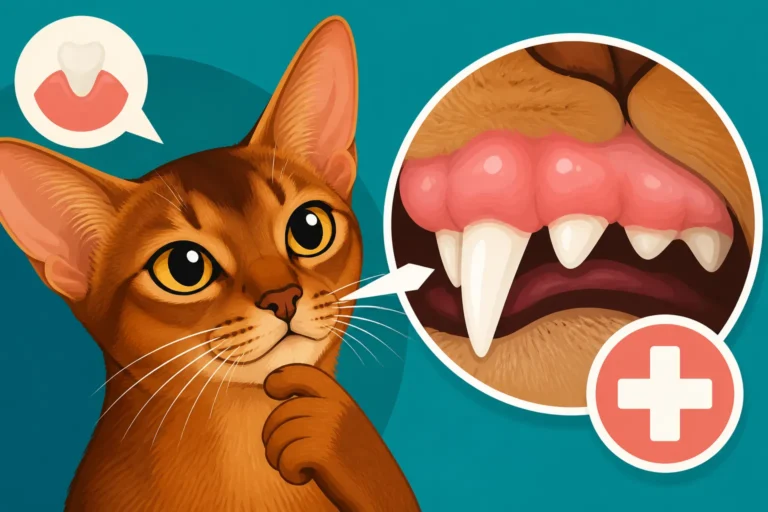
Comprehensive bloodwork, including a complete blood count, chemistry panel, and thyroid levels, should be performed annually, if not more frequently, to detect conditions like kidney disease, hyperthyroidism, and diabetes in their earliest stages. Early detection allows for earlier intervention, often leading to better outcomes and a longer, healthier life. Regular dental check-ups are also vital, as dental disease can cause significant pain and lead to other health problems if left untreated, and Abyssinians are prone to gum issues throughout their lives. Consider this as part of What an Abyssinian Costs to Keep Every Year, as preventive care saves more in the long run. Having a robust pet insurance plan like those offered by Healthy Paws can make these crucial regular visits and any subsequent treatments much more manageable financially, giving you peace of mind.
When to Worry: Differentiating Normal Aging from Serious Illness
The line between "normal aging" and "signs of illness" can be blurry, which is why your observant eye and a good relationship with your vet are so important. While a decrease in energy or more napping might be expected, certain changes warrant immediate attention. The key is to look for sudden, dramatic, or persistent deviations from your Abyssinian's established baseline behavior.
Key Indicators That Warrant Immediate Vet Attention
Any abrupt change in your Abyssinian's behavior or physical condition should be a red flag. For instance, if your typically social Abyssinian suddenly starts hiding, becomes aggressive, or withdraws from interaction, it could be a sign of pain or illness. Significant changes in appetite—either a sudden refusal to eat or a ravenous hunger paired with weight loss—need immediate investigation. Likewise, a sudden increase or decrease in thirst and urination volume can indicate kidney disease, diabetes, or other serious metabolic issues.
Difficulty breathing, persistent coughing, vomiting, diarrhea, or any visible signs of pain like limping, crying out when touched, or an inability to use their litter box properly are all reasons to call your vet right away. While an old Abyssinian might slow down, they shouldn't be in constant pain or distress. Trust your gut; you know your cat best. If something feels "off," it probably is. Don't hesitate to reach out to your veterinary team. Even a seemingly minor change like Why a Thirsty Young Abyssinian Is a Red Flag in a younger cat can be even more critical in a senior.
The following table offers a quick guide to distinguishing between normal aging and signs that warrant a veterinary visit:
| Symptom Category | Normal Aging Sign | Red Flag for Illness |
|---|---|---|
| Activity Level | Gradual decrease in intensity/duration of play, more frequent naps, slower pace overall. | Sudden, severe lethargy; persistent hiding; refusal to move or play; complete cessation of climbing without environmental changes. |
| Mobility | Slower to jump, occasional stiffness after rest, might need gentle encouragement for high places. | Limping, dragging limbs, crying or yelping in pain, inability to jump onto previously accessible spots, sudden reluctance to use stairs/ramps. |
| Appetite/Thirst | Slight decrease in appetite if activity drops, consistent water intake for typical activity. | Significant decrease or increase in appetite (eating much less or much more); ravenous hunger with unexplained weight loss; excessive thirst and urination; vomiting; diarrhea. |
| Grooming | Less meticulous, slightly duller coat, occasional small mats where hard to reach. | Matted, greasy, or dirty coat; painful areas; excessive licking/chewing in one spot (indicates pain); sudden, severe overgrooming. |
| Weight | Stable weight, or very gradual, minor loss due to muscle atrophy. | Sudden or unexplained significant weight loss; rapid weight gain; visible ribs/spine despite adequate food intake. |
| Behavior | More cuddly, less tolerant of change, some vocalization shifts, slightly pickier about interactions. | Hiding, aggression, persistent inappropriate urination/defecation; disorientation; excessive crying or howling; profound withdrawal. |
| Respiration | Normal breathing rate (15-30 breaths/minute at rest), quiet. | Rapid, shallow breathing; open-mouth breathing; persistent coughing, wheezing, or labored breathing. |
Maintaining Mental Engagement and Comfort
Even if your Abyssinian isn't as physically spry as they once were, their keen intelligence and playful spirit remain. Mental stimulation is just as important as physical comfort. Continue to engage them with puzzle feeders, gentle play sessions, and interactive toys. While their vertical climbing might decrease, they still enjoy overseeing their domain from lower, easily accessible perches. Keep their environment predictable and safe, as older cats can be more sensitive to changes.
Comfort also extends to your emotional presence. Spend quiet time with them, offering gentle petting, soft words, and simply being there. Your presence and consistent routine provide immense comfort and security. Monitor for signs of discomfort or pain, and work with your vet to manage any chronic conditions. Being proactive about pain management, whether through medication, supplements, or even therapies like laser treatment or acupuncture, can help your Abyssinian remain engaged and enjoy their life fully. A comfortable, pain-free cat is a happier cat, and What Pain Relief an Arthritic Abyssinian Can Take can be a lifesaver.
Planning for the Golden Years: Proactive Care and Peace of Mind
The journey through an Abyssinian's senior years can be incredibly rewarding, filled with quiet companionship and profound bonds. However, it also comes with responsibilities and considerations that are best planned for in advance. Being proactive about their health and your resources can significantly ease the path for both you and your beloved cat.
Financial Considerations for Senior Pet Care
Let's be realistic: senior pet care can be more expensive than caring for a young adult cat. Increased vet visits, more frequent diagnostic tests, specialized diets, and potential medications for chronic conditions all add up. This is a reality many pet owners face, and it's something to prepare for. One of the best proactive steps you can take is to invest in pet insurance early in your Abyssinian's life. Providers like Healthy Paws offer comprehensive plans that can cover a significant portion of unexpected veterinary bills, making it easier to say "yes" to necessary diagnostics and treatments without financial strain.
Even if you don't have insurance, setting aside a dedicated "pet emergency fund" can provide a buffer. Discuss estimated costs with your vet, explore payment plans if needed, and consider options like prescription discount programs for medications. Knowing you have a plan in place can alleviate a lot of stress during what can already be an emotionally challenging time. Responsible ownership means preparing for these eventualities, ensuring that your Abyssinian receives the best care possible throughout their entire lifespan, which could be as long as The Twelve to Fifteen Years an Abyssinian Usually Gets.
Embracing the Evolving Bond with Your Aging Companion
As your Abyssinian slows down, your relationship with them will also evolve. The frantic energy might give way to more contented purrs on your lap. The constant demand for play might be replaced by a quiet presence beside you as you work. Embrace these changes. They are not losses, but rather a deepening of the unique bond you share. Take the time to appreciate their wisdom, their calm, and the unwavering affection they offer.
Continue to engage with them on their terms. If they prefer gentle pets to vigorous play, offer gentle pets. If they seek out quiet companionship, provide that space. These years are a precious gift, allowing you to nurture a relationship built on years of shared experiences. Document your time together, take photos, and cherish the quieter moments. While it’s hard to see them age, it's an honor to be there for them through every stage of their life, ensuring their comfort, dignity, and continued happiness. The bond with an aging Abyssinian is one of the most profound connections you'll ever experience.
Disclaimer
The information provided in this guide is for general informational purposes only and does not constitute veterinary advice. Always consult with a qualified veterinarian regarding any health concerns or before making any decisions about your pet's medical care or diet.