How to Read an Abyssinian’s Normal Test Result
It's incredibly reassuring to receive your Abyssinian's genetic test results back, only to find them marked "normal" or "clear." You've done your due diligence, chosen a responsible breeder, and invested in your cat's future health. Yet, for many of us, that simple word doesn't quite clear up all the questions. What exactly does "normal" mean in the intricate world of feline genetics, and how does it truly inform your pet's long-term well-being? This guide is here to demystify those test results, ensuring you understand exactly what your Abyssinian's clean bill of genetic health truly signifies.
Understanding the Core Genetic Tests for Abyssinians
When you receive genetic test results for your Abyssinian, you're typically looking at reports for a couple of key conditions that are known to affect the breed. These tests are vital tools, offering breeders and owners crucial information about a cat's genetic makeup and potential health predispositions. A "normal" result on these panels provides immense peace of mind, confirming your Aby isn't carrying or at risk for these specific genetic ailments.
It's easy to get lost in the scientific jargon, but understanding the basics of what these tests screen for helps you grasp the significance of a "normal" outcome. Knowing the enemy, so to speak, makes the victory of a clear result all the sweeter. These are the building blocks of understanding your Abyssinian's unique genetic blueprint.
Pyruvate Kinase Deficiency (PKDef)
Pyruvate Kinase Deficiency, often abbreviated as PKDef, is one of the most well-known genetic disorders in Abyssinians. It's an inherited hemolytic anemia, meaning it affects the red blood cells, causing them to break down prematurely. Cats affected by PKDef can experience intermittent lethargy, pale gums, weight loss, and an enlarged abdomen. It’s a serious condition that can significantly impact a cat's quality of life and lifespan. If you'd like a deeper dive, check out our guide on Pyruvate Kinase Deficiency Is the Abyssinian's Best Known Test.
When your Abyssinian tests "normal" or "clear" for PKDef, it means they do not carry the mutated gene responsible for the condition. Specifically, they have two healthy copies of the PKLR gene. This is fantastic news because it confirms your cat will not develop the disease, nor will they pass the mutation on to any offspring if they were ever used for breeding. This clear status eliminates a major health concern right from the start, allowing you to focus on other aspects of their care. It’s about more than just avoiding symptoms; it's about inherent cellular health, understanding What PK Deficiency Does to an Abyssinian's Red Cells.
Progressive Retinal Atrophy (PRA-rdAc)
Another critical genetic test for the Abyssinian breed is for Progressive Retinal Atrophy, specifically the rdAc form. This is an inherited eye disease that causes the photoreceptor cells in the retina (the rods and cones) to degenerate over time. The condition typically leads to progressive vision loss, starting with night blindness and eventually leading to complete blindness, often by the age of three to five years. It's a heartbreaking diagnosis, watching an otherwise healthy, energetic cat slowly lose its ability to navigate its world. You can learn more about how this progresses by reading PRA-rdAc Takes an Abyssinian's Sight by Five.
A "normal" or "clear" result for PRA-rdAc indicates that your Abyssinian does not carry the gene mutation associated with this particular form of retinal atrophy. Like with PKDef, this means your cat will not develop the disease and cannot pass it on. Knowing your Abyssinian's eyesight is genetically protected from this specific condition brings immense relief, especially given how active and acrobatic these cats are. Their ability to climb, jump, and explore is so central to their joy, and a clear PRA-rdAc status means you won't have to face the challenges of How PRA-rdAc Blinds an Abyssinian Slowly due to this genetic fault.
Decoding "Normal" or "Clear" on Your Abyssinian's Genetic Panel
The terms "normal" and "clear" are often used interchangeably on genetic test reports, but they both point to the same fantastic outcome: your Abyssinian has inherited two healthy copies of the gene in question. This is the gold standard result, confirming that your cat is free from the tested genetic condition and cannot pass it on. It’s a definitive statement about their genetic health for that specific disease.
However, understanding what these terms don't cover is just as important as knowing what they do. A "clear" result isn't a blanket guarantee against all health issues, but it does eliminate some of the most concerning inherited diseases in the Abyssinian breed. It allows you to breathe a sigh of relief on these specific fronts, shifting your focus to general wellness and preventative care.
What "Clear" Truly Signifies
When your Abyssinian's genetic report comes back "clear," it means they are homozygous normal. In simpler terms, for each gene tested, they received a healthy, non-mutated copy from both their mother and their father. This is the ideal scenario, as it ensures your cat will not develop the disease linked to that specific gene, nor will they carry the mutated gene that could be passed down to future generations. For breeders, this is particularly important, as Why Two Clear Abyssinian Parents End the Problem of passing on these conditions in their litters.
This result provides significant peace of mind. You know your beloved companion won't suffer from these painful and debilitating genetic conditions, which can require extensive and costly veterinary care. It’s a fundamental step in responsible pet ownership and breeding, ensuring that genetic diseases are not inadvertently propagated within the breed. For a cat owner, it means fewer worries and more time to enjoy your Abyssinian's vibrant personality.
The Difference Between "Normal" and "Carrier"
While "clear" specifically means your cat has two healthy gene copies, you might sometimes see the term "normal" used more broadly on a report. It's important to clarify that a "normal" result truly implies "clear" for these specific Mendelian genetic diseases. The other possible non-affected status is "carrier." A carrier Abyssinian is also considered "normal" in the sense that they will not develop the disease themselves, as they possess one healthy copy of the gene, which is sufficient to prevent the illness.
The critical distinction is that a carrier does carry one copy of the mutated gene. While they remain healthy throughout their lives, they can pass that mutated gene on to their offspring. This is why understanding the full genetic picture, including differentiating between a "clear" and a "carrier" status, is crucial, especially for breeding programs. If you're curious about the genetic mechanics, our article How a Carrier Abyssinian Differs From an Affected One dives into this in detail. For a pet owner, knowing your cat is "clear" means you don't even have to think about carrier status for these conditions, which is a wonderful thing.
Navigating the Nuances of "Carrier" Status
Even though this guide focuses on "normal" results, it's impossible to fully grasp the significance of "clear" without understanding its counterpart: "carrier." While a carrier Abyssinian won't develop the disease themselves, their genetic status is part of the larger picture of breed health, and it's something responsible owners and breeders consider carefully. For many, even a "carrier" result can cause a moment of panic until they understand what it truly means for their cat's individual health.
The key takeaway is that a carrier is, in every practical sense for pet ownership, a healthy cat. They exhibit no symptoms, live a full life, and are just as wonderful companions as their "clear" counterparts. The "carrier" designation primarily impacts breeding decisions, ensuring that two carriers are never mated, as that's how affected kittens are produced.
When a "Normal" Cat Is Also a Carrier
A "carrier" Abyssinian for a specific genetic disease like PKDef or PRA-rdAc has inherited one normal, healthy copy of the gene from one parent and one mutated copy from the other. Because these conditions are recessive, having just one healthy copy is enough to prevent the cat from ever developing the disease. So, in their day-to-day life, a carrier Abyssinian is completely healthy and "normal" in behavior and physical well-being. This is a common point of confusion for new owners, who might worry when they see "carrier" on a report. Rest assured, your pet is fine! You can read more on Why an Abyssinian Marked as a Carrier Is Still Fine.
The primary implication of a carrier status is for breeding. A carrier cat should only be bred with a "clear" cat to ensure no affected kittens are produced. Breeding two carriers together carries a 25% risk of producing affected kittens. This is why reputable breeders carefully test all their breeding animals and make informed decisions, ensuring the continued health of the breed. It underscores why Why Two Carrier Abyssinians Should Never Be Bred is a fundamental principle for ethical breeders. For pet owners, knowing your Aby is a carrier simply means you're doing your part to contribute to the overall genetic health tracking, even if you never intend to breed.
The Broader Health Picture Beyond Genetic Tests
While genetic testing offers incredible insights into specific inherited diseases, it's just one piece of the puzzle for your Abyssinian's overall health. A "normal" genetic panel is a fantastic start, but it doesn't mean your Aby is immune to all health challenges. Like all cats, Abyssinians can face common ailments, injuries, or develop non-genetic conditions as they age. This is where regular veterinary check-ups, a balanced diet, and an enriched environment come into play, forming the backbone of comprehensive preventative care.
Even with a pristine genetic report, maintaining a consistent relationship with your veterinarian is paramount. Yearly check-ups, vaccinations, parasite control, and dental care are critical components of ensuring your Abyssinian lives a long, healthy, and happy life. This comprehensive approach means thinking beyond just genetics and embracing a holistic view of well-being. And having a solid pet insurance plan from a provider like Healthy Paws can truly make a difference, covering those unexpected vet visits or ongoing care needs that aren't tied to genetic predispositions, providing financial peace of mind.
Interpreting "Normal" for Conditions Without Direct Gene Tests
Not every health concern in the Abyssinian breed has a straightforward genetic test with a "clear" or "carrier" result. Some conditions are more complex, influenced by multiple genes, environmental factors, or are still not fully understood at a genetic level. For these conditions, establishing a "normal" status relies on careful monitoring, regular veterinary screenings, and understanding family history. This makes "normal" a more dynamic and ongoing assessment rather than a single, definitive test result.
One of the most significant examples of such a condition in Abyssinians is Renal Amyloidosis. Because there isn't a direct genetic test to confirm presence or absence, "normal" here means your cat is currently showing no clinical signs or indicators of the disease. This requires a different approach to interpretation and ongoing vigilance from owners and vets alike.
The Challenge of Renal Amyloidosis
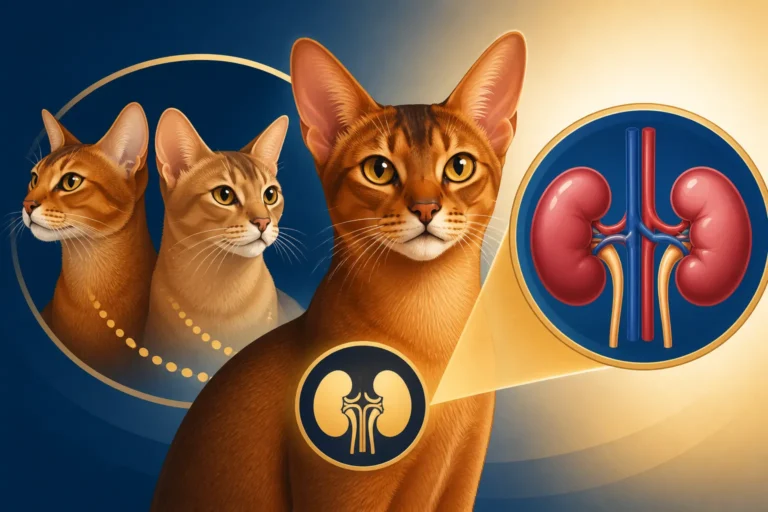
Renal Amyloidosis is a devastating disease in Abyssinians, where an abnormal protein called amyloid is deposited in the kidneys, eventually leading to kidney failure. Unlike PKDef or PRA-rdAc, there is currently no specific gene test available to identify cats that will develop this condition or determine carrier status. This means that even if your Abyssinian has a "normal" genetic panel for other diseases, they could still be at risk for amyloidosis. It's a frustrating reality for many Aby owners and breeders, highlighting a significant challenge in breed health management. Our article Renal Amyloidosis Is the Abyssinian Problem Nobody Can Test For explores this challenge further.
Without a genetic test, the interpretation of "normal" for renal amyloidosis relies heavily on clinical assessment. This includes evaluating the cat's physical health, appetite, thirst levels, and monitoring certain blood and urine parameters over time. Responsible breeders also place immense importance on family history, tracking the incidence of amyloidosis in their lines to make informed breeding decisions. It's truly a scenario where Why No Gene Test Exists for Abyssinian Amyloidosis means a much more proactive and less definitive approach to "normal" health.
Monitoring for Early Signs of Kidney Health
Because a genetic test for renal amyloidosis isn't available, maintaining your Abyssinian's "normal" kidney health is an ongoing process of monitoring and preventative care. Regular veterinary check-ups are crucial, starting from a young age, to establish a baseline of what is "normal" for your individual cat. This includes routine blood work and urine analysis. Specifically, your vet will look at tests like the Symmetric Dimethylarginine (SDMA) value and creatinine levels in the blood, along with the urine protein-to-creatinine (UPC) ratio. These tests can indicate subtle changes in kidney function long before clinical signs of disease become apparent.
A "normal" SDMA and creatinine, along with a healthy UPC ratio, are strong indicators that your Abyssinian's kidneys are functioning well. However, it's vital to remember that these values can change, and early detection is key. Even if a creatinine value is in the "normal" range, a rising trend over time can be a red flag, illustrating Why a Normal Creatinine Does Not Clear an Abyssinian. Discussing these results with your vet and understanding their trends is more important than a single reading. This proactive monitoring, especially when starting early, can help you catch any potential issues sooner, allowing for intervention and management. Considering pet insurance like Healthy Paws for these regular diagnostic screenings can ease the financial burden of vigilant health management, as they often cover unexpected illnesses, including kidney disease. Our article Which Blood Values Catch an Abyssinian's Kidneys Early can provide more specifics on what your vet is looking for.
Summary of Abyssinian Genetic Health Test Results
Understanding your Abyssinian's genetic health is a cornerstone of responsible pet ownership. Here's a quick overview of what those test results typically mean for the primary genetic conditions in Abyssinians:
| Test Name | Condition Description | "Clear" / "Normal" Result Meaning | "Carrier" Result Meaning (for recessive traits) | "Affected" Result Meaning |
|---|---|---|---|---|
| Pyruvate Kinase Deficiency (PKDef) | Inherited hemolytic anemia, red blood cells break down prematurely. | Cat has two normal gene copies; will not develop PKDef, cannot pass on. | Cat has one normal, one mutated gene copy; healthy, can pass on to offspring. | Cat has two mutated gene copies; will develop PKDef, passes on to offspring. |
| Progressive Retinal Atrophy (PRA-rdAc) | Inherited vision loss, leading to blindness by mid-age. | Cat has two normal gene copies; will not develop PRA-rdAc, cannot pass on. | Cat has one normal, one mutated gene copy; healthy, can pass on to offspring. | Cat has two mutated gene copies; will develop PRA-rdAc, passes on to offspring. |
| Renal Amyloidosis | Abnormal protein deposits in kidneys, leading to kidney failure. | No genetic test for "Clear" status. "Normal" implies healthy clinical indicators (bloodwork, urine, no symptoms). | No genetic test for "Carrier" status. Risk assessed by family history and clinical monitoring. | Identified by clinical signs, specific blood/urine markers, and ultimately kidney biopsy. |
This table provides a concise summary, but remember, the nuances and ongoing discussions with your veterinarian are always the most important aspects of your Abyssinian's health journey.
Disclaimer
This article is for general informational purposes only and does not constitute professional advice. Laws, prices and regulations vary by location and change over time. Consult a qualified professional for guidance on your specific situation.