How a Splenectomy Helps an Anemic Abyssinian
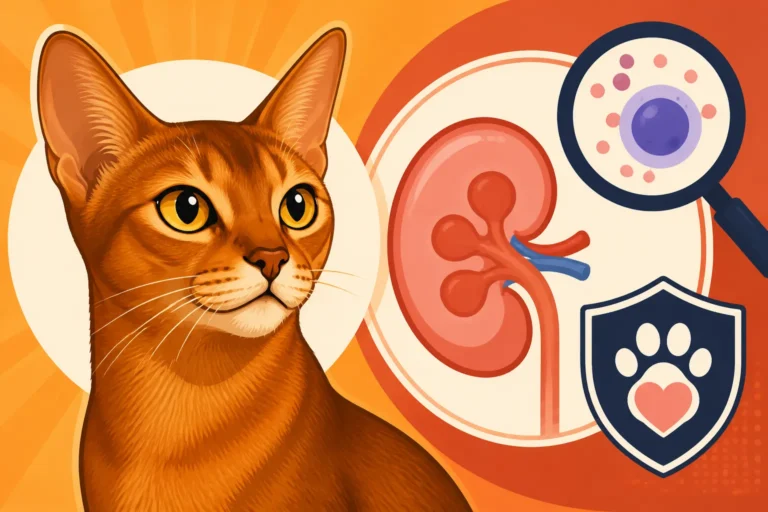
It’s truly heart-wrenching to watch your active, vibrant Abyssinian suddenly slow down, become lethargic, or show those tell-tale pale gums that scream something is deeply wrong. Anemia is a terrifying symptom that can stem from various causes, but for many Abyssinians, it points to an underlying genetic condition called Pyruvate Kinase Deficiency (PKD). This guide will delve into how a splenectomy, a surgical procedure to remove the spleen, can offer a crucial lifeline and significant relief for an anemic Abyssinian struggling with PKD.
Understanding Anemia in Abyssinians and Pyruvate Kinase Deficiency
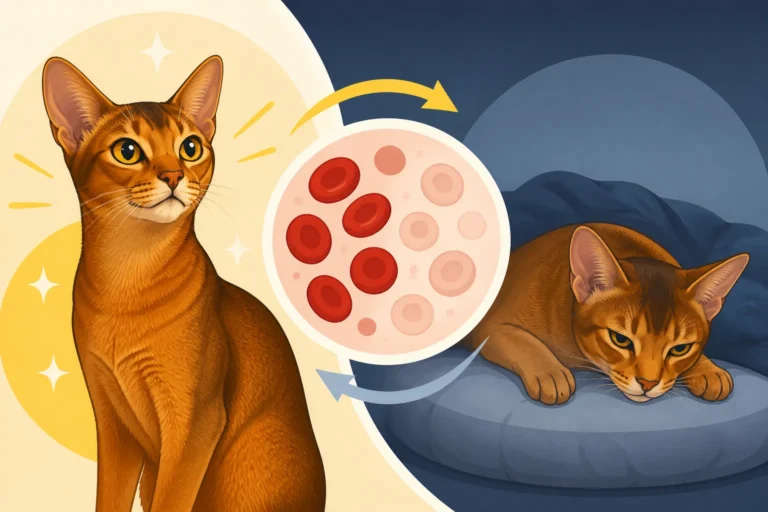
When your Abyssinian is anemic, it means their blood lacks sufficient healthy red blood cells, which are vital for carrying oxygen throughout their body. Think of red blood cells as tiny oxygen delivery trucks; without enough of them, every organ and tissue starts to struggle, leading to that profound lethargy and weakness you might observe. For Abyssinians, one of the most common and challenging causes of chronic, intermittent anemia is Pyruvate Kinase Deficiency (PKD).
What Pyruvate Kinase Deficiency PKD Does to Red Blood Cells
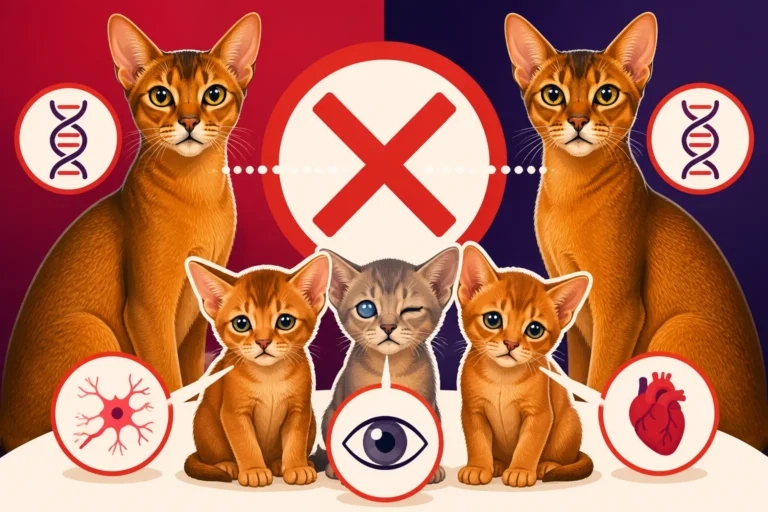
Pyruvate Kinase Deficiency is a nasty genetic hand-me-down that specifically affects the Abyssinian breed, as well as their long-haired cousins, the Somalis. It’s an autosomal recessive condition, meaning a kitten needs to inherit the faulty gene from both parents to be affected. If your Abyssinian has PKD, their red blood cells are missing a crucial enzyme called pyruvate kinase. This enzyme is essential for glycolysis, the process that provides energy for red blood cells to do their job and maintain their integrity. Without it, these cells are weak, fragile, and have a significantly shortened lifespan.
Instead of circulating for months, these deficient red blood cells break down prematurely, a process called hemolysis. This continuous destruction of red blood cells leads to chronic anemia. It's a bit like having a fleet of delivery trucks that are constantly breaking down mid-route, unable to complete their oxygen delivery before falling apart. The body tries to compensate by producing more red blood cells, but it's often a losing battle, leading to the intermittent, waxing and waning anemia characteristic of PKD. You can learn more about how the PKLR mutation reaches an Abyssinian and why an Abyssinian's red cells break down early, which sheds more light on this genetic quirk.
Recognizing the Signs of Anemia
Spotting anemia in an Abyssinian can sometimes be tricky because these cats are naturally energetic and incredibly stoic. They're masters at hiding illness until it's quite advanced. However, there are several key indicators that something might be amiss. The most classic sign is pale gums, often described as whitish or very light pink, rather than their usual healthy salmon color. This is usually best checked by gently lifting their lip. Beyond that, you might notice your once-relentless climber becoming unusually quiet or reluctant to jump.
Lethargy is a major red flag; your Abyssinian might sleep more than usual, have less interest in play, or generally seem less "present." They might also show signs of weakness, stumble, or struggle with activities they once performed with ease. Another common symptom is an increased respiratory rate, even when resting, as their body tries to compensate for the lack of oxygen. Sometimes, a jaundiced (yellowish) tint to their eyes, gums, or skin can also appear due to the breakdown of red blood cells. If you notice any of these signs, especially a lethargic Abyssinian who needs blood work fast, it’s imperative to get to your vet immediately. This kind of intermittent anemia can come and go, making it even more challenging to pinpoint without careful observation.
The Role of the Spleen in Anemia and PKD
The spleen is an organ that often gets overlooked, but it plays a significant role in the body's immune system and blood filtration. For a cat suffering from PKD, the spleen can actually become part of the problem rather than just a passive victim of the disease. Understanding its function is key to grasping why removing it can be beneficial.
Why the Spleen Becomes a Problem in PKD
Normally, the spleen acts as a kind of quality control center for red blood cells. Old, damaged, or abnormal red blood cells are filtered out and removed by the spleen. It's part of its job to recycle and manage blood components. However, in an Abyssinian with Pyruvate Kinase Deficiency, the red blood cells are all abnormal due to their enzymatic defect. They are fragile and destined for early destruction. The spleen, diligently performing its duty, recognizes these cells as faulty and ramps up its activity to remove them from circulation.
This overactivity can lead to an enlarged, overworked spleen, known as splenomegaly. The spleen essentially becomes a hyperactive "destroyer" of already compromised red blood cells, worsening the anemia. It's a vicious cycle: the body produces fragile red blood cells, and the spleen aggressively removes them, exacerbating the deficiency. In some cases, the spleen can become so enlarged that it presses on other organs, causing discomfort or even pain. This makes the spleen a prime target for intervention when managing PKD.
When a Splenectomy Becomes a Consideration
Deciding on a splenectomy for an anemic Abyssinian isn't a decision taken lightly. It's usually considered when medical management, such as supportive care, hasn't been sufficient to maintain an acceptable quality of life, or when the anemia is severe and life-threatening. Vets will typically have tried various approaches to stabilize the cat, which might include blood transfusions for acute crises or medications to stimulate red blood cell production. You can read more about how an anemic Abyssinian is treated.
A splenectomy becomes a strong consideration if:
- The Abyssinian experiences frequent, severe anemic crises requiring transfusions.
- The spleen is significantly enlarged (splenomegaly) and contributing substantially to red blood cell destruction.
- The cat’s quality of life is severely impacted by chronic weakness and lethargy despite other treatments.
- Diagnostic tests, including genetic testing confirming PKD, indicate that the spleen is a major player in the hemolytic process.
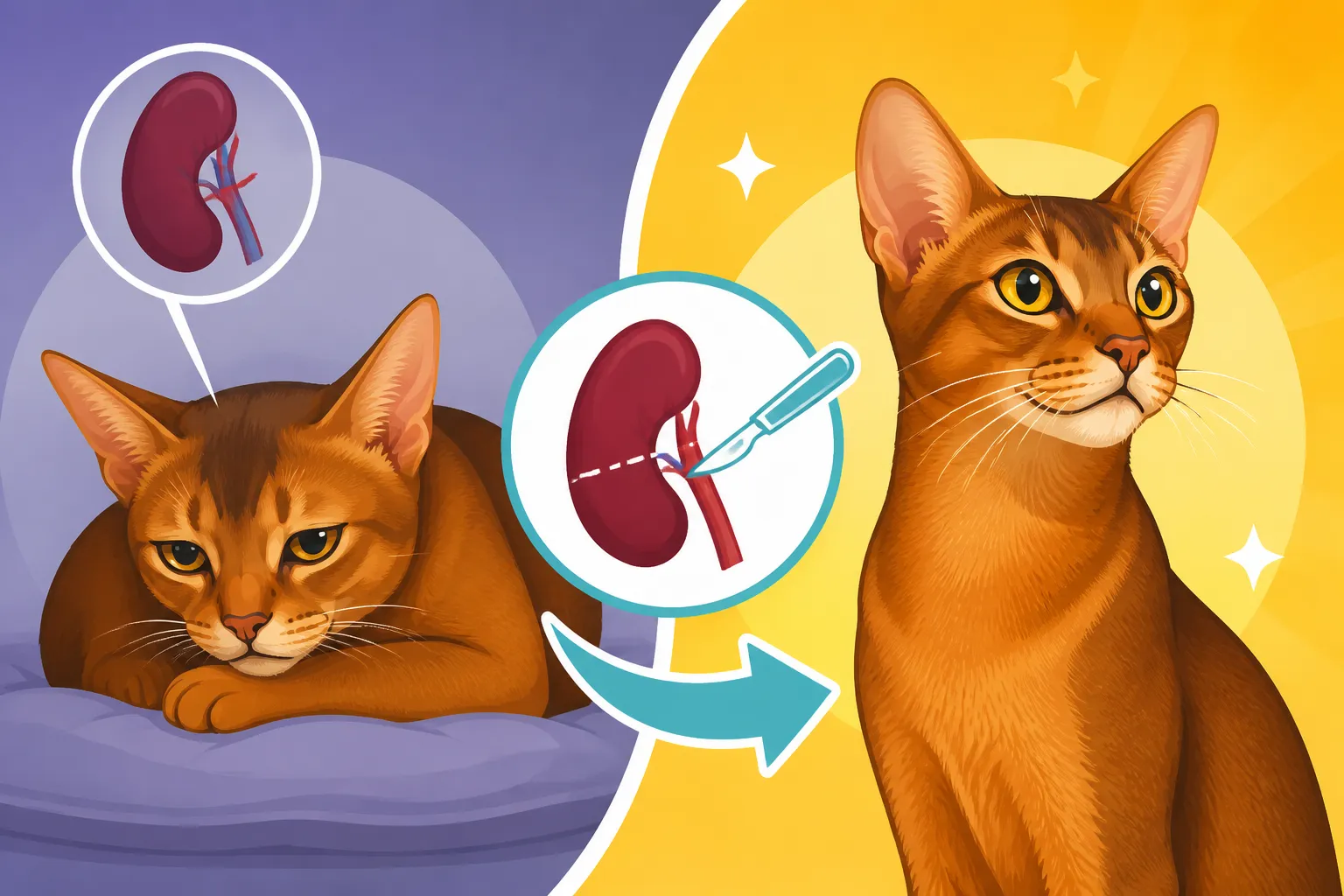
It's important to remember that a splenectomy is not a cure for PKD itself; the genetic defect in red blood cell production will still exist. However, by removing the primary organ responsible for filtering out and destroying these faulty cells, it can dramatically reduce the rate of red blood cell loss, offering a much-needed improvement in the cat's red blood cell count and overall energy levels. Many owners find that after the procedure, their Abyssinian with PK Deficiency can live normally or at least enjoy a significantly improved quality of life for much longer.
The Splenectomy Procedure: What to Expect
Undergoing any surgery for your beloved Abyssinian is stressful, and a splenectomy is no exception. It’s a major abdominal surgery that requires careful planning, execution, and dedicated post-operative care. Knowing what to expect can help you prepare emotionally and practically for this significant step in your cat’s health journey.
Preparing Your Abyssinian for Surgery
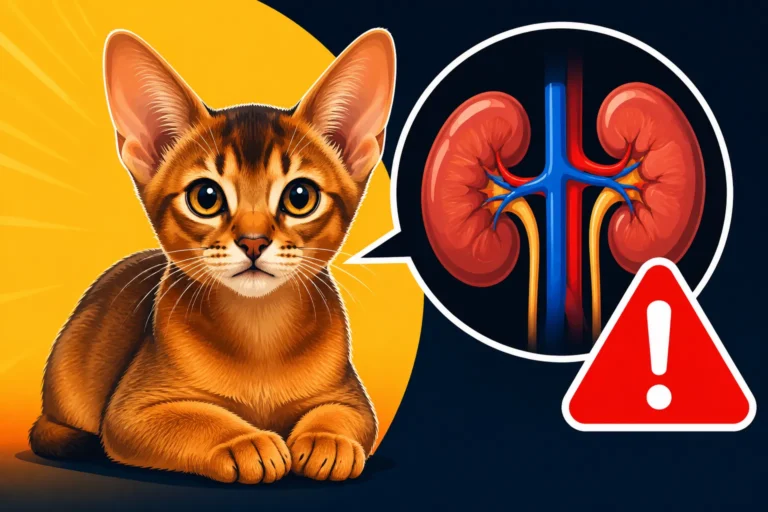
Before the splenectomy, your vet will conduct a thorough pre-surgical workup to ensure your Abyssinian is as healthy as possible for the procedure. This typically includes a complete blood count (CBC) to assess the severity of anemia and other blood cell parameters, a biochemical profile to check organ function (especially the kidneys and liver), and urinalysis. Your vet might also recommend imaging, such as X-rays or an ultrasound of the abdomen, to evaluate the size and condition of the spleen and rule out other potential issues.
If your Abyssinian is severely anemic, your vet might recommend a blood transfusion prior to surgery to stabilize them. This helps ensure they have enough oxygen-carrying capacity to withstand the stress of anesthesia and the surgery itself. Fasting will be required before the procedure, typically withholding food for 8-12 hours and water for a few hours prior, to minimize the risk of vomiting during anesthesia. Your veterinary team will provide precise instructions tailored to your cat's needs. This is also a good time to discuss any concerns you have about the costs involved; services like Healthy Paws pet insurance can often help manage these significant veterinary expenses.
Post-Operative Care and Recovery
The recovery period after a splenectomy is critical and requires diligent care to ensure a smooth healing process. Your Abyssinian will likely need to stay at the veterinary hospital for a few days post-surgery for monitoring, pain management, and to ensure no immediate complications arise. They will receive intravenous fluids, antibiotics, and pain medication to keep them comfortable.
Once your Abyssinian comes home, the real work of home care begins. You’ll need to restrict their activity significantly to prevent damage to the surgical incision. This means no jumping, climbing, or strenuous play for several weeks. Keeping them in a quiet, confined space like a large dog crate or a small room can be helpful. You'll need to monitor the incision site daily for any signs of redness, swelling, discharge, or opening. Oral pain medications and antibiotics will be prescribed, and it's vital to administer them exactly as directed. Your vet will also advise on specific feeding guidelines and when to schedule follow-up appointments for incision checks and blood work. While not directly related to the splenectomy, remember that why an Abyssinian's weight loss is never minor, and maintaining good nutrition post-surgery is paramount for healing.
Long-Term Outlook and Management After Splenectomy
A splenectomy can dramatically change the trajectory of life for an Abyssinian with severe PKD-related anemia. While it removes a major factor contributing to red blood cell destruction, it's not a magic bullet, and ongoing care remains essential.
Life After Spleen Removal: Benefits and Potential Challenges
The primary benefit of a successful splenectomy is a significant reduction in the rate of red blood cell destruction. This often leads to a higher, more stable red blood cell count, alleviating the chronic anemia. Owners frequently report a renewed burst of energy in their Abyssinian, an improvement in appetite, and a general return to their playful, inquisitive selves. It can truly give them a new lease on life, allowing them to enjoy their golden years more fully.
However, life without a spleen isn't without its considerations. The spleen plays a role in the immune system, particularly in filtering certain types of bacteria and producing some immune cells. While cats can generally live a full life without a spleen, they might have a slightly increased susceptibility to certain bacterial infections. Your vet might discuss specific vaccination protocols or, in some cases, prophylactic antibiotics if your cat is deemed high-risk for certain infections. It's also possible that the body's other organs, like the liver, may take over some of the spleen's functions, but this compensatory mechanism might not be entirely complete.
Ongoing Monitoring and Support for Your Abyssinian
Even after a splenectomy, regular veterinary check-ups remain crucial for an Abyssinian with PKD. Your vet will want to monitor their blood count periodically to ensure the anemia remains stable. This is often part of the annual blood panel an Abyssinian should have yearly anyway, but might be more frequent initially. They'll also monitor for any signs of infection or other health issues that could arise.
Since PKD is a genetic condition affecting the red blood cells, even without the spleen, these cells are still inherently fragile. It's vital to be vigilant for any returning signs of anemia, even subtle ones. Maintaining a high-quality diet, ensuring your Abyssinian stays hydrated, and managing any other concurrent health conditions are all part of a comprehensive long-term care plan. Having pet insurance, like a plan from Healthy Paws, can provide significant financial relief for these ongoing needs, including specialized blood work, medications, and any emergency care for an anemic Abyssinian that might still be needed in rare cases. Your commitment to consistent care will ensure your Abyssinian lives their happiest, healthiest life possible post-splenectomy.
Disclaimer
This article is intended for informational purposes only and does not constitute veterinary advice. Always consult with a qualified veterinarian for any health concerns or before making any decisions about your pet's medical care. Every cat is an individual, and treatment plans should be tailored to their specific needs.