How Many Abyssinians Carry the PK Mutation
It can be incredibly disheartening to learn that a beloved cat breed, like our vivacious Abyssinians, carries a genetic predisposition to a serious health condition, even if they show no signs of illness themselves. Many Aby owners worry about what a "carrier" status truly means for their playful companions. This guide will walk you through the prevalence of the Pyruvate Kinase (PK) Deficiency mutation in Abyssinians, explain what being a carrier entails, and outline how responsible testing and breeding practices are working to safeguard the future of the breed.
The Hidden Truth: How Many Abyssinians Carry the PK Mutation?
The existence of genetic conditions can be a silent worry for many Abyssinian enthusiasts, and Pyruvate Kinase Deficiency is one that often comes up in conversation. What many don't realize is just how widespread the carrier status for this mutation can be, even in carefully bred lines. Understanding the numbers is the first step toward proactive care and responsible ownership.
Understanding the Prevalence Across the Breed
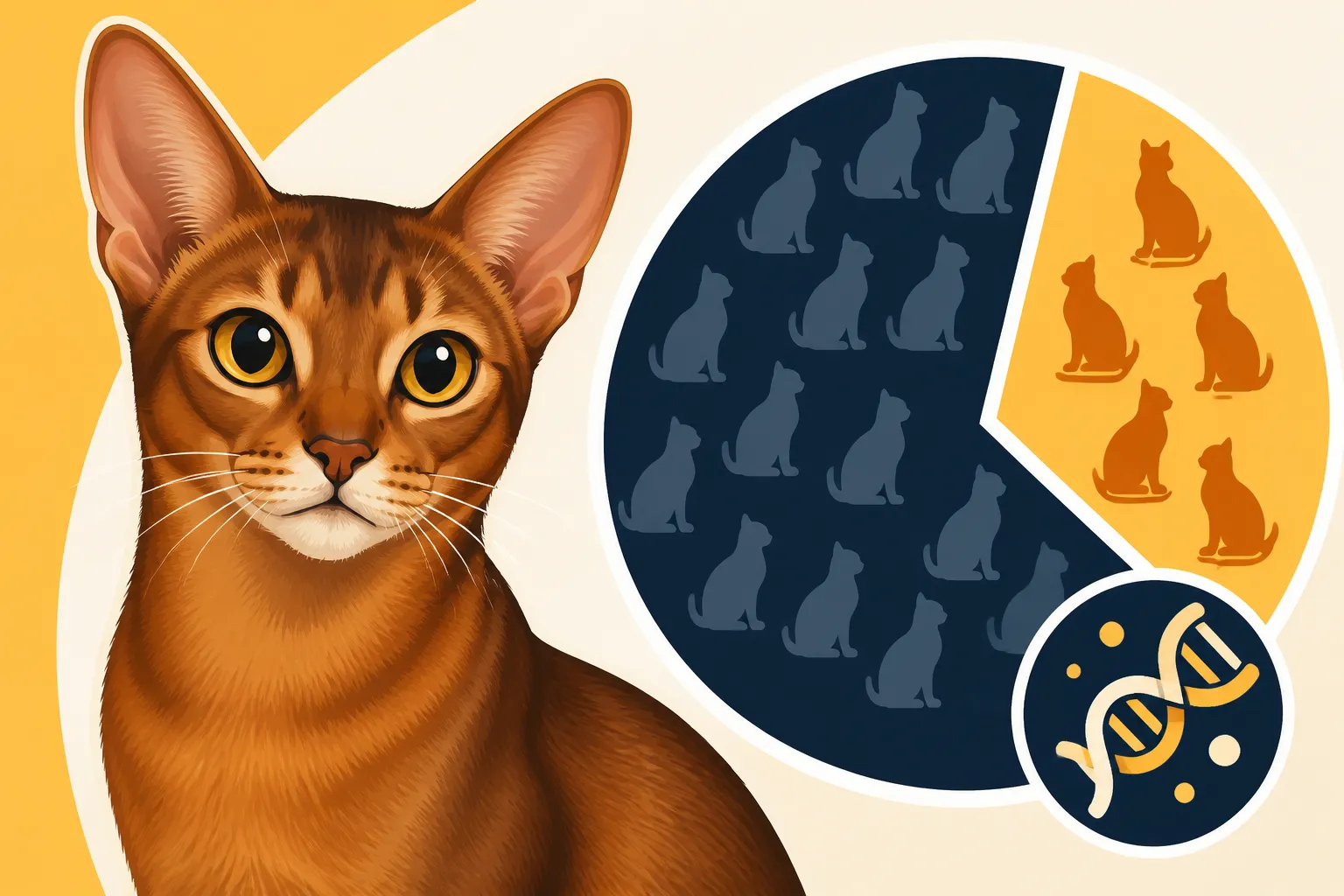
Before widespread genetic testing became readily available, the PK deficiency mutation was often passed down silently through generations of Abyssinians. This meant that many cats, looking perfectly healthy on the surface, were unknowingly carrying a gene that could lead to serious anemia in their offspring if bred with another carrier. Historically, studies and observations indicated that a significant portion of the Abyssinian population carried this gene. While exact figures can fluctuate depending on the region and specific breeding lines, estimates have sometimes placed the carrier rate in some populations as high as 10-15%, and occasionally even higher. This isn't a minor issue; it’s a substantial percentage that underscores why testing is so vital.
Imagine falling in love with a charming Abyssinian kitten, bringing them home, and years later, deciding you might want to delve into responsible breeding or that your cat might accidentally mate. Without prior testing, you’d be stepping into a genetic minefield, completely unaware that your healthy, vibrant pet could carry a gene that, if paired incorrectly, results in a devastating illness for its future kittens. The quiet ubiquity of this gene in the breed's history means that even today, finding a clear cat isn't always a given, and understanding this historical context helps us appreciate the importance of modern genetic screening.
The Genetic Basis: What Being a Carrier Means
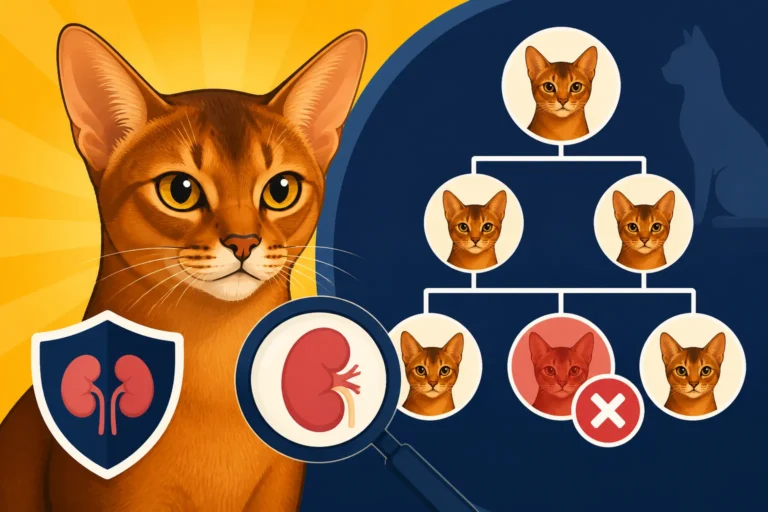
To truly grasp the impact of these numbers, it's essential to understand the genetics behind PK deficiency. This condition is caused by a mutation in the PKLR gene, and it's inherited in an autosomal recessive pattern. This scientific jargon simply means two key things: "autosomal" means it's not linked to sex (so males and females are equally affected), and "recessive" means an Abyssinian needs two copies of the mutated gene – one from each parent – to actually develop the disease.
So, what does it mean to be a "carrier"? A carrier Abyssinian has inherited just one copy of the mutated PKLR gene and one normal gene. Because the gene is recessive, this single mutated copy isn't enough to cause the cat to develop symptoms of Pyruvate Kinase Deficiency. These cats are, for all intents and purposes, perfectly healthy. They live full, normal lives without any signs of illness. This is a critical point that often causes confusion and unnecessary worry for pet owners: your carrier Aby isn't sick. They are simply a silent reservoir of the gene. You can learn more about this distinction in our article, "How a Carrier Abyssinian Differs From an Affected One".
It's a huge relief for owners to understand that a carrier diagnosis doesn't mean a shortened lifespan or chronic illness for their beloved pet. Their energy levels will be normal, their appetite healthy, and their typical Abyssinian zest for life completely undiminished. The real significance of a carrier status lies in breeding: if two carriers are bred together, there's a 25% chance with each kitten that it will inherit two copies of the mutated gene and thus be "affected" with PK deficiency, developing symptoms of anemia. We delve deeper into this specific reassurance in "Why an Abyssinian Marked as a Carrier Is Still Fine".
Why Such High Carrier Rates? The History and Spread
The fact that the Pyruvate Kinase Deficiency mutation can be found in a significant portion of the Abyssinian population isn't a sign of poor breeding practices today, but rather a reflection of the breed's history and the way recessive genes can spread silently before the advent of modern genetic testing. It's a testament to the challenges breeders faced for decades without the tools we now have.
Tracing the Mutation's Journey Through Abyssinian Lines
Think of a recessive gene as a secret whispered down through generations. For a long time, this whisper went unheard in Abyssinian lines because carriers showed no outward signs of illness. Imagine a highly desirable male Abyssinian, prized for his stunning looks and excellent temperament, being used widely for breeding across many catteries. If this "popular sire" happened to be a carrier of the PK deficiency mutation – a fact completely unknown at the time – he would silently pass that single mutated gene to half of his offspring. These kittens would then grow up to be carriers themselves, also showing no signs, and potentially go on to become popular breeding cats in their own right, further spreading the gene. This phenomenon, often called the "founder effect" or "popular sire effect," is a common way recessive genes can become entrenched in a breed's gene pool.
This isn't a problem unique to the Abyssinian; many purebred animals have experienced similar challenges with genetic conditions due to limited foundational stock and the inherent difficulty of tracking recessive traits without genetic markers. The Abyssinian breed, originating from a relatively small gene pool and then experiencing challenges like the World Wars that drastically reduced its numbers, saw certain lines become extremely influential. As these influential lines were exported globally, the PK deficiency mutation traveled with them, meaning that the prevalence isn't confined to one geographical area but is a worldwide concern for the breed. This historical spread is also why we see the mutation in other breeds, like the Somali, which shares ancestry with the Abyssinian. Our article, "Why PK Deficiency Reaches Somalis and Abyssinians Alike ", explores this connection in more detail.
The Impact of Early Breeding Practices
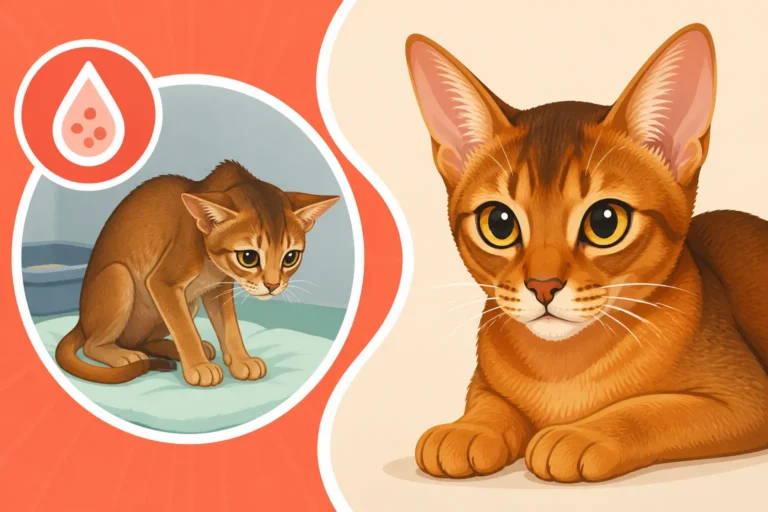
Before the late 20th and early 21st centuries, genetic testing as we know it simply didn't exist. Breeders relied on pedigree analysis and observation, which are incredibly valuable for understanding visible traits and some health issues, but utterly useless for detecting silent carriers of recessive genes. If an Abyssinian developed symptoms of PK deficiency – which usually manifest as a type of anemia – it was often a heartbreaking surprise, with no clear way to trace the origin or prevent future occurrences beyond avoiding breeding the affected cat itself. The problem was, an affected cat was the tip of an iceberg, with many silent carriers swimming beneath the surface.
Think of the frustration these dedicated breeders must have felt. They were striving to produce healthy, vibrant kittens, making careful choices based on what they could see and track. But without the ability to identify carriers, they were essentially breeding in the dark when it came to recessive genetic diseases. A beautiful, champion Abyssinian could unknowingly be a carrier, passing the gene on to generation after generation of healthy-looking offspring, only for the disease to surface unexpectedly when two such carriers were eventually bred together. This historical context makes us truly appreciate the leap forward that DNA testing represents for responsible breeding today. It has transformed the ability of breeders to make informed decisions and actively work towards reducing the prevalence of such mutations, ensuring a healthier future for the breed.
Navigating PK Deficiency: Testing and Responsible Ownership
Understanding that a significant portion of Abyssinians have carried the PK mutation in the past, and some still do, can feel daunting. But the good news is that we now have the tools and knowledge to manage this genetic reality effectively. It's all about proactive testing and informed decision-making, whether you're a seasoned breeder or a loving pet parent.
The Importance of Genetic Testing for Every Abyssinian
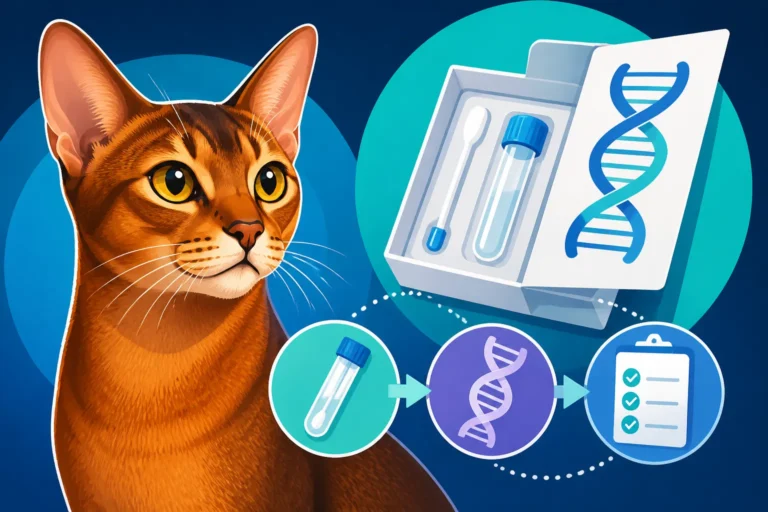
The single most powerful tool in managing PK deficiency is genetic testing. A simple, non-invasive DNA test, typically done with a cheek swab, can definitively determine if an Abyssinian is clear, a carrier, or affected. Laboratories like the Veterinary Genetics Laboratory at UC Davis offer comprehensive genetic panels for Abyssinians, which include PK deficiency testing. This straightforward test detects the specific mutation in the PKLR gene, leaving no room for guesswork. Knowing your cat's status is empowering, offering peace of mind or guiding critical breeding decisions.
For any Abyssinian intended for breeding, genetic testing for PK deficiency is not just recommended; it's absolutely essential. Reputable breeders will always provide documentation of PK deficiency test results for both parent cats. But it’s not just for breeding animals. Even if your Abyssinian is a beloved pet and spayed or neutered, knowing their status can be beneficial. It helps you understand their genetic background and contributes to the overall health data for the breed. If, by some unforeseen circumstance, a non-breeding cat were to mate, having that information upfront could prevent a devastating outcome. We discuss how to initiate this process in our comprehensive guide, "How the Abyssinian's DNA Panel Is Ordered".
Responsible Breeding and Mating Choices
Once you know the PK deficiency status of your breeding Abyssinians, responsible breeding becomes a clear path. The goal is simple: never breed two carriers together. Why? Because the genetics are clear: if you breed a carrier to another carrier, on average, 25% of the kittens will be clear, 50% will be carriers, and a heartbreaking 25% will be affected with PK deficiency. This is exactly what we want to avoid. Our article "Why Two Carrier Abyssinians Should Never Be Bred" explains the consequences in detail.
The beauty of modern genetics is that carriers can still be part of a healthy breeding program, provided they are always bred to a "clear" Abyssinian. In such a pairing, 50% of the kittens will be clear, and 50% will be carriers, but critically, none will be affected with the disease. This allows breeders to carefully manage genetic diversity while systematically reducing the number of carriers in their lines over time. This mindful approach, combined with testing for other known Abyssinian diseases like PRA-rdAc, is a hallmark of an ethical breeder. You can get more information on what to expect from a good breeder in "What an Abyssinian Breeder Should Have Tested Before You Buy". For all pet owners, ensuring your cat has access to quality veterinary care is crucial, and having pet insurance from a provider like Healthy Paws can provide financial peace of mind for unexpected health challenges, even for generally healthy carriers.
Here’s a simple table illustrating the possible outcomes when breeding Abyssinians with different PK deficiency statuses:
| Parent 1 Status | Parent 2 Status | Offspring Probabilities (Approximate) | Recommendation |
|---|---|---|---|
| Clear | Clear | 100% Clear | Best scenario |
| Clear | Carrier | 50% Clear, 50% Carrier | Acceptable |
| Clear | Affected | 100% Carrier | Not recommended* |
| Carrier | Carrier | 25% Affected, 50% Carrier, 25% Clear | Avoid at all costs |
| Carrier | Affected | 50% Affected, 50% Carrier | Avoid at all costs |
| Affected | Affected | 100% Affected | Avoid at all costs |
*Breeding an affected cat, even with a clear one, is generally discouraged due to ethical concerns and the continued propagation of the affected gene.
Living with a PK Deficiency Carrier Abyssinian
If you discover your Abyssinian is a carrier, the most important thing to remember is that it does not mean your cat is sick or will ever develop PK deficiency. Carriers are healthy, happy cats. The only implication for a pet owner is that, if you have not already, you should absolutely spay or neuter your Abyssinian to prevent accidental breeding and the potential for passing on the gene. This is especially true for adopted Abyssinians from rescue organizations; even if they seem healthy, testing can provide crucial information, as explored in "Why a Rescue Abyssinian Should Still Be PK Tested".
For carrier Abyssinians, their daily life, care, and overall health management are no different from a clear cat. Focus on providing a high-quality diet, plenty of enrichment, and regular veterinary check-ups to ensure their general well-being. These lively cats will continue to fill your home with their characteristic energy and affection. While a carrier status itself doesn't typically lead to veterinary bills, having a comprehensive pet insurance plan, such as those offered by Healthy Paws, can be an invaluable asset for any cat owner. Just like humans, cats can face unexpected illnesses or accidents throughout their lives, and knowing you have financial support for such events offers immense peace of mind.
Ultimately, the prevalence of the PK mutation in Abyssinians is a historical legacy we are now equipped to handle. Through widespread testing and responsible breeding, the Abyssinian community is actively working to reduce the incidence of PK deficiency, ensuring that future generations of these wonderful cats can live long, healthy lives, free from the shadow of this inherited disease. Understanding "What PK Deficiency Does to an Abyssinian's Red Cells" for affected cats further highlights why this vigilance is so important.
Disclaimer
Please note that the information provided in this article is for educational purposes only and should not replace professional veterinary advice. Always consult with a qualified veterinarian for any health concerns or before making any decisions about your pet's care or breeding.