When an Abyssinian Kitten Can Be Tested for rdAc
It's completely understandable to feel a mix of excitement and apprehension when bringing an Abyssinian kitten into your home. These vivacious little bundles of energy bring so much joy, but the thought of a potential genetic disease like progressive retinal atrophy (rdAc) can cast a shadow. The good news is, modern genetic testing offers clear answers, and understanding when your Abyssinian kitten can be tested for rdAc is the first step in ensuring their long, healthy future.
Understanding PRA-rdAc in Abyssinian Kittens
Progressive Retinal Atrophy, specifically the rdAc form, is a condition that, frankly, no Abyssinian owner wants to hear about. It's an inherited genetic disorder that ultimately leads to blindness in affected cats. While it might sound terrifying, gaining a clear understanding of what it is and how it impacts your cat can help you prepare and manage it effectively, should the need arise.
What is rdAc and How Does It Affect Vision?
At its core, rdAc is a genetic mutation in the CEP290 gene that causes the light-sensing cells in the retina—the rods and cones—to degenerate over time. Think of the retina as the film in a camera; when that film degrades, the images become blurry, then disappear entirely. For an Abyssinian, this means a gradual loss of vision, typically starting with their night vision. It’s a progressive condition, meaning it doesn't happen overnight.
Initially, you might notice your otherwise agile Abyssinian becoming a little more hesitant in dimly lit rooms, or perhaps bumping into furniture at night. This is often the first subtle sign as their rod cells, responsible for low-light vision, begin to fail. As the disease progresses, their daytime vision also deteriorates, leading to complete blindness usually by the time they are three to five years old. It’s a heartbreaking journey, but our amazing feline friends are incredibly adaptable. To learn more about this progression, you might find insight in our detailed guide on How PRA-rdAc Blinds an Abyssinian Slowly.
The Genetics Behind rdAc Inheritance
This particular form of PRA is inherited in what's called an autosomal recessive pattern. What this means in plain language is that a kitten needs to inherit two copies of the defective gene – one from its mother and one from its father – to actually develop the disease. If a kitten only inherits one copy of the defective gene and one normal copy, it becomes a "carrier." Carriers themselves will never develop rdAc; their vision will remain perfectly fine throughout their lives. However, they can pass that single defective gene on to their offspring.
This genetic mechanism is why testing parents is so crucial for responsible breeders. If both parents are carriers, there's a 25% chance with each kitten born that it will inherit two copies of the faulty gene and be affected, a 50% chance it will be a carrier, and a 25% chance it will be completely clear. Understanding this helps explain why genetic testing isn't just about identifying sick cats, but also about making informed breeding decisions to eliminate the disease from bloodlines. Our article on Why Two Clear Abyssinian Parents End the Problem delves deeper into the power of informed breeding choices.
The Critical Window for rdAc Testing in Abyssinian Kittens
One of the most common questions people have is, "How old does my kitten need to be before it can be tested?" It’s a very practical concern, especially if you’re eager for answers. The wonderful news is that DNA-based genetic tests for rdAc, like the one for the CEP290 mutation, are not age-dependent.
When Your Kitten Can Be Tested: Any Age!
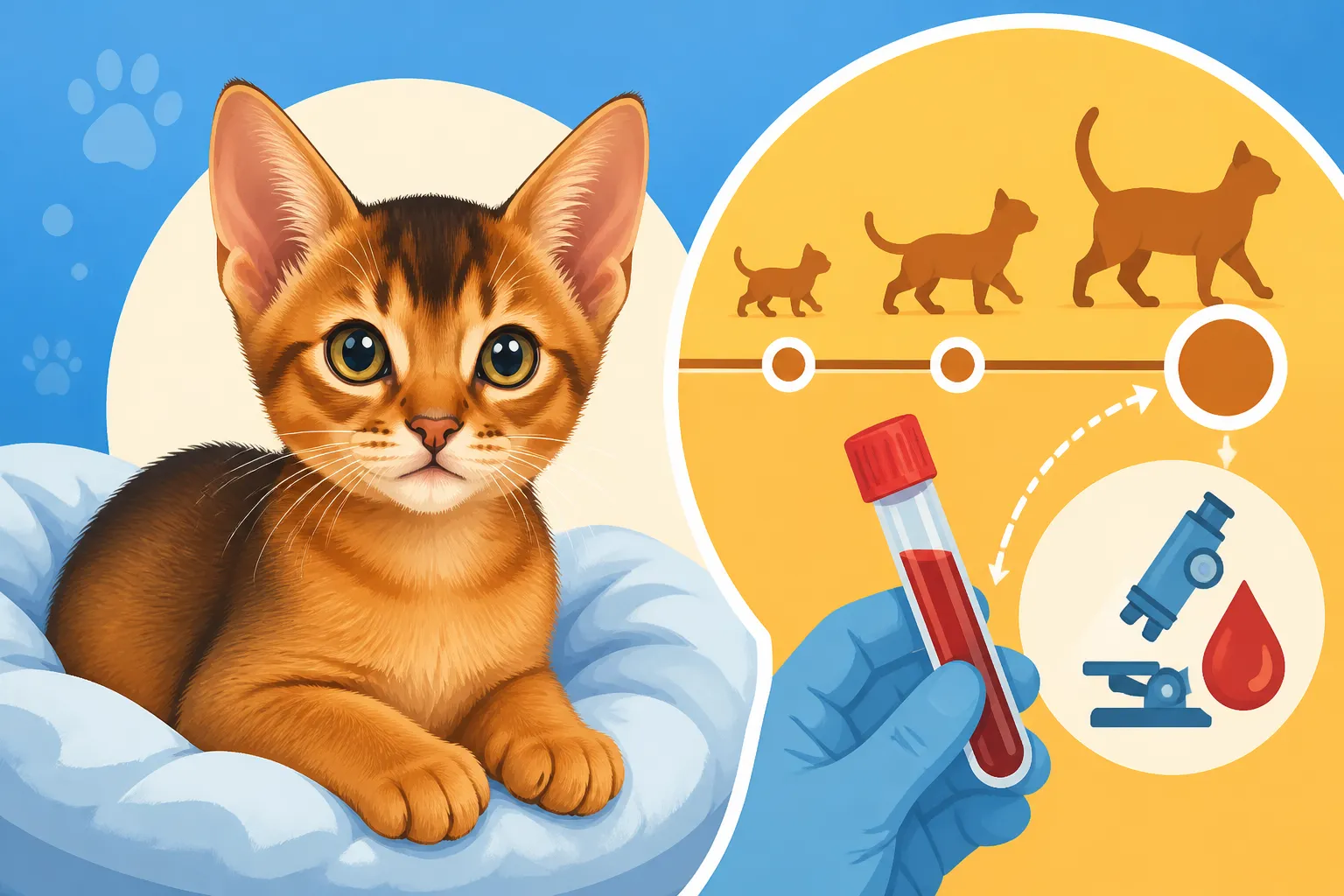
Unlike some other health screenings for animals, such as OFA hip certifications in dogs which require specific ages for accurate assessment, a DNA test can be performed at literally any age. The genetic makeup of your kitten is set at conception, and it doesn't change. This means that a sample taken from a tiny, weeks-old kitten will yield the exact same result as a sample taken from an adult cat.
Breeders often choose to test entire litters of kittens before they go to their new homes, sometimes as early as 8-10 weeks. This allows them to provide prospective owners with definitive genetic status for their chosen kitten. For pet owners acquiring an older kitten or an adult Abyssinian whose status is unknown, testing can be done immediately upon acquisition. There's no benefit to waiting, only a delay in getting the information you need. When considering What an Abyssinian Breeder Should Have Tested Before You Buy, rdAc is absolutely paramount.
Why Early Testing Offers Peace of Mind
Getting your Abyssinian kitten tested early provides immense peace of mind and allows for proactive planning. For breeders, early testing is absolutely essential to make responsible breeding decisions, preventing affected cats from being born and ultimately reducing the prevalence of the disease.
For pet owners, knowing your kitten's status from a young age means no nagging worries. If your kitten tests clear, you can simply enjoy their boundless energy without this particular concern. If, however, they test as a carrier or, in the rare and unfortunate instance, affected, you have time to learn, prepare, and adapt. Knowing early means you can start creating an environment that will cater to their needs if vision loss begins, introducing routines and familiarizing them with their surroundings long before it becomes a necessity. While the genetic test itself might not be covered, having this early knowledge can certainly help you anticipate and budget for future veterinary care that might be needed, and that's where pet insurance providers like Healthy Paws can truly make a difference in helping manage costs associated with care for an affected cat.
The rdAc Testing Process
Understanding the actual mechanics of the test can demystify the process and make you feel more confident about getting it done. It's a surprisingly simple and non-invasive procedure, especially when compared to other veterinary diagnostics.
Collecting the Sample: A Simple Cheek Swab
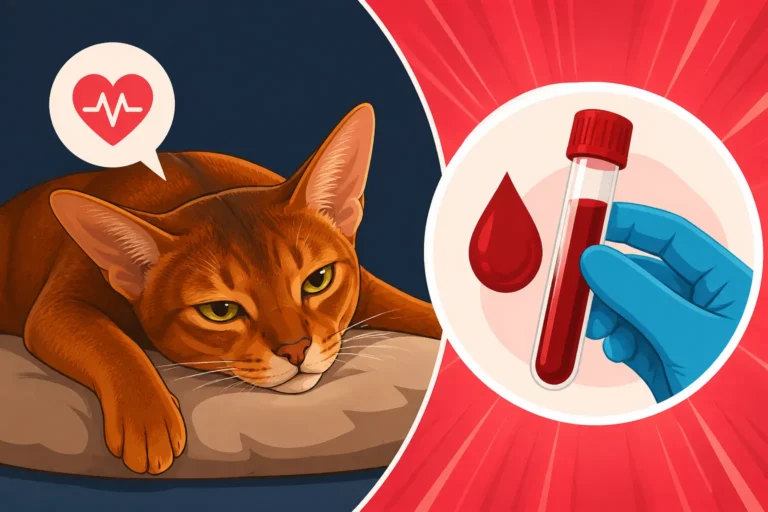
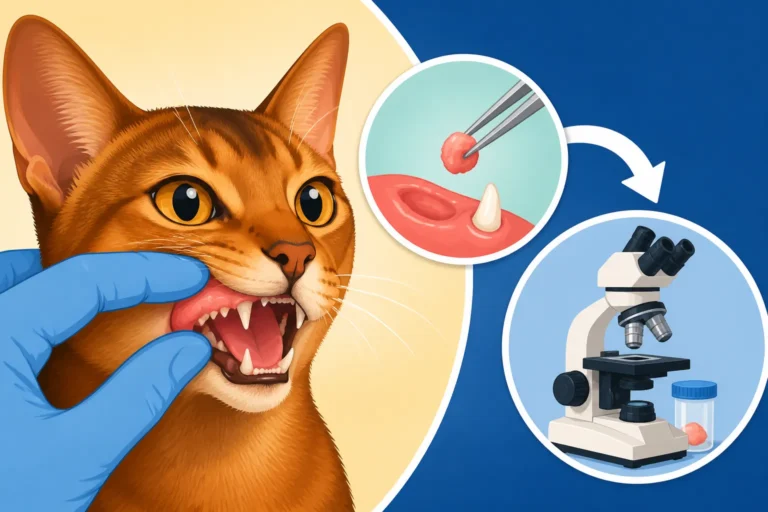
The good news is, you don't need a blood draw or any other uncomfortable procedure for this DNA test. All that's required is a simple cheek swab. This involves gently rubbing a specialized sterile brush or cotton swab against the inside of your Abyssinian kitten's cheek for about 10-15 seconds. This collects cells containing their DNA.
It's a quick process that causes no pain, though your kitten might wiggle a bit, just because, well, they're Abyssinians! Most kittens tolerate it remarkably well. The process is so straightforward that many breeders or even experienced owners can collect the sample themselves at home, though a vet can also do it during a routine check-up if you prefer. For more on the ease of this method, check out Why an Abyssinian Cheek Swab Is Enough.
Submitting the Sample to a Genetic Lab
Once the sample is collected and properly dried, it’s sent off to a specialized veterinary genetic testing laboratory. These labs analyze the DNA sample specifically for the CEP290 gene mutation associated with rdAc in Abyssinians. There are several reputable labs worldwide that offer this test, often as part of a larger breed-specific DNA panel.
The cost for the rdAc test can vary depending on the lab and whether it's part of a bundled panel. For a general idea of costs related to genetic testing, you might want to read our article on How Much an Abyssinian DNA Panel Costs. The turnaround time for results usually ranges from a few days to a few weeks, depending on the lab's workload and location. Our guide on How Long Abyssinian Test Results Take to Come Back can give you a better idea of what to expect.
Interpreting Your Kitten's Test Results
When your results come back, they will typically fall into one of three categories:
- Clear: This means your Abyssinian kitten does not carry the CEP290 mutation and will not develop rdAc. They also cannot pass the gene on to any offspring. This is the ideal result for both pet and breeding cats.
- Carrier: Your kitten carries one copy of the CEP290 mutation but has one normal copy. They will not develop rdAc, as one functional copy of the gene is enough for normal vision. However, they can pass the mutation to their offspring. For pet Abyssinians, this means they live a completely normal life. For breeding cats, it means they should only be bred with a "Clear" mate to ensure no affected kittens are produced. Delve into How a Carrier Abyssinian Differs From an Affected One for more details.
- Affected: This means your kitten has inherited two copies of the CEP290 mutation and will develop rdAc, eventually leading to blindness. This result is devastating but provides certainty, allowing you to prepare proactively.
A clear explanation of how this specific test works to identify the mutation can be found in How the CEP290 Test Clears an Abyssinian. It’s empowering to have this kind of specific, actionable information about your cat's health.
Implications of rdAc Test Results for Your Abyssinian
Receiving the test results for your Abyssinian kitten is a significant moment, whether they are clear, a carrier, or affected. Each outcome brings its own considerations and responsibilities, all centered around ensuring the best possible life for your feline companion.
For a Clear Abyssinian Kitten
If your kitten tests "Clear" for rdAc, you can breathe a huge sigh of relief. This means they do not carry the gene mutation responsible for this specific form of progressive retinal atrophy, and therefore, they will not develop the condition themselves. You can focus on all the other joys and adventures that come with owning an Abyssinian, knowing that this particular worry is off the table. For future breeding considerations, a clear cat is a highly desirable asset, as they cannot pass on the rdAc gene.
For an Abyssinian Kitten Identified as a Carrier
A "Carrier" result means your kitten has one copy of the rdAc gene mutation and one normal copy. As we discussed, a carrier Abyssinian will not develop rdAc and will have normal vision their entire life. They are perfectly healthy pets! However, the crucial implication here is for breeding. A carrier should only ever be bred with a cat that is "Clear" of the rdAc mutation. This ensures that no affected kittens will be born from that pairing. All offspring will either be clear or carriers themselves, but none will develop the disease. Our article on Why an Abyssinian Marked as a Carrier Is Still Fine reassures owners about the health of carrier cats, while Why Two Carrier Abyssinians Should Never Be Bred explains the responsible breeding practices.
For an Abyssinian Kitten Diagnosed as Affected
Receiving an "Affected" diagnosis is undeniably tough news. It means your Abyssinian kitten will, unfortunately, develop progressive retinal atrophy and eventually go blind. However, this is not a death sentence, and these cats can still lead incredibly rich and fulfilling lives with the right care and environment. The key is proactive preparation and management.
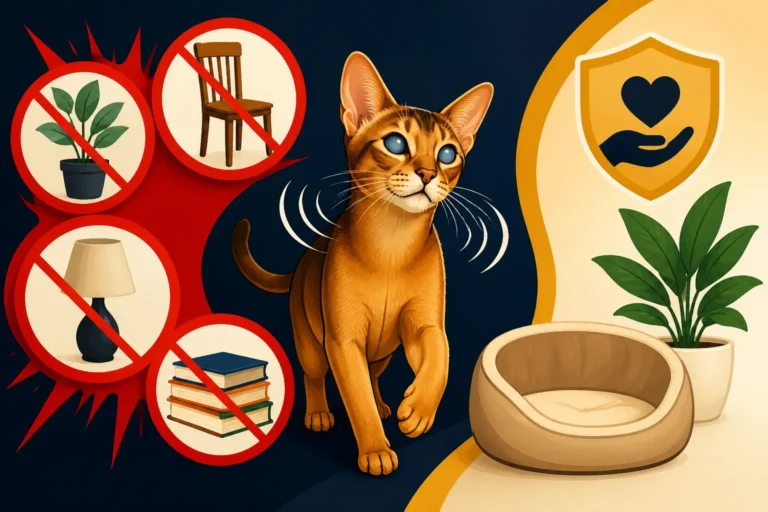
Here's where early testing becomes invaluable. Knowing your kitten is affected gives you ample time to prepare your home and your cat. Start by ensuring a consistent environment, avoiding rearranging furniture unnecessarily. Introduce them to different textures and sounds that can help them navigate. Toys with bells or crinkly sounds become their new favorites. You'll likely notice changes in their behavior as their sight diminishes; they might become more reliant on sound and smell, or become more cautious about jumping. Our guide on What an Abyssinian Does First as Its Sight Goes can offer valuable insights into these early signs. It's also worth noting that many Abyssinians, even when blind, retain their incredible athleticism and desire to climb, as detailed in Why a Blind Abyssinian Still Climbs.
Financially, managing a cat with progressive blindness might involve more frequent vet check-ups to monitor their overall health and address any secondary issues. While pet insurance typically doesn't cover genetic testing itself, having a robust plan from a provider like Healthy Paws in place before a diagnosis can be incredibly beneficial for covering the ongoing care, vet visits, and any supportive treatments an affected cat might need throughout their life. It helps soften the financial blow, allowing you to focus on providing the best quality of life for your beloved Abyssinian.
Summary of rdAc Testing Outcomes
Here’s a quick overview of what each test result for rdAc means for your Abyssinian kitten:
| Result Type | Genetic Status (CEP290) | Health Impact for Kitten | Breeding Implications |
|---|---|---|---|
| Clear | No mutation copies | Will NOT develop rdAc, normal vision lifelong | Can be bred with any tested cat; ideal for breeding programs |
| Carrier | One mutation copy | Will NOT develop rdAc, normal vision lifelong | Can be bred, but ONLY with a "Clear" mate to prevent affected offspring |
| Affected | Two mutation copies | WILL develop rdAc, leading to eventual blindness | Should NOT be bred; focus on quality of life and environmental adaptations |
Knowing your kitten's rdAc status early is a powerful tool in responsible pet ownership and breeding. It allows you to make informed decisions that safeguard the health and well-being of these incredible cats.
Disclaimer
This article is intended for informational purposes only and does not constitute professional veterinary advice. Always consult with a qualified veterinarian regarding your Abyssinian's health, diagnosis, and treatment plan. Genetic testing results should be discussed with your vet or a certified veterinary genetic counselor.