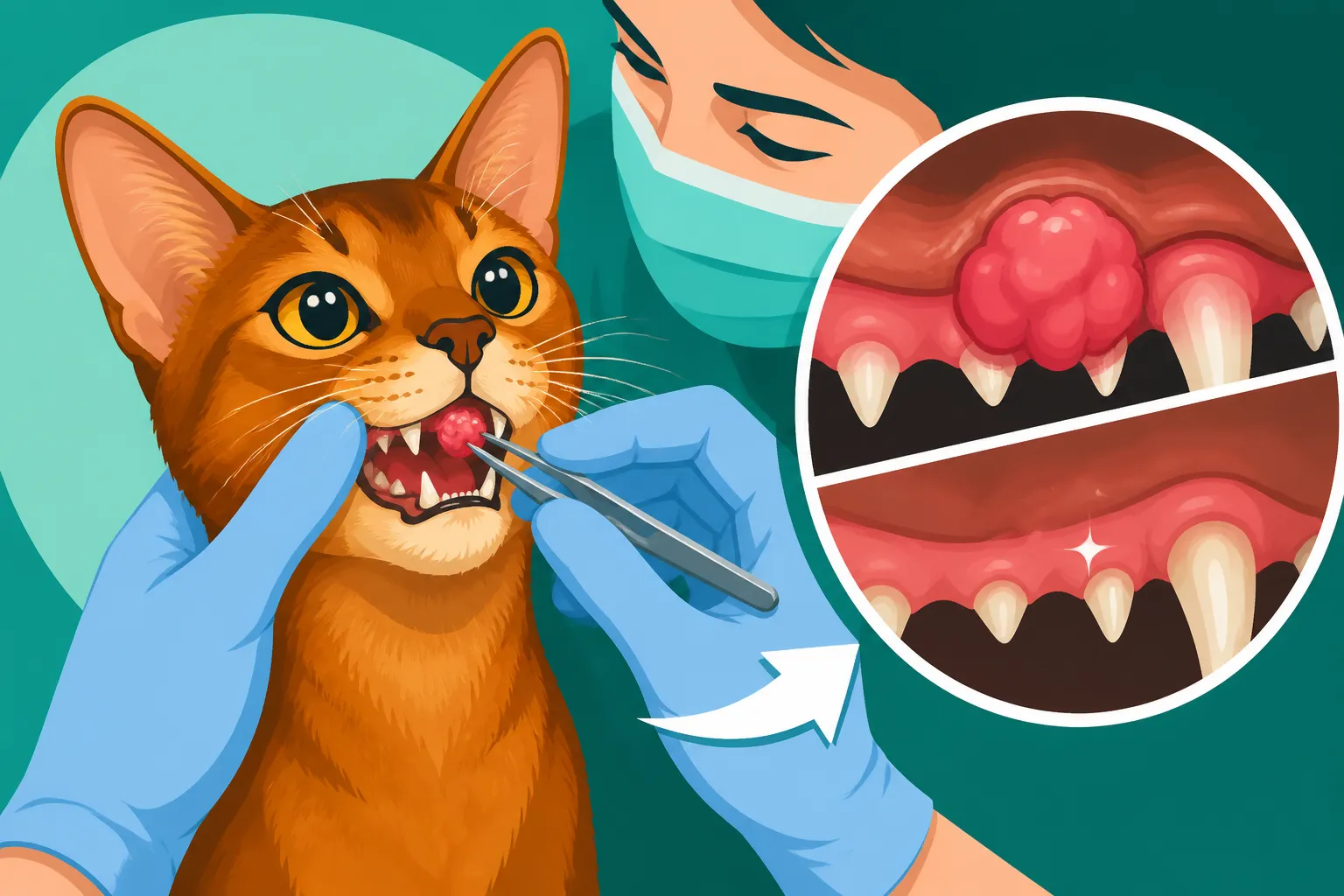
How a Vet Removes an Abyssinian’s Excess Gum
It's heartbreaking to see your usually vibrant Abyssinian kitten struggle with eating, or even just looking uncomfortable, due to swollen, overgrown gums. This persistent issue, often starting shockingly early, isn't just a cosmetic problem; it's a painful condition that can lead to more serious dental woes. This comprehensive guide will walk you through what happens when a veterinarian steps in to remove that excess gum tissue, known as a gingivectomy, and how to support your Abyssinian through the process.
Understanding Abyssinian Gum Health and Its Challenges
For many Abyssinian owners, the journey into their cat's oral health can be a surprising and often frustrating one. These energetic, intelligent felines, known for their lean builds and striking ticked coats, unfortunately have a predisposition to certain dental challenges, particularly involving their gums.
The Unique Susceptibility of Abyssinians
Abyssinians, especially as kittens and young adults, are unfortunately prone to a condition called juvenile gingivitis, which can quickly progress to gingival hyperplasia. It’s not fair, is it? You bring home this energetic little bundle, full of curiosity and zoomies, only to notice their gums starting to look red and puffy around six months of age. Unlike other breeds where gingivitis might be a slower, age-related concern, for Abyssinians, it can hit hard and fast. This breed-specific predisposition means that what might be a minor issue for a domestic shorthair can become a significant problem for your Abyssinian, requiring proactive and sometimes aggressive management.
The genetic component isn't fully understood, but it's widely observed in the breed. Imagine noticing your kitten, who usually devours their food, suddenly becoming a bit pickier, or taking longer to eat. You might peer into their mouth and see their gums looking angry and inflamed, perhaps even starting to creep up over their teeth. This isn't just poor dental hygiene; it’s a systemic inflammatory response that makes their gum tissue particularly susceptible to overgrowth. Understanding this unique vulnerability is the first step in protecting your Abyssinian's oral health, especially since Why an Abyssinian Kitten's Gums Fail at Six Months is such a common, frustrating reality for many owners.
Recognizing the Early Signs
Spotting early signs is crucial because this condition can escalate quickly. The very first thing you might notice is a subtle redness along the gum line, especially where the gum meets the tooth. It might not seem like much at first, easily dismissed as normal kitten teething, but for an Abyssinian, it’s often the precursor to something more serious. As the inflammation progresses, the gums become more swollen and puffy, sometimes even bleeding slightly when your cat chews on harder food or toys. This bleeding might be evident as small streaks on toys or even in their water bowl.
Beyond visual cues, changes in behavior are a huge red flag. A kitten that suddenly refuses dry kibble, prefers wet food, or even drops food from their mouth could be experiencing pain. They might start pawing at their mouth or becoming unusually head-shy. You might also notice bad breath, despite your best efforts at home care. This isn't just typical "cat breath"; it's a foul odor indicating significant bacterial buildup and inflammation that's far beyond what you'd expect from a healthy young cat. Catching these signs early, before the tissue becomes severely overgrown, can mean the difference between simpler interventions and more complex procedures down the line. It's truly a race against time, as How Juvenile Gingivitis Starts in an Abyssinian Kitten and progresses can be quite rapid, often making consistent home dental care feel like an uphill battle.
The Progression of Gum Overgrowth
If left unaddressed, juvenile gingivitis in Abyssinians can rapidly progress to gingival hyperplasia, where the gum tissue actually grows over the teeth. This isn't just a little extra puffiness; we're talking about gums that can completely engulf the crowns of teeth, creating deep pockets where food particles, bacteria, and plaque can accumulate unchecked. These pockets become breeding grounds for infection, intensifying the inflammation and perpetuating the cycle of overgrowth. It's a vicious circle that makes your cat incredibly uncomfortable and compromises their ability to eat properly. The cat's own body is essentially creating a perfect storm for further dental disease.
Imagine trying to eat with your gums swollen and sensitive, and food constantly getting stuck in crevices you can't reach. That's what your Abyssinian experiences. This overgrowth doesn't just look alarming; it actively shields the teeth from the natural cleaning action of chewing, accelerating plaque and tartar buildup. Over time, this chronic inflammation and bacterial load can lead to further complications, including tooth resorption, where the tooth structure itself breaks down, and even early tooth loss. It's a stark reminder of Why an Abyssinian's Gums Overgrow Its Teeth and why proactive intervention is so vital for their long-term health and comfort. Without treatment, your Abyssinian could face losing many teeth by the time they are five years old.
Diagnosing and Preparing for a Gingivectomy
Once you've noticed the signs of gum inflammation or overgrowth, the next crucial step is a thorough veterinary assessment. This isn't just a quick look in the mouth; it's a comprehensive process designed to ensure your Abyssinian receives the safest and most effective treatment.
Initial Veterinary Examination
When you suspect your Abyssinian has gum issues, the first stop is always the vet. During a routine exam, your veterinarian will conduct a thorough oral examination. This usually involves a visual inspection of the gums, teeth, and overall oral cavity. They’ll look for redness, swelling, bleeding, and any signs of tissue overgrowth. They might gently palpate the gums to assess their firmness and look for pockets around the teeth. They’ll also check for any missing or fractured teeth, or signs of dental resorption, which is unfortunately common in Abyssinians with chronic gum disease. This initial assessment helps to determine the severity and extent of the problem.
Many vets prefer to perform a more detailed oral exam under light sedation, especially if the cat is in pain or uncooperative. Imagine trying to get a clear, unobstructed view of an already sensitive area in a cat that's probably not thrilled about having its mouth poked and prodded! Sedation allows for a much clearer view and proper probing of gum pockets, which is impossible in an awake, squirming cat. During this initial assessment, your vet will discuss their findings with you and explain the potential need for a gingivectomy. They might recommend blood work to ensure your cat is a good candidate for anesthesia and to rule out any underlying systemic issues that could be contributing to the gum problem. This is a critical step, as What Happens During an Abyssinian's Dental Under Anesthetic is far more comprehensive than a quick peek.
The Role of X-rays and Bloodwork
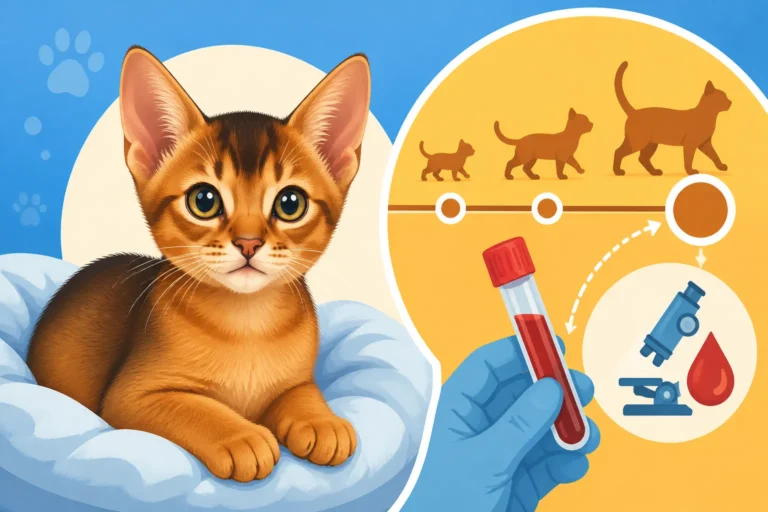
Before any dental procedure, especially one involving surgery like a gingivectomy, pre-anesthetic bloodwork is absolutely essential. This isn’t just a formality; it’s a critical safety measure. Your vet will check kidney and liver function, red and white blood cell counts, and other vital parameters to ensure your Abyssinian can safely metabolize anesthetic drugs and recover properly. If there are any red flags, like elevated kidney values, they'll address those first. For instance, some Abyssinians can be prone to kidney issues like renal amyloidosis, so ensuring these organs are healthy before anesthesia is paramount. It’s also wise to consider pet insurance, like a plan from Healthy Paws, which can help cover these diagnostic costs if your cat needs ongoing dental care or unexpected procedures.
Dental X-rays are another non-negotiable part of a thorough dental assessment, even more so when considering gum surgery. What you see on the surface of your cat’s teeth and gums is often just the tip of the iceberg. X-rays reveal the health of the tooth roots, the bone surrounding the teeth, and any issues hidden beneath the gum line, such as tooth resorption or abscesses. These hidden problems can impact the success of a gingivectomy and need to be addressed concurrently. A vet needs to know the full picture before they start, ensuring they're not just treating the symptoms but tackling the root causes of discomfort. You wouldn't want a surgeon operating on you without seeing the full extent of the problem, and the same applies to your cherished Abyssinian.
Differentiating From Other Oral Issues
While gingival hyperplasia is a specific concern for Abyssinians, it’s important for your vet to rule out other oral conditions that might present similarly. For example, some inflammatory oral conditions, like stomatitis, can cause severe inflammation and pain but require a different treatment approach than simply removing excess gum tissue. Stomatitis is a much more widespread and aggressive inflammation of the entire oral cavity, often necessitating full-mouth extractions. Oral masses or tumors, though less common, can also manifest as lumps or growths in the mouth and must be biopsied to determine if they are benign or malignant. Occasionally, foreign bodies embedded in the gums can also cause localized swelling and inflammation.
The careful examination, often under sedation, combined with dental X-rays and potentially biopsies, helps differentiate these conditions. Your vet will ensure they have a clear diagnosis before proceeding with a gingivectomy. This diagnostic rigor ensures that your Abyssinian receives the most appropriate and effective treatment, preventing unnecessary procedures and addressing the true underlying problem. This thorough approach is Why an Abyssinian Budget Should Include a Dental Fund – the diagnostics alone can be extensive but are vital to ensure correct treatment.
The Gingivectomy Procedure in Detail
Once your Abyssinian has been thoroughly evaluated and deemed a suitable candidate, the gingivectomy itself can be scheduled. This surgical procedure is more intricate than a standard dental cleaning and is performed with precision and care.
Pre-Surgical Preparations
Once the decision for a gingivectomy is made, your Abyssinian will undergo a series of preparations to ensure their safety during the procedure. This typically includes a final pre-anesthetic physical exam on the morning of surgery, reviewing the bloodwork, and confirming there are no last-minute changes in health. On the day of the surgery, your cat will likely be fasted for several hours to prevent aspiration during anesthesia, which can be a serious complication. They will receive intravenous fluids to maintain hydration and blood pressure, and often a pre-medication to help them relax and reduce pain before the actual anesthetic is administered.
Anesthesia is carefully tailored to your cat's individual needs, with continuous monitoring of heart rate, breathing, blood pressure, body temperature, and oxygen saturation throughout the entire procedure. Think of it like a human surgery, where every vital sign is tracked by trained veterinary staff and a dedicated technician. The goal is to keep your Abyssinian as safe and comfortable as possible from start to finish. This detailed preparation minimizes risks and sets the stage for a successful procedure, ensuring that considerations like Whether an Abyssinian Is a Low Anesthetic Risk are carefully assessed for each individual cat, reducing potential complications.
The Surgical Steps
The gingivectomy itself is a precise surgical procedure performed by a veterinarian, often with specialized dental training. Once your Abyssinian is under general anesthesia, the vet will start by thoroughly cleaning the teeth, scaling away any plaque and tartar both above and below the gum line, and polishing the tooth surfaces. This ensures a sterile field and allows for a clear, unobstructed view of the gum tissue that needs to be addressed. This initial cleaning is crucial to remove any existing bacterial load that could interfere with healing.
Then, using a scalpel, dental laser, or electrosurgery unit, the vet carefully trims away the overgrown gum tissue. The choice of instrument often depends on the vet's preference and the specific case, with lasers offering benefits like reduced bleeding and quicker healing. The goal is to re-establish a healthy, functional gum margin around each affected tooth, effectively removing those deep pockets that harbor bacteria and food debris. The technique is meticulous, ensuring that just enough tissue is removed to expose the teeth and restore proper gum contour, without exposing the sensitive tooth roots, which would cause significant pain. Bleeding is carefully controlled throughout the process. In some cases, if the gum overgrowth is severe or widespread, the procedure may take longer, requiring careful attention to detail for each tooth. This intricate process is much more involved than a simple dental cleaning; it's a reconstructive surgery aimed at restoring oral health, and it's precisely What a Gingivectomy Involves for an Abyssinian. After the excess tissue is removed, the area is often smoothed or cauterized to promote healing and reduce the risk of further bleeding.
What Happens to the Removed Tissue
This is an important step that many owners might not think about, but it’s a standard and valuable part of the procedure. While the primary goal of a gingivectomy is therapeutic – to remove problematic tissue and alleviate discomfort – the removed gum tissue is almost always sent off for histopathology, meaning it's examined by a veterinary pathologist under a microscope. This isn't done just for academic curiosity; it's a crucial diagnostic measure that provides important insights beyond the visible surface.
The pathologist will confirm that the tissue is indeed hypertrophic (overgrown) gingival tissue and, crucially, rule out any other underlying conditions, such as early-stage tumors (benign or malignant) or other inflammatory diseases that might mimic gingival hyperplasia. While rare, discovering an unexpected finding through this analysis could significantly alter your Abyssinian's long-term treatment plan, requiring additional interventions. It provides peace of mind if the results are benign, or if necessary, critical information for further care. This step ensures that nothing is missed, and that the initial diagnosis of simple hyperplasia is accurate, providing the most complete picture of your cat's oral health.
Table: Gingivitis vs. Gingival Hyperplasia in Abyssinians
| Feature | Juvenile Gingivitis (Early Stage) | Gingival Hyperplasia (Advanced Stage) |
|---|---|---|
| Appearance | Redness, mild swelling at gum line, inflamed | Gums significantly overgrown, puffy, may cover tooth crowns |
| Onset | Often around 6-12 months of age | Develops from untreated gingivitis, can be rapid |
| Symptoms | Bad breath, mild discomfort, picky eating, slight bleeding | Severe bad breath, pain, difficulty eating, food dropping, persistent bleeding |
| Pockets | Shallow to moderate, often treatable with cleaning | Deep pockets formed, trapping food and bacteria, difficult to clean |
| Treatment | Aggressive home dental care, professional cleaning | Gingivectomy often required, followed by intensive home care |
| Risk of Recurrence | Moderate with diligent care | High without continuous management and regular vet visits |
Post-Operative Care and Long-Term Management
The gingivectomy is a significant step, but the journey to optimal oral health for your Abyssinian doesn't end when they wake up from anesthesia. Post-operative care and diligent long-term management are crucial for successful recovery and preventing recurrence.
Immediate Recovery and Pain Management
Once the gingivectomy is complete, your Abyssinian will be monitored closely as they recover from anesthesia. They'll be kept warm and comfortable in a quiet recovery area, and pain management is a top priority. Your vet will likely administer long-acting pain medication before they even wake up fully, and you’ll be sent home with oral pain relievers, and possibly anti-inflammatory medications or antibiotics, to continue for several days. It’s essential to follow these instructions precisely, even if your cat seems to be feeling better, to ensure they remain comfortable and to prevent secondary infections. Don't be tempted to stop medication early, as pain can escalate quickly once it's no longer managed.
When you pick your Abyssinian up, they might be a little groggy, but they should be able to walk and respond to you. Your vet will provide detailed instructions on wound care, feeding, and activity restrictions. It’s a bit like caring for a human after oral surgery, really; patience and adherence to the vet's advice are key. This immediate post-op period is vital for a smooth recovery, and having robust pet insurance, like a comprehensive plan from Healthy Paws, can make a huge difference in managing unexpected follow-up vet visits or medication costs that might arise during this critical healing phase.
Home Care and Dietary Adjustments
The first few days after a gingivectomy will require some adjustments at home to ensure optimal healing. Your Abyssinian will need soft food exclusively for a period, typically 1-2 weeks, to avoid irritating the sensitive surgical sites. This might mean canned food, or their regular kibble softened thoroughly with water, making sure it’s easy to chew and swallow without causing discomfort. Avoid hard treats, crunchy kibble, or chew toys during this time, as they could damage the delicate healing tissue or even cause bleeding. Offer smaller, more frequent meals if your cat is reluctant to eat large quantities at once.
Activity levels might also need to be restricted temporarily to prevent accidental trauma to the healing gums. No vigorous play, high jumps, or roughhousing with other pets. Gentle petting and quiet time in a calm environment are the order of the day. You'll need to observe the surgical sites daily, looking for any excessive swelling, redness beyond what's normal for healing, discharge, or a foul odor – these could be signs of infection and warrant an immediate call to your vet. Your vet will advise you on when it’s safe to gradually resume normal activities and reintroduce harder foods. This period of careful home care is essential for proper healing and to prevent complications, setting the stage for long-term oral health.
Preventing Recurrence and Ongoing Dental Hygiene
Here’s the tough truth: a gingivectomy isn't a "one and done" solution for Abyssinians prone to gum overgrowth. It's a critical step in addressing the current problem, but without diligent ongoing care, the problem can recur. This breed's predisposition means you'll need to be extra vigilant. Daily tooth brushing, starting as soon as the gums have fully healed and your vet gives the all-clear, is the gold standard. It might sound daunting, but Why Home Dental Care Starts Early in an Abyssinian and maintaining that routine really does pay off, even if it's not a full dental cleaning every single time. Using a cat-specific toothbrush and toothpaste (never human toothpaste!), and making it a positive, routine experience, is key to success.
Regular veterinary check-ups and professional dental cleanings are also non-negotiable. Your vet will recommend a schedule, which might be more frequent than for other breeds, perhaps even yearly or bi-annually, to monitor gum health and catch any signs of recurrence early. Consider asking your vet about dental diets or water additives, although these are typically adjuncts, not replacements, for consistent brushing. Ultimately, preventing recurrence is a commitment. It truly underscores Why Abyssinian Dental Work Is the Biggest Line in the Budget for many owners, but it's an investment in your lively Abyssinian's comfort and quality of life. Without consistent home care and regular professional oversight, you might find yourself asking How Often an Abyssinian Needs Cleaning After a Gingivectomy again sooner than you'd like. A good pet insurance plan, such as those offered by Healthy Paws, can certainly ease the financial burden of these essential, ongoing dental procedures, helping you provide the best care without financial strain.
Disclaimer
Please remember that the information provided in this guide is for general informational purposes only and should not be considered a substitute for professional veterinary advice. Always consult with a qualified veterinarian for any health concerns or before making any decisions related to your Abyssinian's care.