Why an Abyssinian’s Muscle Loss Shows Before Its Fat
You've probably noticed that your Abyssinian is a whirlwind of lean, athletic energy, always on the go, climbing to the highest point, and chasing imaginary prey. But this incredible physique, while beautiful, can make detecting subtle health issues incredibly challenging. One of the most frustrating aspects for Abyssinian owners is that when illness strikes, their cat often shows muscle loss before any noticeable fat loss, making early detection a real struggle. This guide will walk you through why this happens, how to spot it, and what you can do to keep your vibrant companion healthy.
The Abyssinian's Athletic Build and Metabolism
Abyssinians are not built like your average chunky housecat. Their entire physiology is geared towards activity, agility, and a fast metabolism, which means their bodies handle weight loss very differently from other breeds.
Built for Motion, Not for Storage
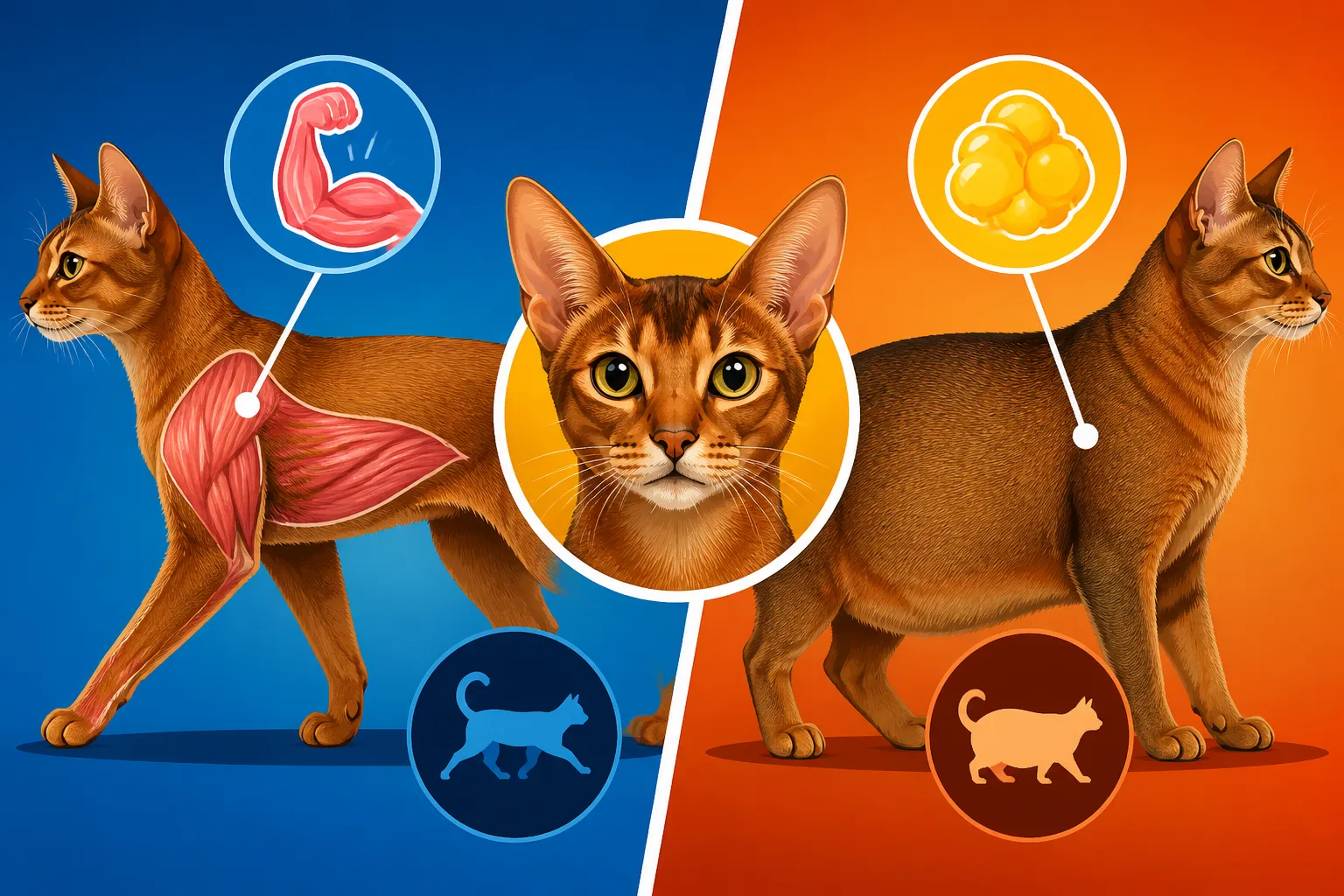
Think of an Abyssinian and you picture a sleek, graceful creature, full of boundless energy. They have what's known as a "foreign" body type – long, lithe, and muscular, with very little in the way of superficial body fat. Unlike some more sedentary breeds that might carry a noticeable layer of adipose tissue, Abyssinians are streamlined, designed for running, jumping, and intricate climbing maneuvers. Their bones are fine, their muscles are defined, and they are constantly in motion.
This high activity level means they burn through calories at an impressive rate. They're often described as having an "endless" energy supply, and while that's part of their charm, it also means their bodies are exceptionally efficient at utilizing fuel. When they're healthy, they maintain their lean physique effortlessly, often eating a surprising amount for their size without gaining an ounce of extra fat.
The Energy Reserve Hierarchy
When any animal, including your Abyssinian, faces a caloric deficit—meaning they're burning more energy than they're consuming—their body kicks into survival mode, drawing on its reserves. The body generally prioritizes energy sources in a specific order. First, it taps into readily available carbohydrates, like glucose in the bloodstream and glycogen stored in the liver and muscles. Once those quick-access fuels are depleted, the body moves to its more substantial energy banks.
For most creatures, the next big reserve is fat. Adipose tissue is essentially stored energy, and breaking it down provides a significant caloric yield. However, as we discussed, Abyssinians don't have extensive fat reserves to begin with. Their natural leanness means they have a smaller "fat buffer" compared to other cats.
So, what's next in the energy hierarchy when fat stores are meager? Muscle. The body can and will break down muscle protein to convert into energy (a process called gluconeogenesis) when other sources are insufficient. This is why, in an already lean and muscular breed like the Abyssinian, you often see muscle wasting before any significant reduction in overall body fat, because there simply isn't much fat to lose. It's a cruel trick of their metabolism that can mask underlying health issues.
Why Muscle Loss Is the First Visible Sign of Trouble
This specific metabolic characteristic of Abyssinians means that muscle loss isn't just a symptom; it's often the first visible indicator that something is amiss, long before a general "weight loss" becomes obvious.
The Silent Drain: Illness and Increased Calorie Needs
When an Abyssinian becomes ill, even subtly, their body's metabolic demands can skyrocket. Conditions like chronic kidney disease, hyperthyroidism, inflammatory bowel disease, or even advanced dental problems can all contribute to a state where the body needs more calories, or it struggles to absorb the nutrients from the food it does eat. Imagine an engine running hotter than usual or suddenly developing a leak in its fuel line – the demand goes up, or the supply goes down.
Because your Abyssinian doesn't have much fat to fall back on, their body quickly turns to muscle tissue for energy. It’s a survival mechanism, but it means that even a minor, chronic illness can start to erode muscle mass almost imperceptibly at first. You might not see a cat that "looks thin" in the traditional sense, but their muscle tone will start to diminish. This is also why an Abyssinian can be particularly adept at hiding illness, as their inherent athleticism can mask weakness for a surprising amount of time.
How to Spot Muscle Wasting on a Lean Cat
Spotting muscle loss in a cat already renowned for its lean build requires a keen eye and a tactile approach. You can't just rely on visual cues alone, especially with their beautiful, dense, ticked coats that can hide a multitude of sins.
Start by gently running your hands along your Abyssinian's body. The key areas to focus on are:
- Spine: Gently feel along their backbone. In a healthy Abyssinian, you should feel the individual vertebrae, but they should be well-covered by muscle. If they feel sharp, prominent, or you can easily count each bone, it’s a red flag.
- Shoulder Blades: These should feel smooth and covered. If they start to protrude or feel angular and easily defined, muscle around them may be wasting.
- Hips/Pelvis: Similarly, the hip bones, located just in front of the tail, should be palpable but not sharp. If they become very noticeable or bony, it indicates muscle loss in the hindquarters.
- Ribs: You should be able to feel their ribs under a thin layer of muscle and skin, but they should not feel like a washboard. If they're extremely distinct without applying pressure, that's concerning.
Visually, their elegant coat can make it tricky. You might notice a subtle change in their silhouette – perhaps their waist seems a little more tucked in, or their hindquarters look slightly less robust from above. Their ticked coat can also create optical illusions, making them appear fuller than they are. This is why regularly assessing How to Read an Abyssinian's Body Condition Through That Coat is so important.
The Deceptive Nature of Weight Loss in Abyssinians
When we talk about "weight loss" in general, many people picture an overweight cat slimming down. But for an Abyssinian, any unexplained weight loss, even a small amount, can be a sign of significant underlying problems. This is especially true because of their inherent leanness. Losing even a pound on an average 8-10 pound Abyssinian is a substantial percentage of their body mass, and it's far more likely to represent muscle atrophy than a reduction in fat.
It's not about "trimming down"; it's about the body consuming its own vital tissues. This process isn't benign. Muscle provides strength, supports organs, and is crucial for overall vitality. When your Abyssinian is burning muscle, it means they are in a deep caloric deficit, and their body is struggling. This is Why an Abyssinian's Weight Loss Is Never Minor. It's a symptom that demands immediate investigation, not a wait-and-see approach.
Actionable Steps When You Notice Changes
Recognizing muscle loss is the first critical step. The next is taking proactive action to get your Abyssinian the help they need.
Regular Body Condition Scoring
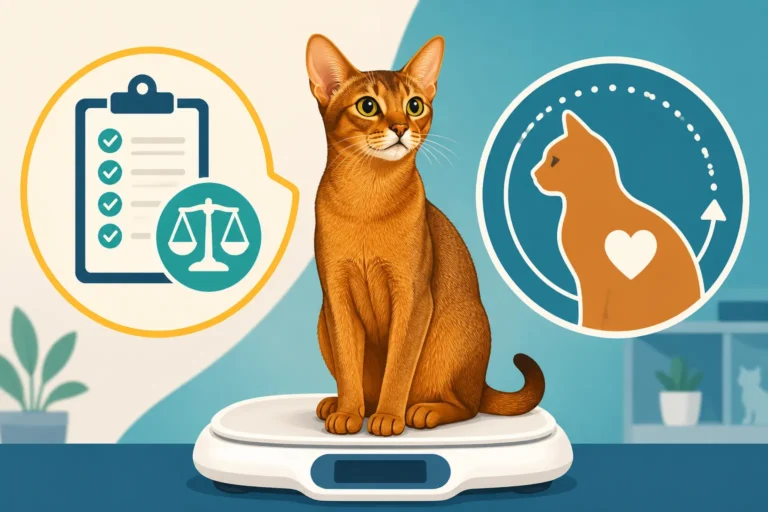
To truly understand your Abyssinian's condition, you need to establish a baseline when they are healthy and then monitor them consistently. This means going beyond just looking at them and getting hands-on with regular body condition scoring.
Make it a routine: once a week or every other week, gently feel your cat’s spine, ribs, hips, and shoulders as described above. Pay attention to how easily you can feel the bones and how much muscle covers them. You can also incorporate regular weighing. A simple digital kitchen scale for smaller cats, or a baby scale for slightly larger ones, can be invaluable. Record their weight in a journal or a note on your phone. Even a few ounces of unexplained weight loss in an Abyssinian can be a red flag. Think of it as their physical "check-in." If you notice even a slight change in how easily you can feel their bones, or a gradual drop in weight, it's time to act.
Partnering With Your Veterinarian
If you suspect muscle loss or notice any unexplained weight drop, don't delay – schedule an immediate vet visit. Be prepared to discuss not just the muscle loss, but any subtle changes in behavior, appetite, water intake, or energy levels, even if they seem minor. Remember, Abyssinians are masters at hiding illness, so every detail you provide can be crucial.
Your veterinarian will likely perform a thorough physical exam and recommend a series of diagnostic tests. This could include comprehensive bloodwork to check organ function (especially kidneys and thyroid), a urinalysis, and possibly imaging like X-rays or ultrasound. These tests are essential for uncovering the underlying cause of muscle wasting, which could range from kidney disease to hyperthyroidism or inflammatory bowel disease. Understanding Which Blood Values Catch an Abyssinian's Kidneys Early can help you understand the diagnostics your vet might order.
Don't let the potential cost of these investigations deter you. This is where pet insurance can be a lifesaver. Companies like Healthy Paws offer coverage for unexpected illnesses and accidents, which can significantly ease the financial burden of diagnosing and treating conditions that lead to muscle loss. Having a safety net like Healthy Paws means you can focus on getting your beloved Abyssinian the best possible care without added stress.
Nutritional Support and Management
Once an underlying cause is identified and treatment begins, nutritional support becomes paramount. Your vet will guide you on the best dietary approach, but generally, Abyssinians with muscle loss often benefit from:
- High-quality, high-protein diets: To help rebuild and maintain muscle mass. The protein source should be easily digestible.
- Frequent, smaller meals: Instead of one or two large meals, several smaller ones throughout the day can be easier on their digestive system and ensure a steady caloric intake.
- Increased calorie density: Sometimes, a food with a higher caloric density is needed to ensure they're getting enough energy without having to eat excessive amounts.
- Hydration: Especially crucial if kidney issues are at play. Encouraging water intake with fountains or wet food is vital.
For older Abyssinians, maintaining muscle mass is an ongoing battle, and Why an Old Abyssinian Needs Its Protein Kept Up becomes even more critical. Your vet may also discuss specific prescription diets, particularly if conditions like kidney disease are diagnosed. Proper nutrition, alongside medical treatment, is a cornerstone of recovery and long-term management, and often, How a Vet Manages an Abyssinian in Kidney Failure will involve a carefully tailored diet.
Common Health Concerns Linked to Muscle Loss in Abyssinians
Several health conditions are frequently associated with muscle loss in Abyssinians. Knowing these can help you understand why your vet might be looking for certain signs.
Chronic Kidney Disease
Chronic Kidney Disease (CKD) is unfortunately common in cats, and Abyssinians are not immune. Failing kidneys struggle to filter waste products from the blood, leading to a buildup of toxins that can cause nausea, loss of appetite, and a general feeling of malaise. This reduced food intake, combined with the body's increased metabolic demands as it tries to cope with the kidney dysfunction, leads directly to muscle wasting. A very common early sign of kidney issues, particularly in young Abyssinians, is increased thirst. If you notice Why a Thirsty Young Abyssinian Is a Red Flag, it's crucial to get them checked.
Hyperthyroidism
Hyperthyroidism is another significant culprit for muscle loss, especially in middle-aged to older Abyssinians. In this condition, the thyroid gland produces too much thyroid hormone, which acts like an accelerator pedal for the body's metabolism. While an Abyssinian already has a naturally fast metabolism, hyperthyroidism pushes it into overdrive. Affected cats often eat ravenously but still lose weight, primarily muscle. Other signs include increased activity, restlessness, vomiting, diarrhea, and a scraggly coat. It's like their body is constantly running a marathon, burning through everything it can, including its own muscle.
Inflammatory Bowel Disease and Malabsorption
Inflammatory Bowel Disease (IBD) encompasses a group of conditions where the gastrointestinal tract becomes chronically inflamed. This inflammation can interfere with the proper digestion and absorption of nutrients. Even if your Abyssinian is eating, if their intestines can't absorb the proteins, fats, and carbohydrates effectively, they will still enter a state of caloric deficit. This leads to malabsorption, and inevitably, muscle loss. Symptoms often include chronic vomiting, diarrhea, changes in appetite, and weight loss.
Other Considerations: Cancer, Diabetes, and Dental Issues
While less common, other serious conditions like certain cancers or uncontrolled diabetes can also lead to significant muscle wasting. Cancer can cause a phenomenon called cachexia, where the body's metabolism shifts to support tumor growth at the expense of its own tissues. Diabetes, if not properly managed, can prevent the body from effectively using glucose for energy, forcing it to break down muscle instead.
Even seemingly simple issues like severe dental disease can contribute. A cat with painful teeth or inflamed gums might reduce their food intake or struggle to chew properly, leading to a chronic caloric deficit and subsequent muscle loss. Sometimes, a quiet Abyssinian is telling you a lot more than you think, as What a Quiet Abyssinian Is Telling You can often be a sign of discomfort or illness. All these conditions underscore why prompt veterinary investigation is so vital when muscle loss is detected. And again, pet insurance from providers like Healthy Paws can be a real asset, helping to cover the diagnostic tests and ongoing treatment costs for these varied and often expensive conditions.
Here's a quick guide to body condition scoring:
| Score (1-9 Scale) | Visual Cues (Abyssinian Specific) | Palpation Cues (Ribs, Spine, Hips) | What it Means |
|---|---|---|---|
| 1 (Emaciated) | Severe abdominal tuck, bones extremely prominent. | Ribs, spine, pelvic bones easily visible and felt with no fat or muscle covering. | Critically underweight, severe muscle wasting. Veterinary emergency. |
| 3 (Thin) | Obvious waist and abdominal tuck. | Ribs, spine, pelvic bones easily felt, visible with minimal muscle covering. No fat pad. | Underweight. Some muscle wasting evident. Vet check recommended. |
| 5 (Ideal) | Well-proportioned body, visible waist. | Ribs easily felt with slight fat cover, spine and hip bones palpable but smooth, good muscle mass. | Healthy, lean body condition. Ideal for an Abyssinian. |
| 7 (Overweight) | No obvious waist, slight abdominal distension. | Ribs felt with moderate fat cover, spine less palpable, waistline broad. | Carrying excess fat, less common for Abyssinians but still possible. Risk for joint issues like Why a Lean Abyssinian Puts Less Load on Its Joints. |
| 9 (Obese) | Pronounced distension, no waist, heavy fat deposits. | Ribs, spine, hip bones difficult to feel due to heavy fat cover. Broad back, heavy stomach. | Severely overweight. Very rare for Abyssinians, usually indicates significant underlying metabolic issue. |
Remember, for Abyssinians, aiming for a 4 or 5 is generally ideal, recognizing their naturally lean and athletic build. Deviations, especially towards the lower end, warrant immediate attention.
Disclaimer
This article is intended for informational purposes only and does not constitute veterinary advice. Always consult with a qualified veterinarian for any health concerns or before making any decisions about your pet's health or treatment.