Which Vaccines an Indoor Abyssinian Actually Needs
It can be really confusing trying to figure out which vaccines your beloved Abyssinian actually needs, especially when they live a pampered indoor life. You want to protect them from everything, but you also don't want to over-vaccinate, and it feels like every vet visit brings a new set of recommendations. This guide is here to cut through the noise, helping you understand the essential vaccines for your indoor Abyssinian, which ones are typically optional, and how to work with your vet to create the perfect tailored vaccination plan.
Understanding the Core Vaccines for Your Indoor Abyssinian
Even if your Abyssinian never steps a paw outside, they aren't entirely immune to certain common feline diseases. Think about it: you, your family, or even guests come and go, bringing the outside world in on shoes, clothes, or even hands. Other pets, if you have them, might have outdoor access. These "fomites" – inanimate objects that can carry infectious agents – are often enough to expose an unvaccinated indoor cat to serious illness.
The FVRCP Combination Vaccine: A Non-Negotiable Shield
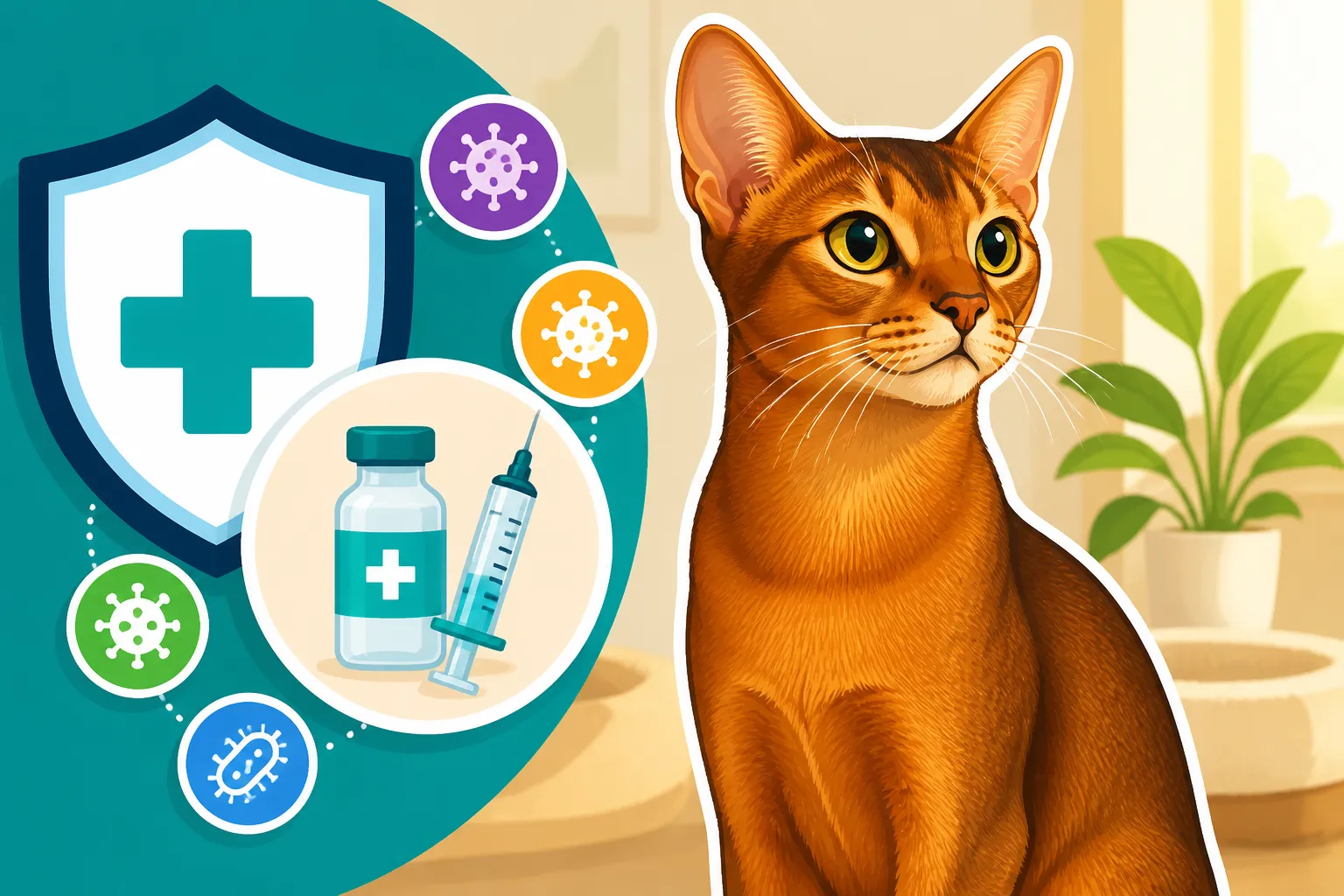
This vaccine is often referred to as the "distemper shot" for cats, though it covers much more than just feline distemper. FVRCP stands for Feline Viral Rhinotracheitis, Calicivirus, and Panleukopenia. These are three highly contagious and potentially severe diseases that every cat, regardless of lifestyle, should be protected against.
- Feline Viral Rhinotracheitis (FVR): This is a feline herpesvirus that causes severe upper respiratory illness. Symptoms include sneezing, nasal discharge, conjunctivitis (red, watery eyes), and fever. While typically not fatal in adult cats, it can be very debilitating, lead to secondary bacterial infections, and some cats become lifelong carriers, experiencing flare-ups during stress. Imagine your energetic Abyssinian, usually a whirlwind of activity, feeling utterly miserable and unable to breathe freely. It’s a heartbreaking sight.
- Feline Calicivirus (FCV): Also an upper respiratory disease, FCV often presents with similar symptoms to FVR, but can also cause oral ulcers, lameness, and, in severe strains, pneumonia. These mouth sores can make eating incredibly painful, which is a major concern for any cat, especially a breed known for its boundless energy that needs proper nutrition to sustain it.
- Feline Panleukopenia (FPV): This is the truly devastating "feline distemper." It's highly contagious, incredibly hardy in the environment, and often fatal, especially in kittens. It attacks the rapidly dividing cells in the body, primarily in the bone marrow and intestines, leading to severe vomiting, diarrhea, dehydration, and a compromised immune system. An indoor Abyssinian might pick this up from something as simple as contaminated shoes brought in from an area where an infected cat once roamed. The virus can live in the environment for a very long time, making it a serious threat even without direct cat-to-cat contact. Protecting against this is paramount.
Rabies: The Legal and Life-Saving Requirement
Rabies is a viral disease that attacks the central nervous system and is almost always fatal once symptoms appear. It's also a zoonotic disease, meaning it can be transmitted from animals to humans, which is why vaccination against it is mandated by law in many regions, even for strictly indoor cats.
You might think, "My Abyssinian never goes outside, so why the rabies shot?" The reality is, accidents happen. A door might be left ajar, a window screen could tear, or a small, rabid bat could find its way into your home. It might sound like a long shot, but the consequences of not vaccinating are so severe, both for your cat and for public health, that it's simply not worth the risk. If an unvaccinated indoor cat bites someone or is exposed to a suspected rabid animal, the legal repercussions can range from strict quarantine to euthanasia, even if your cat shows no symptoms. For your peace of mind and your Abyssinian's safety, this vaccine is absolutely essential, regardless of whether they are a dedicated indoor explorer or a Why an Abyssinian Should Not Roam Outdoors.
Optional Vaccines: Assessing the Risk for Your Indoor Abyssinian
While core vaccines are a must, there are other vaccines available that might be recommended for cats with different lifestyles. For a strictly indoor Abyssinian, these are generally considered optional, but it's always worth discussing them with your vet to ensure you're making the best, most informed decision for your specific pet and household.
Feline Leukemia Virus FeLV Vaccine: When Is It Necessary?
The Feline Leukemia Virus (FeLV) is a retrovirus that can cause a variety of serious illnesses in cats, including cancer, blood disorders, and immune deficiency. It's transmitted primarily through direct, prolonged contact with an infected cat's saliva, nasal secretions, urine, feces, or blood. This often happens through mutual grooming, sharing food and water bowls, or fighting.
For a strictly indoor Abyssinian living in a single-cat household, the risk of FeLV exposure is extremely low. There's no direct exposure to other cats that might be carrying the virus. However, there are scenarios where your vet might suggest considering the FeLV vaccine:
- Multi-cat Households with Outdoor Access: If you have other cats that do go outside, even occasionally, they could potentially bring the virus back into the home, putting your indoor Abyssinian at risk.
- Socializing with Unvaccinated Cats: If your Abyssinian routinely interacts with cats outside your immediate household, for example, through a cat-sitting arrangement or if you foster new cats, the risk increases.
- Rescue Situations: Sometimes, when you bring a new cat into your home, especially a rescue, their FeLV status might be unknown. It's crucial to test new cats for FeLV and FIV before introducing them to your resident pets. This is especially true for a rescue Abyssinian.
- Unplanned Outdoor Excursions: While you aim for your Abyssinian to be a dedicated indoor cat, sometimes they are just too clever. Why an Abyssinian Opens Doors and Cabinets is a common frustration, and a determined Abyssinian could slip out the door, even for a short time, and have an unforeseen encounter.
Discuss these possibilities with your vet. They can help you weigh the very low risk against the potential benefits of vaccination in your unique situation. Remember, the goal is always to provide necessary protection without unnecessary intervention.
Feline Infectious Peritonitis FIP and Chlamydophila: Rarely Recommended
There are other vaccines out there, but for most indoor Abyssinians, they are rarely, if ever, recommended due to efficacy concerns, low risk of exposure, or potential side effects.
- Feline Infectious Peritonitis (FIP) Vaccine: FIP is a serious, often fatal, viral disease. However, the current FIP vaccine is not widely recommended by veterinary professionals, especially for indoor cats, due to its questionable efficacy and the fact that it only protects against one form of the virus. The primary virus that causes FIP, Feline Coronavirus (FCoV), is actually quite common and usually causes mild or no symptoms. It's when this common FCoV mutates within an individual cat that it can develop into the deadly FIP. The vaccine doesn't reliably prevent this mutation or the disease itself, so it's generally reserved for specific, high-risk situations under strict veterinary guidance, which rarely includes a typical indoor Abyssinian.
- Chlamydophila Felis Vaccine: Chlamydophila (formerly Chlamydia) is a bacterial infection that primarily causes conjunctivitis (eye inflammation) and, less commonly, mild respiratory signs. It's usually seen in environments with many cats, like shelters or breeding catteries, where direct cat-to-cat transmission is frequent. For an indoor Abyssinian with limited or no exposure to other cats, the risk is very low, and the vaccine is not typically part of a routine vaccination protocol. Your vet will only suggest this if there's a specific, identified risk.
Navigating Your Abyssinian's Vaccination Schedule
Vaccination isn't a one-and-done deal. There's a specific schedule for kittens to build their immunity and then ongoing boosters for adults to maintain that protection. Understanding this timeline and how to communicate with your vet is crucial for your Abyssinian's long-term health.
Kitten Vaccinations: Building Immunity from the Start
An Abyssinian kitten needs a series of vaccinations to develop strong immunity. They receive maternal antibodies through their mother's milk, which offers some protection but also interferes with the kitten's own immune response to vaccines. This is why a series of shots is necessary – to provide protection once maternal antibodies wane.
Typically, kittens will start their FVRCP series around 6-8 weeks of age, with boosters given every 3-4 weeks until they are about 16 weeks old. This schedule ensures that they receive a vaccine dose when their maternal immunity is no longer blocking their own immune system from responding effectively. Rabies vaccine is usually given as a single dose around 12-16 weeks of age, after the FVRCP series is well underway.
It's vital that you ensure your Abyssinian kitten needs an early vet visit to establish this crucial foundation of protection. Missing a booster in the kitten series can leave your little one vulnerable to diseases.
Adult Boosters and Titers: Maintaining Protection
Once your Abyssinian has completed their initial kitten series, they'll need booster vaccinations throughout their adult life. The frequency of these boosters can vary depending on the vaccine and your veterinarian's recommendations, which are often guided by professional guidelines and local regulations.
- FVRCP Boosters: After the initial kitten series, the FVRCP vaccine is usually boostered one year later. After that, many veterinarians recommend re-vaccinating every three years. This shift from annual boosters to extended intervals is a common practice based on research showing longer-lasting immunity for this particular vaccine.
- Rabies Boosters: Rabies vaccination schedules are often dictated by local laws, which can vary. Typically, a booster is given one year after the initial kitten shot, and then every one or three years, depending on the specific vaccine used and local ordinances. Always check with your local veterinary practice for the precise legal requirements in your area.
For some adult cats, especially those who are older or have certain health conditions, your vet might discuss titer testing. A titer test measures the level of antibodies in your Abyssinian's blood for a specific disease. If the antibody levels are sufficiently high, it indicates that your cat still has protective immunity, and a booster vaccine might not be immediately necessary. This can be a useful tool for owners concerned about over-vaccination, particularly for an older Abyssinian cat. However, it's important to note that titer testing isn't an option for rabies, as legal requirements often supersede antibody levels. For an older cat, maintaining protective immunity without adding unnecessary stress is key, especially if they are already in the Caring for an Abyssinian Past Ten category.
Discussing Vaccine Protocols with Your Vet
Choosing the right vaccine protocol for your indoor Abyssinian isn't a set-it-and-forget-it decision. It requires an individualized assessment, and the best person to guide you through this is your veterinarian. They have the medical expertise and the knowledge of local disease prevalence and regulations.
When you discuss vaccines with your vet, be prepared to talk about:
- Your Abyssinian's lifestyle: Be honest and thorough about whether they are truly indoor-only, if they have supervised outdoor access, or if there's any chance of escape. Mention if you have other pets with outdoor access.
- Household composition: Do you foster other cats? Do your friends bring their cats over? Does your Abyssinian go to a groomer or a cat sitter?
- Local risks: Your vet will be aware of any disease outbreaks or higher prevalence of certain conditions in your geographic area.
- Your Abyssinian's health history: Any previous vaccine reactions, chronic illnesses, or age considerations will play a role. For example, What an Old Abyssinian Slows Down From could influence decisions about minimizing stress on their immune system.
Don't hesitate to ask questions and express any concerns you have. A good veterinarian will appreciate your engagement and work with you to develop a vaccination plan that provides optimal protection while minimizing any potential risks. Remember, regular vet check-ups are also crucial, and thinking about pet insurance, like plans from Healthy Paws, can really help manage unexpected vet bills, whether for routine care or any unforeseen health issues that may arise.
Here's a quick summary of the common vaccines for indoor Abyssinians:
| Vaccine Type | Diseases Covered | Recommendation for Indoor Abyssinian | Why It Matters | Frequency (Adult) |
|---|---|---|---|---|
| FVRCP | Feline Viral Rhinotracheitis, Calicivirus, Panleukopenia | Core (Essential) | Highly contagious, hardy in environment, severe illness, often fatal in kittens. | Every 1-3 years |
| Rabies | Rabies | Core (Essential & Often Legal) | Fatal, zoonotic (transmissible to humans), legally mandated in many areas. | Every 1-3 years |
| FeLV (Feline Leukemia Virus) | Feline Leukemia Virus | Optional (Risk-Dependent) | Transmitted by direct contact (saliva, fighting). Low risk for strict indoor, single cats. | Annual (if given) |
| FIP (Feline Infectious Peritonitis) | Feline Infectious Peritonitis | Generally Not Recommended | Questionable efficacy, limited protection against mutation, low general risk. | Not applicable |
| Chlamydophila Felis | Chlamydophila Felis (bacterial conjunctivitis) | Generally Not Recommended | Low risk for indoor, single cats. Typically for multi-cat, high-exposure environments. | Not applicable |
Ultimately, keeping your Abyssinian healthy involves a combination of preventative care, a safe environment, and a strong partnership with your vet. By understanding which vaccines are truly necessary for an indoor cat and making informed decisions, you can ensure your lively companion lives a long, healthy, and vibrant life.
Disclaimer
This article is for general informational purposes only and does not constitute professional advice. Laws, prices and regulations vary by location and change over time. Consult a qualified professional for guidance on your specific situation.