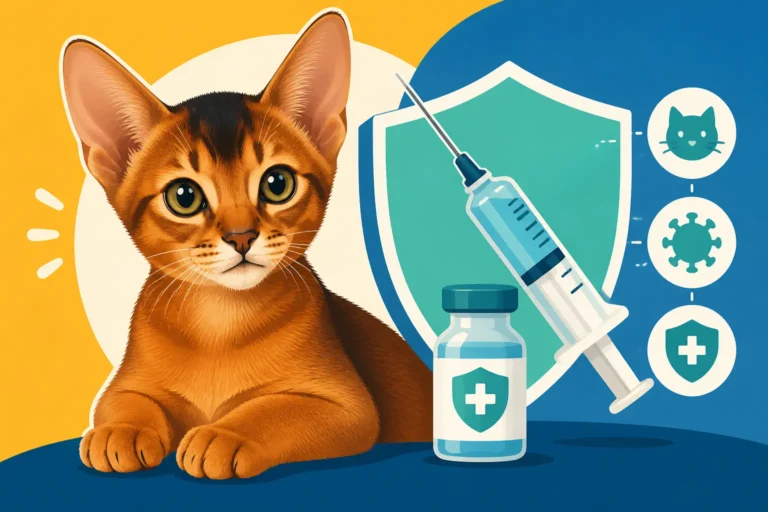
Why an Abyssinian Costs More Than a Shelter Tabby
Many prospective cat parents dream of bringing home a sleek, active Abyssinian, drawn in by their stunning looks and vibrant personalities. But then comes the moment you start looking into prices, and the sticker shock can be real, leaving you wondering why an Abyssinian kitten often costs significantly more than adopting a charming tabby from your local animal shelter. This guide is here to break down exactly what goes into that higher price tag, from the extensive efforts of responsible breeders to the specific long-term care needs that make Abyssinian ownership a unique financial journey.
The Initial Price Tag: Why Breeders Charge What They Do
When you first start looking at Abyssinian kittens, the price can feel astronomical, especially if you're used to the more modest adoption fees at a local shelter. It's easy to assume it's just about status or pure profit, but the reality for a reputable breeder is far more complex and involves substantial financial and time investments. That initial cost isn't just for the kitten; it's a reflection of the significant work and dedication that goes into ensuring a healthy, well-socialized, and genetically sound feline companion.
The Investment in Responsible Breeding Practices
Reputable Abyssinian breeders aren't just pairing two cats and hoping for the best. They are custodians of the breed, meticulously planning each litter to improve health, temperament, and adherence to the breed standard. This involves a deep understanding of genetics, health histories, and conformation. They invest in high-quality breeding stock, often importing cats from other countries to diversify bloodlines and reduce the risk of inherited diseases. This alone can cost thousands of dollars per cat, not to mention the expense of showing their cats to ensure they meet the breed standard and are worthy of continuing the line.
Beyond the initial acquisition, there are ongoing costs for feeding premium food, providing excellent veterinary care for the breeding cats, and maintaining a clean, enriching environment. Think about the stud fees if they don't own a suitable male, or the expenses associated with a queen's pregnancy and delivery, which might include ultrasound, X-rays, and sometimes even emergency C-sections. These are costs that are simply not part of the equation when a shelter is rehoming a cat that arrived pregnant or as a stray. Every element of a responsible breeding program, from the careful selection of parents to the meticulous record-keeping of pedigrees, adds to the foundational cost. It's a commitment to the future of the breed, not just a transaction. You're essentially paying for decades of accumulated knowledge and ethical practice. A good breeder will always be transparent about their practices; in fact, a key part of your due diligence is knowing exactly The Test Results an Abyssinian Breeder Owes You.
Comprehensive Genetic Health Screening
One of the most critical differentiators in the cost of an Abyssinian versus a shelter tabby is the extensive genetic health screening undergone by responsible breeders. Abyssinians, like many purebred cats, have certain genetic predispositions that, if not screened for, can lead to heartbreaking and expensive health issues down the line. Breeders invest in DNA tests for known conditions such as Pyruvate Kinase Deficiency (PKD) and Progressive Retinal Atrophy (PRA-rdAc). These tests aren't cheap, and they're performed on all breeding cats to ensure they don't pass on these debilitating conditions to their offspring.
Consider the cost of a single genetic test, let alone a whole panel, performed on multiple breeding cats and potentially their offspring if there's a question. For instance, Pyruvate Kinase Deficiency Is the Abyssinian's Best Known Test, and breeders will test for it to avoid producing affected kittens. Similarly, knowing PRA-rdAc Takes an Abyssinian's Sight by Five in affected cats drives the need for rigorous screening. These tests help ensure that the kitten you bring home has the best possible genetic start in life, saving you from potentially enormous veterinary bills and emotional distress later on. A shelter tabby, while wonderful, comes with an unknown genetic history. You simply don't have the luxury of knowing if its parents were screened for conditions common in specific breeds, because its lineage isn't documented. This proactive health management is a huge part of the Abyssinian's higher upfront cost. It’s also important to remember that some serious Abyssinian health issues, like Renal Amyloidosis Is the Abyssinian Problem Nobody Can Test For, mean breeders rely on meticulous pedigree research, which also takes considerable time and effort.
Early Life Care and Socialization
Before an Abyssinian kitten even goes to its new home, a responsible breeder has poured countless hours and resources into its care and development. This includes proper nutrition for the mother and kittens, regular veterinary check-ups for the entire litter, vaccinations, deworming, and microchipping. Kittens are typically kept until they are at least 12 to 16 weeks old, allowing them ample time to socialize with their mother and littermates, which is crucial for their behavioral development. This is why Why an Abyssinian Kitten Leaves at Fourteen Weeks is a common and important practice.
During these formative weeks, breeders also begin litter training, teaching good manners, and exposing kittens to various sights, sounds, and interactions to ensure they are confident, well-adjusted companions. They are often raised in a home environment, interacting with people and other animals, preparing them for life as a beloved family member. This intensive early care, including high-quality food, vet visits, and constant supervision, represents a significant financial outlay that is built into the purchase price. A shelter, while doing incredible work, often has to operate on a larger scale with limited resources, and while they provide essential care, they can't always offer the same level of individualized, long-term early socialization that a dedicated breeder does. When you bring home an Abyssinian, you're not just getting a kitten; you're getting a meticulously prepared, well-started family member.
Rarity and Demand: The Abyssinian's Niche Appeal
Unlike the ubiquitous domestic shorthair, Abyssinians are a purebred cat with a distinct heritage and a unique set of traits. This naturally impacts their availability and, consequently, their price. They aren't mass-produced, and the commitment required to breed them responsibly means there will always be fewer Abyssinians available than there are shelter cats. This exclusivity plays a significant role in their market value.
Limited Litters and Small Breeding Pools
Abyssinian queens typically have smaller litters compared to many other cat breeds, often only producing three to five kittens per litter. This naturally limits the number of available kittens each year. Furthermore, the breeding pool for Abyssinians is much smaller and more controlled than the general cat population. Responsible breeders don't constantly breed their queens; they allow adequate recovery time between litters, prioritizing the health and well-being of their cats. This ethical approach means fewer litters are produced annually by any single cattery.
The meticulous selection process for breeding pairs, aimed at maintaining breed standards and health, further narrows the available genetic lines. This is not a situation where any two Abyssinians are simply bred together. Instead, careful consideration is given to pedigrees, genetic compatibility, and the potential offspring's characteristics. This exclusivity and the limited supply, coupled with steady demand from enthusiasts, means that the price point remains higher. You're buying into a carefully managed lineage, not an accidental litter. This controlled breeding environment is a stark contrast to the often overflowing shelters, which are constantly taking in unplanned litters and stray cats.
The Distinctive Appearance and Temperament
Abyssinians possess a striking appearance with their ticked, agouti coat, large expressive eyes, and slender, athletic build. They are often described as looking like miniature cougars or ancient Egyptian cats, which immediately sets them apart. This distinctive look, combined with their famously energetic, intelligent, and interactive personalities, makes them highly sought after by those who specifically want these unique traits. They are not merely "a cat"; they are the Abyssinian.
Their "busy" nature, their love for high places, and their tendency to follow their humans from room to room create a deeply engaging companionship experience that many owners specifically seek out. People who want an Abyssinian aren't just looking for any pet; they're looking for the specific, vibrant personality and aesthetic that only this breed offers. This specific demand for a particular set of characteristics naturally drives up the value, much like a rare piece of art or a specialized tool. You're investing in a cat known for its predictable, desirable breed-specific traits, rather than the wonderful but often unknown personality lottery of a mixed-breed shelter cat.
Global Popularity vs. Availability
While Abyssinians are a popular breed globally, they have never reached the mass-market proliferation of some other breeds. Their numbers remain relatively stable, held in check by responsible breeding practices and the dedicated efforts of a relatively small community of breeders worldwide. This ensures the integrity and health of the breed, but it also means that availability is limited. If you have your heart set on an Abyssinian, you might find yourself on a waiting list, especially for certain colors or sexes, like a cream Abyssinian female which can be particularly sought after.
This controlled availability means breeders don't have to lower prices due to an oversupply of kittens. In fact, the demand often outstrips the supply, allowing breeders to cover their extensive costs and continue their valuable work. The limited availability ensures that breeders can focus on quality over quantity, further reinforcing the value of each kitten produced. This contrasts sharply with the thousands of wonderful, deserving cats waiting for homes in shelters, where the sheer volume often means adoption fees are kept low to encourage rehoming.
Lifelong Health Considerations: Proactive Care for the Abyssinian
Beyond the initial genetic screening, owning an Abyssinian involves a commitment to proactive and sometimes specialized healthcare throughout their lives. While all cats need veterinary care, the breed-specific predispositions of Abyssinians mean that diligent owners often face specific health considerations that can contribute to overall ownership costs. This isn't a downside, but rather an informed part of responsible Abyssinian guardianship.
Predisposition to Specific Genetic Conditions
Even with the best breeding practices and genetic testing, Abyssinians, like all living creatures, can face health challenges. While tests exist for conditions like PK Deficiency and PRA-rdAc, other concerns, such as Renal Amyloidosis Is the Abyssinian Problem Nobody Can Test For, are managed through careful pedigree tracking and vigilant monitoring. This means owners need to be particularly attuned to subtle changes in their Abyssinian's health and be prepared for potential diagnostic testing. A prime example is How Young an Abyssinian Can Lose Its Kidneys due to amyloidosis, making early and regular monitoring crucial.
Owners of Abyssinians often work closely with their veterinarians to establish a preventive care schedule that takes these breed-specific risks into account. This might include more frequent blood tests, especially as the cat ages, to catch any issues early. These proactive measures, while invaluable for your cat's well-being and longevity, do add to the ongoing veterinary budget. It's a testament to the breed's unique biology that such specific monitoring is often recommended, and it's a reality that adds to the long-term financial commitment.
The Importance of Regular Veterinary Check-ups
For an Abyssinian, regular veterinary check-ups aren't just about annual vaccinations; they're about establishing a baseline for health and catching potential issues before they become severe. Their active nature can sometimes mask underlying illness, making a knowledgeable vet who understands the breed invaluable. Owners might opt for more comprehensive blood panels or specialized diagnostics during routine visits, particularly as their cat enters middle age or senior years.
This diligent approach can include monitoring specific blood values or urine samples that are indicative of certain breed health concerns. For example, staying on top of kidney health is paramount for Abyssinians. These regular, thorough check-ups, while beneficial for any cat, become a more deliberate and potentially extensive part of an Abyssinian's care plan. The goal is to maximize their healthy years, and that often means a higher investment in veterinary preventative care compared to a domestic shorthair with fewer known predispositions.
Specialized Dietary and Environmental Needs
Given their high energy levels and lean, muscular build, Abyssinians often have specific dietary needs. They thrive on high-quality, protein-rich diets that support their active metabolism. This isn't just a matter of preference; it's about providing the right fuel for their boundless energy. Owners might find themselves investing in premium cat foods, sometimes including wet food to ensure adequate hydration, which is particularly important given their predisposition to kidney issues. Specialized premium diets can cater to an Abyssinian's needs, though they often come at a higher price point than generic supermarket brands.
Beyond diet, their intelligence and activity levels demand an enriching environment. This means investing in sturdy, tall cat trees, wall-mounted shelves, and a variety of interactive toys to keep their minds and bodies engaged. These aren't just luxuries; they're necessities for a happy, well-adjusted Abyssinian, preventing boredom-induced destructive behaviors. Creating this stimulating home environment is another aspect of their care that requires a financial commitment often exceeding what's needed for a less demanding cat. The focus is on catering to their specific needs, ensuring they can express their natural behaviors safely and constructively indoors.
Grooming and Enrichment: More Than Just a Pretty Face
While Abyssinians don't require the extensive grooming of a long-haired breed, their unique coat, high intelligence, and energetic personality mean that their care routine still holds specific considerations that contribute to overall ownership costs. These aren't just minor expenses; they're integral to maintaining an Abyssinian's health and happiness.
Maintaining the Unique Ticked Coat
The Abyssinian's short, fine, ticked coat is one of its most defining features. It lies close to the body and has minimal undercoat, meaning shedding is relatively low. This might suggest minimal grooming costs, but there are nuances. While you won't be paying for regular professional trims, proper coat maintenance still involves specific tools and practices to keep it lustrous and healthy. A good quality grooming mitt or a soft brush used once a week is usually sufficient, but using the wrong tools, like a harsh slicker brush, can damage the delicate ticking.
Beyond brushing, you might invest in a chamois cloth to bring out the incredible shine of their coat, a common practice among show Abyssinian owners. While the weekly brushing routine itself isn't costly, the focus is on maintaining the coat's integrity, which reflects overall health. Furthermore, their fine coat offers less insulation than a dense double coat, meaning you might find yourself ensuring your home environment is comfortably warm for them, particularly in colder climates, or investing in cozy sleeping spots that retain heat. So, while seemingly simple, even The Ticked Coat Is the Whole Abyssinian Grooming Job requires a thoughtful approach and minor, specific investments.
Addressing High Energy and Intelligence
Abyssinians are incredibly active and intelligent cats. They are not content to simply lounge around all day. This means owners must invest in ongoing enrichment to keep them stimulated and prevent boredom, which can lead to destructive behaviors. Think about the costs of a rotation of engaging toys – puzzle feeders, wand toys, and climbing structures. These aren't one-time purchases; toys get worn out, lost, or lose their appeal, requiring regular replacement. High-quality, durable toys designed to withstand the vigorous play of an Abyssinian are naturally more expensive than basic catnip mice.
Beyond toys, their need for vertical space is paramount. Abyssinians love to climb and perch on the highest points in a room. This necessitates investing in tall, sturdy cat trees, cat condos, or even wall-mounted shelving systems. These specialized furniture pieces can be a significant upfront cost. Imagine fitting out a multi-cat household with ample climbing opportunities – the expenses quickly add up. This proactive approach to environmental enrichment is crucial for their mental and physical well-being, and it’s a constant consideration in the Abyssinian owner’s budget.
Dental Care: A Major Budget Line Item
Perhaps one of the most significant and often underestimated long-term costs for an Abyssinian owner is dental care. Abyssinians are unfortunately prone to dental issues, including juvenile gingivitis and tooth resorption, which can start at a surprisingly young age. Many Abyssinian owners find themselves facing regular professional dental cleanings under anesthesia, sometimes yearly or even more frequently. These procedures, including potential extractions or specialized gum treatments like a gingivectomy, can be quite costly. This is precisely Why Abyssinian Dental Work Is the Biggest Line in the Budget for many owners.
While daily toothbrushing at home is highly recommended and can help mitigate some issues, it rarely eliminates the need for professional interventions entirely. The cost of special dental diets, water additives, or dental treats can also add up. The cumulative expense of managing an Abyssinian's dental health over its lifetime can easily run into thousands of dollars, making it a critical aspect of their care budget that far exceeds what a typical domestic shorthair might require. This predisposition means early and consistent dental hygiene is not just good practice, but an absolute necessity, and it comes with an associated financial commitment. As a sad consequence of their delicate gums, Why an Abyssinian Loses Teeth Younger Than Most Cats is a common concern among owners.
The Hidden Costs of a "Bargain" Abyssinian
It's tempting to look for a cheaper Abyssinian, perhaps from a backyard breeder or an online listing that seems too good to be true. While the initial cash outlay might be less, this path often leads to significantly higher costs down the road, both financially and emotionally. A "bargain" Abyssinian almost always comes with hidden expenses that far outweigh any perceived savings.
Untested Lines and Potential Future Health Bills
The most significant risk with a cheap Abyssinian is that it likely comes from untested lines. This means the breeder hasn't invested in the crucial genetic screening for conditions like PK Deficiency and PRA-rdAc, or diligently tracked pedigrees for amyloidosis risk. While you might save a few hundred dollars upfront, you could be inheriting a ticking time bomb of potential health problems. An Abyssinian with an inherited condition could require extensive, ongoing veterinary care, specialized diets, medications, and even emergency treatments.
These health issues are not just expensive; they are heartbreaking to witness. Imagine the cost of treating an anemic Abyssinian with PK deficiency, which might require blood transfusions or a splenectomy, or managing a cat slowly going blind from PRA. These treatments can run into the thousands, quickly dwarfing any initial savings. A responsible breeder’s health guarantee might offer some peace of mind or support, but a bargain breeder often provides no such assurances, leaving you entirely on your own. It's truly a case of "pay now or pay much, much more later." This is why it's crucial to know How to Spot an Abyssinian Breeder Who Does Not Test.
Questionable Breeding Environments
"Bargain" Abyssinians often come from questionable breeding environments, sometimes referred to as "kitten mills" or backyard operations. These breeders prioritize profit over the health and welfare of their cats. Kittens may be housed in unsanitary conditions, receive inadequate nutrition, and lack proper veterinary care or socialization. They might be removed from their mothers too early, missing crucial developmental stages.
Such conditions can lead to a host of problems. Kittens might arrive with parasites, undiagnosed infections, or severe behavioral issues due to poor socialization. These immediate health problems require urgent veterinary intervention, which means immediate and unexpected expenses. Behavioral issues, such as fear, aggression, or litter box aversion, can be challenging and costly to address, sometimes requiring professional behaviorists. The stress of being raised in a poor environment can also manifest as chronic health problems or a weaker immune system throughout the cat's life. The money saved upfront is almost certainly spent, and then some, trying to fix preventable issues.
The Emotional Toll of an Unhealthy Pet
Beyond the financial burden, the emotional toll of bringing home an unhealthy or poorly socialized Abyssinian is immense. You've opened your heart and home to a new family member, only to face a constant battle with illness, pain, or behavioral challenges. Watching your beloved pet suffer, or struggling with a cat that doesn't fit into your home due to unresolved issues, can be incredibly stressful and heartbreaking. This isn't the joyous experience you envisioned.
A responsible breeder provides ongoing support and guidance, acting as a resource for the lifetime of your cat. A bargain breeder is unlikely to offer any such support, leaving you to navigate these difficult situations alone. The true cost of a "bargain" Abyssinian isn't just measured in dollars and cents; it's measured in sleepless nights, worry, and the heartache of a pet who may never reach its full potential for health and happiness. Investing in a well-bred Abyssinian from a reputable source is an investment in peace of mind, a healthier cat, and a more joyful companionship.
Comparing Shelter Tabby Costs: A Different Path to Pet Ownership
While Abyssinians come with a premium price tag, the option of adopting a shelter tabby presents a significantly different financial landscape. This isn't to say one is better than the other, but rather to highlight the distinct pathways and cost structures involved in acquiring each.
Adoption Fees and What They Cover
Adopting a domestic shorthair, often lovingly referred to as a "tabby" regardless of actual coat pattern, from a shelter or rescue organization typically involves a much lower upfront fee. These fees vary widely, but they are generally a fraction of the cost of a purebred Abyssinian kitten. What's fantastic about these fees is that they usually cover a significant amount of initial veterinary care. This often includes spaying or neutering, initial vaccinations, deworming, microchipping, and a preliminary health check.
This means that for a relatively modest fee, you're getting a cat that's already received essential medical procedures, saving you hundreds of dollars that you would typically spend on these services for a kitten from a breeder. Shelters are driven by the mission to rehome animals, not to profit, so their fee structure reflects cost recovery for basic care rather than the extensive investment of a breeding program. You're giving a home to a cat in need, and in return, you're receiving a pet that is often already prepared for its new life. This is why What an Abyssinian Rescue Charges is much lower than a breeder.
Unknown Backgrounds and Potential Surprises
While the upfront cost of a shelter tabby is lower, it often comes with the trade-off of an unknown history. Many shelter cats are strays or surrendered pets, meaning their background, precise age, genetic predispositions, or early life experiences might be a mystery. This isn't necessarily a negative, as many mixed-breed cats are incredibly healthy and adaptable, but it does mean there can be unforeseen surprises.
You might adopt a cat with an unknown chronic condition that manifests later, or behavioral quirks stemming from past trauma. While shelters do their best to assess health and temperament, they don't have the luxury of a full genetic panel or a detailed lineage. This means that while the initial outlay is minimal, you might face unexpected vet bills or behavioral training costs down the line that could negate some of the initial savings. It's a different kind of gamble, but one many people are happy to take for the chance to provide a loving home.
The Value of Giving a Home to a Rescue Cat
Choosing a shelter tabby carries immense intrinsic value that transcends monetary cost: the profound satisfaction of giving a deserving animal a second chance at life. Shelters are often overflowing with cats desperately needing homes, and by choosing to adopt, you directly contribute to saving a life and alleviating the burden on these organizations. This act of compassion is deeply rewarding and resonates with many pet owners.
The diversity of shelter cats means you can find felines of all ages, personalities, and looks. You might discover an unexpected bond with a cat you wouldn't have considered otherwise. Many people feel a deep sense of purpose in rescuing an animal, and the love and gratitude a rescued cat can offer is immeasurable. So while the financial comparison is clear, the emotional and ethical considerations are equally powerful in the decision to adopt.
Long-Term Financial Commitment: Beyond the Purchase Price
Whether you choose an Abyssinian or a shelter tabby, it's crucial to understand that the initial acquisition cost is just the tip of the iceberg. Pet ownership is a significant long-term financial commitment, encompassing everything from daily necessities to unexpected emergencies. However, some of these long-term costs can be higher for a purebred Abyssinian due to their specific needs and predispositions. A full understanding of What an Abyssinian Costs Over Fifteen Years is vital.
Annual Food, Litter, and Supplies
Every cat needs food, litter, toys, and routine supplies. For an Abyssinian, these costs can lean towards the higher end. As mentioned, their high energy levels often mean they require premium, high-protein diets, which are typically more expensive per bag or can. Their active nature also means they go through toys more quickly, and their need for environmental enrichment requires a consistent supply of stimulating items.
Litter costs are relatively similar across breeds, but factors like preferred litter type or the number of litter boxes can influence the monthly budget. Consider also the regular replacement of scratching posts and climbing structures – Abyssinians put these to heavy use! While these are ongoing expenses for any cat owner, the specific needs and higher quality demands of an active, purebred Abyssinian can nudge these line items higher on your annual budget. It's a continuous, often overlooked, financial outflow that adds up significantly over their typical 12-15 year lifespan.
Veterinary Care Across the Lifespan
Routine veterinary care, including annual check-ups, vaccinations, and parasite prevention, is a must for all cats. However, for an Abyssinian, this might extend to more frequent or specialized health screenings due to breed-specific predispositions. For example, diligent monitoring for early signs of kidney issues or more frequent dental assessments become part of the preventative care strategy. These additional tests and appointments naturally increase the annual veterinary spend.
As Abyssinians age, they can, like all cats, develop age-related conditions such as arthritis, hyperthyroidism, or kidney disease. Managing these conditions often involves ongoing medication, specialized diets, and more frequent vet visits. While a healthy, well-bred Abyssinian can enjoy a long and robust life, their genetic background means owners need to be prepared for the possibility of investing more in advanced medical care. This is a key reason why What an Abyssinian Costs to Keep Every Year can be higher than anticipated, and why early and consistent veterinary care is so crucial.
Pet Insurance Considerations
Given the potential for breed-specific health issues and the generally higher cost of advanced veterinary care, many Abyssinian owners find pet insurance to be a worthwhile investment. Companies like Healthy Paws offer policies that can help offset the financial impact of unexpected illnesses or accidents. While insurance itself is an ongoing monthly premium, it can provide invaluable peace of mind when faced with a sudden, expensive emergency or chronic condition treatment.
Deciding Whether Pet Insurance Is Worth It for an Abyssinian involves weighing the monthly cost against the potential for large, unforeseen veterinary bills. For a breed known for certain predispositions, having a safety net can be incredibly beneficial. Without insurance, owners need to have a substantial emergency fund set aside specifically for their cat's health. This consideration of either insurance premiums or a dedicated savings fund adds another layer to the overall long-term financial planning for an Abyssinian.
| Cost Category | Abyssinian (from a reputable breeder) | Shelter Tabby (from a rescue) | Key Differentiating Factors |
|---|---|---|---|
| Initial Acquisition | Higher (often $1,200 – $2,500+) | Lower (often $100 – $300) | Breeder investment in lineage, health testing, early care vs. rescue cost recovery |
| Genetic Health Info | Extensive DNA panel results available | Often unknown | Breeder provides results for PK, PRA; shelter focuses on general health screening |
| Spay/Neuter | Typically included in purchase or done by breeder | Usually included in adoption fee | Both paths generally ensure this is covered early on |
| Initial Vaccinations | Often included in purchase or first few doses covered | Usually included in adoption fee | Kittens come with initial shots; rescue cats are often fully vaccinated |
| Microchipping | Often included | Usually included in adoption fee | Common practice for both to ensure identification |
| Early Socialization | Extensive, breeder-led, home environment | Varies widely based on cat's history | Breeder provides consistent, planned socialization; shelter works with what they have |
| Long-term Dental Care | Potentially higher due to breed predisposition | Varies, but generally less pronounced breed risk | Abyssinians are prone to juvenile gingivitis, requiring more frequent professional care |
| Specialized Diet/Enrichment | Potentially higher due to high energy & intelligence | Varies by individual cat | Abyssinians often need premium food, extensive vertical space, durable toys |
| Vet Care for Illness | Potential for breed-specific health issues (PK, PRA, Amyloidosis) | General feline illnesses; fewer known breed-specific predispositions | Abyssinian owners often proactive with specific screenings; higher potential for specialist care |
| Pet Insurance | Often recommended for peace of mind | Optional, but still beneficial | Higher perceived value for purebreds due to known genetic risks |
Disclaimer
This article is for general informational purposes only and does not constitute professional advice. Laws, prices and regulations vary by location and change over time. Consult a qualified professional for guidance on your specific situation.