What an Abyssinian Deposit Usually Is
Deciding to bring an Abyssinian into your home is an incredibly exciting step, but navigating the world of purebred cat purchases can feel a bit like wading through treacle. One of the first things you'll encounter is the request for a deposit, and it's completely natural to wonder, "What exactly is an Abyssinian deposit, and what does it entail?" This guide will demystify the process, explain why deposits are standard practice, and help you understand what to expect when you're ready to commit to your future furball.
Understanding the Purpose of an Abyssinian Deposit
When you're looking to purchase a pedigree Abyssinian kitten, a deposit isn't just a random fee; it's a crucial part of the agreement between you and a responsible breeder. Think of it as a handshake in financial form, solidifying your intent to purchase a specific kitten or secure a spot on a waiting list. It assures the breeder that you are serious and committed, and it helps them manage their litters and prospective homes effectively.
Why Breeders Require a Deposit
From a breeder's perspective, raising healthy, well-socialized Abyssinian kittens is a significant investment of time, resources, and emotion. They spend countless hours ensuring their breeding cats are healthy and genetically clear, providing top-notch care to pregnant queens, and dedicating themselves to the kittens' first 12-14 weeks of life. This includes vet checks, vaccinations, quality food, and extensive socialization. If a buyer backs out at the last minute, especially after the breeder has turned away other interested families, it can leave them with an older kitten that's harder to place, and significant costs already incurred. The deposit helps mitigate this risk, showing that you're genuinely invested in the process.
It also helps manage the demand for a popular breed like the Abyssinian. Reputable breeders often have waiting lists, sometimes quite long, for their kittens. A deposit secures your place on this list, indicating that you're prepared to wait for the right kitten from a good line. Without a deposit system, breeders would be inundated with inquiries from people who aren't truly ready or committed, making it impossible to plan for future litters or ensure their kittens go to permanent, loving homes. It streamlines the selection process and allows breeders to focus their energy on committed buyers.
What the Deposit Secures for You
For you, the prospective owner, the deposit secures your claim on a future Abyssinian kitten. If you've fallen in love with a specific kitten from a current litter, the deposit reserves that kitten for you, preventing the breeder from offering it to anyone else. If you're on a waiting list for a future litter, it secures your place in line. This is especially important for popular colors or highly sought-after bloodlines. Knowing that your future companion is waiting for you can be a huge comfort, and it allows you to start preparing your home, perhaps looking into pet insurance options with providers like Healthy Paws, or stocking up on essentials from Chewy.
The deposit also gives you peace of mind that the breeder is serious and organized. A well-structured deposit process usually comes with a written contract outlining the terms, conditions, and what the deposit covers. This transparency protects both parties and is a hallmark of a responsible breeder. It also allows you to focus on researching things like How to Vet an Abyssinian Breeder Before Paying rather than worrying about the validity of the reservation itself.
Typical Abyssinian Deposit Amounts
The amount of a deposit for an Abyssinian kitten can vary significantly, much like the overall cost of the kitten itself. There isn't a universally fixed price, as it depends on several factors, including the breeder's policies, the demand for their kittens, and the region you are in. However, we can look at some common ranges and factors that influence these figures.
General Range for Abyssinian Deposits
Typically, an Abyssinian kitten deposit can range from a few hundred dollars to sometimes over a thousand. It's often a percentage of the total purchase price, usually falling between 20-50%. For instance, if an Abyssinian kitten costs a specific amount in the lower four figures, you might expect a deposit in the higher three figures. This percentage ensures the breeder receives a meaningful commitment from you without requiring the full amount upfront before the kitten is ready to go home.
Keep in mind that this range is an average. A breeder who consistently produces show-quality Abyssinians or has a particularly renowned lineage might ask for a higher deposit, reflecting the higher overall value and demand for their kittens. Conversely, a newer breeder or one with less established lines might have a slightly lower deposit to attract buyers. It's always best to be prepared for the higher end of the spectrum to avoid any surprises.
Factors Influencing Deposit Size
Several factors can play a role in determining how much a breeder asks for as a deposit. One major consideration is the total purchase price of the kitten. A higher-priced kitten, perhaps one destined for the show ring or from a champion lineage, will naturally command a larger deposit. You can learn more about this in articles like How Much a Pet Abyssinian Costs From a Breeder or How Much a Show Abyssinian Costs. The breeder's reputation and the demand for their specific lines also heavily influence the deposit. If a breeder consistently has a long waiting list, their deposit might be higher because they know they have ample interest.
Geographic location can also play a role. Breeders in areas with a higher cost of living or greater demand for purebred cats might have higher deposits and overall kitten prices. The specific color or gender of the kitten might also influence the demand, and thus the deposit, although this is less common for the deposit itself and more for the final price. For example, some colors, like a cream Abyssinian female, may be in higher demand and command a premium, which would translate to a higher deposit percentage. Always ask the breeder for their specific deposit amount and understand how it's calculated.
Here's a quick overview of how deposit amounts often relate to the full price:
| Kitten Price Range | Typical Deposit Range (20-50%) | Example Scenario |
|---|---|---|
| Lower End | Lower End | Breeder is less established or less exclusive. |
| Mid-Range | Mid-Range | Reputable breeder with consistent, healthy litters. |
| Higher End | Higher End | Champion lines, show-quality potential, high demand. |
The Contract and Refundability of Deposits
One of the most critical aspects of placing an Abyssinian deposit is understanding the terms of the contract and the refundability policy. This isn't just bureaucratic red tape; it's a vital protection for both you and the breeder, ensuring clarity and avoiding potential misunderstandings or disputes down the line. Never place a deposit without a clear understanding of these conditions.
Deposit as Part of a Binding Agreement
A deposit for an Abyssinian kitten is almost always part of a larger, legally binding contract. This contract will outline the terms of sale, including the final price, the kitten's health guarantee, expected pickup dates, and the specific conditions under which the deposit is (or is not) refundable. It might also include clauses about spaying/neutering the kitten, which is very common, as highlighted in Why an Abyssinian Contract Includes a Spay Clause. Reading this document thoroughly before signing and making your payment is non-negotiable.
Reputable breeders use contracts to protect their breeding program and ensure their kittens go to suitable homes. The contract ensures that you, the buyer, are also aware of your responsibilities, such as providing proper care and nutrition. It’s also where you'll find details about the health screenings performed on the parents, like the tests mentioned in The Abyssinian Has Three DNA Tests and One Disease With None, ensuring you understand the genetic background of your kitten. This agreement is a testament to the breeder's professionalism and their commitment to the welfare of their animals.
When an Abyssinian Deposit Is Refundable (and When It's Not)
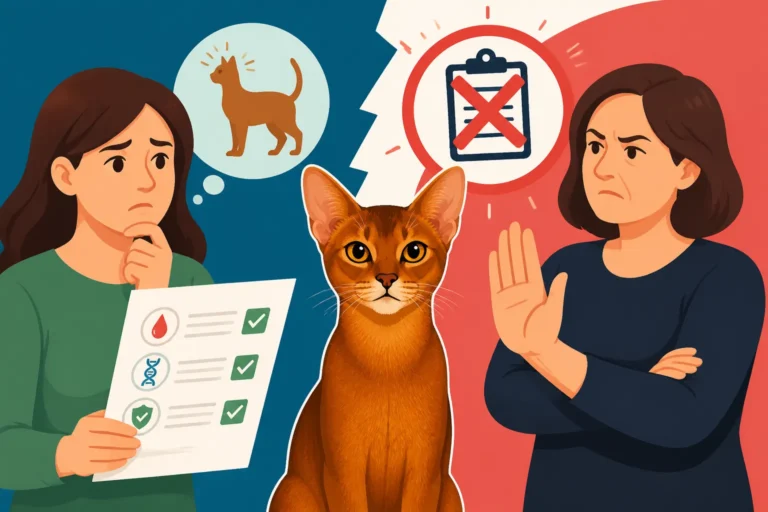
Most Abyssinian kitten deposits are non-refundable if you change your mind. This is standard practice in breeding, as the breeder has typically held the kitten for you, potentially turning away other buyers. If you decide not to proceed with the purchase, that's a loss for the breeder, and the deposit covers some of that lost opportunity and administrative effort. This is a common point of contention for new buyers, so it's essential to be absolutely sure of your commitment before placing any money down.
However, there are usually specific circumstances under which a deposit is refundable, or transferable to another litter. For example, if the breeder is unable to provide a kitten of the agreed-upon sex or color within a reasonable timeframe (which should also be stipulated in the contract), they might offer a refund or the option to wait for a future litter. If a health issue arises with the kitten before it leaves the breeder's care, rendering it unsuitable for sale, the deposit would typically be refunded. Always clarify these specific scenarios with the breeder and ensure they are written into the contract. Knowing Whether an Abyssinian Deposit Is Refundable is one of the most important questions you can ask.
Preparing for Your Abyssinian: Beyond the Deposit
Once your deposit is placed and you have a clear timeline for bringing your Abyssinian kitten home, the excitement truly begins! This period between deposit and pickup is a fantastic opportunity to prepare your home and your family for your new companion. It’s not just about waiting; it’s about proactively creating the best environment for your energetic, curious Abyssinian.
Essential Preparations While You Wait
With your kitten secured, you can focus on making your home Abyssinian-ready. This means investing in quality cat trees, wall-mounted shelves, and plenty of interactive toys, as Abyssinians are highly active and love to climb. Think about Why an Abyssinian Needs More Vertical Furniture Than Most Cats. Consider puzzle feeders to keep their intelligent minds engaged, which you can easily find on sites like Chewy. You'll also want to research kitten-proofing your home, securing cabinets and anything fragile that an adventurous Abyssinian might decide to investigate.
It’s also a good time to research veterinary care. Find a trusted vet in your area who has experience with active breeds. You might also want to look into pet insurance. Companies like Healthy Paws offer various plans that can help manage unexpected veterinary costs, which can provide significant peace of mind, especially with a breed known for certain genetic predispositions, even if tested. Understanding What an Abyssinian's First Year Actually Costs will help you budget for these initial expenses.
Planning for Ongoing Care and Nutrition
The waiting period is also ideal for planning your Abyssinian's long-term care, especially their diet. Abyssinians are lean, active cats with specific nutritional needs to maintain their energy and beautiful coats. High-quality protein is paramount. Discuss with your breeder what food the kitten is currently eating and how to transition them, if necessary. You might want to explore fresh, custom-portioned meals or other premium brands recommended by your breeder or vet. Hydration is also key, so consider a water fountain in addition to bowls, as Abyssinians are often fascinated by running water.
Beyond food, think about a regular grooming routine, even though Abyssinians are relatively low-maintenance due to their short, ticked coats. Gentle brushing once a week helps keep their coat healthy and minimizes shedding, as detailed in An Abyssinian Needs Brushing Once a Week and No More. Most importantly, start planning for dental care early. Abyssinians can be prone to juvenile gingivitis, so getting them used to toothbrushing as kittens can save you a lot of trouble and expense down the line. It's a breed that truly benefits from consistent, preventative care, and getting ahead of these considerations during the waiting period will make for a smoother transition for everyone.
Protecting Your Deposit and Your Investment
Putting down a deposit is a significant financial step, and it's natural to want to ensure your money is safe and that you're making a sound investment in a healthy, well-adjusted kitten. Unfortunately, not all breeders operate with the same level of integrity. Taking proactive steps can protect you from potential scams or disappointments.
Due Diligence Before Placing a Deposit
Before you even think about handing over a deposit, conduct thorough due diligence on the breeder. This includes asking a comprehensive list of questions, such as Which Questions to Ask an Abyssinian Breeder First. Inquire about their breeding practices, how long they've been breeding Abyssinians, and their experience. Ask to see the parents' genetic test results, especially for Pyruvate Kinase Deficiency (PKD) and Progressive Retinal Atrophy (PRA-rdAc), which are common in the breed. A reputable breeder will be transparent and proud to share these with you, as well as discuss their efforts to minimize the risk of conditions like Renal Amyloidosis, which doesn't have a genetic test.
Always ask for references from previous buyers, and if possible, visit the cattery in person. This allows you to observe the living conditions, the temperament of the adult cats, and how the kittens are being socialized. If an in-person visit isn't feasible due to distance, ask for video calls where you can see the kittens and their environment. Be wary of breeders who refuse to show you their cattery or are vague about health testing. A clear sign of a responsible breeder is one who interviews you as well, demonstrating their commitment to finding good homes for their kittens.
What to Look Out For: Red Flags
Be acutely aware of red flags during your breeder search. An unusually low price for an Abyssinian kitten might seem appealing, but it often indicates a breeder cutting corners on health testing, proper nutrition, or veterinary care, which will cost you far more in the long run. As the saying goes, if it seems too good to be true, it probably is. You can read more about this in Why an Untested Abyssinian Is Cheaper for a Reason. Breeders who pressure you for an immediate deposit without providing a contract or ample information should also raise concerns.
Another red flag is a breeder who does not adhere to standard practices, such as allowing kittens to leave before 12-14 weeks of age. This crucial time allows kittens to develop social skills and receive their full course of initial vaccinations. Be cautious of anyone who advertises "rare" colors or claims their Abyssinians are hypoallergenic, as these are often marketing ploys. Always check that the breeder is registered with a reputable cat association, such as the Cat Fanciers' Association (CFA) or The International Cat Association (TICA), and that their cats' pedigrees can be verified. Taking these precautions ensures your deposit is placed with a trustworthy individual who genuinely cares about the health and welfare of their Abyssinians.
Disclaimer
This article is for general informational purposes only and does not constitute professional advice. Laws, prices and regulations vary by location and change over time. Consult a qualified professional for guidance on your specific situation.