How Much a Show Abyssinian Costs
Many prospective Abyssinian owners dream of a cat that not only brings joy to their home but also exemplifies the breed's stunning qualities. However, stepping into the world of show cats brings a completely different set of expectations and, often, a much higher price tag than simply adopting a beloved pet. This guide will walk you through what defines a "show quality" Abyssinian, the factors that drive their cost, and the ongoing investment required to raise and campaign a feline champion, helping you decide if this path is truly for you.
Understanding the "Show Quality" Label
When you hear the term "show quality" in reference to an Abyssinian, it’s far more than just saying a cat is pretty. It implies a kitten or cat that meticulously adheres to the very specific breed standards set by cat fancy associations like the CFA (Cat Fanciers' Association) or TICA (The International Cat Association). These standards cover everything from the cat's physical appearance down to the very texture of its coat and the set of its ears. Breeders dedicate generations to perfecting these traits, aiming for that elusive ideal specimen.
What "Show Quality" Really Means for an Abyssinian
For an Abyssinian, "show quality" means the cat embodies the breed standard as closely as possible, with very few, if any, disqualifying faults. This includes a specific wedge-shaped head, large, alert ears set well apart, bright, almond-shaped eyes rimmed with darker pigment, and a distinctive ticked coat that shimmers with multiple bands of color on each hair shaft. The body should be lithe, muscular, and medium-sized, often described as a "foreign" body type, not cobby or overly heavy. Even the tail length and taper are scrutinized. What an Abyssinian Looks Like Against the Show Standard delves into these details.
Breeders spend years developing their lines to consistently produce kittens that meet these exacting requirements. It’s not just about what you see at first glance; it’s about the subtle nuances that only an experienced judge would notice. A show quality Abyssinian must have impeccable ticking without any barring or blotching, a clean break in its color, and that vibrant, expressive facial conformation. These cats are the pinnacle of what the breed aims to be, representing the breeder's success in selective breeding programs designed to perpetuate the finest characteristics of the Abyssinian.
The Subtle Distinctions: Pet, Breeder, and Show Quality Abyssinians
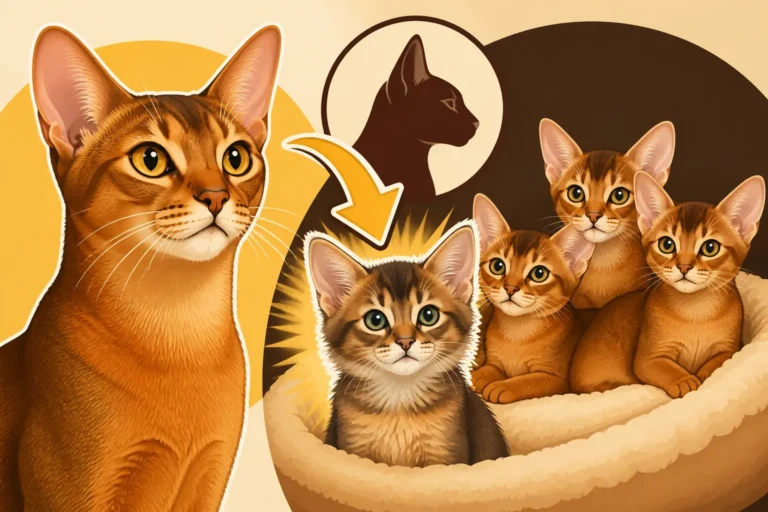
It's crucial to understand that not all Abyssinians are created equal when it comes to the show ring, even if they come from the same litter. There are generally three categories that breeders use to classify their kittens, each with a different price point and purpose. A "pet quality" Abyssinian is a wonderful companion animal that might have a minor fault, like slightly off-set ears or a bit of barring on their legs, that disqualifies them from showing but doesn't impact their health or charm in any way. They are still purebred and delightful. How Much a Pet Abyssinian Costs From a Breeder is a great resource if you're looking for a companion only.
"Breeder quality" Abyssinians are typically excellent specimens, close to the standard, and are sold to other reputable breeders to expand or improve their own breeding programs. They possess strong genetics for desirable traits and are free of known genetic health issues that could be passed on. These cats are often quite expensive because they represent future potential for a cattery. Finally, "show quality" Abyssinians are the creme de la creme, chosen for their almost flawless adherence to the breed standard and their potential to win titles in the show ring. Their price reflects not just their physical perfection but the years of effort and investment that went into producing such an exceptional animal.
Beyond Genetics: Temperament and Presence for the Ring
While genetics and physical conformation are paramount for a show Abyssinian, a winning temperament and undeniable presence are equally vital. A cat might be physically perfect, but if it cowers in its cage, hisses at judges, or refuses to be handled, its show career will be short-lived. Abyssinians are known for their lively, confident, and inquisitive personalities; they are often called The Abyssinian Is the Busiest Cat in the House. This natural curiosity and outgoing nature are huge assets in the show hall, where they are expected to tolerate strange environments, loud noises, and handling by multiple judges.
A show Abyssinian needs to be a confident ambassador for its breed, enjoying the attention and exhibiting a calm, cooperative demeanor during examination. This temperament is partly genetic, stemming from generations of well-socialized parents, but also heavily influenced by early socialization from the breeder. A kitten destined for the show ring will have been handled extensively, exposed to various sights and sounds, and encouraged to be bold and friendly. This careful upbringing contributes significantly to the cat's overall value and readiness for the rigors of the show circuit, proving that beauty is more than just skin deep.
The Initial Investment: Pricing a Show Prospect Abyssinian
The cost of a show Abyssinian is never a fixed number. It's a complex equation influenced by a multitude of factors, all boiling down to the breeder's reputation, the cat's lineage, and its perceived potential to bring home ribbons and titles. You're not just buying a cat; you're buying into a legacy of careful breeding and meticulous care.
Breeder's Reputation, Experience, and Cattery Standards
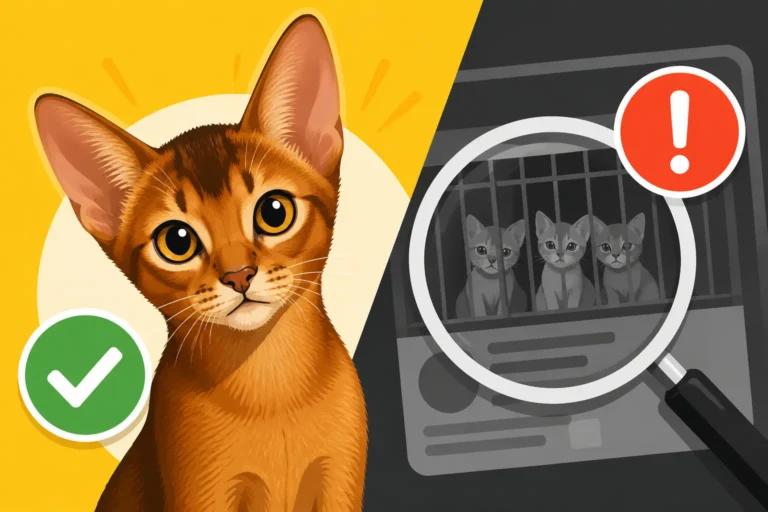
One of the most significant factors driving the price of a show Abyssinian is the reputation and experience of the breeder. Established breeders with a long history of producing champions and healthy, well-socialized cats invest heavily in their catteries. This includes maintaining optimal living conditions, providing premium nutrition, and ensuring all their breeding cats receive regular veterinary care and comprehensive health screenings. They will openly share The Test Results an Abyssinian Breeder Owes You, proving their commitment to health.
A top breeder will have dedicated years, sometimes decades, to studying genetics, understanding breed standards, and carefully selecting pairings to improve their lines. They attend shows themselves, learn from judges, and network with other successful breeders. All of these efforts, along with the sheer time and resources poured into each litter, are reflected in the price of their show-quality kittens. You’re paying for their expertise, their ethical practices, and the confidence that comes with knowing your kitten has the best possible start in life. When you visit, What an Abyssinian Cattery Should Look Like will give you a good idea of their standards.
The Weight of Pedigree and Champion Bloodlines
The pedigree of an Abyssinian intended for show can dramatically influence its price. Kittens from champion parents, grand champion parents, or even a line of international winners will command a much higher price. This is because a strong pedigree indicates a consistent history of individuals who have met or exceeded breed standards, suggesting that these desirable traits are genetically well-established and likely to be passed on. Breeders invest significant amounts of money to acquire top-tier breeding cats from champion lines, and that cost is naturally factored into the price of their offspring.
Think of it like buying a racehorse. You’re not just buying a horse; you’re buying a horse from a lineage known for winning races. Similarly, with a show Abyssinian, you're buying a cat with the genetic blueprint and a history of success behind it, significantly increasing its potential to perform well in the competitive show ring. These kittens often come with extensive paperwork, registration with cat fancy associations, and a detailed family tree that showcases their illustrious ancestry.
Color, Rarity, and Conforming to Breed Standards
While all recognized Abyssinian colors are beautiful, certain colors can sometimes influence the price, especially within the show circuit. The four main recognized colors are Ruddy, Sorrel, Blue, and Fawn. Ruddy is often considered the "original" and most common color, while Blue and Fawn are dilute colors that can sometimes be harder to produce with perfect ticking and conformation, potentially making them more sought after or rare. Why Abyssinian Prices Vary by Color explains this in more detail.
For a show cat, however, the absolute adherence to the breed standard for that specific color is more important than the rarity of the color itself. A perfectly conformed Ruddy with impeccable ticking will always be valued higher than a rare Fawn with significant faults, even if the Fawn is less common. Judges look for the best representation of the breed, regardless of color. Therefore, while color might be a minor factor in demand, the overall quality and how well the cat embodies the standard for its color is the primary driver of its show-quality price.
The Ongoing Commitment: Beyond the Purchase Price
Buying a show Abyssinian is just the first step; the true financial and time commitment begins once you bring your potential champion home. The journey to a Grand Champion title involves specialized care, dedicated training, and significant expenses for showing. This is not a casual endeavor.
Specialized Nutrition and Conditioning for the Show Ring
To look their absolute best for the judges, show Abyssinians require top-tier nutrition and conditioning. This means feeding high-quality, protein-rich cat food, often premium brands or carefully formulated raw diets. The goal is to maintain a lean, muscular physique, a glossy coat, and boundless energy, which are hallmarks of the breed. You won't find a show Abyssinian with dull fur or a potbelly. Many owners find value in ordering specialized foods from reputable online retailers like Chewy, which offers a wide selection of premium brands to support optimal feline health.
Beyond diet, show cats need regular exercise to maintain muscle tone and agility. This might include dedicated play sessions, access to tall cat trees and climbing shelves, and even leash training for outdoor adventures in a controlled environment. Their coats, while low maintenance for an Abyssinian, need to be kept pristine. This means regular brushing, perhaps with a soft chamois for shine, and monitoring for any issues. An Abyssinian Needs Brushing Once a Week and No More explains that while minimal, it's still consistent. The effort put into physical conditioning is visible to judges and can make the difference between a good showing and a winning one.
Health, Grooming, and Veterinary Care for a Show Cat
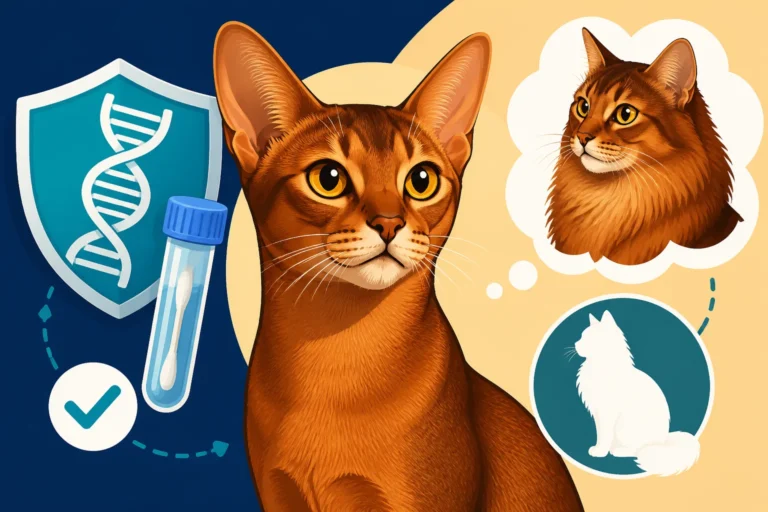
A show Abyssinian must be in peak physical condition, meaning impeccable health is non-negotiable. This translates to regular, comprehensive veterinary check-ups, often more frequently than a typical pet cat. Breeders usually provide initial health screenings, including DNA tests for conditions like Pyruvate Kinase Deficiency (PKD) and Progressive Retinal Atrophy (PRA-rdAc). Which Two DNA Tests an Abyssinian Must Have are essential. Beyond these, show cats might undergo additional screenings to ensure they are free from any genetic predispositions that could affect their performance or disqualify them.
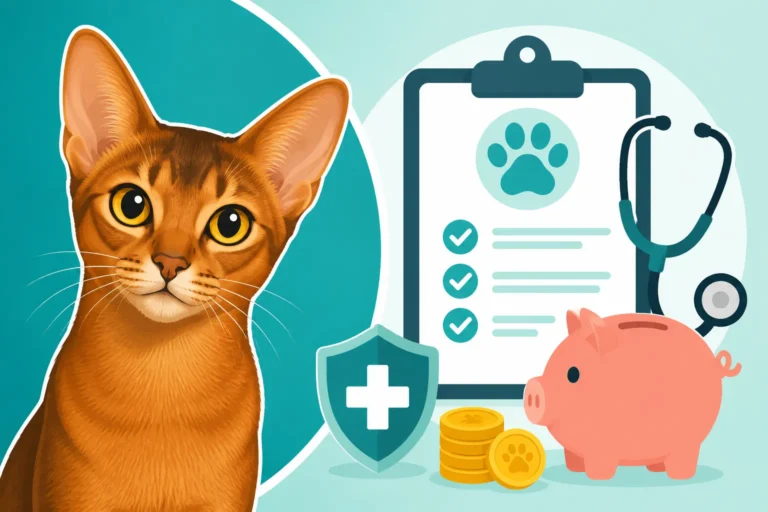
Dental health is particularly critical for Abyssinians, who are prone to Why an Abyssinian Loses Teeth Younger Than Most Cats. Regular dental cleanings are not just about fresh breath but about preventing health issues that could impact their overall well-being and appearance. These professional cleanings and any necessary dental work can be a significant recurring expense. Many owners opt for pet insurance, such as through providers like Healthy Paws, to help manage these potentially high veterinary costs, especially for a cat whose health and appearance are paramount to its show career.
Show Circuit Expenses: Fees, Travel, and Equipment
The act of showing an Abyssinian involves a host of expenses beyond the initial purchase and routine care. Entry fees for cat shows can add up, especially if you're attending multiple events throughout the year. These fees vary depending on the club, location, and the number of rings you enter. Beyond the entry fees, there are considerable travel costs involved. Most serious exhibitors travel to regional and national shows to earn points and titles, which means budgeting for gasoline, flights, accommodation, and meals.
Then there's the specialized equipment. You'll need a show cage, often a collapsible wire kennel, and elegant cage drapes that adhere to show standards, providing a private and calm space for your cat. Grooming supplies, even for a low-maintenance breed like the Abyssinian, will include specific brushes, nail clippers, and coat conditioners to ensure your cat looks its absolute best. All these seemingly small costs accumulate quickly, turning each show weekend into a substantial investment.
Here's a simplified look at potential initial costs:
| Item | Pet Quality Abyssinian (Estimate) | Show Quality Abyssinian (Estimate) |
|---|---|---|
| Purchase Price | Check with breeder | Check with breeder |
| Initial Vet Visit | Typically includes kitten package | Higher due to additional screenings |
| DNA Health Tests | Included by reputable breeder | Included by reputable breeder |
| Show Cage & Drapes | Not applicable | Significant additional cost |
| Travel to Show (first trip) | Not applicable | Significant additional cost |
| Show Entry Fees (first show) | Not applicable | Significant additional cost |
Note: Specific prices vary widely. Always consult individual breeders and service providers for current figures.
Is a Show Abyssinian the Right Journey for You?
Embarking on the journey of owning and showing an Abyssinian is a deeply rewarding experience for many, but it's important to go into it with open eyes. It demands not just financial resources but a significant investment of your time, emotions, and personal dedication.
The Demands of Time, Dedication, and Financial Investment
Owning a show Abyssinian is a lifestyle choice. It requires a profound commitment of time. You’ll spend hours grooming, playing, training, and traveling to shows. Showing a cat isn't just a weekend hobby; it's a year-round engagement. The initial purchase price, though substantial, is truly only a fraction of the overall financial investment. You'll need to budget for premium food, regular vet visits, specialized dental care, insurance from providers like Healthy Paws, show entry fees, travel, and unexpected expenses that inevitably arise when dealing with living creatures. Why an Abyssinian's Lifetime Cost Dwarfs Its Purchase Price is a must-read for anyone considering this path.
Furthermore, it requires dedication to learning. You’ll need to understand the breed standard inside and out, learn about cat genetics, and grasp the nuances of presenting a cat to judges. It’s a steep learning curve, and success often comes with persistence and a willingness to constantly improve. You also become part of a larger community, which can be wonderful but also requires participation and networking.
The Rewards and Challenges of Showing Abyssinians
Despite the demands, the rewards of showing an Abyssinian can be immense. There’s an incredible sense of pride and accomplishment when your cat earns a coveted title or wins a Best in Show ribbon. It’s a validation of your dedication, your breeder’s efforts, and the inherent beauty and grace of the Abyssinian breed. Beyond the ribbons, it’s a unique opportunity to bond with your cat on a deeper level, to travel and meet fellow enthusiasts, and to contribute to the preservation and improvement of the breed.
However, challenges are inevitable. The cat show world can be competitive, and not every show will bring home a win. It requires resilience and a good sense of sportsmanship. There can be disappointments, unexpected health issues, or travel complications. It's a journey that teaches patience and humility as much as it celebrates success. Finding a good mentor who can guide you through the intricacies of the show circuit can make a world of difference, helping you navigate the ups and downs with greater ease.
Exploring Alternatives for Abyssinian Enthusiasts
If the commitment and cost of a show Abyssinian seem daunting, but you still adore the breed, there are fantastic alternatives. A “pet quality” Abyssinian, while not suitable for the show ring, will still possess all the charm, intelligence, and beautiful ticking that makes the breed so beloved. They are typically healthier than poorly bred animals and come with the same basic health guarantees from a reputable breeder. You can enjoy their antics, their shoulder-riding tendencies, and their incredible bond without the pressure of competition. These cats are still very active and intelligent, so consider enriching their lives with interactive toys and nutritious meals.
Many breeders also have retired show or breeding cats available for adoption. These adult Abyssinians, often already spayed or neutered, come with known temperaments and health histories, and they make wonderful, affectionate companions. Adopting an adult can be a truly rewarding experience, offering a loving home to a cat that has served its purpose in a cattery or finished its show career. Whether to Adopt an Adult Abyssinian Instead is definitely worth exploring if you're not set on a kitten or showing. Ultimately, the joy of an Abyssinian comes from its companionship, not just its titles. The Twelve to Fifteen Years an Abyssinian Usually Gets means you're in for a long and wonderful ride, regardless of whether they ever step foot in a show ring.
Disclaimer
This article is for general informational purposes only and does not constitute professional advice. Laws, prices and regulations vary by location and change over time. Consult a qualified professional for guidance on your specific situation.