What Breeding Rights Add to an Abyssinian’s Price
It's an exciting journey when you consider bringing an Abyssinian into your home, but the cost can sometimes feel like navigating a maze, especially when you encounter terms like "breeding rights." Many prospective owners are understandably confused and even frustrated by the significant price jump associated with these rights, wondering why a cat capable of having kittens costs so much more than one destined to be a beloved pet. This guide aims to demystify what breeding rights entail, why they command a higher price, and the responsibilities that come with them, so you can make an informed decision about your future Abyssinian companion.
Understanding the Basics of Abyssinian Breeding Rights
When you're looking for an Abyssinian kitten, you'll quickly notice that prices aren't always straightforward. There's often a clear distinction made between a "pet" kitten and a "breeder" or "show/breeder" quality kitten. This difference isn't just about whether the cat has perfect ears or a slightly shorter tail; it fundamentally alters the cost and the future possibilities for that animal, largely due to what are known as breeding rights.
What "Breeding Rights" Actually Mean for an Abyssinian
At its heart, "breeding rights" refers to the permission granted by a breeder for you to use the purchased cat in a breeding program. Without these rights, your Abyssinian kitten, even if it's genetically flawless and a prime example of the breed, is sold on a strict spay/neuter contract. This means you legally agree to have the cat surgically altered (spayed if female, neutered if male) by a certain age, typically within the first year, and often before you even take possession or shortly thereafter. The registration papers will usually be held until proof of alteration is provided.
When you purchase breeding rights, you're essentially buying the ability to register any future offspring from that cat as purebred Abyssinians with the appropriate cat registries, like the CFA or TICA. This is a big deal in the world of pedigree cats. It means you can then sell those kittens as purebreds, potentially with their own breeding rights, continuing the lineage. It’s not just about owning an intact cat; it's about owning the commercial and genetic potential of that cat, which is why the price tag changes so dramatically. What an Abyssinian Breeder Contract Restricts often details these clauses very clearly, so you know exactly what you're agreeing to.
The Difference Between Pet and Show Quality Abyssinian Kittens
It's easy to get confused between "pet quality," "show quality," and "breeding rights." A kitten sold with breeding rights is almost always considered show quality, or at least breed quality.
- Pet Quality: This kitten might have a minor fault that disqualifies it from the show ring or makes it less desirable for breeding, such as a kink in its tail, a less-than-perfect ear set, or perhaps its color isn't quite the ideal shade of ruddy, sorrel, blue, or fawn. These are purely cosmetic issues that have absolutely no bearing on the cat's health or its ability to be a wonderful companion. What a Pet Quality Abyssinian Sells For is typically the lowest price point because the primary goal for the breeder is to find it a loving home, not to perpetuate its genetics.
- Show Quality: These kittens meet or exceed the breed standard in nearly every way. They have the ideal head shape, ear set, eye color, coat ticking, and body type that judges look for in the show ring. A show-quality cat could go on to win titles, which adds prestige to both the cat and the cattery that produced it. What a Show Quality Abyssinian Sells For will naturally be higher than pet quality, even without breeding rights, because of the breeder's investment in producing such a fine example of the breed.
- Breeding Quality (with Breeding Rights): This term is often synonymous with show quality, but with the added permission to breed. A breeder won't typically sell breeding rights for a pet-quality kitten because the goal of breeding is to improve the breed, not to perpetuate minor faults. You're looking for an Abyssinian that embodies the best traits of the breed to carry forward. This is why the health and genetic background of such a cat are absolutely paramount, and breeders go to great lengths to ensure their breeding stock is top-notch.
Why Breeders Charge for Breeding Rights
The substantial increase in price for breeding rights isn't just arbitrary; it reflects a multitude of factors, responsibilities, and investments on the part of the original breeder.
Firstly, a breeder who sells a cat with breeding rights is essentially entrusting a portion of their carefully curated genetic line to another individual. This line represents years, often decades, of selective breeding, health testing, and careful pedigree management. They’ve invested time and money in finding suitable mates, traveling for breedings, and ensuring the health and temperament of their cats.
Secondly, selling breeding rights means the original breeder potentially loses out on future income from kittens that cat might produce. If you buy a female Abyssinian with breeding rights, you'll be the one selling her kittens, not the original breeder. This potential loss of income is factored into the initial purchase price.
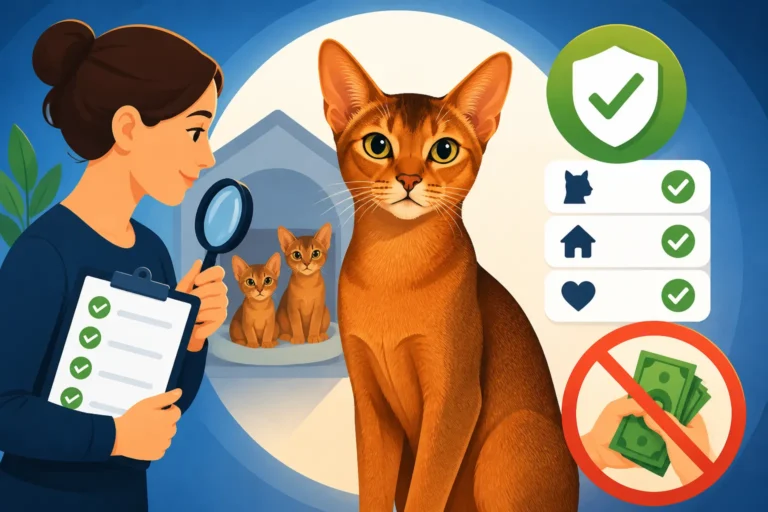
Finally, there’s the sheer effort and cost involved in ensuring the breeding cat is healthy and genetically sound. Breeders spend considerable amounts on DNA testing for common Abyssinian issues like Pyruvate Kinase Deficiency (PKD) and Progressive Retinal Atrophy (PRA-rdAc). Which Two DNA Tests an Abyssinian Must Have is crucial information for any responsible breeder, and these tests aren't cheap. The breeder is providing you with a foundation cat that has been vetted through these processes, a process that continues for generations, where Why an Abyssinian's Pedigree Should Go Back Four Generations is a non-negotiable standard. They are selling you not just a cat, but a carefully selected piece of their breeding program, a testament to their dedication to the breed's health and integrity.
The Financial Impact of Breeding Rights on an Abyssinian's Price
The sticker shock that often comes with exploring breeding rights for an Abyssinian is very real. It’s not a small difference, and understanding why that difference exists can help you mentally prepare for the investment, should you decide to go down this path.
How Much More You Can Expect to Pay
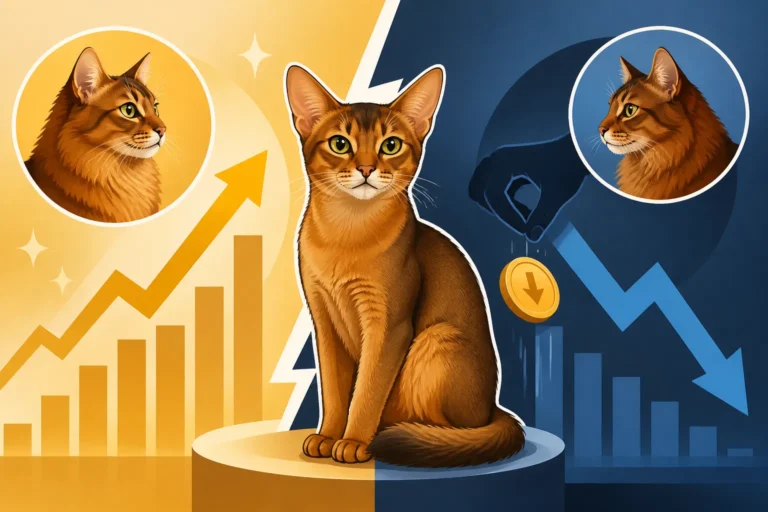
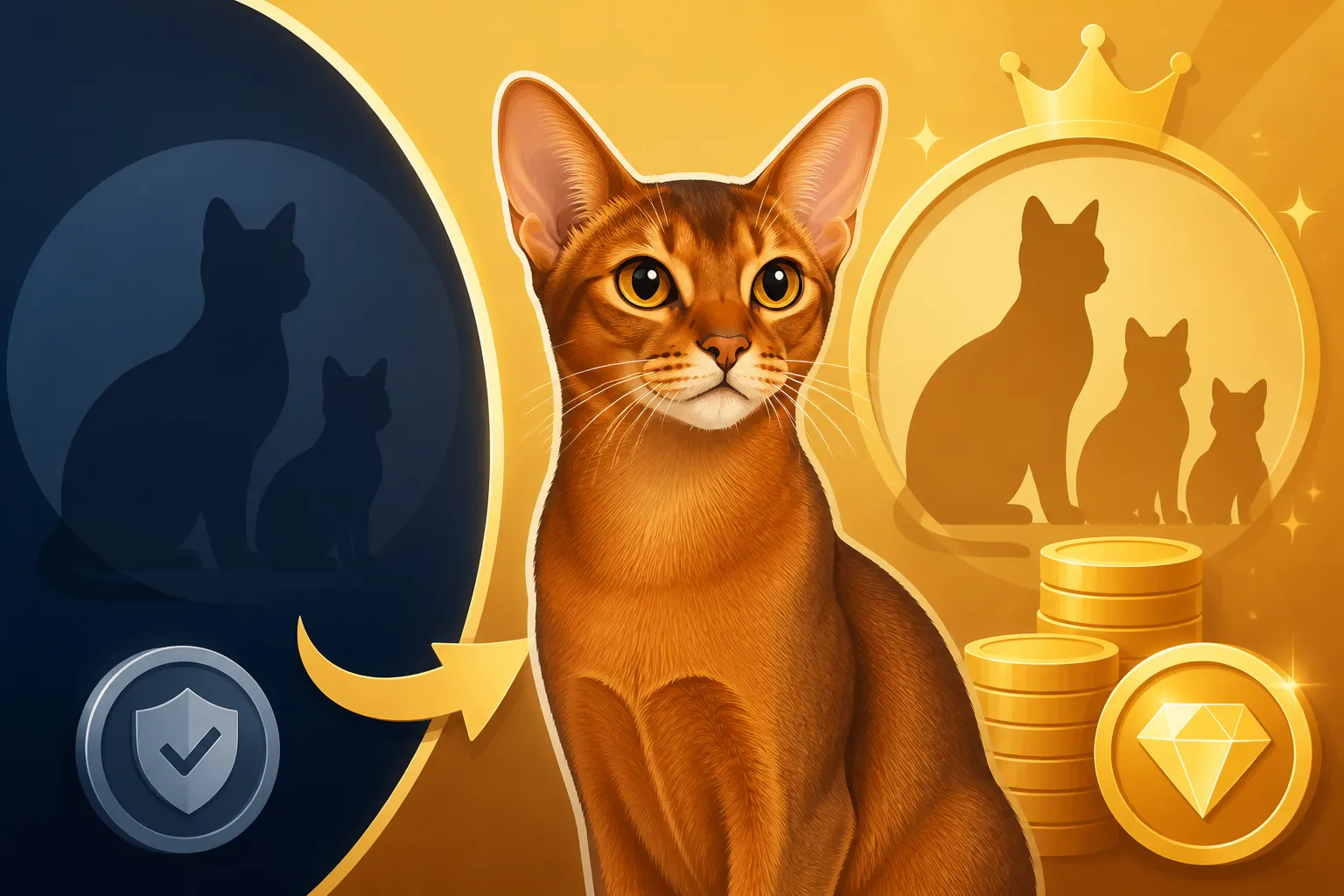
The cost of breeding rights can effectively double, or even triple, the price of a pet-quality Abyssinian kitten. While What an Abyssinian Kitten Costs in 2026 without breeding rights can range from moderate to high depending on pedigree and location, adding breeding rights instantly puts the kitten into a significantly higher bracket. For a pet Abyssinian, you might expect one range, but for a cat sold with breeding rights, the price will surge upwards. This premium reflects the breeder's valuation of their lineage and the potential for you to generate income from future litters.
It's a substantial financial commitment upfront, and it's essential to understand that this is just the start of the financial journey for a breeding cat. You'll need to factor in ongoing health costs, show entries if you plan to campaign the cat, and the eventual expenses associated with breeding itself.
Factors Influencing the Breeding Rights Premium
Several elements play into how much extra you'll pay for breeding rights on an Abyssinian:
- Pedigree and Lineage: A cat from a long line of champions, with ancestors known for exceptional health, temperament, and adherence to the breed standard, will command a higher price for breeding rights. The strength of the genetic background, often verified by meticulous records and public registries, is a key determinant. Why a Breeder Should Show You the Abyssinian Parents' Results is a fundamental expectation when considering a breeding prospect.
- Show Potential: If the kitten is not just healthy but also possesses exceptional conformation and the "look" that judges adore, its value as a breeding animal increases. The ability to win titles enhances the prestige of any offspring.
- Color and Sex: Sometimes, certain colors are in higher demand for breeding programs, or a specific sex might be sought after to complement existing lines. For example, a cream Abyssinian female, especially if she carries specific genetic traits desirable for breeding, might be among the pricier options.
- Breeder Reputation: An established, reputable breeder who consistently produces healthy, high-quality Abyssinians will understandably charge more for their breeding stock. You’re not just buying a cat; you're buying into their expertise, their ethical standards, and the proven success of their program.
- Genetic Health Clearances: The more comprehensive the health testing and the clearer the genetic profile of the kitten and its parents, the higher the perceived value. This includes not just the standard DNA tests but also a thorough understanding of the line’s history concerning issues like renal amyloidosis, for which no direct gene test exists.
Comparing Costs: Pet vs. Breeding Abyssinian
Let's put this into perspective with a hypothetical table, illustrating the general cost categories without using specific numbers, as prices fluctuate wildly.
| Category | Pet Quality Abyssinian (Spay/Neuter Contract) | Breeding/Show Quality Abyssinian (With Breeding Rights) |
|---|---|---|
| Initial Purchase | Moderate to High | Substantially Higher (often 2x-3x pet price) |
| Health Testing | Basic vet checks, initial vaccines | Extensive DNA panels, regular health screenings, vet check-ups specifically for breeding health |
| Registration | Limited registration (not for breeding) | Full registration with recognized cat associations |
| Insurance | Recommended (e.g., Healthy Paws) | Highly Recommended (to cover potential breeding complications) |
| Show Fees | Optional (fun classes only) | Mandatory for campaigning, travel, grooming expenses |
| Food & Supplies | Standard | Premium, specialized diets for pregnant/lactating queens, more extensive enrichment |
| Vet Care | Annual check-ups, routine care | More frequent check-ups, reproductive health exams, potential emergency breeding care |
| Time Investment | Significant, but focused on companionship | Immense, requiring deep knowledge of genetics, health, and breed standards |
As you can see, the initial purchase price is just the tip of the iceberg. How Much an Abyssinian's First Year Adds Up To is a critical consideration for any cat owner, but for a breeding animal, these costs escalate dramatically.
The Responsibilities and Risks That Come With Breeding Rights
Acquiring an Abyssinian with breeding rights is not a decision to be taken lightly. It signifies a profound commitment that extends far beyond simply owning a beautiful cat. You are stepping into the role of a custodian of the breed, with significant ethical, financial, and emotional responsibilities.
The Commitment Beyond the Purchase Price
When you purchase breeding rights, you are essentially agreeing to uphold the standards and integrity of the Abyssinian breed. This means more than just housing and feeding the cat. It involves:
- Continuous Education: You must be committed to learning about feline genetics, reproductive health, kitten care, and breed standards. The landscape of responsible breeding is always evolving, with new research emerging on health, nutrition, and behavior. This isn't a hobby you can dabble in; it demands ongoing study.
- Time and Effort: Breeding takes an enormous amount of time. From carefully selecting a mate (which often involves travel and fees) to monitoring a queen through pregnancy, assisting with birth, and raising a litter of active Abyssinian kittens, it's a 24/7 commitment for weeks on end. How Many Kittens an Abyssinian Queen Has may sound like a manageable number, but each tiny life requires dedicated attention, socialization, and veterinary care.
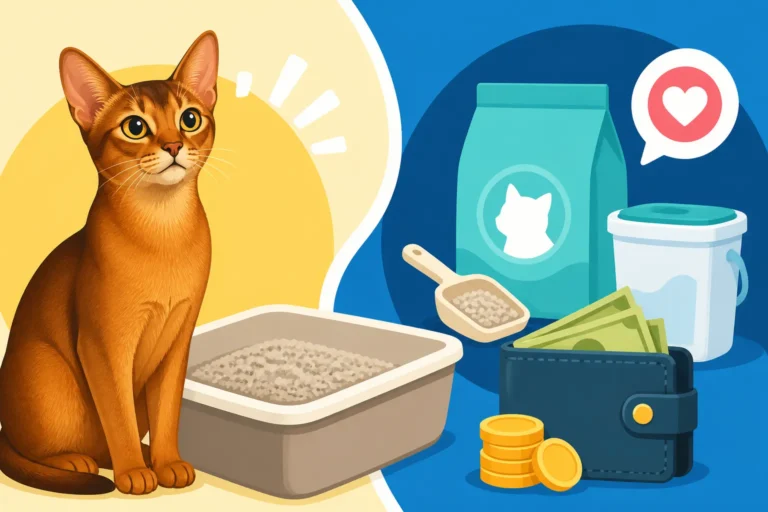
- Financial Resources: Beyond the initial purchase, breeding requires a robust financial buffer. Stud fees, specialized diets, emergency vet care during birth, neonatal intensive care for struggling kittens, and marketing for your litters all add up. Quality food and supplies are needed for any cat, but the sheer volume and specialized nature of what’s needed for a breeding program far exceeds that of a single pet.
Ethical Breeding Practices and Health Testing Expectations
Responsible breeding is an ethical imperative. When you buy breeding rights, you're expected to maintain the high standards set by the original breeder and the breed community.
- Thorough Health Testing: This isn't just a one-time thing. Breeding cats should undergo regular health screenings, including comprehensive DNA panels for hereditary diseases specific to Abyssinians. Beyond PK Deficiency and PRA-rdAc, you need to be acutely aware of conditions like renal amyloidosis, even though there isn't a direct gene test for it. This requires careful pedigree research and open communication with other breeders about line health. Why Two Carrier Abyssinians Should Never Be Bred is a golden rule, as combining two carriers for a recessive gene dramatically increases the risk of producing affected kittens, causing unnecessary suffering.
- Selective Breeding: This means choosing mates wisely, not just breeding for convenience or profit. The goal should always be to improve the breed—focusing on health, temperament, and conformation—and never to perpetuate genetic weaknesses.
- Excellent Kitten Care and Socialization: Breeding isn't just about making kittens; it's about raising well-adjusted, healthy individuals ready for their forever homes. This involves meticulous hygiene, proper nutrition, early veterinary check-ups, and extensive socialization from birth.
Potential Hidden Costs and Challenges
Many aspiring breeders underestimate the unforeseen challenges and expenses that can arise.
- Breeding Complications: Pregnancies can be difficult. Queens might require C-sections, experience reabsorption of fetuses, or have complications during labor. Neonatal kittens are fragile and can require around-the-clock care. These situations can lead to substantial veterinary bills. While pet insurance providers like Healthy Paws offer coverage for unexpected illnesses and accidents, policies often have exclusions or limitations for breeding-related issues, making it crucial to understand the fine print.
- Market Fluctuations: The demand for Abyssinian kittens can vary. You might not always sell a litter as quickly as anticipated, meaning more extended care expenses for the kittens.
- Emotional Toll: Breeding can be emotionally taxing. Losing a kitten, dealing with a difficult birth, or managing health issues can be heartbreaking. It requires resilience and a deep commitment to the animals' welfare above all else.
- Reputation Management: As a breeder, your reputation is paramount. Any missteps in health, ethics, or care can quickly damage your standing within the tight-knit Abyssinian community.
Purchasing breeding rights for an Abyssinian is a journey for the dedicated, the well-informed, and the financially prepared. It's about contributing positively to a beloved breed, and that responsibility comes with a significant premium—both in dollars and in dedication.
Disclaimer
This article is for general informational purposes only and does not constitute professional advice. Laws, prices and regulations vary by location and change over time. Consult a qualified professional for guidance on your specific situation.