What an Airline Charges to Carry an Abyssinian
Planning to fly with your adventurous Abyssinian can feel like navigating a maze of rules, fees, and anxieties, leaving many owners overwhelmed by the sheer thought of it. This guide will meticulously break down the various charges and considerations involved when an airline transports your cherished companion, helping you prepare for a smooth journey for both of you.
Demystifying Airline Pet Fee Structures
The cost of flying your Abyssinian isn't a simple flat rate; it's a complex equation influenced by several factors that can change dramatically from one airline to another, and even based on the specific route you're taking. Many owners are caught off guard by the variability, expecting a straightforward "pet ticket" when the reality is far more intricate. Understanding these underlying variables is the first step in budgeting and preparing for your Abyssinian's air travel.
Factors Influencing the Base Fee
Airlines typically set their pet fees based on whether your Abyssinian will travel in the cabin with you or in the cargo hold. In-cabin travel, often referred to as "carry-on pets," usually has a lower fee but comes with strict size and weight restrictions for both the pet and its carrier. For cargo travel, which is necessary for larger Abyssinians or those exceeding in-cabin limits, the fees tend to be significantly higher, reflecting the specialized handling, climate-controlled environments, and dedicated space required. These fees are usually per pet, per leg of the journey, so a connecting flight could mean double the cost.
Beyond the basic in-cabin or cargo distinction, other elements can influence the price. International flights almost always incur higher fees than domestic ones due to additional customs, quarantine, and regulatory requirements. The destination country's import laws can also tack on various inspection or permit charges. Some airlines might even differentiate pricing based on the time of year or demand for pet spaces on certain flights, though this is less common for standard pet travel. It’s always best practice to check directly with the specific airline well in advance of your travel dates, as their policies and prices can change without much public notice.
Weight, Size, and Carrier Dimensions
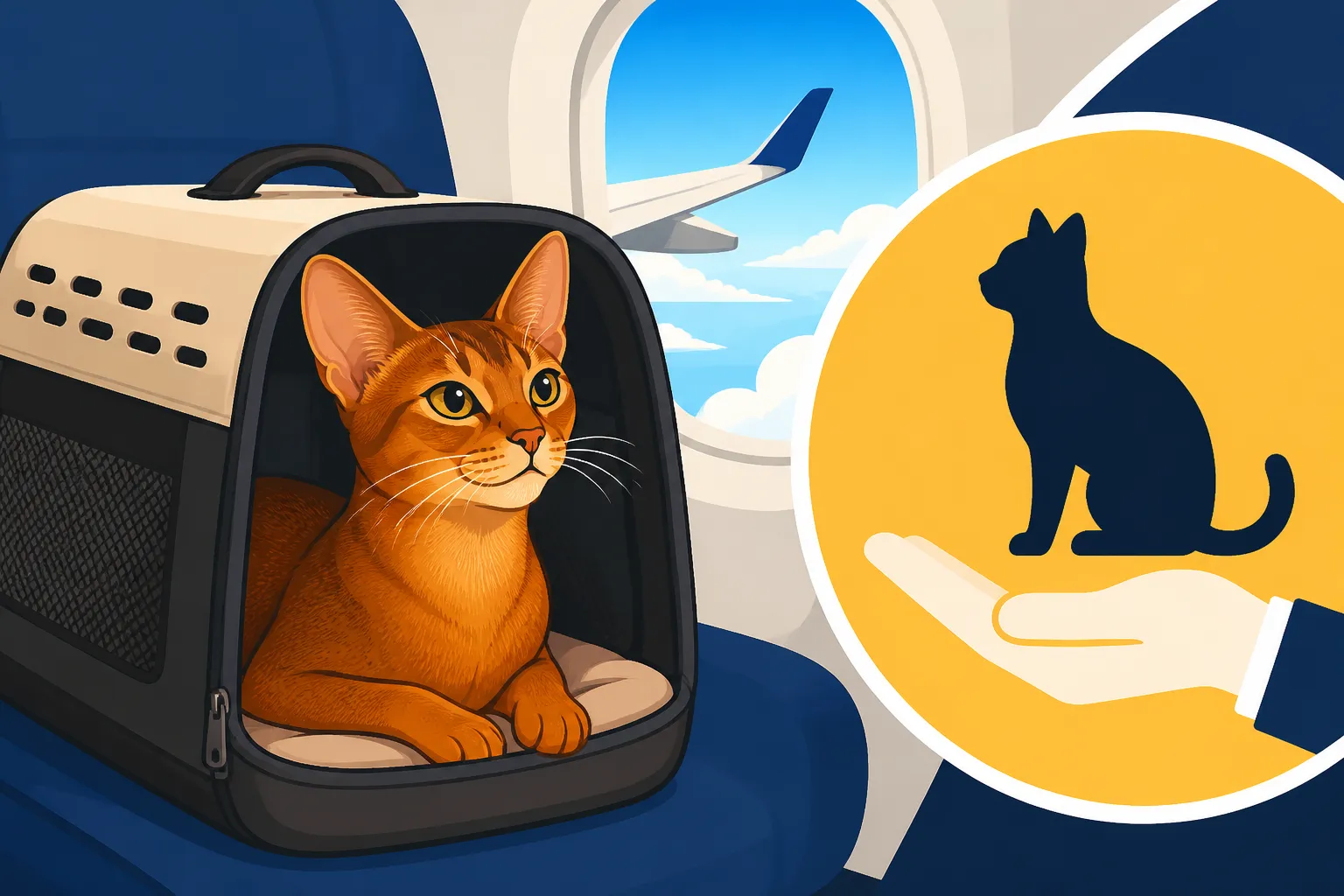
The physical dimensions of your Abyssinian and its travel carrier are paramount in determining not only the cost but also the feasibility of air travel. For in-cabin travel, your Abyssinian and its carrier must fit comfortably under the seat in front of you. This means the carrier must be soft-sided and flexible enough to conform to the tight space, while still providing ample room for your cat to stand up, turn around, and lie down naturally. Airlines specify maximum dimensions for these carriers, and exceeding even a fraction of an inch can lead to being denied boarding with your pet in the cabin.
For Abyssinians traveling in cargo, the rules shift to rigid, IATA-compliant carriers. These must be large enough for your Abyssinian to stand fully erect without its head or ears touching the top, turn around easily, and lie down in a natural position. The carrier must have proper ventilation on all four sides, a leak-proof bottom, and clearly marked "LIVE ANIMAL" labels, often with arrows indicating "THIS END UP." The combined weight of your Abyssinian and its rigid carrier will then dictate the cargo fee, which is often calculated in weight bands (e.g., 0-50 lbs, 51-100 lbs). The larger and heavier the carrier, the more expensive it will be, as it takes up more space and requires more fuel to transport. This is a critical point of calculation that many first-time pet travelers underestimate.
In-Cabin vs. Cargo: Making the Right Choice for Your Abyssinian
Deciding whether your Abyssinian travels in the cabin or as checked cargo is one of the most significant decisions you'll make, impacting both the cost and your cat's well-being. Each option presents a unique set of challenges and benefits, and it’s important to weigh them carefully, keeping your Abyssinian's energetic and often curious nature in mind.
In-Cabin Travel: Pros, Cons, and Regulations
Bringing your Abyssinian into the cabin with you is generally preferred by most owners for obvious reasons: your cat stays under your direct supervision, minimizing stress for both of you. You can offer comfort and reassurance throughout the flight, which is invaluable for a breed as sensitive and attached as the Abyssinian. The cost for in-cabin travel is usually a fixed fee, often lower than cargo rates, and you're responsible for bringing an approved soft-sided carrier that fits under the seat. Many owners opt for retailers like Chewy to find suitable carriers that meet airline specifications, making sure to check dimensions carefully.
However, in-cabin travel has stringent limitations. Airlines permit only a very limited number of pets in the cabin per flight, often on a first-come, first-served basis, so booking early is non-negotiable. Your Abyssinian must be small enough, including its carrier, to fit under the seat. This means larger Abyssinians or those who might feel too cramped in a small carrier won't qualify. You also won't be allowed to take your Abyssinian out of its carrier at any point during the flight, which can be challenging for a cat known for its high activity levels and desire to explore. For some Abyssinians, being confined for hours without a break can lead to significant stress, despite your presence. You'll need to remember that your Abyssinian's comfort and ability to stretch out in its carrier is paramount, even if it means sacrificing some personal space.
Cargo Travel: Considerations and Risks
When your Abyssinian is too large for in-cabin travel, or if the flight is international, cargo travel becomes the only option. While often more expensive and certainly more anxiety-inducing for owners, modern airlines have protocols in place to ensure the safety and comfort of pets in the cargo hold. These areas are typically pressurized and temperature-controlled, mimicking the conditions in the passenger cabin. The fees for cargo can be substantial, often calculated by weight and carrier size, and can involve multiple handling charges, especially if there are layovers or transfers between different airline partners.
The primary concern with cargo travel is the separation from your pet. You won't be able to check on your Abyssinian during the flight, which can be incredibly stressful. There are also temperature restrictions; many airlines will refuse to fly pets in cargo during extreme hot or cold weather at either the origin, destination, or any connecting cities to ensure the animal's safety. This means travel plans can be abruptly cancelled or delayed, especially during summer or winter months. It's crucial to confirm all these details with the airline and potentially explore direct flights whenever possible to minimize transit time and handling. While challenging, sometimes cargo is the only viable option, and preparing meticulously with a sturdy, compliant carrier and necessary documentation is key. You might consider looking into specialized pet transport services that manage the entire cargo process if you find the complexities too overwhelming.
Navigating Health Requirements and Pre-Flight Preparations
Beyond the airline fees and carrier choices, the health and documentation aspects of flying your Abyssinian are perhaps the most critical. Airlines and destination states or countries have strict health regulations to prevent the spread of diseases, and failing to meet these can result in your Abyssinian being denied boarding or even quarantined upon arrival. This phase requires diligent planning and close collaboration with your veterinarian.
Veterinary Health Checks and Certificates
Every airline and destination will require a health certificate issued by a licensed veterinarian. This certificate typically needs to be issued within a very specific timeframe before travel, often 10 days, but sometimes even shorter, depending on the destination. This means you'll need to schedule a vet visit close to your departure date. During this visit, your vet will perform a thorough examination to ensure your Abyssinian is healthy enough to travel, free from infectious diseases, and capable of handling the stress of flying. This check-up can sometimes reveal underlying issues, reinforcing the importance of regular veterinary care, as highlighted in topics like What an Abyssinian's Annual Checkup Costs.
In addition to the general health check, your Abyssinian will need to be up-to-date on all required vaccinations, particularly rabies. Many international destinations also require specific blood tests, parasite treatments, or import permits that must be applied for weeks or even months in advance. The vet visit itself, plus any necessary tests, vaccinations, and the official health certificate, will all add to your overall cost. It's not just a quick check; it's a critical step in ensuring your Abyssinian is fit for the journey and legally compliant.
Microchipping and Sedation Considerations
A microchip is a universal requirement for international pet travel and highly recommended for domestic flights, serving as a permanent form of identification. If your Abyssinian doesn't already have one, your vet can implant it during the pre-flight check-up. This small procedure adds a minor cost but offers invaluable peace of mind should your cat ever become separated from you during travel. Ensure the microchip is registered with your contact information before you depart.
A common question among anxious pet owners is whether to sedate their Abyssinian for the flight. The overwhelming veterinary consensus is a resounding no. Sedatives can interfere with an animal's ability to regulate its body temperature and blood pressure, especially at altitude, leading to serious health complications or even death. An Abyssinian that appears lethargic due to medication might also be overlooked by handlers who are monitoring for signs of distress. Instead of sedation, focus on familiarizing your Abyssinian with its carrier well in advance, making it a safe and comfortable den. Place a familiar blanket or toy inside, and allow your cat to associate positive experiences with it. For an energetic cat like an Abyssinian, stress manifests differently than in a more placid breed, and a sudden drop in activity, as explored in Why a Lethargic Abyssinian Needs Blood Work Fast, is always a red flag.
Hidden Costs and Travel Day Logistics
While the ticket price for your Abyssinian might seem like the biggest hurdle, experienced pet travelers know that a multitude of "hidden" costs and logistical challenges can quickly add up, turning an already expensive endeavor into a budget-busting nightmare. Being aware of these additional expenses and planning for them is crucial for a smooth journey.
Beyond the Ticket Price: Unexpected Expenses
The airline pet fee is just the beginning. The specialized carrier itself can be a significant expense, particularly if you need an IATA-compliant hard-sided one for cargo travel. High-quality carriers designed for air travel, which offer superior ventilation and durability, can run into hundreds of dollars. Then there's the cost of the mandatory veterinary visit, health certificate, any required vaccinations or tests, and possibly even a microchip if your Abyssinian isn't already chipped. These vet-related costs can easily exceed the airline's pet fee, particularly if multiple appointments or specialized tests are needed.
Furthermore, consider costs like pet travel insurance, which can be a wise investment, especially for cargo travel. Companies like Healthy Paws offer policies that might cover unexpected veterinary emergencies or even trip interruptions caused by your pet. While not mandatory, it can alleviate a massive financial burden if something goes awry. If you’re traveling internationally, you might also face fees for import permits, customs clearance, or even a brief quarantine period at your destination. Don't forget the essentials you'll need for the journey itself: travel bowls, specialized food (if your Abyssinian is on a specific diet, you'll need to plan storage carefully), comfort items, and potentially absorbent pads for the carrier. Stocking up on these items from a reliable retailer like Chewy before you travel can help avoid last-minute scramble and inflated airport prices.
Preparing for Travel Day and Contingencies
Travel day itself requires meticulous planning. Arrive at the airport well in advance, especially if your Abyssinian is traveling as cargo, as there are often specific check-in procedures and deadlines for live animals. Ensure your Abyssinian has had a chance to relieve itself before being placed in the carrier for the flight. While Abyssinians are known for their high energy, the stress of travel can impact their digestive system, so limiting food a few hours before the flight is often recommended, though always ensure access to water.
Have all your documentation readily accessible: health certificate, vaccination records, import permits, and airline confirmation. Consider attaching a laminated copy of your Abyssinian's photo and your contact information directly to the carrier, alongside the airline's identification tags. For long layovers, investigate whether the airport offers pet relief areas. If your Abyssinian is flying in cargo, temperature embargoes can cause sudden cancellations. Always have a backup plan, whether it's rebooking for a different time, finding temporary accommodation for your cat, or arranging for a friend to pick them up. The unpredictability of air travel means having a contingency plan is not just smart, it's essential for ensuring your Abyssinian’s safety and your peace of mind. For more on ensuring comfort, think about What an Abyssinian Carrier Needs to Be to handle the rigors of travel.
Managing Your Abyssinian's Well-being During Transit
The journey itself, regardless of whether your Abyssinian is in the cabin or cargo, can be a source of considerable stress. Abyssinians are highly intelligent and sensitive cats, and disruptions to their routine can impact them significantly. Your role as their human companion is to anticipate their needs and minimize discomfort wherever possible, focusing on their physical and emotional well-being throughout the entire travel process.
Hydration and Feeding Strategies
Maintaining proper hydration is paramount, especially during air travel, where cabin air can be dry. For in-cabin pets, attach a small, spill-proof water dispenser to the carrier door or offer ice cubes through the mesh if the airline permits. For cargo animals, airlines require water bowls to be securely attached to the inside of the carrier door, accessible from the outside for ground staff to refill if needed. These bowls should be sturdy and not easily tipped. Consider freezing a small amount of water in the bowl before travel; it will melt slowly, providing a continuous, measured supply without immediately spilling.
When it comes to feeding, it's generally advised to feed your Abyssinian a lighter meal a few hours before departure and avoid heavy feeding immediately prior to the flight to prevent an upset stomach. However, do not withhold food entirely for extended periods, as Abyssinians are active cats with a fast metabolism. If your cat is on a specialized diet, pack enough for the journey and a few days after arrival, just in case. For longer journeys or layovers, discuss feeding schedules with airline staff for cargo pets, and carry a small portion of kibble or treats for in-cabin Abyssinians, offering small amounts if appropriate and permitted. Puzzle feeders, typically great for keeping an Abyssinian engaged, might not be practical in the constrained space of a carrier, but familiar treats can be a huge comfort. Remember that How Many Calories an Adult Abyssinian Burns is quite high, so even a slight disruption in food can have an impact on their energy levels.
Post-Travel Adjustment and Recovery
Once you arrive at your destination, your Abyssinian will likely be disoriented and tired. The transition from a confined carrier to a new environment can be jarring. Set up a quiet, secure "base camp" for your cat in one room of your new lodging or home. This space should include their litter box, food and water bowls, a comfortable bed or blanket that smells familiar, and a few favorite toys. This gives them a safe haven to decompress and slowly acclimatize.
Offer plenty of fresh water and a small, familiar meal. Resist the urge to immediately explore or introduce them to new people or pets. Allow them time to settle, often several hours or even a full day. An Abyssinian that's usually very social might be withdrawn, or conversely, a normally calm cat might be agitated and clingy. Observe their behavior closely. Signs of stress can include excessive grooming (as discussed in Why a Stressed Abyssinian Overgrooms), hiding, changes in appetite, or altered litter box habits. Be patient and reassuring. It often takes a few days for an Abyssinian to fully adjust after travel, especially after a long flight, and understanding How to Settle an Abyssinian in a New Home is key to their quick recovery.
Comprehensive Travel Planning: A Checklist
To help you keep track of all the moving parts when planning air travel for your Abyssinian, here’s a handy checklist. This table summarizes the key considerations, from costs to preparation, ensuring you don't miss any critical steps.
| Category | Item | In-Cabin Consideration | Cargo Consideration | Estimated Cost Impact |
|---|---|---|---|---|
| Airline Fees | Base Pet Fee | Fixed, lower fee | Variable, higher fee based on weight/size | Moderate to High |
| International/Special Routes | Potentially higher fees | Always higher fees, additional taxes | High | |
| Health & Vet | Vet Visit & Health Certificate | Mandatory, within 10 days | Mandatory, within 10 days, more rigorous | Moderate (Vet fee + Certificate) |
| Vaccinations (Rabies, FVRCP) | Mandatory, up-to-date | Mandatory, up-to-date, proof often needed | Low to Moderate (if already current, just proof) | |
| Microchip | Recommended | Mandatory (ISO compliant for international) | Low (if not already done) | |
| Blood Tests/Parasite Treatments | Only if destination requires | Common for international destinations | Moderate to High (if extensive tests needed) | |
| Sedation | Strongly discouraged by vets | Strongly discouraged by vets | N/A (avoid this expense) | |
| Supplies & Gear | Approved Carrier | Soft-sided, fits under seat | Rigid, IATA-compliant, ample space | Moderate to High (quality carriers can be costly) |
| Travel Bowls & Water Dispenser | Spill-proof, attachable | Securely attached, refillable from outside | Low | |
| Absorbent Pads/Bedding | For carrier bottom | For carrier bottom, familiar scent helpful | Low | |
| Harness & Leash | For airport potty breaks (if permitted/safe) | N/A (cat remains in carrier) | Low (if not already owned) | |
| Familiar Toys/Blanket | Comfort items | Comfort items, scent of home | Low | |
| Documentation | Airline Pet Policy Printout | Essential for check-in | Essential for check-in and cargo handling | None |
| Import Permits/Quarantine Info | Only for specific destinations | Common for international destinations | Variable (government fees) | |
| Photo ID of Cat (on carrier) | Recommended | Recommended, alongside contact info | Low | |
| Contingencies | Pet Insurance (e.g., Healthy Paws) | Recommended for emergencies | Highly recommended for all travel | Moderate (monthly premium or one-time travel policy) |
| Backup Boarding/Pet Sitter | In case of flight cancellation/delay | Critical for cargo due to temperature embargoes | Variable (daily rates) | |
| Extra Food | For delays, or first few days at destination | For delays, or first few days at destination | Low (cost of food, but prevents scarcity) |
This checklist should give you a solid framework for planning your Abyssinian's air travel. Each item represents a step you need to take, ensuring you account for both predictable and potential unexpected costs and prepare thoroughly for the journey ahead.
Disclaimer
This article is for general informational purposes only and does not constitute professional advice. Laws, prices and regulations vary by location and change over time. Consult a qualified professional for guidance on your specific situation.